
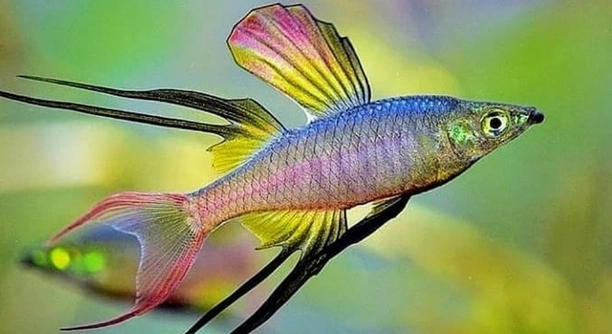
Are your Threadfin Rainbowfish swimming frantically or hiding more than usual in your aquarium? These small, colorful fish can display subtle signs when feeling stressed or anxious, making it important to understand their behaviors for proper care and comfort.
Threadfin Rainbowfish exhibit anxiety through changes in swimming patterns, hiding frequently, color fading, and loss of appetite. Stressful environmental factors, such as overcrowding, sudden movements, or poor water quality, often trigger these responses, impacting overall health and well-being.
Recognizing these behaviors early allows you to create a calmer environment and improve your fish’s long-term health and happiness in the aquarium.
Common Signs of Anxiety in Threadfin Rainbowfish
When observing your Threadfin Rainbowfish, subtle changes in behavior can indicate stress. They may swim erratically, darting from one side of the tank to the other without purpose. Hiding behind plants or decorations more often than usual is another sign. A lack of interest in food or refusal to eat can suggest underlying anxiety. Color changes, particularly fading or dullness in their natural hues, often accompany stressful periods. Some fish may even display aggressive tendencies toward tank mates or engage in repetitive movements along the tank walls. Over time, chronic stress can weaken their immune system, making them more susceptible to illness. Monitoring your fish closely and noting these behavioral changes is essential for maintaining their well-being. Environmental factors, such as sudden loud noises, bright lighting, or changes in water parameters, can trigger anxiety, and early detection allows for timely intervention to create a stable and comfortable habitat.
Addressing these signs quickly helps prevent long-term health issues and maintains your fish’s natural behavior.
By understanding how stress manifests, you can adjust tank conditions, provide hiding spaces, and ensure water quality remains consistent. This approach allows your fish to feel secure and reduces the likelihood of anxiety recurring. Maintaining a calm, stable environment also encourages normal feeding habits and promotes social interactions among tank mates, fostering overall health and vitality.
Environmental Factors That Increase Stress
Changes in water quality can heavily impact Threadfin Rainbowfish.
Temperature fluctuations, poor filtration, and improper pH levels often stress fish. Sudden movements around the tank, overcrowding, or aggressive tank mates can also increase anxiety. Ensuring stable water conditions and adequate space is key.
Environmental stressors directly influence the fish’s mental and physical health. Water conditions must be regularly monitored, as even small variations can lead to anxiety symptoms. Overcrowded tanks can provoke competition for food and space, creating tension among fish. Bright or fluctuating lighting may startle them, while sudden noises from outside the tank can exacerbate stress. Providing hiding spots and maintaining consistent feeding schedules also help reduce anxiety. The tank layout should mimic natural habitats as much as possible, allowing fish to explore without feeling exposed. By prioritizing stability and predictability in their environment, you support healthier, calmer behavior, which in turn strengthens immune response, encourages natural coloration, and promotes social harmony among the fish. Proper attention to these factors ensures a thriving aquarium where Threadfin Rainbowfish can flourish without unnecessary stress.
Reducing Anxiety Through Tank Setup
Proper tank setup significantly lowers stress in Threadfin Rainbowfish. Hiding spots, live plants, and open swimming areas create a balanced environment. Avoid overcrowding and maintain stable water conditions to keep your fish calm and healthy.
Adjusting the tank layout can make a noticeable difference in your fish’s behavior. Threadfin Rainbowfish appreciate both shaded areas and open spaces to swim freely. Adding live plants, smooth rocks, and decorations that do not block swimming paths provides security without restricting movement. Overcrowding can trigger aggression or constant hiding, so maintaining an appropriate fish-to-tank ratio is essential. Monitoring water temperature, pH, and cleanliness consistently also reduces stress, helping the fish maintain bright colors and normal feeding patterns. A thoughtful setup fosters a comfortable environment where anxiety is minimized, supporting overall well-being and social interactions among tank mates.
Lighting and water flow should mimic natural habitats as much as possible. Avoid strong currents that tire the fish, and provide moderate lighting to prevent startling. Small changes over time improve comfort and allow your fish to thrive. Proper arrangement encourages natural behavior, reduces hiding, and helps fish interact peacefully.
Feeding Practices to Reduce Stress
Consistent feeding routines help Threadfin Rainbowfish feel secure and reduce anxiety. Provide small, frequent meals instead of large amounts at once, and ensure a varied diet for optimal health.
Feeding habits directly influence stress levels in fish. Irregular schedules can make them anxious, while overfeeding leads to water quality issues, further impacting behavior. Offering high-quality flakes, frozen, or live foods ensures proper nutrition. Observing how your fish respond to different food types can help you identify preferences, promoting consistent feeding. Avoid leaving uneaten food in the tank, as it can decompose and alter water parameters. Providing predictable feeding times creates a sense of security and reduces competition among tank mates, encouraging calmer interactions. Small, frequent meals also stimulate natural foraging behaviors, contributing to overall mental and physical health.
Introducing feeding zones or using slow-release feeders can further enhance comfort. Spacing food throughout the tank allows timid fish to eat without fear, reducing competition and stress. Over time, these practices foster a peaceful, balanced environment where all Threadfin Rainbowfish can eat, socialize, and exhibit natural behavior. Careful attention to diet and feeding routines strengthens immune response and maintains vibrant coloration, supporting long-term health.
Monitoring Water Quality
Regular water testing is essential for keeping Threadfin Rainbowfish calm. Check ammonia, nitrite, nitrate, and pH levels frequently to maintain stable conditions. Consistency prevents stress and supports overall health.
Performing partial water changes weekly helps remove toxins and keeps the environment safe. Clean filters regularly and avoid sudden chemical treatments that may shock your fish.
Social Behavior and Tank Mates
Threadfin Rainbowfish are social but can become anxious with aggressive or incompatible tank mates. Choosing peaceful companions and keeping an appropriate group size reduces stress and promotes natural schooling behavior. Observing interactions helps identify any bullying or isolation that may require intervention.
Signs of Long-Term Stress
Persistent hiding, faded colors, poor appetite, and lethargy indicate chronic anxiety. Long-term stress weakens the immune system and can lead to illness, making early detection crucial for maintaining healthy, vibrant fish.
Using Environmental Enrichment
Adding plants, rocks, and gentle water flow encourages exploration and reduces anxiety. Enrichment provides security and prevents boredom, contributing to calmer, healthier fish behavior.
FAQ
How can I tell if my Threadfin Rainbowfish is stressed?
Signs of stress include erratic swimming, frequent hiding, loss of appetite, and faded coloration. Fish may also show aggressive tendencies toward tank mates or move repetitively along the tank walls. Observing behavior regularly allows you to identify stress early and adjust the environment accordingly.
What water conditions help reduce anxiety in these fish?
Stable water parameters are essential. Keep temperature consistent, maintain proper pH, and ensure ammonia, nitrite, and nitrate levels are safe. Regular partial water changes and functional filtration prevent sudden changes, reducing stress and promoting overall health.
How important is tank size for reducing stress?
Tank size directly impacts fish behavior. Overcrowded tanks increase competition for food and space, triggering anxiety. A larger, well-planned tank with both hiding spots and open swimming areas allows your fish to feel secure while maintaining natural activity.
Do lighting and water flow affect anxiety levels?
Yes. Bright, fluctuating lights or strong currents can startle Threadfin Rainbowfish. Moderate lighting and gentle water flow mimic natural conditions, allowing fish to explore without fear and reducing constant stress.
How does diet influence stress in Threadfin Rainbowfish?
Consistent feeding routines help create a sense of security. Offer small, frequent meals with a varied diet, including high-quality flakes, frozen, or live foods. Avoid overfeeding, as leftover food can degrade water quality and increase anxiety.
Can tank decorations reduce anxiety?
Decorations such as plants, rocks, and smooth hiding areas provide security. Fish use these spots to retreat when feeling threatened. A thoughtfully arranged tank balances open swimming spaces with hiding areas, supporting natural behavior and minimizing stress.
How do I handle aggressive tank mates?
Aggressive or incompatible tank mates increase anxiety in Threadfin Rainbowfish. Monitor interactions and separate fish if bullying occurs. Choose peaceful companions and maintain proper group sizes to ensure social harmony and reduce chronic stress.
What are signs of long-term anxiety?
Long-term stress may manifest as persistent hiding, faded colors, lethargy, and poor appetite. Chronic anxiety weakens the immune system, increasing susceptibility to disease. Early recognition allows you to address environmental or social issues before permanent harm occurs.
Is schooling important for these fish?
Yes. Threadfin Rainbowfish are social and thrive in small groups. Schooling provides comfort and security. Isolated fish may become anxious, so maintaining an appropriate group size supports natural social behavior and reduces stress.
How often should I check water quality?
Regular testing is crucial. Weekly checks of ammonia, nitrite, nitrate, and pH help maintain stable conditions. Frequent monitoring prevents sudden changes, which are a common cause of stress, ensuring a healthy environment for your fish.
Can enrichment improve well-being?
Environmental enrichment encourages exploration and natural behavior. Adding plants, rocks, and gentle water movement prevents boredom and reduces anxiety. Enrichment provides both security and stimulation, promoting calmer, healthier, and more active fish over time.
What should I do if my fish shows persistent stress?
If stress continues, review tank conditions, water quality, and social dynamics. Make adjustments gradually, such as adding hiding spaces, improving filtration, or separating aggressive fish. Observing behavioral improvements confirms the changes are effective.
Does sudden noise affect Threadfin Rainbowfish?
Yes. Loud noises or vibrations can startle fish, causing erratic swimming or hiding. Minimizing disturbances around the tank helps maintain calm behavior, reducing the risk of stress-related health issues.
How can I maintain consistent feeding routines?
Feed at the same times daily with measured portions. Small, frequent meals mimic natural foraging, reduce competition, and create a predictable environment that lowers anxiety. Track consumption to ensure all fish receive adequate nutrition.
Are there signs that a stressed fish is recovering?
Improved color, normal swimming patterns, increased appetite, and active social interactions indicate reduced stress. These changes show that adjustments to the environment or social dynamics are helping your fish feel secure and healthy.
This FAQ provides guidance to ensure Threadfin Rainbowfish remain calm and healthy. Consistent observation, stable water conditions, and attention to social dynamics play key roles in reducing anxiety and promoting natural behavior.
Final Thoughts
Caring for Threadfin Rainbowfish requires attention to both their physical and emotional needs. These fish are sensitive to changes in their environment, and even small disruptions can lead to stress or anxiety. Observing your fish daily allows you to notice subtle behavioral changes, such as hiding more than usual, swimming erratically, or displaying faded colors. By identifying these signs early, you can adjust water conditions, tank layout, and feeding routines to create a more stable and comfortable environment. Stability is key for their well-being, and maintaining consistent water quality, temperature, and pH levels prevents unnecessary stress. Regular water testing and partial water changes are practical ways to ensure these factors remain within safe ranges, helping your fish stay healthy and vibrant.
A well-planned tank layout is another crucial factor in reducing anxiety. Threadfin Rainbowfish appreciate both open swimming areas and secure hiding spots. Live plants, smooth rocks, and carefully placed decorations provide security without limiting movement. Overcrowding can create competition for space and food, so keeping an appropriate number of fish in the tank is essential. Additionally, moderate lighting and gentle water flow help mimic natural conditions, reducing fear and promoting normal behavior. Providing environmental enrichment, such as varied textures, hiding areas, and opportunities for exploration, keeps the fish engaged and supports mental well-being. These simple adjustments can have a significant impact on reducing anxiety and encouraging natural, active behavior in the tank.
Feeding practices also play an important role in maintaining calm and healthy Threadfin Rainbowfish. Consistent feeding schedules and a varied diet provide both nutrition and a sense of predictability. Offering small, frequent meals encourages natural foraging behaviors and reduces stress caused by competition. Observing your fish during feeding allows you to monitor their health, appetite, and social interactions. Peaceful tank mates and appropriate group sizes further reduce anxiety, as social dynamics greatly influence the fish’s behavior. Addressing all these factors together—water quality, tank setup, enrichment, feeding, and social considerations—creates a balanced environment that promotes long-term health. By remaining attentive to their needs and making small, gradual adjustments when necessary, you ensure that your Threadfin Rainbowfish can thrive, display their natural colors, and enjoy a calmer, more secure life in your care.

Hello,
If you enjoy the content that we create, please consider saying a "Thank You!" by leaving a tip.
Every little bit helps us continue crafting quality advice that supports the health, happiness, and well-being of pets around the world, for pets of all shapes, sizes, and species.
We really appreciate the kindness and support that you show us!