
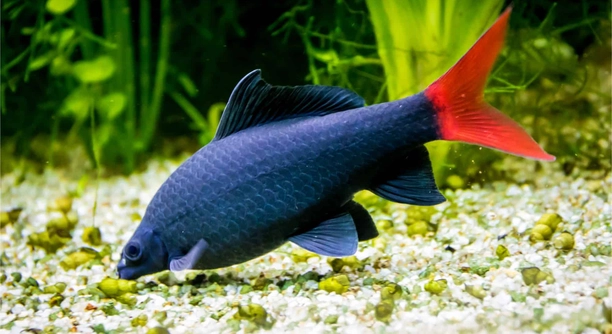
Shy rainbow sharks often hide or stay still, making it hard to enjoy their bright colors. These fish need the right environment and care to feel safe and active in your aquarium. Understanding their behavior can improve their well-being.
The most effective ways to help a shy rainbow shark include providing plenty of hiding spots, maintaining stable water conditions, avoiding aggressive tank mates, and feeding a balanced diet. These measures reduce stress and encourage natural activity in the fish.
Simple adjustments in tank setup and care can help your rainbow shark feel more comfortable and visible. This article covers easy fixes to improve your fish’s confidence and health.
Provide Plenty of Hiding Spots
Rainbow sharks are naturally shy and need places to feel safe. Adding rocks, plants, or caves gives them spots to retreat when they feel stressed. These hiding places help reduce anxiety and encourage them to explore when they feel secure. Without enough cover, shy rainbow sharks often stay hidden and inactive.
Decorating the tank with a mix of open swimming areas and dense cover creates a balanced environment. Live plants also improve water quality, benefiting the fish. Using smooth decorations avoids injury, as rainbow sharks can be sensitive to rough surfaces.
Offering different types of shelters, like caves and dense plants, lets the fish choose their favorite spot. Changing the layout occasionally can stimulate their curiosity, helping them become more confident and visible in the tank.
Providing hiding spots supports your rainbow shark’s comfort and natural behavior, leading to a healthier and more active fish.
Keep Water Conditions Stable
Maintaining stable water conditions is key for rainbow sharks’ health and confidence. Sudden changes can cause stress, making shy fish retreat even more. Consistent temperature, pH, and cleanliness help create a calm environment that encourages natural activity.
Regular water tests and partial changes keep the aquarium balanced. Avoid overcrowding, which can affect water quality and increase stress levels.
Rainbow sharks thrive in clean water with a temperature between 74 and 80°F and a pH around 6.5 to 7.5. Keeping these conditions steady reduces stress and supports overall well-being. Sudden fluctuations in temperature or chemicals can cause hiding or erratic behavior.
Using a reliable filter and performing weekly partial water changes helps maintain water quality. Keeping the tank stable reduces stress on the fish and promotes a more confident and visible rainbow shark. It’s important to monitor water parameters regularly and adjust care routines accordingly to avoid surprises. Consistency in water quality can make a big difference in helping your shy rainbow shark come out of hiding and display its vibrant colors.
Avoid Aggressive Tank Mates
Aggressive fish stress rainbow sharks, causing them to hide more. It is important to select peaceful tank mates that won’t bully or chase them. Avoid keeping rainbow sharks with very territorial or aggressive species.
Peaceful community fish like tetras, danios, and gouramis usually get along well with rainbow sharks. Aggressive cichlids or larger predatory fish can intimidate and stress them, reducing their activity and color vibrancy. Even subtle chasing can make rainbow sharks stay hidden for long periods.
If your tank includes aggressive species, consider separating the rainbow shark or rehoming some fish. Providing enough space and hiding spots helps reduce conflict, but choosing compatible species is the best way to keep your rainbow shark comfortable. A calm community tank allows them to thrive and show their natural behavior.
Feed a Balanced Diet
Rainbow sharks need varied nutrition to stay healthy and active. Feeding only flakes or pellets can cause nutritional gaps and affect their behavior. Include a mix of protein-rich foods like bloodworms, brine shrimp, and sinking pellets.
Offering fresh or frozen foods occasionally improves their diet and encourages activity. Overfeeding should be avoided, as uneaten food can pollute the tank and stress the fish. Feeding small amounts twice a day helps maintain water quality and keeps rainbow sharks energetic.
A balanced diet supports growth, color, and immune health. Nutritional deficiencies can make rainbow sharks less active or more prone to illness. Monitor their eating habits and adjust feeding to suit their needs. Feeding in a calm environment also encourages shy fish to come out of hiding and interact more.
Maintain Proper Tank Size
Rainbow sharks need enough space to swim freely. A small tank limits their movement and can increase stress, making them shy. A minimum of 30 gallons is recommended for one rainbow shark.
Providing ample swimming room reduces territorial behavior and helps the fish feel less threatened. A larger tank supports their natural activity and vibrant colors.
Limit Sudden Movements and Noise
Rainbow sharks are sensitive to quick movements and loud noises near the tank. These disturbances cause stress and hiding behavior. Keeping the area calm and stable helps the fish feel secure and reduces their shyness.
Regular Tank Maintenance
Clean tanks prevent the buildup of harmful toxins and improve fish health. Removing debris, changing water regularly, and cleaning the filter support a healthy environment.
Monitor Fish Behavior
Watching your rainbow shark’s behavior helps spot stress or illness early. Prompt attention to changes can prevent long-term problems and improve their confidence.
FAQ
Why is my rainbow shark so shy?
Rainbow sharks are naturally shy fish that prefer hiding spots and calm environments. Stress from poor water quality, aggressive tank mates, or sudden changes in the tank can increase their shyness. Providing proper hiding places and stable conditions helps reduce their stress and encourages activity.
How can I help my rainbow shark come out of hiding?
Start by adding caves, plants, or decorations that create safe hiding areas. Maintain stable water parameters and avoid loud noises or sudden movements around the tank. Feeding a varied diet and choosing peaceful tank mates also helps your fish feel more secure and confident.
What tank size is best for a rainbow shark?
A minimum of 30 gallons is recommended for a single rainbow shark. Larger tanks give them enough space to swim and reduce territorial stress. Overcrowded tanks increase stress and hiding behaviors.
Can rainbow sharks live with other fish?
Yes, but they do best with peaceful species that don’t chase or nip at them. Avoid aggressive or territorial fish. Suitable tank mates include tetras, danios, and gouramis. Proper space and hiding spots also help maintain peace.
What should I feed my rainbow shark?
Feed a balanced diet that includes sinking pellets, flakes, and occasional protein-rich foods like bloodworms or brine shrimp. Avoid overfeeding to keep water quality high. Small meals twice a day work well.
How often should I change the water?
Perform weekly partial water changes of about 20-30%. This helps remove toxins and maintain good water quality. Use a reliable filter and regularly check water parameters to keep the environment healthy.
Why does my rainbow shark hide after feeding?
Hiding after feeding can be normal behavior, especially if the fish feels safe in its shelter. However, excessive hiding might indicate stress or water quality issues. Monitor your tank and make sure conditions are stable and appropriate.
Can noise affect my rainbow shark?
Yes, loud noises and sudden vibrations can stress rainbow sharks, causing them to hide more. Place the tank in a quiet area and avoid tapping on the glass or loud activities near the aquarium.
How can I tell if my rainbow shark is healthy?
A healthy rainbow shark will swim actively, show bright colors, and eat well. Watch for signs like clamped fins, faded colors, or erratic swimming, which may signal stress or illness. Promptly address any issues by checking water quality or consulting a vet.
Is it normal for rainbow sharks to be inactive sometimes?
Yes, rainbow sharks may rest or hide during certain times of the day. However, long periods of inactivity or constant hiding suggest stress or poor tank conditions. Adjust care routines and environment to encourage natural activity.
What water parameters are best for rainbow sharks?
Keep water temperature between 74°F and 80°F and pH between 6.5 and 7.5. Stable conditions with low ammonia and nitrate levels are important. Regular testing and maintenance keep your fish comfortable and healthy.
Do rainbow sharks need a specific type of substrate?
A smooth substrate like sand or fine gravel is best. Rough or sharp substrates can injure their delicate barbels and skin. Soft substrate also mimics their natural environment and encourages natural behavior.
How long do rainbow sharks live?
With proper care, rainbow sharks can live up to 5-8 years. Good water quality, a balanced diet, and a stress-free environment all contribute to their longevity.
Can I keep more than one rainbow shark in the same tank?
Rainbow sharks are territorial and may fight if kept together in small tanks. If you want more than one, provide a large tank with multiple hiding spots to reduce aggression. Monitor their behavior closely.
Rainbow sharks can be shy fish, but with the right care, they become more comfortable and active in the aquarium. Creating a safe environment is key to helping them feel secure. This includes providing plenty of hiding spots, keeping water conditions stable, and selecting peaceful tank mates. When these needs are met, rainbow sharks are more likely to come out of hiding and show their bright colors.
Maintaining good water quality and feeding a balanced diet are important for their health and confidence. Regular water changes and cleaning prevent harmful toxins from building up, which can cause stress and illness. Feeding a mix of sinking pellets and occasional protein-rich foods supports their nutrition and activity levels. Avoiding sudden noises or movements near the tank also helps keep them calm and reduces their shyness.
By paying close attention to their behavior and environment, you can help your rainbow shark thrive. Watching for signs of stress or illness allows for quick action when needed. Giving them space, proper nutrition, and a peaceful community encourages natural activity and better health. These steps create a more enjoyable experience for both you and your fish, ensuring your rainbow shark feels safe and happy in its home.

Hello,
If you enjoy the content that we create, please consider saying a "Thank You!" by leaving a tip.
Every little bit helps us continue crafting quality advice that supports the health, happiness, and well-being of pets around the world, for pets of all shapes, sizes, and species.
We really appreciate the kindness and support that you show us!