
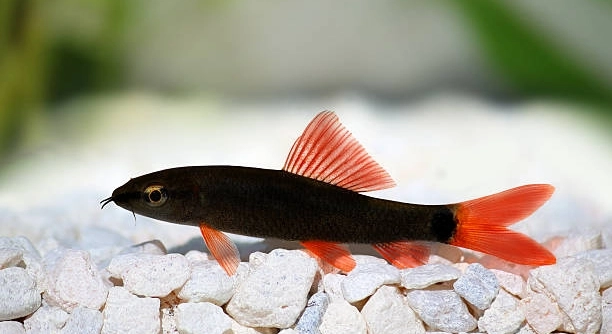
Rainbow Sharks are popular freshwater fish known for their vibrant colors and active swimming. However, they can sometimes show aggressive behavior toward other tank mates, causing stress and injury. Understanding how to manage this aggression is important for a peaceful aquarium.
The best way to reduce Rainbow Shark aggression is to provide them with ample space, plenty of hiding spots, and a well-balanced diet. Proper tank setup, consistent water quality, and compatible tank mates also play crucial roles in minimizing aggressive tendencies.
Knowing these key factors will help you create a calmer environment for your Rainbow Shark. Small changes can make a big difference in maintaining harmony in your fish tank.
Provide Enough Space in the Tank
Rainbow Sharks need plenty of room to swim freely and establish their own territory. A small tank often leads to stress and aggression, as these fish feel cramped and threatened. Ideally, a tank should be at least 55 gallons to give them enough space. This size allows them to swim away from other fish and reduces competition. When the tank is too small, Rainbow Sharks can become territorial and attack other fish. Adding decorations like rocks and plants helps break up the space, so the fish do not feel like they are constantly facing rivals. Keeping the tank clean and maintaining good water quality also supports calmer behavior, as unhealthy conditions can make fish more irritable and aggressive.
Setting up the tank correctly is a key step to reducing aggression and making your fish comfortable.
Creating distinct areas within the tank with plants and hiding spots helps Rainbow Sharks feel secure. This reduces their need to fight and makes your aquarium more peaceful overall.
Choose Compatible Tank Mates
Rainbow Sharks can be aggressive toward other bottom-dwelling or slow-moving fish. Choosing tank mates that are quick swimmers and can hold their own helps avoid conflicts. Avoid keeping them with small, shy, or slow fish, which can become targets. Good tank mates include larger tetras, danios, and barbs that swim actively in the middle or top levels of the tank. It is also helpful to keep only one Rainbow Shark per tank to prevent fights between them.
Compatibility depends on fish behavior and tank size.
Introducing compatible fish reduces stress and aggression in the tank. It also encourages natural swimming patterns and social behavior. If you notice ongoing aggression despite tank mate choices, reassessing your fish combination or increasing tank size can help. Always monitor interactions closely and be ready to separate fish if needed to keep everyone safe and healthy.
Maintain Proper Water Quality
Poor water quality can increase stress and cause Rainbow Sharks to become aggressive. Regular water changes and monitoring ammonia, nitrite, and nitrate levels help keep the tank environment stable. Clean water supports fish health and reduces irritation that may lead to fights.
Consistent water quality management lowers stress levels in Rainbow Sharks. Stress can trigger territorial behavior and increased aggression, so maintaining stable conditions is essential. Using a reliable filter and performing weekly partial water changes can greatly improve water parameters. Testing water regularly ensures problems are caught early before fish become stressed. When water is clean, Rainbow Sharks are calmer and less likely to attack tank mates. Keeping the tank environment balanced is one of the simplest and most effective ways to prevent aggression.
Proper water temperature also plays a role. Keeping the tank between 74°F and 80°F helps Rainbow Sharks stay comfortable and healthy, which further reduces aggressive behavior.
Provide Hiding Spots
Hiding spots give Rainbow Sharks places to retreat when they feel threatened. Rocks, plants, and decorations create safe spaces that reduce stress and aggression. Without hiding places, Rainbow Sharks may become more territorial.
When the fish have enough hiding spots, they feel less need to fight over territory. It also allows weaker or smaller fish to avoid conflicts. Using natural decorations like driftwood and dense plants helps create a varied environment. These spots also make the tank more interesting and comfortable for all fish. When Rainbow Sharks can hide, they are less stressed and more relaxed, leading to a peaceful aquarium. Adding multiple hiding places throughout the tank is a simple but effective way to control aggression. This keeps your fish calmer and happier in their home.
Feed a Balanced Diet
A proper diet keeps Rainbow Sharks healthy and less aggressive. Feeding high-quality pellets, vegetables, and occasional protein treats meets their nutritional needs. Avoid overfeeding, which can cause stress and poor water quality.
Regular feeding at consistent times helps reduce competition for food. A balanced diet supports their energy and overall behavior.
Avoid Overcrowding
Too many fish in one tank raises stress and increases aggression. Overcrowding makes it hard for Rainbow Sharks to claim territory and escape threats. Keeping the tank population low improves peace and fish well-being.
Monitoring fish numbers and tank size regularly helps maintain a healthy environment. It’s important for calmer interactions and less fighting.
Use Tank Dividers
Separating aggressive Rainbow Sharks with tank dividers can reduce direct conflicts. Dividers allow fish to see each other but prevent physical attacks. This method helps when tank space is limited or aggression persists.
Dividers offer a temporary or permanent solution to aggression without needing to remove fish from the tank.
Keep a Routine
Consistent feeding, cleaning, and lighting schedules reduce stress. Fish respond well to routine, which lowers aggressive behavior. Sudden changes can cause anxiety and territorial fights.
A steady environment makes Rainbow Sharks feel secure and calm.
FAQ
Why is my Rainbow Shark so aggressive?
Rainbow Sharks are naturally territorial fish. Their aggression usually comes from feeling crowded or stressed. A tank that is too small, lack of hiding spots, or incompatible tank mates can all increase aggression. Poor water quality and irregular feeding schedules also contribute. By addressing these issues, their behavior often improves.
Can two Rainbow Sharks live together peacefully?
It is generally not recommended to keep two Rainbow Sharks in the same tank. They tend to compete for territory, which leads to fighting. If you must keep more than one, the tank needs to be very large with plenty of hiding places and visual barriers to reduce aggression. Even then, conflicts may still occur.
How often should I clean the tank to reduce aggression?
Regular tank maintenance is key. Performing a 20-30% water change weekly helps maintain good water quality. Cleaning filters and removing uneaten food prevent waste buildup, which reduces stress. Clean water keeps fish healthier and calmer, reducing aggressive behavior.
What are the best tank mates for Rainbow Sharks?
Fast-swimming fish that occupy the middle or top water levels are best. Species like danios, barbs, and larger tetras usually coexist well. Avoid slow, bottom-dwelling fish or small, timid species, as they may be bullied. Choosing compatible fish minimizes fights and creates a balanced aquarium.
Can stress cause my Rainbow Shark to be aggressive?
Yes. Stress from poor water quality, overcrowding, or constant harassment can make Rainbow Sharks aggressive. Stress weakens their immune system and increases territorial behavior. Improving tank conditions and providing hiding spots help reduce stress and aggression.
How do I know if my Rainbow Shark is stressed or sick?
Signs of stress or illness include hiding more than usual, loss of appetite, clamped fins, or changes in color. Aggression can also increase when a fish is unwell. Regular observation and water testing help catch problems early. Prompt action improves fish health and behavior.
Will changing the tank layout help with aggression?
Rearranging decorations and plants breaks up territories, which can reduce fights. New hiding spots give fish places to escape and feel safe. Changing the layout periodically keeps the environment interesting and lowers territorial disputes among Rainbow Sharks.
Is diet linked to aggression in Rainbow Sharks?
Feeding a varied and balanced diet is important. Lack of nutrients or inconsistent feeding can cause irritability and increased aggression. Providing quality pellets, fresh vegetables, and protein treats keeps them healthy and less likely to fight over food.
What water temperature is ideal to keep aggression low?
Maintaining water temperature between 74°F and 80°F is best. Stable temperatures help Rainbow Sharks stay comfortable and healthy. Sudden changes or extremes can stress them, leading to aggressive behavior. Using a reliable heater and thermometer ensures proper conditions.
Can tank dividers be used permanently?
Yes. Tank dividers can separate aggressive fish permanently or temporarily. They prevent physical fights while allowing visual contact, which can reduce stress. Dividers are useful if tank size or fish numbers limit peaceful cohabitation. However, a larger tank is still preferable.
Final Thoughts
Managing Rainbow Shark aggression requires attention to several important factors. Providing enough space is one of the most effective ways to reduce fighting. When these fish have room to swim and establish their own territory, they feel less threatened and less likely to act aggressively. A tank of at least 55 gallons is recommended, along with decorations that create natural barriers. This helps break up the tank and prevents constant face-offs between fish. Giving your Rainbow Shark plenty of room is a simple step that can lead to a much calmer aquarium environment.
Another key part of controlling aggression is choosing the right tank mates. Rainbow Sharks do best with fish that swim in different parts of the tank and are fast enough to avoid confrontations. Avoid slow or bottom-dwelling fish that could become targets. Good tank mates reduce competition and stress. Along with this, keeping the water clean and stable plays a major role in fish behavior. Poor water quality causes stress, which often leads to more aggression. Regular water changes, filter maintenance, and careful monitoring of water parameters create a healthy environment that helps your fish stay peaceful.
Finally, providing hiding spots and a consistent routine supports your Rainbow Shark’s well-being. Fish need places to retreat when they feel threatened. Rocks, plants, and other decorations offer safe spaces that reduce tension. Feeding your fish a balanced diet on a regular schedule also prevents food-related fights. Using tank dividers can help if aggression continues despite these efforts. While Rainbow Sharks have natural territorial instincts, these simple steps help control their behavior. By understanding their needs and environment, you can enjoy a healthier, happier tank with less stress and fighting.

Hello,
If you enjoy the content that we create, please consider saying a "Thank You!" by leaving a tip.
Every little bit helps us continue crafting quality advice that supports the health, happiness, and well-being of pets around the world, for pets of all shapes, sizes, and species.
We really appreciate the kindness and support that you show us!