
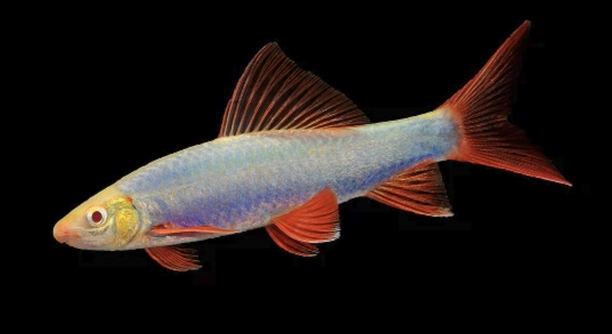
Rainbow Sharks are popular freshwater fish known for their striking colors and active behavior. They require careful care, especially when introduced to a new environment. Ensuring their health and comfort can be challenging but rewarding for aquarium owners.
To help a Rainbow Shark thrive after relocation, it is crucial to maintain stable water conditions, provide adequate hiding spaces, and monitor their diet closely. Stress reduction and gradual acclimation play key roles in supporting their adaptation to new surroundings.
Understanding how to support your Rainbow Shark in these early stages improves its well-being and encourages long-term health in your aquarium. This guide will offer practical tips to assist in a smooth transition.
Preparing the Aquarium Before Introducing Your Rainbow Shark
Before bringing a Rainbow Shark into your tank, the environment must be carefully prepared. The aquarium should be large enough, ideally 30 gallons or more, to allow room for swimming and hiding. Water parameters like temperature (between 72-79°F), pH (6.5-7.5), and hardness should be stable and within recommended levels. Adding plenty of plants and decorations provides shelter, helping the fish feel secure. It is important to cycle the tank fully to avoid harmful ammonia or nitrite spikes, which can stress the fish. Clean, filtered water promotes better health. Lighting should mimic natural conditions but not be too bright, as Rainbow Sharks can be shy. Taking these steps creates a safe, comfortable space for the fish, reducing stress when they arrive and supporting their adaptation to the new setting.
Setting up the tank carefully helps prevent early health problems and supports the Rainbow Shark’s natural behaviors and growth.
Acclimating your Rainbow Shark slowly to the tank water by floating the sealed bag for 15-30 minutes before release helps it adjust. Avoid overcrowding the tank to reduce stress and territorial disputes. Consistent monitoring in the first few days ensures any signs of distress are caught early.
Feeding Your Rainbow Shark Correctly
Feeding your Rainbow Shark a balanced diet is essential for its health. They are omnivores and need a mix of high-quality flakes, pellets, and occasional live or frozen foods such as bloodworms or brine shrimp. Feeding small amounts two to three times daily is best, avoiding overfeeding, which can pollute the tank and harm the fish. Observing their eating habits helps determine if adjustments are needed. It is also helpful to feed at different areas in the tank to encourage natural foraging behavior. Regular feeding supports growth, vibrant colors, and overall vitality.
A varied diet not only meets nutritional needs but also keeps the Rainbow Shark active and healthy.
Rainbow Sharks can be picky eaters at times, so patience is important. Some may need time to accept new foods, especially when stressed from relocation. Offering fresh vegetables like blanched zucchini or peas provides fiber and aids digestion. Maintaining feeding routines and quality diet improves their immune system and resistance to diseases. Avoid feeding them solely on one type of food to prevent nutrient deficiencies. Using sinking pellets ensures the food reaches the bottom where these fish prefer to eat. Overall, a well-managed feeding plan contributes greatly to their thriving in a new environment.
Monitoring Water Quality Regularly
Keeping water quality stable is essential for a Rainbow Shark’s health. Test water parameters weekly to catch any issues early. Focus on ammonia, nitrite, nitrate levels, pH, and temperature to maintain a safe environment.
Regular water changes, about 20-30% weekly, help remove waste and toxins. Using a reliable test kit allows you to monitor key water values. Avoid sudden changes in temperature or pH, as Rainbow Sharks are sensitive to fluctuations. Proper filtration and aeration support clean water and oxygen levels. Watching for changes in water quality prevents illness and stress, helping the fish stay strong and active.
Maintaining consistent water conditions supports the Rainbow Shark’s immune system and encourages natural behavior. Even small shifts in water chemistry can cause noticeable stress, so timely action is important. Use conditioned water when refilling to remove chlorine and chloramines.
Providing Suitable Tankmates
Choosing tankmates carefully reduces stress and aggression in the aquarium. Rainbow Sharks can be territorial, especially with similar-looking fish. Peaceful species that occupy different tank levels work best.
Avoid other bottom dwellers that may compete for space or food. Ideal companions include fast swimmers or schooling fish that stay in the upper or middle levels. Fish such as danios, tetras, and barbs can coexist well. Introducing tankmates gradually helps everyone adjust without conflict. Monitor interactions closely during the first weeks to address any aggression quickly. A balanced community tank allows each species to thrive in its niche, reducing stress and encouraging healthy behaviors.
Managing Stress in Your Rainbow Shark
Stress can cause serious health problems for Rainbow Sharks. Signs include hiding, loss of appetite, and faded colors. Reducing stress is key to their well-being.
Providing plenty of hiding spots and maintaining stable water conditions helps keep stress low. Avoid sudden changes in environment or aggressive tankmates.
Recognizing Common Health Issues
Rainbow Sharks are prone to fin rot, ich, and swim bladder problems. Early detection is important for effective treatment. Watch for torn fins, white spots, or unusual swimming behavior.
Keeping the tank clean and maintaining good water quality reduces disease risk. Quarantining new fish before adding them to the tank prevents introducing infections.
Importance of Regular Tank Maintenance
Consistent tank cleaning prevents toxin buildup and supports fish health. Removing uneaten food and vacuuming substrate helps keep water clear.
Regularly check equipment like filters and heaters to ensure proper function. A well-maintained aquarium creates a stable home for your Rainbow Shark.
FAQ
How often should I feed my Rainbow Shark?
Feeding your Rainbow Shark two to three times daily with small portions is best. This prevents overfeeding and keeps the tank clean. Watch their appetite and adjust if they leave food uneaten. Balanced feeding supports their energy and vibrant colors.
Can Rainbow Sharks live with other fish?
Yes, but choose tankmates carefully. Avoid other bottom dwellers or fish with similar size and shape. Peaceful, mid-level swimmers like tetras or barbs usually get along well. Monitor their behavior to prevent aggression.
What water temperature is ideal for a Rainbow Shark?
Maintain the tank temperature between 72°F and 79°F. Consistent temperature within this range keeps the fish comfortable and healthy. Sudden fluctuations should be avoided to reduce stress.
How large should the tank be for a Rainbow Shark?
A minimum of 30 gallons is recommended. Rainbow Sharks need space to swim and establish territories. Larger tanks help reduce aggression and promote natural behavior.
How do I know if my Rainbow Shark is stressed?
Common signs include hiding excessively, loss of appetite, dull colors, and erratic swimming. Stress often results from poor water quality, aggressive tankmates, or sudden environment changes. Addressing these factors quickly helps recovery.
What is the best way to acclimate a new Rainbow Shark?
Float the sealed bag in the tank water for 15-30 minutes to equalize temperature. Slowly add small amounts of tank water into the bag before releasing the fish. This gradual process reduces shock and stress.
What foods are best for Rainbow Sharks?
Feed a mix of high-quality flakes, pellets, and occasional live or frozen foods like bloodworms. Supplement with vegetables such as blanched zucchini or peas. Variety ensures balanced nutrition.
How often should I change the water?
Perform a 20-30% water change weekly. This removes waste and keeps the water clean. Regular changes prevent harmful chemical buildup and maintain stable water parameters.
Can Rainbow Sharks tolerate bright lighting?
They prefer moderate to low lighting because bright light can cause stress. Provide shaded areas or plants to help them hide when lighting is strong.
What diseases should I watch for?
Common issues include fin rot, ich (white spots), and swim bladder problems. Early detection and treatment improve outcomes. Maintaining clean water and quarantining new fish help prevent disease.
How do I prevent aggression in my tank?
Avoid overcrowding and provide plenty of hiding places. Choose non-aggressive tankmates that swim at different levels. Watching fish interactions early helps manage conflicts before they escalate.
What is the lifespan of a Rainbow Shark?
With proper care, Rainbow Sharks can live up to 8-10 years. Good diet, clean water, and low stress contribute to their longevity.
Is it necessary to use a filter?
Yes, a good filter is essential. It keeps water clean by removing debris and toxins. Filters also maintain oxygen levels, which support the fish’s health.
Can I keep more than one Rainbow Shark together?
It is possible but tricky. They are territorial and may fight in small tanks. If housing multiple sharks, provide a very large tank with many hiding spots to reduce aggression.
How do I treat fin rot or ich?
For fin rot, improve water quality and consider antibacterial treatments. Ich requires medication and raising the water temperature slightly to speed up the parasite’s life cycle. Always follow treatment instructions carefully.
What should I do if my Rainbow Shark stops eating?
Check water quality and tank conditions first. Stress or illness often causes appetite loss. Quarantine if needed and try offering varied foods to stimulate feeding.
Can Rainbow Sharks tolerate tap water?
Tap water must be treated with a water conditioner to remove chlorine and chloramines before adding it to the tank. Untreated tap water can be harmful.
Are Rainbow Sharks nocturnal or diurnal?
They are mostly active during the day but may become more active around dawn and dusk. Providing a natural light cycle helps regulate their behavior.
How do I encourage natural behavior in my Rainbow Shark?
Provide hiding places, smooth substrate, and plenty of swimming space. Varied diet and a peaceful tank environment promote activity and reduce stress.
What signs show my Rainbow Shark is healthy?
Bright colors, regular swimming, alertness, and consistent eating are good signs. Clear eyes and intact fins indicate good health. Regular observation helps catch problems early.
Taking care of a Rainbow Shark in a new environment requires attention to many details, but the effort is worthwhile. Creating a stable and comfortable habitat is the foundation of their health. From water quality to tank size and decoration, every element plays a role in helping the fish settle in. Proper preparation before introducing the Rainbow Shark reduces stress and promotes faster adaptation. Keeping the environment consistent allows the fish to feel safe and behave naturally.
Feeding the Rainbow Shark a balanced diet is another important factor in its well-being. Offering a variety of foods, including pellets, flakes, and occasional live or frozen treats, ensures it receives all necessary nutrients. Feeding smaller amounts multiple times a day prevents overfeeding and maintains water cleanliness. Watching the fish’s behavior and appetite can help adjust feeding routines to meet its needs. A healthy diet supports growth, vibrant colors, and a strong immune system.
Regular maintenance and monitoring cannot be overlooked when caring for a Rainbow Shark. Testing the water weekly and performing routine water changes keep the tank clean and free of harmful chemicals. Observing the fish daily helps detect any signs of stress or illness early. Choosing compatible tankmates and providing hiding spaces reduce aggression and create a peaceful environment. These steps help the Rainbow Shark thrive and live a longer, healthier life in your aquarium. Overall, consistent care and attention are key to success.

Hello,
If you enjoy the content that we create, please consider saying a "Thank You!" by leaving a tip.
Every little bit helps us continue crafting quality advice that supports the health, happiness, and well-being of pets around the world, for pets of all shapes, sizes, and species.
We really appreciate the kindness and support that you show us!