
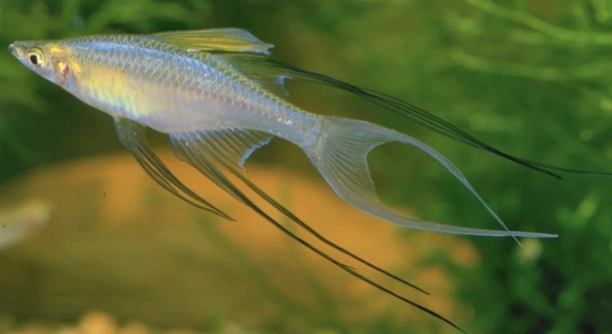
Do you enjoy keeping colorful freshwater fish and find yourself noticing small changes in their appearance? The threadfin rainbowfish is known for its subtle shades, which can reflect its overall health and mood in the aquarium.
Subtle colors such as soft blues, gentle silvers, and faint pinks in a threadfin rainbowfish indicate a healthy and content individual. These hues often signal proper nutrition, low stress, and suitable water conditions that support overall well-being.
Observing these delicate shades can reveal a lot about your fish’s happiness and environment, helping you create a thriving aquatic space.
Recognizing a Happy Threadfin Rainbowfish
Observing your threadfin rainbowfish closely can reveal its emotional and physical state. Bright, subtle colors along the fins and body suggest comfort and proper care. In particular, soft blue tones combined with a gentle pinkish hue around the belly indicate low stress. Fish showing vibrant shades often have stable water conditions, proper diet, and adequate tank space. Conversely, dull or faded colors can point to minor issues that require attention. Lighting also affects how these colors appear, so natural or full-spectrum aquarium lights help you accurately assess your fish’s health. Paying attention to behavior alongside color provides a more complete picture. Active swimming, proper feeding, and interaction with other peaceful fish complement visual signs of well-being. Maintaining a balanced environment ensures your rainbowfish remain calm and display their natural beauty consistently. Subtle color shifts are early indicators, making regular observation important to keep your fish happy and healthy.
Noticing these colors daily can help you catch stress or illness before it worsens, ensuring proper care.
Even small changes in the aquarium can affect your rainbowfish’s mood. Water temperature, pH balance, and diet adjustments all influence color intensity. Feeding a mix of high-quality flakes, live foods, and occasional frozen treats supports vibrant hues. Avoid overcrowding to reduce stress, as crowded tanks often lead to faded coloration and irregular behavior. Social interactions with compatible tank mates also affect happiness, as threadfin rainbowfish are schooling fish. Consistent maintenance, including regular water changes and monitoring filtration, keeps the environment stable. Observing fin movement and body posture, alongside color, helps track well-being. Over time, understanding these subtle signals allows you to fine-tune care routines, ensuring long-term health. Your fish’s happiness becomes apparent through these minor but meaningful visual cues, making attentive observation essential. By respecting their needs, you can foster a lively, thriving aquarium that showcases the natural beauty of threadfin rainbowfish in all their delicate shades.
Factors That Influence Subtle Coloration
Water quality plays a significant role in how a rainbowfish displays its colors. Maintaining stable parameters is crucial.
Temperature, pH, and mineral content impact stress levels, which directly affect color vibrancy. Consistent feeding with nutrient-rich food enhances natural hues, while overcrowding or aggressive tank mates can dull their appearance. Even slight variations in light exposure or seasonal changes can influence how colors are expressed. Providing hiding spots and gentle currents reduces anxiety, encouraging brighter, more consistent coloration. Observing fish behavior along with color changes ensures any adjustments are timely. These factors together create an environment that allows your threadfin rainbowfish to maintain both physical and emotional health over time, resulting in subtle yet vivid shades that signal happiness and well-being.
Diet and Its Impact on Color
A balanced diet is essential for maintaining subtle colors in threadfin rainbowfish. Foods rich in carotenoids and proteins enhance natural hues, while deficiencies can lead to dull or faded coloration. Regular feeding supports overall health and vibrant, consistent shades.
High-quality flakes, frozen brine shrimp, and occasional live foods provide necessary nutrients. Overfeeding can cause water quality issues, which may dull colors, so moderation is important. Variety in diet encourages optimal health and allows the fish to display their full range of subtle blues, silvers, and soft pinks. Proper nutrition directly correlates with stress reduction, improving behavior and interaction with tank mates. A consistent feeding schedule ensures that each fish receives adequate nutrients, preventing color loss due to competition or inadequate intake. Observing how your rainbowfish respond to different foods can help identify preferences and nutritional effectiveness, reinforcing overall well-being.
Supplementing with natural color enhancers, such as spirulina or carotenoid-rich vegetables, further strengthens subtle tones. These additions complement regular feedings and support long-term vibrancy. Attention to diet, combined with water quality and social environment, guarantees your rainbowfish consistently displays its delicate, healthy colors. Maintaining dietary consistency ensures that subtle shifts are more likely linked to health or environmental factors rather than nutritional deficiencies.
Lighting and Environmental Effects
Lighting intensity and spectrum directly influence how subtle colors appear in threadfin rainbowfish. Proper illumination highlights delicate shades, while poor lighting can make healthy fish appear dull or washed out.
Full-spectrum or natural-style aquarium lighting replicates daylight, allowing colors to develop naturally. Positioning lights to balance brightness and avoid glare helps reduce stress, which supports more vivid coloration. Dim lighting or overly harsh lights can obscure subtle tones and impact behavior. Environmental factors such as tank plants, substrate, and decorations also affect how colors are perceived. Plants provide shelter and security, enhancing comfort and allowing natural color expression. Tank size and water flow influence swimming patterns and stress levels, indirectly affecting coloration. By adjusting light duration, intensity, and placement, subtle differences in blue, silver, and pink hues become more noticeable, reflecting the fish’s mood and health.
Seasonal changes in light exposure may alter coloration slightly, so maintaining a consistent lighting schedule is key. Combining this with clean water, stable temperature, and appropriate tank mates ensures your rainbowfish displays subtle, vibrant shades reliably. Observing these environmental effects regularly helps identify necessary adjustments for optimal fish well-being. Properly managed lighting and surroundings allow your rainbowfish to express happiness visually, showing delicate colors that indicate a thriving, low-stress environment.
Social Behavior and Color Display
Threadfin rainbowfish often show their subtle colors more vividly when in a calm, compatible group. Stress or aggression from tank mates can dull these tones, while peaceful schooling encourages natural brightness.
Observing social interactions helps identify stress sources. Harmonious groups display consistent fin and body coloration, reflecting well-being.
Stress Indicators in Color
Faded or muted colors are reliable signs of stress in threadfin rainbowfish. Stress may result from poor water quality, sudden changes, or aggressive tank mates. Monitoring these color changes allows timely intervention, reducing the risk of illness. Consistent environmental conditions help preserve their natural, subtle shades.
Water Quality and Its Effects
Maintaining clean water with stable temperature, pH, and hardness is essential for subtle color expression. Contaminated or fluctuating water can quickly cause dulling, impacting both health and appearance. Regular testing and filtration keep conditions optimal, supporting vibrant coloration and overall fish well-being.
Seasonal Changes and Color Variation
Threadfin rainbowfish may show slight seasonal color shifts. These natural variations are normal and usually reflect changes in light or temperature rather than health issues.
FAQ
How can I tell if my threadfin rainbowfish is happy?
A happy threadfin rainbowfish displays subtle yet noticeable colors like soft blues, silvers, and faint pinks along its body and fins. Active swimming, regular feeding, and calm interaction with other peaceful fish complement these color signals. Observing consistent hues over time indicates low stress and good health.
What foods enhance a rainbowfish’s subtle colors?
High-quality flakes, frozen or live brine shrimp, daphnia, and occasional finely chopped vegetables support natural coloration. Foods rich in carotenoids help develop and maintain subtle blue, pink, and silver tones. Feeding in moderation prevents overfeeding and water quality issues, ensuring your fish retains vibrant, healthy shades.
Can water quality affect color intensity?
Yes, water quality directly influences color expression. Stable temperature, pH, and mineral levels reduce stress and allow natural colors to show. Fluctuations or poor filtration may dull hues, even in healthy fish. Regular testing, partial water changes, and proper filtration maintain optimal conditions.
Does lighting impact subtle coloration?
Lighting is crucial for displaying delicate shades. Full-spectrum or natural-style lighting highlights subtle blues, silvers, and pinks. Too dim or harsh lights can make vibrant colors appear muted. Proper placement, duration, and intensity of lighting ensure fish display their natural colors consistently.
Do social dynamics influence colors?
Threadfin rainbowfish are schooling fish and display best coloration when in compatible groups. Aggressive or incompatible tank mates can cause stress, dulling colors. Peaceful schooling encourages natural vibrancy and proper social behavior, which directly correlates with emotional and physical well-being.
Why do colors fade suddenly?
Sudden fading often indicates stress or environmental changes. Common causes include poor water quality, abrupt temperature shifts, aggressive tank mates, illness, or improper diet. Monitoring water parameters, providing adequate space, and maintaining consistent feeding routines can prevent rapid color loss.
Are seasonal changes a concern for coloration?
Slight seasonal color variations are normal, usually resulting from changes in lighting or temperature. These shifts are not necessarily linked to health issues but should be monitored. Consistent environmental conditions help minimize extreme variations while allowing natural subtle changes to occur.
Can stress be reversed to restore colors?
Yes, removing stressors like aggressive fish, overcrowding, or poor water conditions can restore natural hues. Correcting diet, stabilizing the environment, and ensuring proper tank setup gradually brings back subtle blues, silvers, and pinks, reflecting improved emotional and physical health.
How often should I observe my fish for color changes?
Daily observation is recommended to detect subtle shifts early. Noticing gradual changes in fin or body coloration helps identify stress, disease, or nutritional deficiencies, allowing timely intervention before issues become serious. Keeping a visual record can aid in long-term monitoring.
Do all threadfin rainbowfish display colors the same way?
Individual fish may show variations in subtle shades depending on genetics, age, and environmental factors. Younger fish often have less pronounced coloration, while well-fed adults in optimal conditions display more vivid subtle tones. Recognizing normal variation prevents unnecessary concern.
Can diet alone maintain vibrant colors?
While diet is essential, it must be combined with stable water quality, appropriate lighting, and compatible tank mates. Nutrition enhances colors, but environmental and social factors play equally important roles in ensuring subtle shades remain consistent and bright.
What is the best way to reduce stress for better coloration?
Maintaining stable water parameters, providing hiding spots, ensuring proper tank size, and keeping compatible companions are key strategies. Gradual changes in temperature, light, and feeding routines reduce stress, allowing natural colors to appear without sudden fading.
How do I distinguish between illness and normal color fading?
Illness-related fading often comes with behavioral changes like lethargy, loss of appetite, or erratic swimming. Normal fading from seasonal or minor environmental changes typically doesn’t affect behavior. Observing both color and activity patterns helps differentiate between health issues and natural variations.
Does tank decoration affect color display?
Yes, natural plants, smooth substrates, and non-reflective decorations reduce stress and provide shelter. This supportive environment allows fish to display subtle colors more consistently, reflecting comfort and security within the tank.
How long does it take for colors to recover after stress?
Recovery time varies depending on the severity of stress and the fish’s overall health. Minor stressors may result in color return within days, while prolonged exposure to poor conditions can take weeks of consistent care and optimal environment to restore natural subtle hues.
Is it normal for some colors to be more visible than others?
Yes, certain areas like the fins or belly may display more pronounced subtle shades. Lighting, angle of observation, and individual variation affect which colors are most noticeable. Understanding these patterns helps in assessing the fish’s well-being accurately.
What role does water movement play in coloration?
Gentle, consistent water flow reduces stress and supports natural behavior, indirectly helping maintain subtle colors. Strong currents or stagnant water can create anxiety, leading to dulling of natural shades and changes in swimming patterns.
Are there signs that indicate my rainbowfish is stressed even if colors look good?
Yes, behaviors like hiding excessively, erratic swimming, or lack of appetite can indicate stress even when coloration appears normal. Monitoring both behavior and subtle color changes provides a more accurate assessment of happiness and health.
Can adding more fish improve color display?
Adding compatible schooling fish can enhance social interaction and reduce stress, often improving subtle color expression. Overcrowding, however, can have the opposite effect. Maintaining proper numbers ensures vibrant coloration without causing stress or competition.
How important is regular tank maintenance for color retention?
Regular cleaning, water changes, and filter checks are critical. Consistent maintenance prevents buildup of toxins and keeps water parameters stable, which directly supports the visibility of subtle colors and overall fish health.
This FAQ provides guidance for maintaining subtle, healthy coloration in threadfin rainbowfish, emphasizing diet, environment, social factors, and observation.
Final Thoughts
Observing the subtle colors of a threadfin rainbowfish offers valuable insight into its overall health and well-being. These delicate hues, such as soft blues, gentle silvers, and faint pinks, are not only visually appealing but also reflect the fish’s mood, stress levels, and environmental comfort. Maintaining a stable environment with proper water parameters, a balanced diet, and appropriate lighting supports the consistent expression of these colors. Paying attention to subtle changes over time allows you to respond promptly to any issues, ensuring your fish remains healthy and comfortable. Simple daily observation can reveal small shifts that might otherwise go unnoticed, helping you create a thriving tank. Recognizing the relationship between color and behavior is key to understanding your rainbowfish’s needs and providing the care that keeps them active and stress-free.
Diet plays a crucial role in supporting vibrant coloration. Foods rich in protein and carotenoids, such as high-quality flakes, live or frozen brine shrimp, and occasional vegetables, enhance the natural hues of threadfin rainbowfish. Overfeeding or providing a limited diet can lead to dulling of colors, so moderation and variety are essential. Additionally, maintaining a regular feeding schedule ensures all fish receive sufficient nutrition while reducing competition and stress within the tank. Combining proper nutrition with stable water conditions allows subtle tones to appear more consistently, reflecting a healthy and balanced environment. The careful combination of diet, social interactions, and environmental factors creates an aquarium where your rainbowfish can thrive, showing their natural beauty in subtle, lively shades. Understanding the importance of each factor empowers you to make informed adjustments to maintain the overall health of your aquatic setup.
Environmental factors, including lighting, tank design, and social groupings, further influence subtle color expression. Full-spectrum lighting enhances the natural hues of the fish while creating a more comfortable setting. Providing plants, hiding spaces, and gentle water flow reduces stress, encouraging active behavior and brighter coloration. Threadfin rainbowfish also benefit from compatible tank mates, as aggressive or incompatible companions can cause stress, leading to muted colors. Regular monitoring of water parameters, combined with attention to behavior and color changes, allows you to identify and address issues before they affect health. By focusing on these elements, you create a balanced environment where your fish display subtle colors consistently, reflecting their overall happiness. Maintaining these practices ensures your rainbowfish live in a calm, supportive habitat that highlights their natural beauty while promoting long-term health and well-being.

Hello,
If you enjoy the content that we create, please consider saying a "Thank You!" by leaving a tip.
Every little bit helps us continue crafting quality advice that supports the health, happiness, and well-being of pets around the world, for pets of all shapes, sizes, and species.
We really appreciate the kindness and support that you show us!