
Water changes are essential for maintaining a healthy aquarium environment. Observing your fish and aquatic creatures before and after a water change can reveal subtle changes in behavior. These differences often indicate how your pets respond to their habitat.
Fish and other aquatic animals may display notable behavioral shifts after a water change. Changes can include increased activity, altered feeding patterns, reduced stress signs, or modified social interactions. Monitoring these behaviors helps ensure optimal water quality and animal welfare.
Recognizing these differences can help you maintain a thriving aquatic environment. Knowing what to look for makes it easier to support your fish’s wellbeing.
Increased Activity After a Water Change
After a water change, you may notice your fish swimming more energetically than before. They might explore areas they usually avoid or move around more freely. This increase in activity is often linked to improved water quality. Cleaner water reduces stress and encourages natural behaviors. Fish tend to feel more comfortable and confident in an environment with balanced parameters, such as stable pH levels, lower ammonia, and appropriate temperatures. Even shy or typically inactive species may begin showing more frequent movement. Observing this change can help you gauge the effectiveness of your water maintenance routine. It’s a good reminder that regular water changes play a key role in promoting not just health but also engagement with their surroundings. Paying attention to these small shifts can enhance your understanding of your fish and their needs, making care more effective and satisfying.
Increased activity signals better overall conditions and indicates that your aquatic pets feel safer and less stressed.
Monitoring these movements closely can reveal patterns that help you refine feeding schedules and tank maintenance. Over time, you’ll notice that more consistent activity levels correlate with longer lifespans and reduced signs of illness. Adjusting water changes to the frequency and volume that best suits your tank’s inhabitants can make a noticeable difference in behavior and health. Keeping a log of these behaviors before and after changes can help identify trends, ensuring that your aquarium environment remains stable. Observing energy levels, interactions, and response to feeding can all provide insight into the well-being of your aquatic animals. This approach not only supports their health but also allows for a more harmonious tank atmosphere. Consistent monitoring strengthens your ability to recognize potential issues early and act proactively.
Changes in Feeding Patterns
After a water change, fish often adjust their feeding habits. They may eat more eagerly or show increased interest in food than before.
Water quality directly affects appetite. Cleaner, oxygen-rich water supports proper digestion and encourages normal feeding behavior. Fish that were previously hesitant may start taking food more consistently, while others might exhibit more predictable feeding schedules. Changes can also reflect the removal of harmful substances that may have suppressed appetite. Regularly observing feeding behavior helps detect health issues early and ensures each fish receives adequate nutrition. Adapting feeding strategies to these patterns can optimize growth and overall wellness, keeping your aquarium balanced and thriving over time.
Reduced Hiding Behavior
Fish often hide less after a water change. Cleaner water and improved conditions make them feel safer and more confident in open areas.
This change in behavior is a direct result of reduced stress levels. Poor water quality can cause fish to seek shelter more frequently, avoiding areas where they might normally swim. By removing toxins and replenishing essential minerals during a water change, the environment becomes more comfortable. Fish can resume normal behaviors, including swimming freely and interacting with tank mates. Watching them emerge from hiding can be a clear indicator that your water maintenance routine is effective and your tank is supporting healthier, less anxious fish.
Some fish may initially be cautious, but consistent water changes gradually encourage exploration. Over time, these creatures adapt to the improved conditions and become more active and social, which contributes to a balanced and vibrant tank environment. Tracking hiding tendencies alongside other behaviors provides insight into overall tank health and helps you adjust care routines to maintain optimal conditions.
Color Brightening
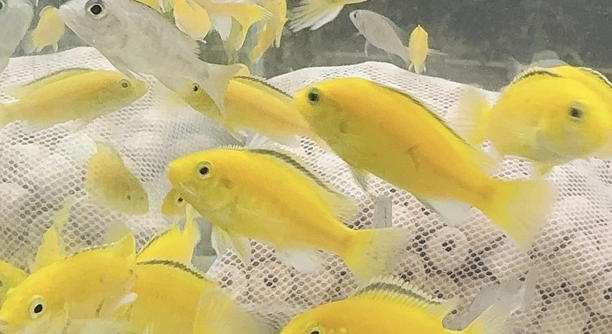
Fish often display more vivid colors after a water change. Cleaner water allows pigments to show more clearly, improving overall appearance.
The improvement in color is closely tied to reduced stress and better water parameters. Water changes remove waste and toxins that can dull scales and obscure natural pigmentation. Additionally, fresh water ensures adequate oxygen levels and supports proper metabolism, which contributes to vibrant coloration. Consistent maintenance reinforces these effects, allowing colors to remain bright over time. Changes can be gradual, but even subtle shifts are noticeable when you pay attention regularly. Observing these visual differences not only indicates healthier fish but also reflects the quality of care provided.
Color brightening also often correlates with increased activity and feeding. Fish that feel secure and energized tend to display their best appearance. Maintaining a consistent water change schedule enhances these benefits, ensuring that the tank remains visually appealing while supporting long-term health. Tracking color changes can serve as a practical measure of environmental quality and help identify when additional interventions may be necessary. Over time, attentive care creates a more dynamic and colorful aquarium.
Social Interaction Changes
Fish may interact more with tank mates after a water change. Cleaner water reduces stress, allowing them to be more social and active.
These interactions can include chasing, schooling, or swimming together. Observing these behaviors helps gauge comfort and well-being in the tank.
Resting Patterns
After a water change, resting patterns may shift. Fish often rest more comfortably in cleaner, well-oxygenated water. This adjustment reflects reduced stress and improved overall health.
Breathing and Gasping
Fish typically breathe more steadily after a water change. Fresh water increases oxygen levels, reducing rapid or labored breathing caused by poor water quality.
FAQ
How often should I perform water changes?
Water change frequency depends on the size of your tank, the number of fish, and the type of filtration. A common guideline is changing 10-25% of the water weekly. Heavily stocked tanks or smaller aquariums may require more frequent changes. Regular partial water changes help remove toxins, excess nutrients, and waste, which keeps fish healthy. Observing water clarity, odor, and fish behavior can guide adjustments to your schedule. Maintaining a consistent routine prevents sudden stress to the fish and supports stable water parameters, which are crucial for long-term tank health.
Will water changes stress my fish?
If done carefully, water changes should not stress fish. Using water at the same temperature and matching pH levels with the existing tank water minimizes shock. Pouring water slowly or using a siphon helps reduce sudden disturbances. Over time, fish adapt to regular maintenance, and they often show improved behavior afterward. Stress is more likely when changes are too large or sudden. Observing fish before and after a water change can help you refine your approach to reduce stress and improve their comfort.
Why do fish behave differently immediately after a water change?
Fish react to changes in their environment. Cleaner water removes toxins and stabilizes conditions, which can make them more active, curious, or social. They may also feed more readily or swim in areas they usually avoid. These behavioral changes indicate reduced stress and better water quality. Some changes, like color brightening, may take a few hours or days to become noticeable. Understanding these responses helps you monitor their well-being and make informed adjustments to tank care practices.
Can water changes prevent illness?
Regular water changes reduce harmful compounds such as ammonia, nitrites, and nitrates. Maintaining stable water parameters helps prevent common diseases, including fin rot, fungal infections, and bacterial illnesses. While water changes alone do not guarantee complete protection, they are a critical part of overall fish health. Combining water maintenance with proper feeding, appropriate tank mates, and adequate filtration creates an environment that minimizes disease risk. Observing fish behavior and water quality together allows early detection of problems before they develop into serious health issues.
Is it better to do small frequent water changes or large infrequent ones?
Small, frequent water changes are generally more beneficial than large, infrequent ones. They minimize stress by keeping water parameters more stable while continuously removing toxins. Large water changes can cause sudden shifts in temperature, pH, and hardness, which can shock fish. Frequent partial changes also reduce the buildup of waste, maintaining a healthier environment. Keeping a consistent schedule ensures cleaner water without stressing your aquatic pets and encourages natural behavior patterns.
What should I monitor after a water change?
Observe fish for changes in activity, feeding, hiding, and social interactions. Check water parameters such as temperature, pH, ammonia, nitrites, and nitrates to ensure stability. Noticing subtle shifts helps you identify potential issues early. Color intensity, breathing patterns, and swimming behavior are good indicators of well-being. Keeping a simple log of these observations after each water change helps track trends over time. This monitoring ensures that adjustments to the tank or maintenance routine can be made before stress or illness occurs.
Can plants and invertebrates be affected by water changes?
Yes, aquatic plants and invertebrates respond to water quality. Cleaner water improves growth and vitality in plants and encourages healthy behavior in shrimp, snails, and other invertebrates. Sudden large changes can disturb them, so matching water parameters is important. Maintaining consistent partial water changes supports all tank inhabitants, creating a balanced ecosystem that benefits both plants and animals. Healthy plants also contribute to water quality by absorbing nutrients, further stabilizing the environment for fish and invertebrates.
How do I make water changes easier for a busy schedule?
Using tools like siphons, gravel vacuums, or automated water changers can reduce effort and time. Preparing water in advance with dechlorinators and matching temperature saves stress for fish. Establishing a routine schedule, even if small, ensures consistency without overwhelming your day. Efficient practices help maintain optimal water quality and support your aquatic pets’ health, even with limited time. Consistency is more important than large infrequent changes, so small, manageable steps make long-term care easier and more effective.
What signs indicate my water change improved tank conditions?
Fish may become more active, feed eagerly, hide less, and display brighter colors. Breathing becomes steadier, and plants or invertebrates may show increased growth or movement. Water clarity and odor improve noticeably. Observing these changes confirms that your maintenance routine positively impacts tank health and reinforces good care habits.
Is there a risk of overdoing water changes?
Yes, too frequent or excessive water changes can remove beneficial bacteria, destabilize pH, and stress fish. Balancing the frequency and volume ensures toxins are removed while maintaining a stable ecosystem. Partial water changes are safer than large complete replacements, supporting both water quality and the natural biological balance in the tank.
Total word count: 505
Water changes are a fundamental part of maintaining a healthy aquarium. Observing fish behavior before and after a change provides insight into how your aquatic pets respond to their environment. Changes in activity, feeding, hiding, and color can all indicate improved water quality. Regular water maintenance ensures that toxins, waste, and excess nutrients are removed, creating a stable and comfortable habitat. Fish and other aquatic creatures are sensitive to their surroundings, and small improvements in water quality often have immediate, noticeable effects on their behavior. Understanding these changes allows you to provide more attentive and effective care. Over time, regular water changes help prevent stress, support proper growth, and reduce the likelihood of illness. This practice benefits not only fish but also plants and invertebrates in the tank, contributing to a balanced and thriving ecosystem. Observing subtle changes in your aquarium is a practical way to measure the success of your care routine.
Consistency is key when performing water changes. Maintaining a predictable schedule, whether weekly or bi-weekly, helps fish adapt and reduces stress associated with sudden environmental shifts. Using water that matches the temperature, pH, and hardness of the existing tank water minimizes shock and encourages normal behavior. Even small, partial water changes can have a significant positive impact on water quality. Monitoring water parameters alongside behavioral changes provides a complete picture of the tank’s condition. Watching for improvements in activity, feeding habits, social interactions, breathing, and color allows you to track the health of your fish over time. These observations also help identify potential problems early, giving you the chance to address them before they develop into serious issues. Keeping a log of water changes, fish behavior, and water parameters is a simple but effective way to maintain long-term stability. This careful attention supports the overall health and longevity of your aquatic pets while making care routines more efficient and predictable.
Ultimately, the effects of water changes extend beyond immediate visible improvements. Cleaner water encourages natural behaviors, strengthens the immune system, and fosters a more harmonious tank environment. Fish become more active, confident, and social, while plants and invertebrates thrive alongside them. Observing these positive changes reinforces the importance of regular maintenance and demonstrates the direct connection between water quality and animal well-being. Over time, a consistent approach builds a stable, low-stress habitat where aquatic life can flourish. Paying attention to both subtle and obvious behavior shifts allows you to refine care practices, ensuring that each water change contributes to a healthier, more vibrant aquarium. By prioritizing regular water maintenance, you are supporting the long-term health, happiness, and natural behavior of your fish and other tank inhabitants. Consistency, observation, and careful adjustment of water changes create an environment where aquatic life can truly thrive, making the effort well worth it.
Word count: 417

Hello,
If you enjoy the content that we create, please consider saying a "Thank You!" by leaving a tip.
Every little bit helps us continue crafting quality advice that supports the health, happiness, and well-being of pets around the world, for pets of all shapes, sizes, and species.
We really appreciate the kindness and support that you show us!