
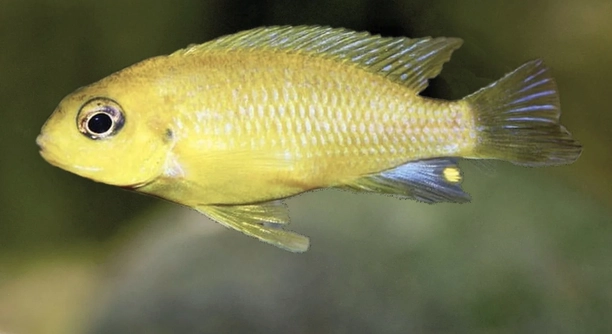
Juvenile cichlids grow quickly, and their bodies can show small signs that indicate changes or stress. Observing these early clues helps keep your fish healthy and prevents minor issues from turning serious.
Common body clues of growing pains in juvenile cichlids include uneven growth, bent spines, bulging eyes, fin deformities, swollen bellies, abnormal swimming patterns, and color changes. Monitoring these signs can guide timely interventions and promote proper development.
Noticing these subtle changes early can make a big difference in your fish’s overall growth and wellbeing. Each clue offers insight into their developmental health and comfort.
Uneven Growth
Juvenile cichlids sometimes grow at different rates, which can be an early indicator of stress or nutritional imbalance. Some fish may appear smaller or thinner than their tank mates, while others develop slightly faster. Uneven growth can happen due to competition for food, genetics, or inconsistent water quality. It’s important to monitor feeding habits and ensure that each fish receives adequate nutrition. Using high-quality pellets or a varied diet including live or frozen food can help balance growth rates. Observing your tank regularly allows you to notice differences before they lead to long-term problems. Tank size and population density also influence growth, as overcrowding can limit resources and slow development. Adjusting water parameters and maintaining consistent temperatures can support healthy growth for all juveniles. If a fish consistently lags behind despite proper care, consulting an aquaculture specialist may provide solutions to prevent further issues.
Uneven growth can indicate minor stress or diet issues, making observation and dietary adjustments critical to support all cichlids properly.
Tracking growth patterns helps ensure no fish is left behind. Adjusting diet, spacing, and water quality creates a more balanced and healthy tank environment for juvenile cichlids. Monitoring regularly allows early detection of any persistent growth issues, minimizing long-term health concerns.
Bent Spines
Bent spines appear as a curvature along the back of juvenile cichlids, often visible from a side view.
This condition is usually linked to rapid growth or poor nutrition, especially deficiencies in calcium or vitamin D. Bent spines can also develop from physical stress or injuries during swimming or handling. Ensuring the diet contains balanced vitamins and minerals helps support proper skeletal development. Tank setup matters as well; strong currents or aggressive tank mates can lead to injuries that worsen spinal deformities. Observing fish movement and behavior helps detect if the spine is causing discomfort or swimming difficulties. Some cases of bent spines may correct naturally over time, particularly with young fish, but persistent or severe curvature requires attention. Providing a calm environment with proper hiding spaces reduces stress and allows fish to grow more evenly. Regular water testing and careful feeding can prevent most nutritional causes. Early recognition and intervention improve the long-term mobility and health of juvenile cichlids.
Bulging Eyes
Bulging eyes in juvenile cichlids often signal infections or internal pressure. It can develop quickly, and ignoring it may worsen the condition, affecting swimming and overall health.
Swollen eyes, also called exophthalmia, can be caused by bacterial infections, poor water quality, or trauma. Maintaining clean water and avoiding sudden changes in temperature helps reduce the risk. If only one fish is affected, isolating it in a separate tank can prevent spreading potential pathogens. Feeding high-quality, easily digestible food supports immune function, helping the fish recover faster. Observing behavior is important, as lethargy or loss of appetite often accompanies eye swelling. Early intervention increases the chances of recovery without long-term damage.
Bulging eyes can also be linked to nutritional deficiencies, particularly low levels of vitamins A and D. Providing a varied diet including enriched flakes, frozen brine shrimp, and occasional live foods helps maintain proper eye and organ health. Regular monitoring and maintaining stable tank conditions make it easier to prevent recurrence.
Fin Deformities
Fin deformities can appear as frayed, shortened, or uneven fins, often developing from injury, water issues, or nutritional gaps.
These deformities may result from bacterial infections, fin rot, or insufficient vitamins. Maintaining good water quality is critical to prevent bacterial growth, and adding supplements like vitamin-enriched foods can strengthen fin regeneration. Avoid overcrowding, as aggressive behavior from tank mates can damage delicate juvenile fins. Observing interactions and trimming sharp objects in the tank reduces the chance of accidental tears. Treatment may include medicated food or aquarium-safe antibacterial solutions. Regular tank maintenance and proper nutrition can limit fin deformities and promote faster recovery, allowing juveniles to swim normally and maintain balance in the water.
Providing a balanced diet rich in proteins and vitamins improves fin health and regeneration. Clean water, minimal stress, and careful handling ensure fins develop properly as juveniles grow. Monitoring tank dynamics prevents aggressive interactions that could worsen or trigger deformities, helping maintain overall fish vitality.
Swollen Bellies
Swollen bellies in juvenile cichlids often indicate overfeeding, constipation, or internal infection. Observing feeding habits and adjusting portions can help reduce bloating and maintain overall health.
Water quality also affects digestion, so keeping tanks clean with regular changes prevents bacteria that worsen swelling and supports proper gastrointestinal function.
Abnormal Swimming Patterns
Juvenile cichlids showing irregular swimming, such as tilting, circling, or floating unevenly, may be stressed, sick, or developing spinal or organ issues. Monitoring their movement helps detect early health problems, guiding timely interventions to prevent worsening conditions and support normal growth.
Color Changes
Fading or uneven coloration in juvenile cichlids can indicate stress, poor diet, or illness. Maintaining a consistent feeding routine, water quality, and low-stress environment helps preserve natural coloration and overall vitality.
FAQ
What causes uneven growth in juvenile cichlids?
Uneven growth is usually linked to differences in diet, genetics, or stress levels. Fish that are smaller may be outcompeted for food or stressed by stronger tank mates. Ensuring balanced feeding, sufficient space, and stable water conditions helps all juveniles develop at a healthy rate.
How can I prevent bent spines?
Bent spines often result from rapid growth, poor nutrition, or physical injuries. Providing a diet rich in calcium and vitamins, maintaining calm water conditions, and reducing aggressive interactions can prevent spinal deformities. Monitoring young fish regularly allows early intervention when signs appear.
Why do my cichlids have bulging eyes?
Bulging eyes can stem from bacterial infections, internal pressure, or vitamin deficiencies. Isolating affected fish, maintaining excellent water quality, and providing vitamin-enriched foods help address the issue. Observing feeding and behavior ensures the fish is not in pain or struggling to swim.
What causes fin deformities in juvenile cichlids?
Frayed or uneven fins develop due to injuries, poor water quality, or insufficient nutrition. Avoid overcrowding, keep the tank clean, and provide vitamin-enriched foods to strengthen fin growth. Some fin damage may heal naturally if environmental conditions improve.
How can I manage swollen bellies?
Swollen bellies often result from overfeeding, constipation, or infections. Reducing portion sizes, adjusting diet with fiber-rich foods, and maintaining clean water helps the digestive system function normally. Early detection prevents long-term organ stress or serious illness.
What do abnormal swimming patterns indicate?
Irregular swimming, such as tilting or spinning, can signal stress, spinal issues, or internal organ problems. Observing movement patterns regularly helps detect early health problems. Ensuring proper nutrition, calm water conditions, and space for swimming supports normal development.
Why is my juvenile cichlid changing color?
Color changes may indicate stress, poor diet, or illness. Stable water conditions, a balanced diet, and minimizing tank conflicts help maintain vibrant coloration. Some gradual color shifts are normal as fish mature, but sudden changes often signal a health issue that needs attention.
Can diet alone correct growth and body issues?
While diet plays a crucial role, environmental factors like water quality, space, and tank population are equally important. A balanced diet combined with stable tank conditions ensures optimal skeletal and muscular development, reducing the risk of deformities and irregular growth patterns.
How do I know if a symptom is serious?
Persistent or worsening signs such as severe spinal curvature, extreme swelling, or inability to swim properly require immediate attention. Consulting a veterinarian or experienced aquarist is recommended. Early detection and treatment often prevent permanent damage or fatal outcomes.
Are there preventive measures I can take for juvenile cichlids?
Yes, maintaining consistent water parameters, providing a nutrient-rich diet, reducing tank stress, and monitoring fish behavior are key preventive measures. Regular water changes, appropriate tank size, and separating aggressive fish help ensure healthy development and minimize growing pains.
How often should I observe my juvenile cichlids for health issues?
Daily observation is ideal. Noticing small changes in behavior, swimming, or appearance allows early intervention. Routine checks combined with proper feeding and maintenance routines help keep juveniles healthy and thriving in a stable environment.
Can genetics affect body issues in cichlids?
Yes, some deformities or uneven growth patterns are influenced by genetics. Even with perfect care, certain strains may be more prone to spinal, fin, or eye problems. Awareness of lineage helps anticipate potential issues and adjust care accordingly.
What role does stress play in growth problems?
Stress significantly affects growth and body development. Aggressive tank mates, sudden water changes, or overcrowding can stunt growth, affect fins, and cause color fading. Reducing stress through calm environments and careful tank management promotes healthier juveniles.
When should I consult a specialist?
Consulting a specialist is necessary if symptoms persist, worsen, or affect multiple body systems. Spinal deformities, chronic eye swelling, or prolonged abnormal swimming are indicators. Early guidance improves recovery chances and ensures juveniles develop properly without long-term complications.
Can environmental enrichment help prevent health issues?
Providing hiding spaces, plants, and stable territories reduces stress and promotes natural behavior. Enrichment encourages exercise, strengthens muscles, and supports proper skeletal development. A well-structured tank environment contributes to healthier growth and fewer developmental problems.
How does water quality influence growing pains?
Poor water quality can cause infections, stress, and digestive issues, contributing to many common body problems. Regular testing, filtration, and water changes prevent harmful buildup of ammonia or nitrates, supporting overall health and proper development in juvenile cichlids.
What is the best approach to feeding juvenile cichlids?
Feed small, frequent meals with a variety of protein-rich foods, including pellets, frozen or live options. Balanced vitamins and minerals prevent nutritional deficiencies that can lead to spinal, fin, or eye problems. Avoid overfeeding to prevent bloating and digestive issues.
Can tank mates affect the development of juveniles?
Yes, aggressive or dominant tank mates can stress juveniles, restrict access to food, and cause injuries. Careful selection of compatible fish, monitoring interactions, and providing ample hiding spaces minimizes conflicts and promotes healthier growth.
Are some body clues reversible?
Some issues, like minor fin damage or slight color fading, can improve with proper diet and care. Severe spinal deformities or chronic organ problems may be permanent. Early intervention and consistent monitoring increase the chances of partial or full recovery.
How do I balance diet, environment, and care effectively?
Combining high-quality, varied nutrition with clean, spacious tanks and stress reduction provides the best results. Observe fish daily, adjust feeding and environment as needed, and address problems immediately. Balanced care minimizes body issues and supports steady, healthy development.
This FAQ addresses the most common body clues and their causes in juvenile cichlids, offering practical strategies to maintain healthy growth and prevent long-term complications.
Final Thoughts
Juvenile cichlids grow quickly, and their bodies can show small signs of stress or developmental issues. Observing them closely helps prevent minor problems from becoming serious. Uneven growth, bent spines, bulging eyes, fin deformities, swollen bellies, abnormal swimming, and color changes are all clues that something may need attention. Regular monitoring allows you to notice small differences in size, shape, or behavior. Paying attention to these details early helps you adjust care routines, including feeding, tank maintenance, and water quality. Each juvenile is unique, and what may appear normal in one fish could indicate an issue in another. By learning these signs, you can provide targeted care that supports their overall health. Consistency is key; maintaining a stable environment with balanced nutrition reduces stress and promotes proper development.
Water quality and diet play the most important roles in preventing growing pains in juvenile cichlids. Clean water prevents infections and supports healthy organ function. Temperature and pH levels should remain stable, as sudden changes can stress fish and make them more prone to illness. Providing a varied diet with protein, vitamins, and minerals ensures proper skeletal and muscular development. Overfeeding or underfeeding can lead to bloating, malnutrition, or stunted growth, so portion control is essential. In addition to nutrition, tank setup matters. Overcrowding, aggressive tank mates, or lack of hiding spaces can increase stress and contribute to physical issues. Observing how each fish interacts with its surroundings helps identify potential problems early. Even small adjustments, like increasing hiding spots or separating aggressive individuals, can significantly improve the health of juveniles. Consistent care is more effective than occasional intense interventions.
Addressing body clues early improves the long-term wellbeing of juvenile cichlids. Some issues, like minor fin damage or slight color fading, can be corrected with proper diet and environment, while severe conditions may require more specialized attention. Patience is important, as recovery and growth take time. Regular observation, combined with proactive care, allows you to make small changes that prevent serious problems. Over time, maintaining stable water conditions, providing balanced nutrition, and reducing stress promotes strong, healthy growth. Understanding the subtle signs of growing pains empowers you to act quickly and effectively. By being attentive and responsive to their needs, juvenile cichlids are more likely to develop normally, stay healthy, and thrive in your tank for years to come.

Hello,
If you enjoy the content that we create, please consider saying a "Thank You!" by leaving a tip.
Every little bit helps us continue crafting quality advice that supports the health, happiness, and well-being of pets around the world, for pets of all shapes, sizes, and species.
We really appreciate the kindness and support that you show us!