
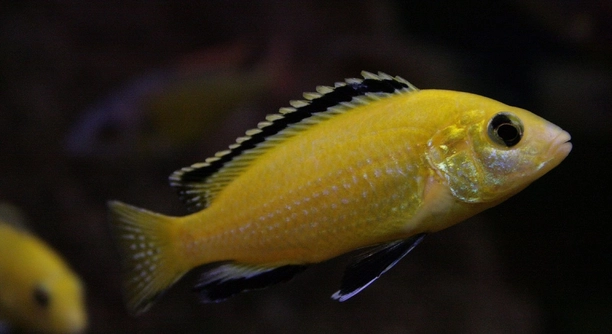
Electric Yellow Cichlids are popular among aquarium enthusiasts for their bright colors and lively behavior. These fish are easy to care for and bring a vibrant touch to freshwater tanks, making them a favorite choice for many.
When Electric Yellow Cichlids crossbreed, the offspring may display a mix of physical traits from both parent lines, including variations in color intensity, patterning, and fin shape. Crossbreeding can also influence growth rates and behavioral tendencies in the hybrid fish.
Exploring the results of crossbreeding offers insight into the complexities of genetics and helps hobbyists predict outcomes for their aquariums. Understanding these factors can improve fish care and tank management over time.
How Crossbreeding Affects Color Patterns
Crossbreeding Electric Yellow Cichlids can lead to a wide range of color patterns in their offspring. The vibrant yellow of the parents may be diluted or mixed with subtle shades of orange or gold. Some hybrids develop uneven patches, giving each fish a unique appearance. While some fish retain a strong, bright yellow, others may show muted tones that contrast sharply with their fins. Fin patterns can also be affected, with some hybrids displaying longer or differently shaped fins. These changes are largely due to the genetic combinations passed down from both parent fish. Tank conditions, such as lighting and water quality, can also influence how the colors appear over time. Breeders often observe multiple generations to predict which pairings produce the most consistent coloration. Careful selection of parents is key to maintaining strong, vibrant colors while experimenting with genetic variety, ensuring that hybrids remain visually appealing in the tank environment.
Color variations can make each fish distinct, adding an interesting dynamic to the aquarium that is visually engaging.
Tracking color outcomes across generations provides valuable insight for breeding strategies and helps maintain aesthetic consistency while still introducing subtle variations that appeal to observers.
Behavioral Changes in Hybrid Cichlids
Crossbreeding can affect how Electric Yellow Cichlids behave in the tank. Some hybrids may be more aggressive or territorial than their parents, while others can show calmer, more social traits.
Behavioral differences in hybrids are influenced by the combination of genes inherited from both parents. Aggression levels may fluctuate depending on dominance hierarchies established within the tank, as hybrids experiment with their social positions. Feeding habits can also vary, with some fish showing faster responses to food or more selective preferences. Observing interactions closely allows owners to adjust tank setups to prevent stress or conflict, such as providing more hiding spaces or dividing tank sections when necessary. Social behaviors, like schooling or following, can also be altered, with hybrids sometimes forming smaller or larger groups than purebred lines. Over time, consistent observation helps identify patterns, making it easier to predict which pairings produce calmer or more active hybrids. Understanding these tendencies ensures hybrids thrive in their aquatic environment while minimizing potential conflicts.
Genetic Considerations
Crossbreeding Electric Yellow Cichlids can lead to unexpected traits, making careful selection of parent fish essential. Genetic diversity can be both beneficial and challenging for maintaining desired characteristics in the offspring.
Understanding dominant and recessive genes helps predict which traits are likely to appear in hybrids. Color, fin shape, and size are influenced by these genetic factors. Some traits may skip a generation, appearing only in later offspring, while others show up consistently. Maintaining detailed records of pairings and outcomes allows better control over future breeding. This practice reduces unwanted variations and increases the chance of producing visually appealing and healthy fish.
Genetic testing or careful observation can identify potential hereditary issues. Monitoring health, growth rates, and behavioral traits ensures that hybrids remain strong and adaptable. Combining this knowledge with proper tank conditions supports the long-term wellbeing of crossbred Electric Yellow Cichlids.
Environmental Impact on Hybrids
Tank conditions directly influence how hybrid cichlids develop and display their traits. Water quality, temperature, and diet all affect growth and coloration.
Hybrids are sensitive to their environment, and even small changes can affect their health and appearance. Consistent water parameters, proper filtration, and regular maintenance are necessary to support strong development. Providing hiding spots and adequate space reduces stress and aggression, allowing hybrids to thrive socially. Diet also plays a key role; high-quality, varied foods enhance color intensity and overall vitality. Observing how hybrids respond to these conditions helps owners adjust care routines effectively.
Environmental factors also interact with genetics, sometimes highlighting or muting certain traits. For instance, poor water quality can dull vibrant colors, while optimal conditions bring out the best patterns. Tank setup, lighting, and feeding schedules contribute to growth rates and behavioral stability, making environment management as important as genetic selection for successful crossbreeding outcomes.
Health Concerns in Hybrid Cichlids
Hybrid Electric Yellow Cichlids can be prone to health issues if breeding is not managed carefully. Inbreeding or poor parent selection increases the risk of deformities and weakened immune systems.
Regular monitoring of water quality, diet, and behavior is essential to prevent disease. Early detection of unusual symptoms allows for timely intervention and treatment, helping hybrids maintain strong health.
Feeding and Nutrition
Proper nutrition is crucial for hybrid cichlids. A balanced diet with protein-rich flakes, pellets, and occasional live or frozen foods supports growth, coloration, and overall vitality. Feeding smaller portions multiple times a day prevents overeating and maintains water quality.
Compatibility with Other Fish
Hybrid cichlids may show varying levels of aggression. Tank mates should be chosen carefully to reduce conflict and ensure a peaceful environment.
Breeding Tips
Selecting healthy, vibrant parents increases the likelihood of strong, visually appealing offspring. Maintain proper tank conditions, observe pair interactions, and track traits for more predictable results in future generations.
FAQ
What happens when Electric Yellow Cichlids crossbreed with other cichlids?
When Electric Yellow Cichlids crossbreed with other cichlids, their offspring often show a mix of colors and patterns from both parent types. The bright yellow may be diluted or combined with shades like orange, gold, or pale yellow. Fin shapes and sizes can also vary. Behavior can change slightly, with some hybrids becoming more territorial or active. Crossbreeding creates genetic diversity but can make predicting traits more difficult. Observing multiple generations helps identify which pairings produce consistent, desirable results.
Are hybrid Electric Yellow Cichlids healthy?
Hybrids can be healthy if the parent fish are strong and free from disease. Problems usually arise from inbreeding or poor selection of breeders. Maintaining clean water, a proper diet, and sufficient tank space supports their immune system. Regular observation ensures early detection of illness or stress.
Do hybrids retain their vibrant yellow color?
Not always. Color intensity may vary depending on the genetic mix. Some hybrids stay bright yellow, while others show paler or patchy coloring. Lighting, diet, and water quality can also influence how colors develop over time. Strong nutrition and stable tank conditions help preserve vibrant shades.
Is it safe to mix hybrids with other fish?
Compatibility depends on individual behavior. Some hybrids remain peaceful, while others can be more aggressive. Providing hiding spaces, monitoring interactions, and choosing tank mates with similar temperaments reduces conflicts. Keeping hybrids in a tank with calm, similarly sized fish is generally safest.
How do hybrid behaviors differ from purebred Electric Yellow Cichlids?
Hybrids may be slightly more unpredictable. Some show increased aggression or territorial behavior, while others are calmer and more social. Observing interactions helps adjust tank setups to minimize stress. Social hierarchy and feeding responses can also differ, requiring careful management.
Do hybrids grow at the same rate as purebred cichlids?
Growth rates can vary. Some hybrids grow faster or larger, while others may develop more slowly, depending on genetics and tank conditions. Providing a nutrient-rich diet and consistent water parameters supports steady growth and overall health.
Can hybrid Electric Yellow Cichlids reproduce successfully?
Yes, hybrids can reproduce, but the results may be less predictable. Offspring may show a wider range of colors, patterns, and behavioral traits. Maintaining healthy breeding pairs and monitoring water quality is essential for successful reproduction.
What tank conditions work best for hybrid cichlids?
Stable water temperature, proper filtration, and clean water are crucial. Hybrids thrive with hiding spots, open swimming areas, and regular maintenance. Balanced feeding schedules and consistent lighting also support their health and coloration.
How can I maintain consistent traits in hybrid cichlids?
Careful selection of breeding pairs is key. Tracking parent traits, observing offspring, and avoiding inbreeding help maintain more predictable outcomes. Environmental conditions like water quality, diet, and tank layout also influence which traits are expressed.
Are hybrids more prone to disease than purebred cichlids?
Not necessarily. Hybrids can be just as resilient if bred from healthy parents. Risks increase with inbreeding or poor care. Maintaining clean water, proper diet, and monitoring for symptoms minimizes health issues and supports longevity.
Do hybrid Electric Yellow Cichlids require special feeding?
Feeding needs are similar to purebred cichlids. A mix of protein-rich flakes, pellets, and occasional live or frozen foods ensures proper growth and color development. Small, frequent meals prevent overfeeding and help maintain water quality.
Will hybrids display uniform behavior in the tank?
Behavior is variable. Some hybrids mimic parent traits closely, while others develop unique habits. Monitoring interactions, adjusting tank layout, and selecting compatible tank mates helps reduce stress and conflict.
Are there long-term effects of crossbreeding Electric Yellow Cichlids?
Over generations, crossbreeding can create fish with varied appearances and temperaments. Genetic diversity may be beneficial, but careful management is necessary to avoid undesirable traits or health issues. Consistent observation and record-keeping are essential for responsible breeding practices.
How do I select the best parent fish for crossbreeding?
Choose healthy, vibrant, and behaviorally stable fish. Avoid pairing those with visible defects or illness. Observing multiple generations helps identify parents that produce desirable traits consistently. Combining this with proper tank management supports successful hybrid breeding outcomes.
Can hybrids revert to purebred traits over generations?
Sometimes, recessive traits from the original purebred lines may appear in later generations. Tracking lineage and selective breeding helps manage these outcomes, either to preserve desired traits or maintain hybrid diversity.
How does diet impact hybrid coloration?
A high-quality diet rich in carotenoids and protein enhances color vibrancy. Regular feeding of varied foods supports fin development, overall growth, and health. Poor nutrition can dull colors and slow growth, making diet a key factor in maintaining visually appealing hybrids.
Is crossbreeding recommended for beginner fish keepers?
Crossbreeding can be complex and less predictable than maintaining purebred lines. Beginners may prefer starting with purebred Electric Yellow Cichlids to learn care basics before experimenting with hybrids, which require close observation and careful management.
Do hybrids require more tank space than purebreds?
Tank size requirements are similar, but hybrids with varied behavior may need additional hiding spots or territory divisions to prevent aggression. Ensuring sufficient space supports healthier social interactions and reduces stress in the aquarium.
What is the lifespan of hybrid Electric Yellow Cichlids?
Lifespan is comparable to purebreds, generally around 8 to 10 years with proper care. Maintaining clean water, balanced nutrition, and monitoring for health issues supports longevity and ensures hybrids thrive throughout their lifespan.
How often should I monitor hybrid fish for health and behavior?
Daily observation is recommended to catch early signs of illness, stress, or conflict. Checking water quality, feeding responses, and interactions allows timely adjustments and maintains a stable, healthy environment for hybrids.
Are hybrid cichlids suitable for community tanks?
It depends on the hybrid’s temperament. Calm hybrids can coexist with similarly sized fish, while more aggressive ones may require species-specific tanks. Providing hiding spaces and monitoring interactions is essential to maintain harmony in a community setup.
What are the most common mistakes in hybrid breeding?
Common mistakes include inbreeding, poor parent selection, neglecting water quality, and not observing behavior closely. These can result in weak, unhealthy, or unpredictable offspring. Careful planning, proper care, and record-keeping reduce these risks and improve breeding outcomes.
Can hybrid cichlids change behavior over time?
Yes, behavior may evolve as hybrids mature. Aggression levels, social interactions, and feeding responses can shift, particularly as dominance hierarchies form in the tank. Observing changes and adjusting tank conditions helps maintain balance and reduces stress.
How does lighting affect hybrid Electric Yellow Cichlids?
Proper lighting enhances color vibrancy and supports natural activity patterns. Too little light may dull colors, while excessive light can stress the fish. A balanced day-night cycle is important for health and visual appeal.
Are there ethical considerations in crossbreeding?
Responsible crossbreeding focuses on fish health, avoiding excessive inbreeding, and ensuring stable tank conditions. Prioritizing welfare over aesthetic traits helps prevent long-term health issues and supports sustainable breeding practices.
What are the signs of stress in hybrid cichlids?
Stress may show as faded coloration, hiding, rapid breathing, or loss of appetite. Aggressive or erratic behavior can also indicate stress. Monitoring these signs allows timely intervention to restore a healthy environment.
How do I manage aggression in hybrid tanks?
Provide hiding spaces, maintain appropriate population density, and select compatible tank mates. Observing interactions and separating overly aggressive individuals helps reduce conflict and maintain a stable tank environment.
Can hybrids live with snails or invertebrates?
Some hybrids may prey on smaller invertebrates. Larger snails and protected invertebrates are usually safer. Tank setup and individual behavior determine compatibility, so close observation is necessary.
What are the most noticeable differences between hybrids and purebred Electric Yellow Cichlids?
Hybrids often display varied color patterns, fin shapes, and behavioral traits. While some closely resemble purebreds, others show subtle or striking differences. Genetics, environment, and care practices all contribute to these variations.
Is selective breeding important for hybrids?
Selective breeding ensures more predictable traits, healthier fish, and consistent color patterns. Tracking parent traits, monitoring offspring, and making informed pairing decisions help maintain desired outcomes while minimizing health risks.
How can I ensure long-term health of hybrid cichlids?
Maintain clean water, provide a balanced diet, monitor behavior, and observe tank conditions. Avoid overbreeding or inbreeding, and provide sufficient space and hiding spots. Consistent care promotes longevity and a thriving hybrid population.
Do hybrid cichlids require specialized equipment?
Standard freshwater equipment is sufficient, but maintaining high water quality, proper filtration, and temperature stability is especially important for hybrids to thrive and maintain color vibrancy.
How often should I breed hybrid Electric Yellow Cichlids?
Breeding should be spaced to allow parents to recover and maintain health. Overbreeding can weaken fish and reduce offspring quality. Careful timing and monitoring support strong, healthy generations.
Can hybrid cichlids revert to parent traits after several generations?
Recessive traits from original parent lines may appear over time. Careful record-keeping and selective pairing help manage trait expression while maintaining hybrid diversity and desired characteristics.
Are hybrid Electric Yellow Cichlids more expensive than purebreds?
Costs vary depending on rarity and appearance. Hybrids with unique patterns or vibrant coloration can be more expensive, while common hybrids are usually similar in price to purebred Electric Yellow Cichlids.
What is the best way to introduce hybrids to a new tank?
Acclimate slowly to prevent shock. Monitor interactions with existing fish, maintain stable water parameters, and provide hiding spaces to reduce stress during the transition.
Do hybrid cichlids require more maintenance than purebreds?
Maintenance is similar but observing behavior and health more closely is advised due to potential variability in temperament and appearance. Regular care ensures hybrids remain healthy and display their best traits.
Can hybrids thrive in outdoor ponds?
Hybrids can live outdoors in suitable climates with stable temperatures, proper filtration, and protection from predators. Monitoring water quality and seasonal changes is essential for their health and survival.
How can I improve the success of hybrid breeding?
Select healthy parents, maintain optimal water conditions, provide a balanced diet, and monitor interactions closely. Tracking lineage and outcomes helps refine breeding strategies and improve future generations.
Are hybrids suitable for beginners?
They can be kept by beginners with proper care, but unpredictability in color and behavior may require more observation. Starting with purebreds first can build experience before managing hybrids.
What is the ideal tank size for hybrid Electric Yellow Cichlids?
A minimum of 55 gallons is recommended for a small group, with additional space for more fish. Adequate swimming room and hiding areas reduce stress and aggression.
Do hybrids need special lighting for coloration?
Balanced lighting enhances colors but does not need to be specialized. Avoid overly harsh or dim lighting, as it can affect stress levels and color visibility.
Can hybrids live with different cichlid species?
Compatibility varies. Peaceful hybrids may coexist with similar-sized cichlids, but aggressive individuals may need separate tanks. Careful observation and proper tank arrangement are essential.
How do I prevent overbreeding in hybrid cichlids?
Separate males and females when not breeding, track reproductive cycles, and avoid keeping multiple breeding pairs together to maintain health and prevent stress.
What are common mistakes when keeping hybrid cichlids?
Ignoring water quality, poor diet, overcrowding, and failing to monitor behavior are common issues. These mistakes can lead to health problems, aggression, and poor coloration. Regular care and observation are critical.
Can hybrid cichlids adapt to new tank conditions?
They can adapt with gradual changes and careful monitoring. Sudden shifts in water parameters or temperature can cause stress, so acclimation is important for a smooth transition.
How long does it take for hybrid coloration to fully develop?
Coloration usually becomes noticeable within a few months but can continue to intensify as fish mature. Diet, lighting, and water quality all influence the final appearance.
Are there breeding programs specifically for hybrids?
Some breeders focus on hybrids to explore new color patterns or traits. Controlled programs help maintain health, consistency, and desirable traits while preventing inbreeding.
Do hybrids require special water parameters?
They need stable freshwater conditions similar to purebred Electric Yellow Cichlids: pH 7.5-8.5, temperature 74-80°F, and clean, well-filtered water. Stability supports health and coloration.
Can hybrid cichlids develop unique patterns over generations?
Yes, successive generations may show new combinations of colors, fin shapes, and patterns. Tracking these changes helps breeders refine pairings for desirable outcomes.
Is crossbreeding more common in home tanks or commercial breeding?
Both, but commercial breeding often focuses on producing predictable traits for sale. Home breeders may experiment more, resulting in greater variation and unexpected patterns.
Do hybrid cichlids require quarantine before introducing to a tank?
Yes, quarantining new fish for a few weeks prevents disease transmission and allows observation of behavior and health before mixing with established fish.
Can hybrids coexist with non-cichlid fish?
Compatibility depends on size, temperament, and tank setup. Calm, similarly sized fish are safest, while smaller, slow-moving species may be stressed or preyed upon.
How often should water be changed for hybrid cichlids?
Regular water changes, typically 20-30% weekly, maintain water quality and support overall health, coloration, and growth for hybrids.
Do hybrids require special filtration?
Standard high-quality filtration is sufficient. Adequate flow, biological filtration, and mechanical cleaning help maintain stable water conditions for healthy hybrids.
Can hybrid cichlids recognize their tank mates?
They can form social hierarchies and recognize familiar fish over time. Observation helps understand interactions and manage tank dynamics effectively.
How do I encourage breeding in hybrid Electric Yellow Cichlids?
Provide optimal water conditions, healthy diet, hiding spaces, and compatible pairs. Observing courtship behavior and separating breeding pairs when necessary improves success rates.
Are hybrid Electric Yellow Cichlids more colorful than purebreds?
Not necessarily. Some hybrids may have unique patterns or slightly different shades, but the overall vibrancy depends on genetics, diet, and environment. Some purebreds remain more consistently bright.
Do hybrids require more attention than purebred Electric Yellow Cichlids?
They need similar care but require closer observation of behavior, health, and compatibility due to variability in temperament and appearance. Proper management ensures they remain healthy and vibrant.
Can hybrid cichlids develop deformities?
Deformities are rare if parents are healthy. Poor breeding practices or inbreeding can increase the risk. Choosing strong, healthy breeders minimizes this possibility.
How do I track hybrid traits effectively?
Maintain detailed records of parent fish, offspring appearance, behavior, and health. Photographs and notes help predict outcomes and improve breeding strategies over generations.
Do hybrid cichlids need extra hiding spots?
Yes, additional shelters reduce stress and aggression, particularly in tanks with multiple males or territorial individuals. Hiding spots improve social stability and overall wellbeing.
Can hybrids live in community aquariums with schooling fish?
Some hybrids adapt well to schooling fish if sizes and temperaments match. Monitoring interactions and providing space helps prevent stress and aggression.
Are hybrid Electric Yellow Cichlids good for display tanks?
Yes, hybrids can add visual interest with unique colors and patterns. Stable water conditions, proper diet, and careful selection of tank mates ensure they remain attractive and healthy.
What should I avoid when breeding hybrids?
Avoid inbreeding, poor water quality, overcrowding, and neglecting health checks. Careful parent selection, observation, and maintenance help produce strong, visually appealing offspring.
Can hybrids become aggressive during breeding?
Yes, territorial behavior often increases. Providing hiding spots, separating breeding pairs if necessary, and monitoring interactions reduce conflict and stress.
Do hybrids require special supplements for coloration?
Balanced diets with protein and natural color-enhancing ingredients support vibrant colors. Supplements are optional if the main diet already provides adequate nutrition.
How can I prevent stress in hybrid tanks?
Maintain stable water conditions, provide hiding spaces, avoid overcrowding, and monitor social interactions. Gradual changes and careful observation reduce stress and improve overall health.
Can hybrid cichlids interbreed with multiple species?
Yes, they can crossbreed with related cichlid species, producing varied traits. Careful monitoring ensures offspring remain healthy and tank dynamics stay manageable.
Are hybrids suitable for long-term breeding projects?
They are suitable if carefully managed, with attention to genetics, health, and tank conditions. Consistent records and proper care support long-term success.
Do hybrid cichlids show personality differences?
Yes, individual hybrids may be more aggressive, social, or curious. Observing behavior helps manage the tank and select compatible tank mates.
Can hybrids thrive in small tanks?
Small tanks may lead to stress, aggression, and stunted growth. Providing sufficient space and hiding areas is crucial for hybrid health.
How often should hybrids be fed?
Multiple small feedings daily support growth, color, and overall health. Overfeeding can harm water quality, so portion control is important.
Do hybrid cichlids need temperature regulation?
Stable temperatures between 74-80°F support health, growth, and color. Sudden fluctuations can cause stress or illness.
Are hybrids affected by water hardness?
They tolerate moderately hard water, similar to purebreds. Maintaining stable hardness and pH supports health, coloration, and reproductive success.
Can hybrids coexist with aggressive species?
Compatibility is limited. Aggressive species may stress or injure hybrids. Tank separation or careful pairing is recommended to maintain a stable environment.
Do hybrids require more frequent health checks?
Regular checks help catch early signs of illness or stress, which is important due to potential variability in hybrid behavior and health.
Can hybrid cichlids display unique fin shapes?
Yes, crossbreeding can produce variations in fin length and shape. Observing generations helps identify which pairings produce consistent or unique fin traits.
Are hybrids more adaptable than purebred cichlids?
Adaptability varies by individual. Some hybrids adjust well to new environments, while others are more sensitive to changes. Observation and careful acclimation are key.
Do hybrids need quarantine before breeding?
Quarantine is recommended to ensure
Crossbreeding Electric Yellow Cichlids can produce a variety of interesting and unique outcomes. The combination of different genetic traits from parent fish often results in hybrids that display a range of colors, patterns, and behaviors. Some offspring may maintain the bright yellow characteristic of the original species, while others show softer or mixed hues that can make each fish appear distinct. Fin shapes and sizes may also differ, giving hybrid fish subtle or noticeable physical variations. These changes highlight the unpredictability of crossbreeding and show how genetics play a strong role in determining the final appearance of the offspring. Observing multiple generations allows owners to understand which pairings produce the most consistent traits and which ones are more experimental in nature.
Behavior is another aspect affected by crossbreeding. Hybrids can exhibit variations in temperament compared to their purebred parents. Some may become more territorial, while others might be calmer or more social within the tank. Feeding responses, schooling tendencies, and interactions with other fish can all vary depending on the genetic combination. Monitoring these behaviors is important, as it helps determine how to manage tank dynamics and maintain a stable environment. Tank conditions, including space, hiding areas, and water quality, play a significant role in influencing how hybrids behave. Providing proper care, consistent observation, and adjustments to the tank setup when needed ensures that the fish can live comfortably and display their natural characteristics.
Maintaining the health of hybrid Electric Yellow Cichlids requires attention to both genetics and environment. Selecting strong, healthy parents reduces the likelihood of deformities or inherited health issues. Crossbreeding should be done responsibly to avoid inbreeding or other practices that could weaken offspring. Alongside genetic considerations, proper nutrition, water quality, and tank management are essential. A well-balanced diet supports growth, coloration, and overall vitality, while clean water and stable conditions minimize stress and disease risk. Tracking traits, observing interactions, and making informed breeding choices allow owners to create a balanced and thriving community within the tank. Overall, crossbreeding offers opportunities to explore unique combinations of appearance and behavior while emphasizing the importance of careful care and monitoring for long-term success.

Hello,
If you enjoy the content that we create, please consider saying a "Thank You!" by leaving a tip.
Every little bit helps us continue crafting quality advice that supports the health, happiness, and well-being of pets around the world, for pets of all shapes, sizes, and species.
We really appreciate the kindness and support that you show us!