
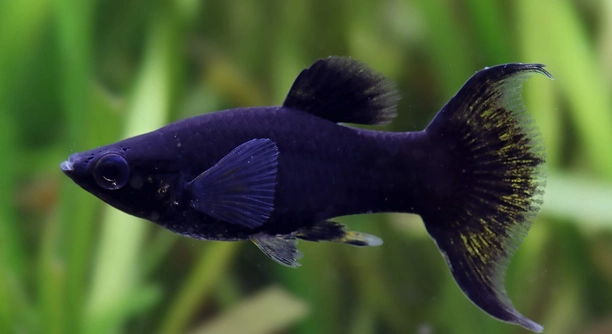
Black Mollies are a popular choice for freshwater aquariums due to their striking appearance and lively behavior. Many owners notice a condition called glass surfing, where these fish persistently swim along tank walls without rest.
Glass surfing in Black Mollies is often caused by factors such as poor water quality, inadequate diet, stress from overcrowding, incorrect tank temperature, insufficient hiding spaces, sudden changes in environment, or the presence of aggressive tank mates. Proper care and monitoring can prevent this behavior.
Identifying the cause of glass surfing early can improve your fish’s health and reduce stress. Understanding these triggers will help create a more comfortable and balanced tank environment.
Poor Water Quality
Maintaining clean water is essential for Black Mollies. Dirty or unbalanced water can stress fish, causing them to glass surf frequently. Ammonia, nitrites, and nitrates that exceed safe levels irritate their gills and disrupt natural behavior. Regular water testing and partial water changes are necessary to maintain a stable environment. Filtration plays a critical role in keeping the tank free from waste buildup, leftover food, and toxins. Even small tanks require careful attention, as changes in water chemistry happen quickly. Black Mollies thrive in well-oxygenated water with stable pH and hardness levels. Aeration from air stones or surface agitation can improve oxygen content. Temperature fluctuations also affect water chemistry, adding stress. Observing your fish closely allows you to notice changes in behavior that indicate water issues before they escalate.
Consistent maintenance, such as weekly water changes, helps prevent stress-induced glass surfing and keeps your fish healthy and active.
Proper water conditions create a stable and comfortable environment. Fish can explore naturally without constant stress, reducing restless swimming behaviors and promoting longer life spans.
Inadequate Diet
A poor diet can lead to glass surfing, as Black Mollies require balanced nutrition. Feeding only flakes or limited foods may leave them deficient in essential vitamins and minerals. They need a mix of high-quality flakes, pellets, and occasional live or frozen foods. Variety supports growth, strengthens the immune system, and reduces stress. Overfeeding can also create problems, contributing to poor water quality and obesity, which affects swimming patterns. Observing eating habits helps identify deficiencies early.
Feeding small portions multiple times a day ensures proper nutrition and prevents leftover food from polluting the tank.
Providing a balanced diet tailored to Black Mollies’ needs keeps them active and healthy. Live foods like brine shrimp stimulate natural hunting instincts, while vegetables such as blanched spinach or zucchini add necessary fiber. Avoid processed foods high in fillers, as they may reduce vitality. By monitoring dietary intake and rotating food types, you can prevent behavioral issues like glass surfing, and your fish will display more natural, calm activity. Proper feeding directly impacts energy levels, overall health, and resistance to stress.
Overcrowding
Too many fish in a tank increases stress and competition for space, which can trigger glass surfing in Black Mollies. Crowded conditions reduce hiding areas and make swimming uncomfortable, leading to restless behavior along the tank walls.
Overcrowding affects water quality, as more waste accumulates faster. It also increases aggression and territorial disputes among fish. Black Mollies need enough room to swim freely, explore, and establish personal zones. When space is limited, dominant fish may chase others, adding to stress levels. Proper stocking according to tank size is essential. Each adult Black Molly typically requires at least two gallons of water, with larger tanks allowing more freedom and reducing behavioral problems. Observation helps identify if glass surfing stems from limited space rather than illness or diet.
Reducing the number of fish or upgrading to a larger tank allows for natural movement. Proper spacing minimizes stress and ensures healthier, calmer fish, which in turn decreases constant glass surfing behaviors.
Incorrect Tank Temperature
Temperature outside the ideal range causes discomfort and stress in Black Mollies, often leading to glass surfing. Water that is too cold slows metabolism, while overly warm water increases activity and oxygen demand, upsetting their balance.
Stable temperature is critical. Black Mollies thrive between 75°F and 82°F. Sudden shifts can shock their system, impair immune function, and trigger constant swimming. Using a reliable heater and thermometer ensures consistency. Avoid placing the tank near drafts, sunlight, or heating vents that create fluctuations. Temperature stress can also weaken resistance to disease and aggravate behavioral issues like glass surfing. Monitoring daily and making gradual adjustments maintains a healthy environment for these sensitive fish.
Maintaining a steady temperature allows Black Mollies to swim calmly, digest properly, and interact naturally. A consistent environment reduces stress responses and supports overall well-being. Stable conditions prevent hyperactivity, restless swimming, and long-term health problems, encouraging a balanced, peaceful tank atmosphere.
Lack of Hiding Spaces
Black Mollies feel vulnerable without places to hide, which can increase stress and trigger glass surfing. Plants, decorations, and caves provide necessary shelter and comfort.
Adding natural or artificial hiding spots helps fish relax. It reduces tension and encourages normal behavior, preventing constant swimming along tank walls.
Sudden Environmental Changes
Abrupt changes, like moving the tank or rearranging decorations, can disturb Black Mollies. These fish rely on stable surroundings and can become stressed when their environment shifts unexpectedly. Stress often shows as increased glass surfing or frantic swimming. Maintaining consistency in their habitat helps them feel secure and reduces erratic behavior.
Aggressive Tank Mates
Aggressive fish can intimidate Black Mollies, leading to stress-induced glass surfing. Constant chasing or nipping forces them to swim along the tank edges to avoid conflict.
Providing compatible tank mates and monitoring interactions prevents stress. Calm species allow Black Mollies to explore freely and remain healthy.
FAQ
Why is my Black Molly constantly glass surfing?
Glass surfing in Black Mollies is usually a response to stress. Common causes include poor water quality, overcrowding, lack of hiding spaces, improper temperature, aggressive tank mates, and nutritional deficiencies. Observing your tank carefully and addressing these factors often reduces the behavior quickly.
Can glass surfing harm my Black Mollies?
Yes, prolonged glass surfing can indicate stress that may weaken their immune system, making them more susceptible to disease. It can also lead to exhaustion and abnormal swimming patterns, so identifying and resolving the underlying cause is important for long-term health.
How can I improve water quality for my Black Mollies?
Regular water changes, testing for ammonia, nitrites, and nitrates, and using a reliable filter all help maintain clean water. Avoid overfeeding, as leftover food breaks down into waste. Aeration and careful monitoring of pH and hardness also create a stable environment.
What is the ideal tank temperature for Black Mollies?
Black Mollies do best in water between 75°F and 82°F. Consistent temperature prevents stress and reduces glass surfing. Using a heater and thermometer ensures stability, while avoiding direct sunlight, drafts, or heating vents helps prevent fluctuations that disturb their comfort.
How much space do Black Mollies need?
Each adult Black Molly requires at least two gallons of water. Overcrowding can increase stress and aggression, contributing to glass surfing. A larger tank gives them room to swim freely, establish territories, and reduces tension among tank mates.
Which foods are best for Black Mollies?
A balanced diet including high-quality flakes, pellets, and occasional live or frozen foods is ideal. Adding vegetables like spinach or zucchini supports digestion. Avoid overfeeding or relying solely on flakes, as poor nutrition can cause stress and restless swimming.
Do tank decorations affect Black Molly behavior?
Yes, lack of hiding spaces increases stress. Plants, rocks, and caves provide shelter and comfort, allowing them to rest and reduce glass surfing. Rearranging the tank suddenly can also stress fish, so keep decorations stable.
Can aggressive tank mates cause glass surfing?
Absolutely. Fish that chase or nip Black Mollies force them to swim along tank walls to escape. Choosing compatible species and observing interactions minimizes stress and promotes calmer behavior.
How long does it take for Black Mollies to stop glass surfing?
The time varies depending on the cause. Improving water quality, providing hiding spots, balancing the diet, and reducing stress typically leads to noticeable improvement within days to weeks. Continuous monitoring ensures lasting results.
Are there health issues linked to glass surfing?
Yes, constant stress from glass surfing can weaken the immune system, making fish prone to infections. It may also indicate underlying problems like parasites, poor water conditions, or malnutrition. Addressing environmental and dietary factors prevents long-term health complications.
How often should I check my tank for problems?
Daily observation is recommended. Look for unusual swimming, changes in appetite, and signs of aggression. Weekly water testing and partial water changes maintain stable conditions. Being proactive helps prevent stress behaviors like glass surfing.
Can I prevent glass surfing entirely?
While occasional glass surfing may occur, consistent care prevents chronic behavior. Providing proper nutrition, adequate space, stable water conditions, compatible tank mates, and hiding spots ensures Black Mollies remain calm and healthy. Regular monitoring keeps stress levels low and behavior normal.
Final Thoughts
Black Mollies are lively and visually striking fish that can bring life to any freshwater tank. Observing them glass surfing can be concerning, but it is usually a sign that their environment or care requires attention. Many factors contribute to this behavior, including water quality, diet, tank size, temperature, and social interactions with other fish. Addressing these aspects can significantly reduce stress and improve the overall health of your Black Mollies. Consistent maintenance and careful observation are key to keeping them comfortable and allowing their natural behaviors to shine.
Ensuring a balanced environment starts with water quality. Regular testing and partial water changes help maintain safe levels of ammonia, nitrites, and nitrates. A stable temperature between 75°F and 82°F prevents stress and supports metabolism. Providing enough space is equally important, as overcrowded tanks increase tension and trigger restless swimming. Plants, decorations, and hiding spots give Black Mollies areas to feel secure and reduce constant glass surfing. A proper diet, with a variety of flakes, pellets, and occasional live or frozen foods, strengthens their immune system and prevents deficiencies. Observing how your fish respond to these changes allows you to identify what works best for them.
Behavioral issues like glass surfing are often preventable with careful attention to the tank setup and daily care routines. Monitoring your fish closely, providing a consistent and comfortable environment, and choosing compatible tank mates all contribute to calmer, healthier Black Mollies. Even small adjustments, such as rearranging decorations gradually or increasing hiding spots, can have a significant effect. While it may take time to see improvement, the effort ensures that your fish enjoy a balanced, low-stress habitat. With patience and proper care, glass surfing can be minimized, allowing your Black Mollies to thrive and display their natural, energetic behaviors with less stress and more vitality.

Hello,
If you enjoy the content that we create, please consider saying a "Thank You!" by leaving a tip.
Every little bit helps us continue crafting quality advice that supports the health, happiness, and well-being of pets around the world, for pets of all shapes, sizes, and species.
We really appreciate the kindness and support that you show us!