
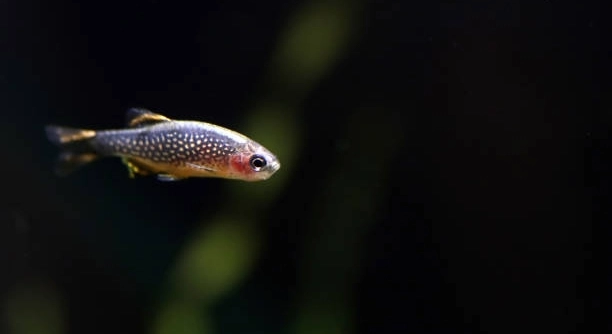
Celestial Pearl Danios are small, vibrant fish that bring life to any freshwater aquarium. Watching them grow can be rewarding, and many enthusiasts look forward to the day they start breeding naturally in a well-maintained tank.
Celestial Pearl Danios typically begin breeding at around six to twelve months of age, depending on water conditions, diet, and tank environment. Proper temperature, pH, and nutrition play key roles in encouraging healthy reproductive behavior.
Understanding their breeding timeline helps ensure a thriving aquarium and a balanced environment for these delicate fish. This knowledge supports both new and experienced fishkeepers alike.
Signs Your Celestial Pearl Danios Are Ready to Breed
Observing your Celestial Pearl Danios closely can reveal when they are ready to breed. Males often become more vibrant, displaying deeper blue and orange hues on their bodies. They start chasing females around the tank, sometimes nudging them gently near plants or breeding mops. Females may develop a slightly rounder belly, signaling that eggs are maturing. Increased activity, paired with calmer, more hidden resting periods, is also a good sign. Feeding them high-quality live or frozen foods like daphnia or brine shrimp can enhance coloration and stimulate reproductive behavior. Tank conditions should be stable, with clean water and consistent temperature, usually between 78-82°F. Providing dense plants or spawning mops offers safe spaces for egg-laying, reducing stress for both males and females. Watching these behaviors can be satisfying, and knowing what to expect prepares you to support successful breeding.
Males display more vibrant colors, chase females, and females show a rounder belly. These are key indicators of readiness.
Timing and observation are crucial. Early detection of these signs ensures the best conditions for healthy egg development and increases the likelihood of successful breeding. Providing proper nutrition and maintaining stable water conditions directly impacts the fish’s willingness to spawn, making preparation essential for success.
Creating the Ideal Breeding Environment
A calm, well-planted tank encourages natural breeding behavior.
Tank setup is critical for Celestial Pearl Danios. A small, densely planted tank with fine-leaved plants or spawning mops allows eggs to attach safely, keeping them away from adult fish who may eat them. Maintaining water temperature between 78-82°F and slightly acidic to neutral pH encourages spawning. Frequent, small feedings of high-protein foods like live daphnia or micro worms improve health and egg quality. Light levels should be moderate, with a gentle day-night cycle to mimic natural conditions. Clean, stable water reduces stress, and partial water changes can help maintain optimal quality. Males may guard areas around plants, displaying courtship behavior. Regular observation helps identify readiness without disturbing the fish. By creating these conditions, the chance of eggs developing successfully increases, giving you a higher yield of fry. Consistent care and attention to detail ensure your Celestial Pearl Danios thrive while reproducing naturally.
Feeding for Successful Breeding
High-quality protein-rich foods encourage Celestial Pearl Danios to breed. Live or frozen options like daphnia, brine shrimp, and micro worms provide nutrients that improve egg production and overall health. Regular feeding supports energy levels necessary for courtship and spawning behaviors.
Feeding multiple small portions throughout the day helps maintain optimal health. Protein-rich diets enhance male coloration, making courtship more effective, and ensure females develop mature, viable eggs. Including a mix of live, frozen, and finely crushed flake foods creates dietary variety, reducing stress and promoting consistent reproductive readiness. Careful attention to feeding routines strengthens the overall condition of the fish and contributes directly to successful breeding outcomes. A balanced diet combined with clean, stable water encourages natural behavior and increases the chances of eggs being fertilized and developing properly.
Even subtle changes in feeding can impact breeding readiness. Overfeeding may lead to water quality issues, while underfeeding can delay egg maturation. Consistency in diet and portion control is critical. Observing how your fish respond to different foods allows you to fine-tune their nutrition, supporting both physical health and reproductive behavior. By prioritizing proper feeding, you create conditions that naturally encourage spawning while keeping the tank environment safe and balanced.
Caring for Eggs and Fry
Removing eggs from adult tanks prevents them from being eaten. Using a separate breeding tank ensures safety and better monitoring.
Fertilized eggs usually hatch within 36-48 hours under ideal conditions. Maintaining stable water temperature and gentle filtration prevents eggs from being damaged. Once hatched, fry require tiny, high-protein foods like infusoria or newly hatched brine shrimp. Frequent small feedings help fry grow steadily and reduce mortality. Monitoring water quality is essential, as ammonia or nitrite spikes can be fatal. Gradually introducing micro foods as they develop ensures they receive sufficient nutrition for healthy growth. Keeping lighting moderate and avoiding sudden changes reduces stress, allowing fry to thrive. Observation and careful maintenance are crucial for successful early development, giving young Celestial Pearl Danios the best start in life.
Common Breeding Challenges
Low water quality can prevent Celestial Pearl Danios from spawning. Stress from overcrowding or sudden changes in temperature may also disrupt breeding patterns. Maintaining a stable, clean environment is essential to encourage natural reproductive behavior.
Males that are too young or weak may fail to court females effectively. Ensuring all fish are healthy and mature increases breeding success. Regular monitoring and careful observation help identify potential issues before they become serious problems.
Selecting Breeding Pairs
Choosing compatible males and females improves fertilization rates. Look for healthy, well-colored fish that display active behavior and minimal signs of illness. Pairing mature individuals ensures better egg quality and higher survival chances for fry.
Maintaining Water Parameters
Stable water parameters are crucial for successful breeding. Keep temperature, pH, and hardness within recommended ranges to reduce stress and support reproductive behavior. Regular testing and gentle adjustments help maintain consistent conditions, ensuring both adults and fry remain healthy and active.
Observing Fry Development
Watching fry grow helps track health and development. Note changes in size, color, and activity to ensure they are thriving. Adjust feeding and tank conditions as needed to support steady growth.
FAQ
How soon can Celestial Pearl Danios breed after reaching maturity?
Celestial Pearl Danios generally start breeding between six and twelve months of age. Males develop brighter colors, and females show a rounder belly when eggs are ready. Breeding readiness depends on consistent water conditions, proper nutrition, and a calm tank environment. Providing high-protein foods and maintaining stable temperature encourages spawning. Observing courtship behavior, such as males chasing females around plants or breeding mops, indicates they are ready. Early attention to these signs ensures eggs are fertilized successfully and fry have a healthy start in life.
What is the best tank setup for breeding Celestial Pearl Danios?
A densely planted tank with fine-leaved plants or spawning mops is ideal. This allows eggs to attach safely, reducing the chance adults will eat them. Water should be kept between 78-82°F, with a slightly acidic to neutral pH. Moderate lighting with a gentle day-night cycle supports natural behavior. Gentle filtration is important to keep water clean without disturbing eggs. Frequent partial water changes help maintain water quality. Providing small hiding spaces reduces stress for both males and females, promoting consistent spawning.
How can I encourage females to lay eggs?
Feeding females a protein-rich diet like live daphnia, brine shrimp, or micro worms encourages egg development. Multiple small feedings daily improve health and energy levels. Keeping water stable and avoiding sudden temperature or pH changes reduces stress, which can delay egg-laying. Dense plants or spawning mops give females secure spots to deposit eggs. Observing the female’s round belly indicates eggs are maturing, and combining this with proper male behavior ensures higher chances of successful spawning.
How long do the eggs take to hatch?
Under ideal conditions, fertilized eggs usually hatch within 36-48 hours. Maintaining a stable temperature and gentle water flow helps prevent eggs from being damaged. Observing eggs closely ensures any unfertilized or fungus-infected eggs can be removed to protect healthy ones. After hatching, fry are tiny and require special care, including high-protein micro foods and frequent feedings. Water quality must remain excellent to prevent mortality.
What do I feed the fry?
Fry need very small, protein-rich foods like infusoria or newly hatched brine shrimp. Feeding several times a day in tiny portions ensures steady growth and reduces waste buildup in the tank. As fry grow, introducing finely crushed flake food or microworms expands their diet. Proper feeding routines are critical for healthy development and survival. Observing their growth helps adjust portion size and frequency. Clean water and consistent feeding schedules increase survival rates, giving young Danios the best start in life.
How do I prevent adult fish from eating the eggs or fry?
Separating eggs and fry from adults is the safest approach. Using a dedicated breeding tank prevents adults from consuming eggs or tiny fry. Providing dense plants or spawning mops in the breeding tank also protects eggs. Minimal disturbance and gentle filtration reduce stress while keeping water quality high. Observing both adults and fry allows you to make adjustments as needed to protect early development.
What water parameters are ideal for breeding and raising fry?
Temperature between 78-82°F, pH slightly acidic to neutral, and stable hardness are ideal. Regular testing and small adjustments prevent stress. Gentle filtration avoids disturbing eggs or fry. Partial water changes maintain water quality without sudden fluctuations. Consistency in water conditions directly affects spawning success and fry survival.
How long before fry reach maturity?
Fry typically take six to twelve months to reach sexual maturity, depending on diet, water quality, and tank conditions. High-protein foods and stable water help them grow steadily. Observing color development and active behavior indicates approaching maturity. Proper care during early growth stages sets the foundation for healthy adults ready to breed in the future.
Are there signs of unhealthy eggs or fry?
Fertilized eggs that turn white or develop fungus are unhealthy and should be removed immediately. Fry that remain inactive, have curved spines, or fail to feed properly may have developmental issues. Maintaining clean water, proper nutrition, and stable conditions reduces these risks. Monitoring closely allows early intervention to improve survival rates.
Can Celestial Pearl Danios breed in community tanks?
Breeding in community tanks is possible but less reliable. Adults and other species may eat eggs or fry. Dense plants can help protect eggs, but separating breeding pairs into dedicated tanks is more effective. Community tanks require close observation and ideal conditions to increase the chance of successful breeding.
How often do they spawn?
Once breeding conditions are ideal, females can lay eggs every one to two weeks. Continuous proper care, stable water, and a nutritious diet allow multiple spawning events. Observing males and females regularly helps track spawning frequency and ensures that both adults and fry remain healthy throughout.
What are common mistakes to avoid during breeding?
Common mistakes include overfeeding, poor water quality, sudden temperature changes, and overcrowding. These factors stress the fish, reducing spawning success and fry survival. Removing eggs from adults too late or insufficient plant coverage also leads to losses. Careful monitoring, stable conditions, and proper nutrition prevent most problems and improve overall breeding outcomes.
How can I improve fry survival rates?
Maintaining clean water, providing small high-protein feedings, and separating fry from adults increase survival. Avoiding sudden changes in temperature or lighting reduces stress. Gradually introducing appropriate micro foods ensures steady growth. Consistent observation and adjusting feeding or tank conditions as needed help fry thrive and reach maturity safely.
Final Thoughts
Breeding Celestial Pearl Danios can be a rewarding experience when the right conditions are provided. These small, colorful fish thrive best in stable, well-maintained environments that mimic natural conditions. Paying attention to water temperature, pH, and hardness is essential for encouraging reproductive behavior. Keeping the tank clean and avoiding sudden changes reduces stress, which is critical for both adult fish and developing fry. A calm, planted environment allows males to display courtship behaviors and females to lay eggs safely. Dense plants or spawning mops give eggs a secure place to attach, preventing adults from eating them and increasing survival rates. Even small adjustments in tank setup can make a noticeable difference in breeding success. Monitoring the fish closely for color changes, activity levels, and physical signs of readiness ensures that breeding occurs at the optimal time. Providing a consistent routine of high-protein foods, including live, frozen, or finely crushed options, supports both overall health and egg development. Proper feeding not only encourages spawning but also strengthens the resilience of fry during early growth stages.
Observing fry after hatching requires patience and careful attention. Newly hatched fry are extremely small and delicate, requiring frequent, tiny portions of specialized foods such as infusoria or newly hatched brine shrimp. Clean, stable water is particularly important at this stage, as even minor fluctuations in temperature or water chemistry can be harmful. Gradually introducing micro foods as the fry grow helps them develop steadily into healthy juvenile fish. Maintaining moderate lighting and a gentle filtration system supports growth while minimizing stress. Removing any unfertilized or fungus-infected eggs prevents contamination and protects healthy fry. Over time, careful monitoring of feeding, water quality, and tank conditions will improve survival rates and ensure fry grow strong. Observing their development closely allows adjustments to be made when needed, creating an environment where young Danios can thrive. This stage of care is as important as breeding itself, because early survival directly affects the future health and maturity of the fish.
Consistency and attention to detail are key factors in successful Celestial Pearl Danio breeding. Each step, from selecting mature, healthy pairs to preparing the tank, feeding adults, and caring for fry, contributes to the overall outcome. Understanding the timing of maturity, recognizing signs of readiness, and creating optimal environmental conditions are all part of effective management. While challenges such as water quality fluctuations, overfeeding, or overcrowding may arise, addressing these promptly ensures a better chance of success. Over time, observing and learning from the fish’s behavior can improve future breeding efforts. Taking a patient, methodical approach allows the fish to reproduce naturally while minimizing stress. With proper care, Celestial Pearl Danios can thrive, providing a visually appealing, active, and healthy addition to the aquarium. Each stage of their life, from courtship and egg-laying to fry development and growth, reflects the importance of stable conditions, proper nutrition, and careful observation, making the process both manageable and rewarding.

Hello,
If you enjoy the content that we create, please consider saying a "Thank You!" by leaving a tip.
Every little bit helps us continue crafting quality advice that supports the health, happiness, and well-being of pets around the world, for pets of all shapes, sizes, and species.
We really appreciate the kindness and support that you show us!