
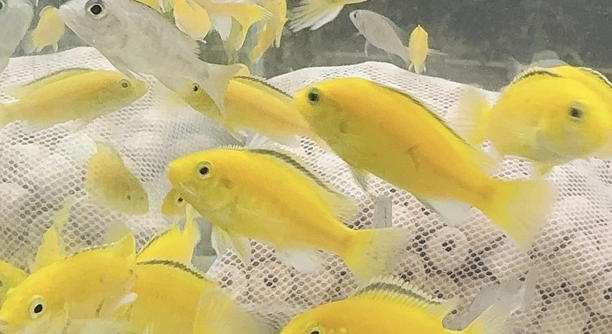
Have you ever noticed the vibrant eyes of your cichlids and wondered what they might reveal about your fish’s health and mood? Eye color can provide subtle clues that are easy to overlook but important to observe.
Cichlid eye color reflects a combination of genetic traits, environmental conditions, and health status. Observing variations in hue, brightness, and patterns can help identify stress, illness, or social hierarchy, offering a valuable tool for effective aquarium management.
Monitoring these details in your cichlid’s eyes can improve care and enhance your understanding of their behavior and well-being. This insight is essential for every dedicated fish keeper.
Understanding Normal Eye Color Variations
Cichlids naturally display a wide range of eye colors depending on their species, age, and genetics. Some have bright red or orange eyes, while others show shades of yellow, gold, or even deep brown. These variations are normal and generally indicate healthy fish. Eye color can change subtly over time, especially as juveniles mature into adults. Seasonal changes or lighting in the aquarium can also affect how the colors appear, making them look more vibrant or muted. Observing these patterns carefully helps you distinguish between natural variations and potential issues. In addition to hue, the brightness and clarity of the eye are important indicators. Healthy cichlids usually have eyes that are clear, round, and free from cloudiness or spots. Changes in color that occur suddenly or appear uneven across both eyes may signal stress, dietary deficiencies, or an underlying illness that requires attention.
Tracking eye color trends over time gives insight into your cichlids’ overall health and environmental comfort.
Being aware of normal variations allows you to identify abnormalities before they become serious problems. Consistent observation is key to maintaining vibrant, healthy fish.
Red Eyes and Their Significance
Bright red eyes are common in certain cichlid species and are often a natural trait.
Red eyes can indicate maturity or dominance in some species. They may also reflect stress, injury, or disease if the redness appears suddenly.
Some cichlids develop intense red eyes as they reach full adult size, often coinciding with territorial behavior. This eye color is influenced by genetics, light exposure, and nutrition. In contrast, a sudden deepening of red may be linked to stress from overcrowding, poor water quality, or aggressive tank mates. Diet can also play a role, as insufficient nutrients sometimes intensify or dull eye coloration. Watching for other signs such as cloudiness, swelling, or unusual behavior is essential to determine whether the red eyes are healthy or a warning sign. Regular water testing, a balanced diet, and proper tank conditions support both eye health and overall vitality. Recognizing the difference between natural coloration and stress-related changes ensures timely care and healthier cichlids.
Yellow and Golden Eyes
Yellow or golden eyes are typical for many cichlid species and usually indicate good health. The intensity can vary depending on age, diet, and lighting.
These eye colors often become more pronounced as cichlids mature. Young fish may have paler eyes that deepen over time, reflecting both growth and increased pigmentation. Light exposure also affects how vibrant the color appears, with stronger lighting enhancing gold and yellow tones. Diet plays a role as well; fish receiving proper nutrition tend to display richer, more vivid colors. Uneven or dull yellow may suggest stress, poor water conditions, or a nutritional deficiency that needs correction. Observing eyes alongside behavior and overall appearance gives a clearer picture of your cichlid’s well-being.
Maintaining consistent tank conditions and a balanced diet helps preserve these natural colors, supporting both health and visual appeal. Monitoring subtle shifts ensures early intervention if problems arise, keeping your cichlids bright and active.
Eye Clarity and Brightness
Clear, bright eyes are a strong indicator of health in cichlids. Cloudiness or dullness can signal issues that need attention.
Eye clarity can reflect water quality, nutrition, and overall health. Cloudy eyes often result from bacterial or fungal infections, poor water conditions, or physical injury. Bright, clear eyes typically indicate that the fish is thriving in its environment. Observing the eye over time allows you to notice gradual changes that may precede more serious health problems. Factors such as tank cleanliness, proper filtration, and a stable environment all contribute to maintaining optimal eye clarity. Proper nutrition rich in vitamins and minerals also supports eye health. Sudden changes in brightness or clarity should prompt careful examination of tank conditions, diet, and potential disease indicators to prevent escalation.
Maintaining bright, clear eyes requires consistent monitoring and care. Paying attention to subtle shifts allows for timely adjustments and ensures your cichlids remain healthy, active, and visually striking.
Dark or Black Eyes
Dark eyes are common in several cichlid species and usually indicate a relaxed or non-dominant state.
A sudden darkening of the eyes can signal stress or illness. Monitoring behavior alongside color changes helps identify underlying issues.
Eye Spots and Patterns
Some cichlids develop spots, rings, or other distinct patterns in their eyes. These patterns are often genetic and serve as visual signals for communication or mating. They can also indicate age, as markings may intensify over time. Environmental factors like lighting and tank background can influence how these patterns appear. Stress or poor nutrition may cause patterns to fade or become irregular, signaling that attention is needed. Observing these details regularly allows for better understanding of social hierarchy, health, and interactions within the tank. Consistency in care helps maintain the natural appearance and vibrancy of these eye patterns.
Swollen or Bulging Eyes
Swollen eyes often indicate injury, infection, or poor water conditions. Immediate action is necessary to prevent worsening health issues.
FAQ
What does it mean if my cichlid’s eyes suddenly turn cloudy?
Cloudy eyes usually indicate a health problem. Common causes include bacterial or fungal infections, poor water quality, or physical injury. It is important to check water parameters, improve filtration, and observe for other signs such as lethargy or loss of appetite. Treating infections promptly with appropriate medication helps prevent further complications. Regular tank maintenance and proper nutrition also support eye health and reduce the likelihood of cloudiness developing.
Why are my cichlid’s eyes redder than usual?
Red eyes can be natural in certain species or indicate stress. Increased redness may appear during mating displays or territorial behavior, reflecting dominance. However, sudden or uneven red coloration could suggest injury, high ammonia levels, or illness. Observe behavior and tank conditions carefully to determine whether the color change is normal or requires intervention. Adjusting water quality, improving diet, and ensuring a calm environment can help manage stress-induced redness.
Is it normal for my cichlid’s eye color to change over time?
Yes, eye color can change as cichlids mature. Juveniles often have paler eyes that deepen as they grow. Changes can also result from seasonal lighting variations, diet, and tank conditions. Consistent observation is key to distinguishing normal changes from signs of stress or illness. Tracking these changes helps you understand your fish’s development and overall well-being.
How can I tell if a cichlid’s eye pattern is genetic or a sign of disease?
Genetic patterns are usually symmetrical and stable over time. Irregular or fading patterns, especially if accompanied by swelling, cloudiness, or behavioral changes, may indicate illness. Maintaining proper water quality and a nutritious diet supports natural eye patterns and can prevent disease-related changes.
Can diet affect cichlid eye color?
Yes, nutrition directly impacts pigmentation and eye vibrancy. Foods rich in carotenoids, vitamins, and minerals help maintain bright and healthy eye coloration. A diet lacking essential nutrients may result in dull or uneven eye colors, making fish more susceptible to stress or disease. Supplementing with high-quality flakes, pellets, or live foods ensures optimal eye health.
Should I be concerned about bulging or swollen eyes?
Bulging eyes usually indicate infection, injury, or poor water conditions. Immediate attention is needed to prevent permanent damage. Check water quality, remove aggressive tank mates, and consider treatment with appropriate medication. Early intervention improves recovery chances and helps maintain the fish’s overall health.
Do lighting and tank setup affect eye color?
Lighting and background can influence how eye colors appear. Strong or natural lighting may enhance red, yellow, or gold tones, while dull lighting can make colors appear muted. Tank decorations and substrate color also play a subtle role. Proper lighting ensures your cichlid’s natural eye coloration remains visible.
How often should I monitor my cichlid’s eyes?
Regular observation is crucial. Checking eyes daily or during feeding routines helps spot subtle changes early. Tracking behavior, color shifts, and patterns over time allows timely intervention if health issues arise. Consistency in monitoring supports long-term eye health and overall vitality.
Can stress affect eye color?
Yes, stress often results in dull or darkened eyes. Causes include overcrowding, aggressive tank mates, poor water quality, or sudden changes in the environment. Reducing stress through stable tank conditions, proper nutrition, and calm surroundings helps maintain natural eye coloration and supports overall health.
Are all changes in eye color dangerous?
Not all changes indicate problems. Natural development, maturity, and species-specific traits often cause gradual shifts. Sudden, uneven, or accompanied changes like swelling, cloudiness, or abnormal behavior require attention. Understanding your fish’s typical coloration helps distinguish normal variation from potential health concerns.
Final Thoughts
Observing cichlid eye color offers valuable insight into their health, behavior, and overall well-being. The eyes can reveal subtle changes that may not be immediately noticeable in other areas of the fish. From natural variations in color and brightness to the appearance of spots, patterns, or redness, careful observation helps distinguish normal traits from potential concerns. Each species has its own range of typical eye colors, and understanding these differences is essential for accurate monitoring. Juveniles may display paler eyes that deepen with age, while adults often show the full intensity of their species-specific coloration. Environmental factors such as lighting, tank setup, and background can also influence how eye colors appear, making it important to observe fish consistently under similar conditions. Paying attention to these details allows for early identification of issues and supports better long-term care.
Maintaining proper water quality, providing a balanced diet, and ensuring a stable environment are key factors in preserving healthy eye color. Poor water conditions, insufficient nutrition, or aggressive tank mates can cause changes such as cloudiness, dullness, swelling, or sudden darkening. Promptly addressing these issues improves not only eye health but also overall vitality. Regular observation is the most effective way to detect changes early, allowing interventions before minor problems develop into serious health concerns. Nutrition plays an important role, as diets rich in vitamins, minerals, and carotenoids support natural pigmentation and maintain bright, clear eyes. Combining consistent tank maintenance with proper feeding practices creates an environment where cichlids can thrive and display their characteristic vibrant colors.
Understanding and monitoring eye color also contributes to recognizing behavioral and social dynamics within the tank. Red or bright eyes can reflect dominance or readiness to breed, while darker or muted colors may indicate stress or submissive behavior. Observing patterns and changes in combination with other behaviors offers a more complete picture of the fish’s health and interactions. While not every shift in eye color is a cause for concern, sudden or irregular changes often signal environmental stress, illness, or injury. By paying attention to these details, it is possible to respond quickly and provide the necessary care. Consistent monitoring, combined with proper nutrition and a well-maintained aquarium, ensures your cichlids remain healthy, active, and visually striking, making their care both rewarding and manageable.

Hello,
If you enjoy the content that we create, please consider saying a "Thank You!" by leaving a tip.
Every little bit helps us continue crafting quality advice that supports the health, happiness, and well-being of pets around the world, for pets of all shapes, sizes, and species.
We really appreciate the kindness and support that you show us!