
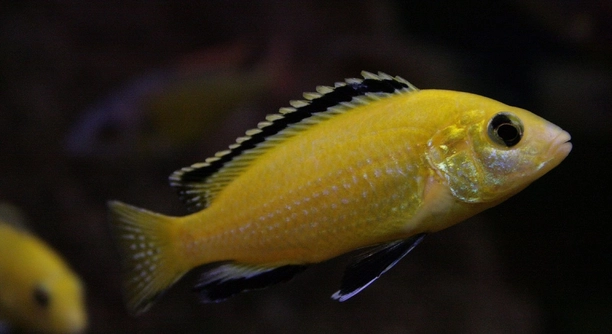
Do your Electric Yellow Cichlids sometimes ignore the flakes you drop into the tank? Observing them swim around the surface or settle at the bottom can help you understand their feeding habits. Proper feeding keeps them healthy.
Electric Yellow Cichlids show a preference for both floating and sinking foods depending on their mood and activity level. Floating foods are often consumed quickly during active periods, while sinking options cater to calmer, bottom-feeding behavior, supporting overall dietary balance.
Knowing which type of food suits your cichlids can improve their health and activity. Small adjustments in feeding can make a noticeable difference in their daily behavior.
Understanding Floating Food Preferences
Floating food tends to attract Electric Yellow Cichlids because it mimics natural prey swimming at the water’s surface. When I first added flakes, I noticed my cichlids rushing to the top instantly. They tend to feed aggressively on floating pellets during daylight hours, which matches their natural behavior. Surface feeding allows them to engage in active swimming, which helps maintain their physical health and mental stimulation. Over time, I realized that variety is important. While floating food is exciting for them, it should not make up their entire diet. Combining it with sinking options ensures that all cichlids, including those less aggressive, get enough nutrition. Observing their reactions to different textures and flavors can provide insight into their preferences. Proper portioning is also essential. Too much floating food can pollute the water quickly. A balanced feeding schedule with both floating and sinking food maintains clean water and healthy fish.
Floating food supports active feeding and encourages cichlids to swim more, promoting overall health and natural behavior.
Using floating food strategically allows you to monitor which cichlids are more dominant and which prefer a calmer approach. Adjusting quantities and timing ensures that all fish get proper nutrition without overcrowding the top of the tank. Overfeeding can lead to waste buildup and stress among less aggressive fish. Floating food also offers an opportunity to introduce enrichment through observation. Watching them interact with surface food highlights their personalities, from bold swimmers to cautious nibblers. For long-term tank health, alternating floating food with sinking pellets keeps their diet varied and complete. Sinking options complement the surface feeding, preventing boredom and encouraging bottom exploration. A combination of feeding types ensures that each fish receives balanced nutrients and maintains consistent energy levels throughout the day. Properly managing feeding routines creates a stable environment that benefits both the fish and the aquarist.
Sinking Food Benefits
Sinking food reaches the bottom dwellers who may miss floating flakes.
Sinking pellets or wafers are essential for Electric Yellow Cichlids, particularly for less dominant individuals that cannot compete at the surface. These foods settle quickly, allowing slower or shy fish to feed without stress. In my experience, adding sinking food improved the overall tank harmony. Fish that normally hide at the bottom became more active during feeding times. Nutritionally, sinking foods are often denser in proteins, vitamins, and minerals, supporting growth and vibrant coloration. They also encourage natural foraging behavior, as cichlids sift through substrate or pick up food directly from the bottom. Rotating between floating and sinking foods prevents diet monotony and ensures that each fish gets a chance to eat. This approach reduces aggression, as dominant surface feeders are occupied, allowing calmer fish to thrive. Observing how each fish responds to sinking food helps refine portion sizes and feeding schedules, contributing to a balanced tank environment. Regular use of sinking foods enhances both physical health and social stability within the aquarium.
Feeding Frequency and Timing
Feeding Electric Yellow Cichlids two to three times daily helps maintain energy without overfeeding. Small, consistent portions prevent leftover food from polluting the tank and reduce stress among less dominant fish. Timing feeds around their active periods yields the best results.
Observing my cichlids’ behavior, I noticed they respond best to feeding in the morning and late afternoon. Dividing their daily ration into smaller meals ensures that every fish eats without overcrowding at the surface or bottom. Overfeeding in one sitting often led to uneaten food, which caused water quality issues. By spacing meals and monitoring portion sizes, I could maintain a cleaner tank and healthier fish. The consistency of feeding times also helped regulate their natural activity patterns. Adjusting the amount based on fish size and tank population ensures each cichlid receives adequate nutrition.
Timing and portion control are crucial for long-term health. I learned that even a slight overfeed can stress the fish, while smaller, frequent meals support growth and activity. Keeping a feeding schedule reduces conflict and encourages calmer, more predictable behavior in the aquarium. It also allows me to notice changes in appetite, which often signals health issues early. Combining these practices with varied food types, including both floating and sinking options, ensures a balanced diet. Observing their reactions during feeding times informs future adjustments to quantity and timing, optimizing nutrition and maintaining water quality effectively.
Observing Feeding Behavior
Watching your cichlids closely during feeding helps identify preferences and aggression patterns. Some fish rush to the top, while others linger at the bottom waiting for sinking food.
Tracking feeding behavior over weeks reveals individual habits and social dynamics. Aggressive fish dominate floating food, often leaving slower fish behind. I started noting which fish consistently missed meals and adjusted by adding more sinking pellets. This approach reduced stress and competition. Observation also helps detect early signs of illness, like reduced appetite or slow movement. By understanding how each cichlid interacts with different food types, I could optimize feeding methods and ensure balanced nutrition. Adjustments based on these observations improved tank harmony and encouraged healthier growth and coloration.
Noting individual differences ensures all fish receive adequate food without causing unnecessary stress. I found that combining floating and sinking foods while monitoring each feeding allowed me to meet dietary needs and maintain social balance. Watching interactions also highlighted dominant and shy fish, informing how to separate or adjust portions if necessary. Feeding adjustments based on behavior improved overall activity and reduced aggression, making the tank environment more predictable. This method allows for early detection of health issues while fostering a calmer, more balanced community. Consistent observation became an essential tool for managing both diet and behavior effectively.
Choosing the Right Food Type
Floating flakes are ideal for active cichlids that feed at the surface, while sinking pellets benefit calmer fish and bottom dwellers. Offering both ensures all fish get sufficient nutrition without creating competition or waste.
Switching between floating and sinking foods also prevents boredom and encourages natural foraging. I noticed my fish became more energetic when their diet included variety. Regularly observing their reactions helped me adjust portions and frequency, keeping the tank balanced and clean.
Balancing Nutrition
A combination of floating and sinking foods ensures that Electric Yellow Cichlids receive proteins, vitamins, and minerals essential for growth and color. Relying solely on one type risks deficiencies and uneven feeding. Balanced nutrition improves immunity and supports active behavior throughout the day.
Monitoring Water Quality
Uneaten floating or sinking food can quickly pollute the tank, affecting fish health. Regular observation and proper portion control prevent water contamination and maintain a stable environment.
FAQ
Do Electric Yellow Cichlids prefer floating or sinking food?
Electric Yellow Cichlids do not strictly prefer one type. Floating food attracts active fish at the surface, while sinking pellets benefit bottom feeders or less dominant individuals. I noticed that providing both types helps all fish eat adequately and reduces stress from competition. Feeding a variety supports balanced nutrition and natural behavior.
How often should I feed my Electric Yellow Cichlids?
Feeding two to three times daily in small portions works best. I divide their daily ration into smaller meals to prevent overeating and water pollution. This also allows calmer or slower fish to access food without conflict, ensuring each fish receives enough nutrition and the tank stays clean.
Can overfeeding floating food harm my cichlids?
Yes. Overfeeding floating flakes leads to leftover food at the surface, which can pollute the water quickly. I learned to watch their consumption closely, removing uneaten pieces. Consistently overfeeding can stress fish, trigger aggressive behavior, and affect water quality, making portion control essential.
Are sinking foods necessary if I already use floating flakes?
Absolutely. Even when flakes are provided, sinking pellets ensure less aggressive fish can feed. I observed shy fish often miss out on surface food, so sinking options prevent malnutrition. Rotating food types also encourages natural foraging behavior and reduces tank conflicts.
How do I know if my cichlids are getting enough food?
Healthy, active fish with vibrant coloration usually indicate proper feeding. I watch for consistent appetite and energy. If some fish remain thin or avoid the main feeding area, I adjust portions or add sinking food to ensure every fish gets the nutrition it needs.
Can diet affect their color and growth?
Yes, proper nutrition directly impacts growth rate and coloration. I noticed brighter yellow tones when my cichlids received a mix of protein-rich sinking pellets and nutrient-rich floating flakes. A varied diet with essential vitamins and minerals promotes healthy development and enhances their natural coloration.
Should I remove leftover food immediately?
Yes, removing uneaten food prevents water contamination. I use a small net or siphon after feeding to collect any remaining flakes or pellets. This keeps ammonia levels low, reduces algae growth, and maintains a stable environment, which supports fish health and activity.
Is it okay to feed them only once a day?
Feeding only once can work for some adult cichlids, but it risks uneven access and overeating in dominant fish. I found smaller, more frequent meals reduce stress, prevent waste buildup, and maintain consistent energy levels throughout the day. Daily observation is key to adjusting frequency.
Can cichlids eat homemade or natural foods?
Yes, occasional treats like brine shrimp or chopped vegetables are safe. I supplement their pellets with these options for variety, but I ensure they are finely chopped and fed in moderation to avoid water pollution. Natural foods can enhance color and provide enrichment.
What is the best way to introduce new food?
Introduce one type at a time and observe reactions. I gradually added sinking pellets alongside flakes to allow all fish to adapt. Monitoring feeding behavior ensures no fish misses meals and helps identify any preferences, maintaining a balanced and healthy diet for the entire tank.
How do I balance floating and sinking food in one meal?
I usually start with floating flakes for active fish, then follow with sinking pellets for bottom dwellers. This approach reduces competition, ensures every fish eats, and promotes natural feeding patterns. Adjusting portions based on tank population and individual behavior keeps feeding efficient and fair.
Can feeding habits indicate health problems?
Yes. Sudden changes in appetite, avoidance of food, or unusual behavior during feeding often signal stress or illness. I watch for these signs closely. Early detection allows intervention before conditions worsen, improving chances for recovery and maintaining overall tank health.
Are there times of day when feeding is better?
Morning and late afternoon work best. I observed my cichlids are most active during these periods. Feeding during peak activity encourages natural swimming behavior, reduces aggression, and ensures all fish get access to both floating and sinking foods efficiently.
Should I mix floating and sinking food in one container?
It is better to feed separately. I noticed mixing sometimes causes dominant fish to consume both, leaving shy fish without food. Feeding sequentially—floating first, then sinking—ensures a balanced diet and minimizes conflict, supporting healthier growth and tank harmony.
Can changing food types suddenly stress the fish?
Sudden changes can cause hesitation or refusal to eat. I gradually introduce new foods, mixing small amounts with familiar options. Observing their response ensures they adapt without stress, maintaining proper nutrition and encouraging consistent feeding behavior.
Do cichlids eat more when they are breeding?
Yes, breeding fish often eat more due to increased energy needs. I provide slightly larger portions but monitor consumption closely to prevent leftovers. Feeding both floating and sinking options ensures all breeding and non-breeding fish receive adequate nutrition without water quality issues.
Is it okay to leave floating food in the tank overnight?
No, leftover floating food can decompose quickly, harming water quality. I remove uneaten flakes within minutes after feeding. Maintaining clean water prevents ammonia spikes, reduces algae, and supports healthy cichlids, ensuring a stable and safe environment for the entire tank.
How do I adjust feeding for young cichlids?
Juveniles require smaller, more frequent meals. I crush flakes or provide micro-pellets to ensure they can eat comfortably. Feeding multiple times daily promotes growth, reduces competition, and ensures each young cichlid receives sufficient nutrients without overwhelming the tank’s filtration.
What should I do if some fish refuse a certain type of food?
Observe and offer alternatives. I noticed some cichlids prefer sinking pellets over flakes. Providing a mix ensures no fish goes hungry. Gradually reintroducing the rejected food can help adapt their taste, but always monitor behavior to avoid stress or aggression.
Can diet influence tank aggression?
Yes, feeding practices affect social behavior. I found that consistent portioning, combined with both floating and sinking foods, reduces surface competition. Ensuring all fish access food fairly prevents dominance struggles and promotes calmer interactions throughout the tank.
Are there signs my fish prefer floating over sinking food?
Active swimming at the surface and rapid consumption of flakes are clear indicators. I noticed that when floating food was available, certain dominant fish rarely approached the bottom. Observing these patterns helps tailor feeding strategies and ensures balanced nutrition for all fish.
How do I handle a mixed-species tank with Electric Yellow Cichlids?
Feed both floating and sinking foods strategically. I separate portions to ensure cichlids and other species have equal access. Observing feeding behavior allows adjustments to portions and timing, reducing stress and aggression while maintaining nutritional balance across species.
Is pellet size important?
Yes. I use appropriately sized sinking pellets for adult cichlids and smaller ones for juveniles. Correct pellet size ensures easy consumption, reduces waste, and prevents choking, promoting efficient feeding and healthier growth.
Can feeding habits help identify dominant fish?
Yes. Dominant fish often consume floating food quickly and may chase others away. I noticed tracking feeding patterns highlights hierarchy, which informs portion adjustments and timing to ensure shy or less dominant fish still get adequate nutrition.
Should I change feeding times on weekends or vacations?
Maintaining a consistent schedule is better. I set automatic feeders to mimic regular timing. Sudden changes disrupt feeding behavior and may stress the fish, so consistency ensures balanced access to both floating and sinking foods.
How can I tell if a sinking pellet is high quality?
High-quality pellets sink steadily, retain shape, and contain visible protein sources. I avoid pellets that dissolve quickly or leave residue, as these affect water quality. Proper nutrition supports growth, color, and overall fish health.
Are there seasonal feeding adjustments needed?
Seasonal changes can influence activity. I slightly reduce portions in cooler months when metabolism slows, but maintain both floating and sinking food options. Monitoring behavior ensures fish remain healthy and receive adequate nutrition throughout the year.
Can floating and sinking foods be used for training or enrichment?
Yes. I occasionally place food in different tank areas to encourage exploration and activity. Floating flakes promote surface chasing, while sinking pellets stimulate bottom foraging. This keeps feeding engaging and supports natural behavior patterns.
Is it better to feed one type of food exclusively for a week or mix daily?
Mixing daily works best. I rotate floating and sinking foods each meal to prevent boredom and ensure all fish receive balanced nutrition. Exclusive feeding may favor dominant fish or leave some individuals underfed, affecting growth and coloration.
How important is observation during feeding?
Observation is crucial. Watching how each fish reacts to floating and sinking foods allows me to adjust portions, timing, and types. It also helps detect early signs of stress, illness, or dominance issues, ensuring a healthier, more balanced tank environment.
What is the best way to store floating and sinking foods?
Keep both in a cool, dry place, sealed to prevent moisture and degradation. I label containers and rotate stock to maintain freshness. Proper storage preserves nutrient content and prevents spoilage, supporting consistent health and color in my cichlids.
How do I transition cichlids to new food types?
Gradually mix small amounts of new food with familiar types. I observed that slow introduction avoids rejection and stress. Monitoring feeding ensures all fish adapt successfully, maintaining a balanced diet without sudden disruptions to their eating behavior.
Can stress affect feeding preferences?
Yes. Stressed fish may avoid floating food or retreat from feeding areas. I noticed that reducing aggression and providing both floating and sinking options helps stressed individuals eat comfortably, supporting recovery and overall health.
Are live foods better than pellets?
Live foods are enriching but not necessary daily. I offer them occasionally to supplement protein and stimulate natural hunting behavior. Combining live, floating, and sinking foods ensures a balanced diet without compromising water quality or overall tank stability.
How do I prevent dominant fish from eating all the food?
Feed floating and sinking foods sequentially and in multiple locations. I observed that spreading food throughout the tank reduces competition and allows shy or slow fish to access both types, maintaining fair nutrition and minimizing stress.
Can feeding methods affect breeding success?
Yes. Balanced diets with floating and sinking foods provide necessary energy and nutrients for breeding pairs. I noticed healthier fry and more consistent spawning when fish received varied, well-portioned meals. Nutrition directly influences reproductive health and survival rates.
Should I adjust feeding if water temperature changes?
Slight adjustments are beneficial. Warmer water increases metabolism, requiring slightly larger portions. Cooler water slows appetite. I monitor feeding closely and adjust floating and sinking portions to maintain proper growth and activity levels without overfeeding.
Is it safe to use treats like freeze-dried foods?
Yes, in moderation. I use freeze-dried shrimp or bloodworms occasionally. They complement floating and sinking foods but should not replace a balanced diet, as excessive treats can unbalance nutrition and affect water quality.
Can feeding frequency change as fish age?
Yes. Juveniles need frequent small meals, while adults do well with two to three meals daily. I adjust portion size and frequency accordingly to ensure growth, health, and balanced nutrition throughout their lifespan.
How do I handle picky eaters?
Offer variety and observe preferences. I mix floating and sinking foods, gradually introducing new types. Ensuring that shy or selective fish receive food reduces stress and promotes balanced nutrition without compromising tank cleanliness.
Are there risks in feeding too many sinking foods?
Excess sinking food can accumulate at the bottom, polluting water. I monitor portions and remove uneaten pellets quickly. Balanced feeding prevents waste buildup, maintains water quality, and supports healthy fish behavior and growth.
Does tank size affect feeding strategies?
Yes. Larger tanks require multiple feeding points to ensure all fish access floating and sinking foods. I place portions in different areas to reduce competition, support natural swimming behavior, and maintain balanced nutrition for the entire population.
Can diet changes influence aggression?
Yes. Balanced feeding reduces surface competition and aggression. I noticed calmer behavior when I provided both floating and sinking foods and distributed them evenly. Proper nutrition and feeding strategies help maintain social stability and overall tank harmony.
Is feeding by hand beneficial?
Occasional hand feeding encourages interaction and observation. I use it to monitor individual consumption and behavior, but rely on regular floating and sinking food schedules for consistent nutrition. Hand feeding is supplemental rather than a primary method.
How do I handle food sinking too fast or floating too long?
Choose appropriate pellet sizes and formulations. I noticed that quality floating flakes stay at the surface long enough for active fish, and sinking pellets settle steadily for bottom feeders. Correct selection ensures all fish can feed effectively without waste.
Can stress from water changes affect feeding?
Yes. I observed that freshly changed water sometimes reduces appetite temporarily. Maintaining a consistent feeding schedule and offering both floating and sinking foods helps fish regain normal eating behavior quickly.
Should feeding be adjusted for a crowded tank?
Yes, I increase portions slightly and distribute food at multiple points. Floating flakes reach surface feeders, while sinking pellets ensure bottom dwellers eat. Proper adjustments prevent malnutrition and reduce stress from overcrowding.
Can dietary supplements improve color?
Yes. Adding supplements with carotenoids or vitamins enhances yellow coloration. I mix them with floating or sinking foods, providing nutrients that support vibrant color and overall health.
How do I avoid overfeeding in a multi-tank setup?
Feed each tank separately, observing consumption closely. I portion floating and sinking foods according to population, avoiding excess that could pollute water or lead to uneven nutrition.
Is it necessary to weigh food portions?
Not always, but measuring ensures consistency. I use a small scoop for floating flakes and sinking pellets to prevent overfeeding and maintain balanced nutrition for all fish.
Can feeding times be used to train fish?
Yes. Fish learn schedules and become more predictable during feeding. I noticed that consistent floating and sinking food routines reduce stress and encourage natural activity patterns in the tank.
What is the impact of skipping a meal occasionally?
Occasionally skipping a meal is generally safe for adults, but juveniles need regular feeding. I rarely skip meals, as consistent floating and sinking food routines maintain energy levels, growth, and overall health.
How long can floating or sinking food be left in the tank?
Floating food should be consumed within minutes, sinking food within an hour. I remove leftovers to prevent water pollution, maintain healthy fish, and support clean tank conditions.
Are certain floating foods better than others?
High-protein flakes that remain intact at the surface work best. I avoid flimsy flakes that dissolve too quickly. Proper floating food encourages active feeding and supports energy and growth.
How do I prevent disease through feeding?
Feed balanced, high-quality floating and sinking foods in proper portions. I remove uneaten food promptly and maintain clean water. Good nutrition strengthens immunity, reducing susceptibility to disease.
Can feeding habits affect tank maintenance?
Yes. Overfeeding or uneven feeding increases waste and algae growth. I adjust floating and sinking food portions carefully to maintain water quality, reducing cleaning frequency and supporting a healthier environment.
Should I feed different foods for morning and evening meals?
I alternate types sometimes. Floating flakes in the morning stimulate activity, while sinking pellets in the evening allow calmer fish to eat. This balance ensures nutrition and reduces competition, keeping all fish healthy and active.
Do feeding techniques influence social behavior?
Yes. Distributing floating and sinking foods evenly reduces dominance conflicts. I noticed calmer interactions and better access for shy fish, improving overall tank harmony and promoting natural feeding behavior.
How do I handle fish that hoard food?
Observe and remove excess. I noticed dominant fish occasionally push others away from floating flakes. Adding more feeding points and sinking pellets ensures all fish receive adequate nutrition without stress.
Is it okay to mix dry and live foods?
Yes, combining them occasionally provides variety. I supplement floating and sinking foods with small amounts of live food to enhance protein intake and encourage natural hunting instincts without overloading the tank.
Can diet affect lifespan?
Balanced feeding with floating and sinking foods contributes to longevity. I found that consistent nutrition, portion control, and clean water help Electric Yellow Cichlids live longer, healthier lives with vibrant coloration and active behavior.
How do I adjust feeding for sick fish?
Offer easily digestible sinking foods in small portions. I isolate or monitor them closely to ensure proper intake. Gentle feeding supports recovery without stressing the tank’s social dynamics.
Are there feeding methods to reduce stress during tank introductions?
Yes. I provide multiple feeding points with floating and sinking foods to reduce competition. Gradual feeding and careful observation help new fish adapt without aggression or nutritional deficits.
How do I store leftover floating and sinking foods safely?
Keep them sealed, dry, and cool. I rotate stock to maintain freshness. Proper storage preserves nutrient content, preventing spoilage and maintaining fish health.
Can feeding behavior predict temperament?
Yes. Dominant fish eat first and chase others, while shy fish wait for sinking pellets. Observing these patterns helps adjust feeding strategies and manage tank harmony effectively.
What is the ideal balance between floating and sinking foods?
Approximately half of each type works for most tanks. I adjust based on fish behavior and hierarchy, ensuring all individuals access sufficient nutrition without excess waste.
Do cichlids need dietary changes as they age?
Yes. Juveniles require smaller, frequent meals; adults need larger portions less often. Adjusting floating and sinking food ensures proper growth, health, and coloration at every stage of life.
Can feeding influence aggression during breeding?
Balanced nutrition reduces conflict. I provide both floating and sinking foods to support energy needs while preventing dominant fish from monopolizing meals, maintaining calmer interactions and improving reproductive success.
How do I know if a food type is being ignored?
Observe feeding sessions. If flakes or pellets remain untouched consistently, I adjust type, portion, or presentation. Alternating floating and sinking foods ensures all fish receive proper nutrition without waste.
Are frozen foods safe for cichlids?
Yes, thawed properly before feeding. I supplement floating and sinking foods with occasional frozen shrimp or bloodworms, providing protein and variety without affecting water quality.
Can overfeeding sinking pellets cause bottom decay?
Yes. Uneaten pellets settle and decompose. I monitor portions closely and remove leftovers to maintain water quality, preventing algae growth and ammonia spikes.
Should I feed smaller fish differently?
Yes. Juveniles need finely crushed flakes or micro-pellets. I feed more frequently in small amounts to ensure adequate growth while preventing waste and maintaining tank cleanliness.
Can changing food textures improve appetite?
Yes. I alternate between soft flakes, hard pellets, and occasional live foods. Varied textures stimulate interest and encourage feeding, ensuring balanced nutrition and healthier, more active fish.
Is it better to observe feeding from outside the tank or inside?
Observation from outside works well. I watch how floating and sinking foods are consumed, noting aggression and preferences. This helps adjust portions and feeding locations to suit all fish.
Electric Yellow Cichlids thrive best when their feeding routine balances both floating and sinking foods. Observing their behavior during meals helps identify which fish prefer surface feeding and which rely more on bottom food. By offering a combination, every cichlid in the tank has a chance to access proper nutrition. I noticed that fish who are usually shy or less dominant become more confident when sinking pellets are included in their diet. Meanwhile, the more active and dominant fish continue to enjoy floating flakes without causing conflict. This balance reduces stress in the tank and encourages natural behavior patterns, which is important for maintaining a healthy community of fish. Feeding variety also keeps the fish engaged, as they interact differently with floating and sinking options. It became clear that neglecting one type of food often results in competition, uneven growth, and sometimes behavioral issues, so maintaining both is essential.
Proper portion control and feeding frequency are just as important as the type of food provided. I feed my cichlids two to three times a day, in smaller amounts, to prevent leftover food from polluting the water. Overfeeding, even with high-quality flakes or pellets, can lead to increased waste, cloudy water, and higher ammonia levels, which are harmful to fish. Smaller, frequent meals ensure that all fish can access food without overcrowding or aggression. Monitoring consumption during each feeding allows adjustments to portions when necessary, and observing how quickly the fish eat gives a clear indication of their appetite and overall health. By maintaining consistent feeding times and carefully measuring the amounts offered, I’ve noticed that the fish remain active, vibrant, and healthier over time. In addition, rotating between floating and sinking foods ensures that the cichlids receive a variety of nutrients, supporting growth, immunity, and coloration.
Finally, watching feeding behavior closely provides insights beyond nutrition. It can reveal social dynamics, hierarchy, and potential health issues. I have found that dominant fish often rush to floating food while shy fish wait for sinking pellets. Adjusting food distribution and portion sizes based on these observations helps create a calmer environment where every fish can eat safely. Changes in appetite or unusual behavior during feeding often signal stress or illness early, allowing me to take corrective actions before problems escalate. Consistently offering a mix of floating and sinking foods, paired with careful observation and proper feeding routines, ensures the overall well-being of Electric Yellow Cichlids. This approach creates a balanced, healthy tank where the fish thrive, remain active, and display vibrant coloration, making them more enjoyable to maintain and watch daily.

Hello,
If you enjoy the content that we create, please consider saying a "Thank You!" by leaving a tip.
Every little bit helps us continue crafting quality advice that supports the health, happiness, and well-being of pets around the world, for pets of all shapes, sizes, and species.
We really appreciate the kindness and support that you show us!