
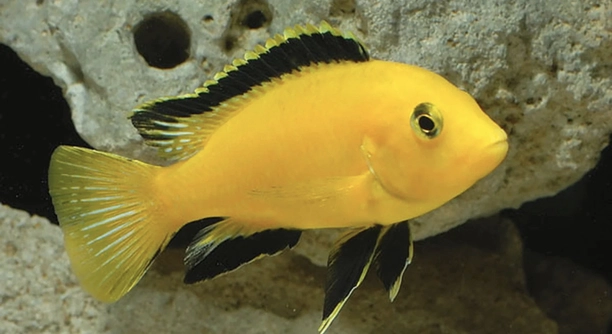
Young cichlids display a wide range of behaviors as they grow, many of which are unlike those of adult fish. Observing these early feeding habits can reveal fascinating insights into their development and survival strategies.
Young cichlids exhibit feeding behaviors that are highly specialized and adapted to their size and environment. These include substrate sifting, parental food transfer, selective grazing, and opportunistic hunting, all of which ensure nutrient intake and support early growth.
Understanding these unique habits helps aquarists provide better care and create environments that match the natural feeding patterns of these fish.
Substrate Sifting Behavior
Young cichlids often engage in substrate sifting, moving sand or gravel with their mouths to find edible particles. This behavior is instinctive and helps them uncover small invertebrates, algae, or other food sources hidden in the substrate. It is a constant activity in many species, and it also aids in developing jaw strength and coordination. Observing this behavior provides insight into their natural feeding patterns and how they interact with their environment. Aquarists can support this by offering a soft substrate and fine particulate food to encourage natural foraging.
Substrate sifting is a natural way for young cichlids to explore and feed efficiently, reflecting their adaptive strategies in early development.
Providing a variety of fine particles and ensuring a suitable substrate promotes active feeding. This behavior is more than just for food—it also stimulates mental activity and physical growth. Young cichlids using this method are learning to recognize edible items while maintaining energy, helping them thrive in a captive setting. By observing sifting closely, aquarists can identify healthy feeding habits and notice any irregularities that might indicate stress or dietary deficiencies, ensuring proper care and growth.
Parental Food Transfer
Many cichlid species exhibit parental food transfer, where adults pass partially digested food directly to their fry.
This behavior ensures that young cichlids receive high-quality nutrition before they can effectively feed on their own. Parents may regurgitate food or provide morsels in ways that encourage learning to eat solid items. It is common in species with strong parental care, and it also strengthens the bond between adults and their offspring. Fry benefit from this early nutritional boost, which improves survival rates and supports rapid growth during the critical early weeks of life. Observing food transfer can reveal much about both species-specific parenting behaviors and early fry feeding strategies.
Parental food transfer is critical for the survival of young cichlids. The method ensures fry access to nutrients that are otherwise difficult to obtain. Fry are more likely to thrive when parents provide consistent feeding support, particularly in species where young cannot yet forage effectively on their own. This feeding strategy also teaches fry how to recognize edible items and may influence their future feeding patterns. For aquarists, understanding the timing and frequency of parental food transfer allows better management of tank conditions, ensuring fry receive adequate nutrition while minimizing stress. It is a clear example of natural adaptation, demonstrating how cichlids have evolved strategies to maximize the growth and survival of their young in diverse aquatic environments.
Selective Grazing
Young cichlids often pick and choose specific algae or plant matter instead of eating everything available. This targeted feeding ensures they get the nutrients they need and helps them avoid potentially harmful substances.
Selective grazing allows fry to focus on high-quality food items, developing their digestive efficiency and feeding skills. They quickly learn which algae or plant bits provide energy and essential vitamins, which is important in both wild and captive settings. This behavior also reduces competition among siblings, as each fish finds the resources that suit it best. In aquariums, offering a variety of edible surfaces encourages natural grazing and supports healthy growth. Observing which foods are preferred can guide feeding choices and improve overall fry health, promoting a balanced diet.
This behavior also teaches young cichlids how to navigate their environment while feeding. By identifying specific items to consume, they develop sensory recognition and motor skills needed for foraging. Over time, selective grazing shapes their feeding patterns, influencing adult dietary habits and social interactions. Providing a mix of natural and supplemental foods supports this instinct and enhances growth. It also helps aquarists monitor preferences and detect changes in health or stress levels through shifts in grazing patterns.
Opportunistic Hunting
Young cichlids are quick to seize moving prey, such as tiny insects or crustaceans, demonstrating instinctive hunting behavior. They rely on speed and precision to capture these meals.
Opportunistic hunting is essential for fry, as it supplements their diet with protein-rich food that supports rapid growth. They learn to track movement, judge distance, and coordinate their body for successful strikes. This behavior also helps improve reflexes and strengthens muscles. In tanks, live or frozen foods that mimic natural prey encourage hunting skills, providing both nutrition and enrichment. Observing hunting patterns can reveal activity levels, alertness, and overall health, making it a valuable behavior for assessment.
Hunting teaches young cichlids independence in feeding. Early exposure to small prey items allows them to develop strategies for capturing food efficiently. It also reduces reliance on parents or prepared diets, which is important in species that disperse quickly. Maintaining varied prey types ensures they receive a balanced intake of proteins, fats, and other nutrients. Consistent hunting opportunities improve confidence, agility, and mental stimulation, helping fry adapt to complex environments. This feeding style, combined with other behaviors like grazing and sifting, illustrates the multifaceted ways cichlids grow and thrive during their early development.
Mouthbrooding Behavior
Some young cichlids continue feeding while being carried in their parents’ mouths. This allows them to stay protected while receiving nutrition.
Mouthbrooding ensures fry survival during vulnerable stages. It reduces exposure to predators and gives consistent access to food provided by the parent, supporting steady growth and development.
Bubble Nest Feeding
Fry of certain species feed directly from bubble nests created by adults. These nests contain eggs, fry, and sometimes food particles, allowing a safe and concentrated feeding area. The behavior promotes early social interaction and helps fry learn feeding techniques in a protected environment.
Opportunistic Surface Snacking
Young cichlids frequently take floating particles from the water surface. This provides easy access to food while helping them learn to identify edible items above the substrate.
Sibling Mimicking
Fry often imitate feeding behaviors of nearby siblings. By copying successful techniques, they increase their efficiency in locating and consuming food. This social learning accelerates skill development and helps ensure all siblings can obtain adequate nutrition in a competitive environment.
FAQ
What should I feed young cichlids to encourage natural behaviors?
Young cichlids benefit from a variety of foods that mimic their natural diet. Fine particles, small live or frozen prey, and algae sheets help support substrate sifting, selective grazing, and opportunistic hunting. Providing multiple food types encourages natural foraging and reduces competition among fry. Consistency in feeding times and portion sizes helps fry develop routine eating habits and supports steady growth. Observing which foods are preferred allows adjustments to ensure proper nutrition while promoting healthy feeding behaviors.
How often should young cichlids be fed?
Fry require frequent, small meals throughout the day to maintain energy levels and support rapid growth. Feeding two to four times daily is generally effective, depending on the species and tank conditions. Overfeeding can cause water quality issues, while underfeeding may stunt growth and increase aggression among siblings. Monitoring the amount consumed during each feeding helps maintain balance and encourages active foraging behaviors. Adjustments may be necessary as fry grow and their dietary needs change.
Is it necessary to provide live food?
Live food is highly beneficial for young cichlids because it stimulates hunting and tracking instincts. Daphnia, brine shrimp, and micro-worms encourage opportunistic hunting, surface snacking, and selective grazing. While not strictly required, live food increases activity levels and supports muscle and sensory development. In combination with high-quality prepared foods, it ensures fry receive balanced nutrition and encourages natural feeding behaviors that can be observed over time.
Can fry survive without parental care?
Some cichlid species can survive without direct parental care if appropriate feeding and environmental conditions are provided. Mouthbrooded species, however, rely on adult protection and food transfer for early development. In captivity, closely monitoring fry and offering frequent, appropriate meals can mimic parental support, ensuring survival even without direct adult involvement. Observing fry behavior helps identify which species require more care and which are more independent.
How can I encourage substrate sifting and grazing in an aquarium?
Providing a soft, sandy substrate with scattered fine particles or algae encourages natural sifting and grazing behaviors. Adding edible surfaces, such as algae wafers or vegetable slices, allows fry to practice selective feeding. Rotating food types and textures keeps feeding engaging, promotes skill development, and ensures fry receive adequate nutrients. This setup also allows aquarists to observe natural foraging behaviors, detect irregularities, and adjust care as needed.
What signs indicate that young cichlids are feeding well?
Active swimming toward food, regular substrate sifting, grazing on algae, and successful hunting of small prey indicate healthy feeding. Fry should show steady growth, bright coloration, and interaction with siblings during feeding. Sudden changes in behavior, lethargy, or reduced interest in food may signal stress, illness, or dietary deficiencies. Maintaining consistent observation ensures that issues are addressed promptly.
Should I separate fry from adults for feeding?
Separation depends on the species and their parental care strategy. Fry in aggressive or territorial tanks may benefit from temporary separation to ensure food access. Mouthbrooding species generally remain with adults until ready to fend for themselves. Using mesh dividers or rearing tanks allows controlled feeding while reducing stress and competition, supporting growth and development.
How does social behavior affect feeding?
Young cichlids often learn feeding techniques from siblings, improving efficiency and skill development. Social interactions can encourage competitive but constructive feeding, while overcrowding may lead to stress and missed meals. Observing fry in groups helps identify optimal densities and ensures all individuals receive adequate nutrition.
What are common mistakes to avoid when feeding fry?
Overfeeding, inconsistent schedules, providing inappropriate particle sizes, or neglecting water quality are common errors. These can stunt growth, increase aggression, or harm water parameters. Maintaining a clean environment, using proper food types, and observing feeding behaviors are essential for healthy fry development and natural behavior reinforcement.
Can feeding methods impact long-term behavior?
Yes, feeding strategies during early development influence adult foraging, hunting, and social behavior. Encouraging natural behaviors such as substrate sifting, grazing, and opportunistic hunting develops skills necessary for survival. Balanced nutrition, varied food types, and exposure to natural feeding techniques support cognitive and physical growth, shaping well-adapted adult cichlids.
Observing young cichlids as they grow reveals just how specialized and adaptive their feeding behaviors are. From substrate sifting to selective grazing, these tiny fish are constantly exploring their environment and learning how to secure the nutrients they need. Each species has its own approach, and even within a single clutch, fry may show slightly different preferences. These early feeding habits are not only vital for their survival but also help shape their growth and development. By paying attention to how young cichlids eat, aquarists can provide food and environmental conditions that match their natural behaviors. This creates a more engaging and healthier habitat where fry can thrive. Supporting these behaviors also gives insight into their instincts and how they interact with their surroundings, which is fascinating to observe and can be very rewarding.
Providing the right balance of food and habitat is key to helping young cichlids grow strong and healthy. They need a combination of live or frozen prey, fine particulate foods, and algae to practice natural behaviors like hunting, grazing, and surface snacking. The feeding environment matters as well—soft substrates encourage sifting, while floating foods stimulate surface feeding. Fry are constantly learning, and giving them opportunities to explore and choose what they eat strengthens their instincts and builds coordination. Proper nutrition during these early stages supports rapid growth and helps prevent stress or illness. Paying attention to their habits and adjusting feeding routines as they grow ensures that every fry gets enough to eat without overcrowding or competition harming their development. Observing these behaviors closely can also help spot health issues early, which is especially important in species that rely on parental care or are more delicate in the first weeks.
Young cichlids’ feeding behaviors reflect their natural adaptations and provide valuable lessons for anyone keeping them in aquariums. Encouraging natural behaviors benefits their physical growth, mental stimulation, and long-term survival skills. It also deepens understanding of species-specific needs and interactions among siblings and adults. By fostering these behaviors, aquarists can create an environment that supports learning, exploration, and proper nutrition. Even small changes, such as providing a variety of foods or adding soft substrate, can have a noticeable impact on how fry develop and interact. Ultimately, the more attention given to observing and supporting these early feeding behaviors, the healthier and more well-adjusted the cichlids will become. This focus ensures that they grow into strong, independent fish capable of thriving in both home aquariums and, when applicable, natural or semi-natural settings. Supporting young cichlids through proper feeding is not just about nutrition—it is about helping them develop their full potential.

Hello,
If you enjoy the content that we create, please consider saying a "Thank You!" by leaving a tip.
Every little bit helps us continue crafting quality advice that supports the health, happiness, and well-being of pets around the world, for pets of all shapes, sizes, and species.
We really appreciate the kindness and support that you show us!