
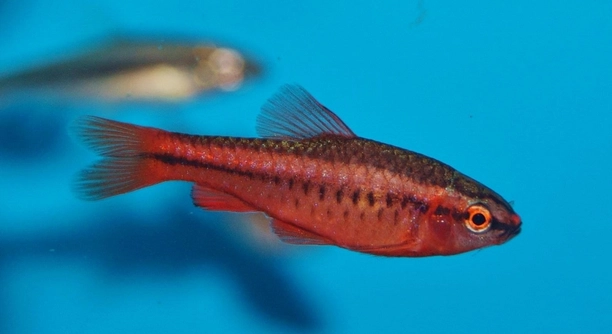
Cherry barbs are fascinating little fish with unique behaviors, especially when it comes to mating. Their displays are intricate, showcasing how they communicate and attract mates. If you’re intrigued by how these fish interact, you’re in the right place.
Cherry barbs use a variety of cues during their mating displays, including body color changes, fin movements, and swimming patterns. These cues help the fish signal interest and readiness to mate, ensuring a successful reproduction process.
Each cue serves a specific purpose, from creating visual signals to encouraging mate selection. By understanding these behaviors, we can appreciate the delicate interactions involved in cherry barb courtship.
Changes in Body Color
One of the first things you might notice during mating displays is the noticeable color shift in male cherry barbs. When they are ready to mate, males become much brighter and more vivid in color. This change helps them stand out and signals their health and readiness to potential mates. The intensity of the color can vary depending on the individual’s health and the environment around them. This visual cue plays a crucial role in attracting females, as they tend to prefer more vibrant and healthier males. As the males become more colorful, it’s their way of showcasing their strength and fitness, making them more appealing in the selection process.
The male’s bright colors don’t just catch the eye; they also serve a deeper purpose in the reproductive process. The visual cue helps females identify suitable mates. This method of signaling is a common behavior in many fish species, making it a vital step for successful mating.
While the color change is significant, it’s not the only indicator. Along with vibrant colors, males also exhibit other behaviors to further attract attention. Their color shift creates a competitive edge during the selection process, ensuring that the strongest and most suitable mates are chosen.
Fin Movements
In addition to their body color, cherry barbs rely on their fins to communicate. During mating rituals, males will often fan their fins in a particular way to grab the attention of females. These movements help display their physical condition, as well as provide another layer of attraction. Males will use their fins to appear larger and more impressive. This behavior is also a way to signal their readiness to court.
When a male cherry barb fans his fins, it’s like saying, “I’m here and ready.” This act serves as both a visual and physical cue for the female. Females are more likely to notice males who are actively displaying their fins, as it shows dominance and physical strength.
The fin movements not only help with attraction, but they also play a role in guiding the female. Males use these movements to direct the female’s attention toward a nesting site. The courtship dance, combined with fin displays, encourages the female to follow and engage, leading to successful mating.
Swimming Patterns
Males also change their swimming patterns during mating displays. They perform intricate movements to grab the attention of females, such as darting back and forth or swimming in circles. These behaviors help highlight their strength and agility. The more controlled and rhythmic their swimming, the more appealing they appear to the females.
By swimming in particular patterns, males are able to create a visual spectacle, making it easier for females to notice them. This also helps with mate selection, as females will observe the male’s stamina and coordination. A male who can perform these patterns smoothly has a better chance of attracting a mate.
These swimming displays also serve as a way to communicate the male’s energy level. A male who can continue the display for a longer period without tiring signals good fitness. Females may be more inclined to choose males who demonstrate endurance, making the swimming patterns an important part of the mating process.
Vibrations
During mating displays, cherry barbs also use vibrations to communicate. Males will make rapid, subtle movements that send vibrations through the water. These vibrations help create a sensory signal, adding another layer of attraction to their displays. Females can sense these vibrations through their lateral lines, which are specialized organs that detect movement in the water.
These vibrations can act as a subtle invitation for the female to approach. The males use these small but meaningful shifts to establish connection and encourage closer interaction. As the female senses these vibrations, she is drawn in, increasing the chances of a successful courtship. The sensory cue, while less obvious, plays a key role in the mating process.
The vibrations also help build a connection between the male and female. As they feel the movements, it becomes easier for the female to gauge the male’s intentions. Vibrations, along with the other cues, create a multifaceted approach to attracting the right mate.
Display of Territory
Male cherry barbs also demonstrate territorial displays during mating. They will often establish and defend a specific area, which they use to attract females. By doing so, they show off their ability to protect and provide a safe space for potential mates. This territorial behavior signals dominance and readiness.
In addition to marking their territory, males will guard it aggressively. This ensures that the area remains free from other competing males. Such displays of dominance make the male more appealing to females, who prefer mates that can protect and offer stability.
Tail Movements
Tail movements are another important cue in cherry barb mating displays. Males use their tails to express interest and highlight their physical abilities. These movements are often quick and sharp, making the male appear more energetic and agile. The tail serves as a visual and physical cue to the female.
The male’s tail movements can also show off his coordination and fitness. The more controlled the movement, the more attractive it is to females. This display, though subtle, is crucial in persuading females to choose a mate based on his health and strength.
FAQ
What do male cherry barbs do to attract females during mating?
Male cherry barbs use various cues to attract females, including vibrant color changes, fin displays, and unique swimming patterns. The males’ body colors intensify when they are ready to mate, signaling their health and fitness. They also fan their fins to appear larger and more impressive, and their swimming patterns often involve darting or circling to catch the attention of females. These behaviors help the male stand out, signaling his strength, stamina, and ability to protect a territory.
Do female cherry barbs prefer brighter males?
Yes, female cherry barbs tend to prefer brighter males. The intensity of the male’s color is often an indication of his health and genetic fitness. Brighter colors signal a healthy, well-nourished male who is likely to provide good offspring. In the wild, a male with vivid colors is often a better mate choice, as it suggests he can survive in challenging environments. Females are naturally drawn to males that display these traits, which increases the likelihood of successful reproduction.
How important are fin displays during cherry barb courtship?
Fin displays are very important in cherry barb courtship. When males fan their fins, it serves as a visual cue for females, demonstrating their physical condition and readiness to mate. These fin movements often appear exaggerated, making the male seem larger and more dominant. The fin displays also help attract females by showing off the male’s agility and health. This behavior helps distinguish the male from other potential mates, improving his chances of being selected.
Do cherry barbs use vibrations for mating?
Yes, cherry barbs use vibrations as part of their mating display. Males produce small, rapid movements that create vibrations in the water. These vibrations are detected by females through their lateral lines, specialized organs that sense movement. The vibrations serve as an additional sensory cue, encouraging the female to approach. While this cue is not as obvious as color or fin displays, it plays a crucial role in initiating closer interaction and signaling the male’s intentions.
What role does territory play in cherry barb mating?
Territory is an essential aspect of cherry barb mating. Males establish and defend a specific area that they consider their own. By doing so, they signal to females that they have a safe space to offer for potential mating. This territorial behavior also shows that the male is capable of protecting the area, which is an attractive trait to females. Males who are successful in defending their territories are seen as more dominant and capable of providing a secure environment for offspring.
How does swimming behavior influence mate choice in cherry barbs?
Swimming behavior is a significant part of mate selection in cherry barbs. During the mating season, males display unique swimming patterns to attract females. These patterns often involve quick, darting movements or circular swimming. Such behavior is an indication of the male’s physical stamina and agility. Females observe these swimming patterns to assess the male’s fitness. Males that can maintain these movements without tiring are seen as more capable mates, which can help them stand out in the selection process.
Are cherry barb courtship behaviors unique to this species?
While some courtship behaviors, such as vibrant color changes and fin displays, are seen in many fish species, cherry barbs have their own unique combination of cues. These include their specific swimming patterns, tail movements, and territorial behaviors, which are tailored to their natural environment. Although other species may share similar traits, the way cherry barbs combine these cues during courtship makes their behavior distinct. Understanding these unique behaviors helps highlight the complexities of their mating process.
What happens if a cherry barb male cannot defend his territory?
If a male cherry barb is unable to defend his territory, his chances of attracting a mate decrease significantly. Females typically prefer males who can protect a nesting site or territory, as this behavior suggests the male is strong and capable. A male who loses his territory may be seen as weak or unable to provide a secure environment for potential offspring. This can lead to a reduced chance of reproduction for that male, as females may choose other, more dominant males instead.
Do female cherry barbs engage in courtship displays?
Female cherry barbs generally do not engage in the same active courtship displays as males. Their role in mating is more passive, as they observe the males’ displays and choose the best mate based on the signals they receive. Female cherry barbs tend to focus on evaluating the males’ strength, health, and ability to provide a safe space for breeding. However, in some cases, females may respond to male displays by following them or positioning themselves in areas that encourage mating.
How do cherry barbs mate in captivity?
In captivity, cherry barbs still follow similar mating behaviors to those in the wild. The males will display vibrant colors, fan their fins, and swim in circles to attract females. These behaviors are often enhanced by optimal tank conditions, such as stable water temperatures and proper lighting. When the female is ready, she will approach the male’s territory, and mating will occur. It’s important to provide a suitable environment for cherry barbs in captivity to encourage these natural behaviors and successful reproduction.
Final Thoughts
Cherry barbs are fascinating creatures with a rich display of behaviors during their mating rituals. By changing their body colors, fanning their fins, and performing intricate swimming patterns, male cherry barbs send clear signals to females. These behaviors are crucial for mate selection, ensuring that the healthiest and most dominant males attract females. It’s not just about being visible; it’s about demonstrating physical fitness, stamina, and the ability to offer protection, which makes these displays an essential part of the cherry barb’s reproductive process.
The communication methods used by cherry barbs during courtship are more than just visually appealing. They also serve as survival strategies. The color changes, fin displays, and swimming patterns are all ways for the males to prove their strength and fitness, ensuring the survival of the next generation. Vibrations and territorial displays add further layers to the courtship process, showing how deeply these fish rely on their senses and physical cues to find suitable mates. This highlights how essential these signals are for reproduction and the continuation of the species.
In conclusion, cherry barbs rely on a complex mix of visual, physical, and sensory cues to attract mates. Understanding these mating behaviors provides insight into how these small fish navigate their world and interact with each other. These displays are not just about attracting mates; they also serve as a survival mechanism. Whether it’s their body color, tail movements, or territorial displays, each cue plays a vital role in the cherry barb’s mating success.

Hello,
If you enjoy the content that we create, please consider saying a "Thank You!" by leaving a tip.
Every little bit helps us continue crafting quality advice that supports the health, happiness, and well-being of pets around the world, for pets of all shapes, sizes, and species.
We really appreciate the kindness and support that you show us!