
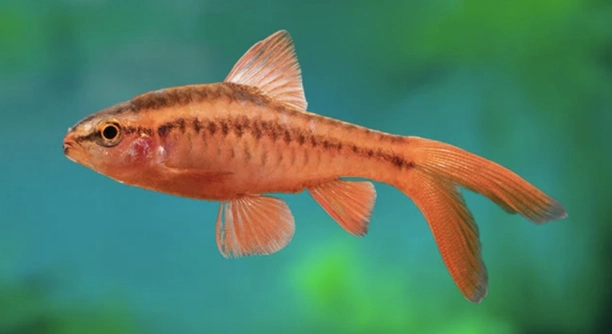
Have you ever noticed your cherry barbs acting excited the moment you reach for a certain container in your kitchen?
Cherry barbs can associate specific food packaging with feeding time through visual cues and routine. With consistent exposure, they may show increased activity or approach behaviors when familiar containers appear, suggesting learned recognition.
Their responses might seem simple, but they reveal how repetition shapes behavior in small aquarium fish.
Recognizing Patterns Through Routine
Cherry barbs are quick learners when it comes to feeding routines. If the same container is used each time, they can begin to recognize its shape, color, or the sound it makes. Fish have the ability to associate certain cues with food over time. This is a basic form of conditioning. When the packaging appears, cherry barbs may start swimming to the front of the tank or become more active. Their response isn’t based on deep thinking, but rather on consistent exposure and reward. This is similar to how they react to light changes or the presence of a net. They observe and react in ways that keep them safe or fed. Recognizing food containers is just another example of how they adapt to predictable patterns. You might not expect such small fish to notice these things, but their behavior can shift once a habit is formed and reinforced regularly.
Their reactions may seem simple, but they are driven by repetition, environment, and routine.
You don’t need to test them with different containers to know they’re paying attention. Their behavior often says enough.
Behavior Changes You Might Notice
When cherry barbs recognize food containers, they often swim quickly to the surface or gather near one spot in anticipation.
They may begin circling more often near the area where feeding usually happens. Some will swim rapidly across the tank or hover in place, clearly expecting food. This reaction tends to occur only with specific containers they have seen frequently. Switching containers can reduce or delay this response until they learn the new one. The color, size, and even sound of the packaging can serve as a visual or auditory trigger. This behavior is also influenced by the time of day and your regular schedule. Feeding your cherry barbs at the same time daily can strengthen their association. These subtle signs are often easy to overlook but become more noticeable once you pay closer attention. Over time, their predictable behavior reflects how much they rely on routine and how observant they really are, even in a small tank.
Environmental Factors That Influence Behavior
Tank conditions can affect how clearly cherry barbs respond to food containers. Dim lighting, visual distractions, or a crowded tank may reduce their ability to focus on external cues like packaging. A calm, well-maintained environment helps them respond more consistently to feeding signals.
Water clarity and tank setup also matter. If their view is obstructed by decorations or plants, they may not notice your movements clearly. Clear line-of-sight between you and the tank improves their ability to associate your actions with feeding. A consistent spot for feeding and a quiet environment make their responses more obvious. Fish that feel secure are more alert to patterns and movements outside the tank. Cherry barbs in a healthy, stable tank tend to respond more actively to familiar containers. Sudden changes in tank layout or lighting can confuse them temporarily until they adjust again. Routine and stable surroundings help reinforce their behavior patterns effectively.
Temperature and water quality can subtly affect their energy and alertness. Cooler water may slow their responses, while warmer, well-balanced conditions keep them more active. Noise or movement around the tank may startle them, reducing their focus on feeding cues. Clean water and stable temperatures support consistent behavior over time.
How to Encourage This Behavior
Using the same food container every day helps cherry barbs form a stronger visual connection. Try to stand in the same spot when feeding and keep your motions consistent. This makes it easier for them to associate the routine with food.
Avoid switching containers frequently, as this can reset their learned behavior. Stick to a consistent feeding schedule, ideally at the same time each day. Over time, this regularity builds familiarity and triggers an automatic response when they see or hear the container. Watch how they behave before feeding—they may start swimming near the surface or wait in a corner where they usually get food. These small signs show they’re connecting routine with reward. Encouraging this response not only supports mental stimulation but also gives you a better sense of their health and behavior. When they suddenly stop responding, it could be a sign something in the tank needs attention.
Signs They’ve Made the Connection
Cherry barbs may swim toward the top of the tank as soon as you reach for the container. Some hover in place, while others dart around more quickly, showing clear anticipation of feeding.
They might also begin to group together near their usual feeding area. This reaction typically starts just before the food is offered, once they’ve recognized the sound or look of the container.
When Responses Seem Inconsistent
Sometimes cherry barbs may not respond to the food container, especially after recent changes to their environment or schedule. Stress, illness, or water quality issues can reduce their usual activity. If their behavior changes suddenly, it’s a good idea to check tank conditions. Temporary shifts in lighting or movement near the tank may also affect their ability to focus. Keeping everything consistent helps them stay engaged. Reintroducing a predictable routine can help restore their responsiveness over time. Even small adjustments in the environment can reset their feeding behavior, so it’s helpful to maintain stable conditions daily.
Final Thought on Observation
Small changes in behavior can say a lot. Watching for consistent reactions during feeding helps you better understand your cherry barbs.
FAQ
Can cherry barbs actually see food containers clearly?
Yes, cherry barbs have good vision for their size and can detect movement and colors outside the tank. If the same container is used consistently, they learn to recognize its shape, color, or sound. Their view is clearer when the water is clean and the tank glass is free from buildup. Positioning the container within their usual line of sight helps. Their ability to focus on it depends on tank lighting and layout. Decorations or dark lighting may interfere, but in a well-lit, open setup, they’re able to recognize food containers with surprising accuracy.
Why do cherry barbs react to some containers but not others?
Cherry barbs respond to objects they’ve seen repeatedly, especially when those objects are tied to a reward like food. If one container is used consistently, they learn to connect it with feeding. A new container, even if similar in shape or size, may not trigger the same reaction until it becomes familiar. The color and movement of the container can also affect recognition. Sound is another cue—if the container makes a distinct noise during feeding, they may link the sound to the event. Consistency is key in helping them form these simple associations.
Do all cherry barbs in the same tank respond the same way?
Not always. While many cherry barbs in a tank may respond together, some fish are more alert or bold than others. One fish may swim quickly to the surface while another stays back. Age, temperament, and individual learning speed play a role. Health can also affect their behavior—fish that are sick or stressed might react less. Over time, if the group sees certain fish reacting, others may follow. This kind of social learning isn’t complex, but in a consistent environment, it becomes more noticeable. Group reactions often grow stronger with routine and repetition.
What if they stop responding to the food container?
If cherry barbs stop reacting to a container they previously recognized, check for recent changes. A new feeding time, different container, or adjustments to the tank layout may cause confusion. Also, inspect water conditions—poor water quality can lead to stress and less activity. Temperature, lighting, and noise all play a role in how they respond. If their behavior changes suddenly, it’s best to return to a stable routine and monitor them closely. Avoid frequent changes to containers, feeding locations, or your approach. These small shifts can disrupt their learned behavior and delay recognition.
Can they recognize people too, or just objects?
Cherry barbs can learn to recognize the person who feeds them, especially if that person approaches the tank regularly. This isn’t based on detailed facial recognition, but rather body movement, silhouette, and routine. If you feed them at the same time and approach the tank in a predictable way, they may start reacting before they even see the container. This kind of recognition develops through repetition and consistency. Changes in how you move or who approaches the tank can sometimes delay their reaction. Over time, though, they learn to associate familiar people with food.
How long does it take for cherry barbs to recognize a container?
It depends on how consistently the container is used and how regularly the fish are fed. In many cases, after just a few days of using the same container at the same time, cherry barbs will begin showing signs of recognition. This process may be quicker in a calm environment where their attention isn’t divided. Frequent schedule changes, noisy surroundings, or switching containers too often can slow their learning. Keep things simple and regular for the best results. Their behavior becomes more predictable with every successful association between a visual cue and feeding.
Is this behavior unique to cherry barbs?
No, this type of learning behavior is seen in many aquarium fish, including guppies, tetras, and bettas. However, cherry barbs tend to be very responsive when their environment is consistent and they feel secure. Fish in general are more observant than many people assume. They rely heavily on routine to feel safe and confident. Recognizing containers, people, or feeding times is a basic way they adapt to their surroundings. While each species responds differently, the pattern of linking cues with rewards is common across many types of fish, not just cherry barbs.
Final Thoughts
Cherry barbs are small, active fish with a surprising ability to learn from their environment. When it comes to recognizing food containers, their consistent reactions are not random. These fish can form simple associations through repetition. If the same container is used at the same time and in the same way, cherry barbs begin to expect food when they see or hear it. This behavior is supported by their vision, sense of routine, and awareness of movement outside their tank. Their attention grows stronger with repetition, especially in a clean, quiet, and predictable space.
Although this kind of learning is basic, it shows how cherry barbs adjust to their environment. Recognizing a food container is a clear example of how they can connect visual or sound cues to specific outcomes. They also respond to the person feeding them, particularly when routines stay the same. If someone approaches at the same time every day, the fish begin to react even before the food is presented. While they are not using memory in the same way humans do, their actions reflect a reliable response to learned cues. This makes feeding time feel more engaging and helps build trust between the fish and their caregiver.
To keep this response strong, it’s helpful to avoid sudden changes. A new container, different time of day, or unfamiliar person may confuse them, at least temporarily. Water quality, temperature, and lighting also affect how actively they respond to feeding cues. When these needs are met and the routine remains steady, cherry barbs remain alert and responsive. Watching them gather at the top of the tank when you appear with their container is a clear sign that they’ve made the connection. It’s a small but interesting part of how these fish live and interact with the world around them. With patience and consistency, their behavior becomes predictable, making care routines smoother and feeding more enjoyable.

Hello,
If you enjoy the content that we create, please consider saying a "Thank You!" by leaving a tip.
Every little bit helps us continue crafting quality advice that supports the health, happiness, and well-being of pets around the world, for pets of all shapes, sizes, and species.
We really appreciate the kindness and support that you show us!