
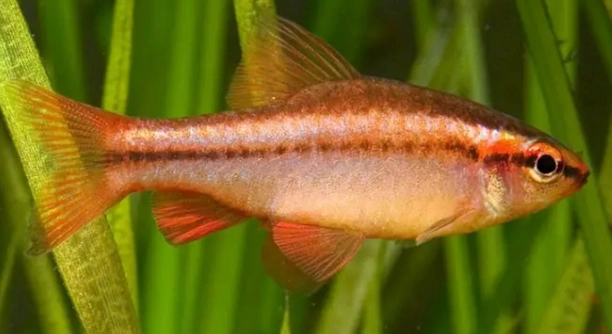
Cherry barbs are a popular freshwater fish known for their active nature and vibrant colors. Keeping them in a healthy and suitable environment is crucial for their well-being. A proper tank size plays an important role in ensuring they thrive.
A small tank can limit the space cherry barbs need for swimming, leading to stress and health issues. They are active fish that require enough space to swim freely. As they grow, you may need a larger tank to meet their needs.
Ensuring your cherry barbs have a spacious environment will promote their health and happiness. Understanding the signs that indicate they need a bigger tank can prevent future problems and support their long-term care.
Tank Size and Fish Health
A proper tank size is essential for the health of your cherry barbs. If their environment is too small, they can experience stress, reduced activity, and even shorter lifespans. These fish are naturally active and need plenty of space to swim freely. In cramped conditions, they may not get the exercise they need, which can lead to health problems. Cherry barbs thrive in a tank with enough space to move around and interact with their surroundings. When they are confined to a small space, their physical and mental well-being may suffer.
A tank that is too small can prevent cherry barbs from displaying their natural behaviors, like swimming in schools. Inadequate space can also lead to territorial disputes and aggression between the fish. The stress caused by these conditions can affect their immune systems, leaving them vulnerable to illness.
To provide the best care, consider upgrading to a larger tank once you notice signs of discomfort in your cherry barbs. This will ensure they have room to grow and remain healthy.
Signs of Stress in Cherry Barbs
When cherry barbs begin to feel cramped in their tank, their behavior will change. They may become more aggressive or shy, avoiding others. The water quality may also deteriorate faster due to the overcrowded conditions. As a result, you’ll need to pay closer attention to their environment.
Cherry barbs in small tanks often show signs of stress, such as erratic swimming or hiding more often. These signs indicate they are uncomfortable and may need more space to feel secure. Adding more space helps alleviate these issues, allowing the fish to behave more naturally. The increased room can reduce aggression and promote a healthier environment for everyone in the tank.
Fish Growth and Tank Size
As cherry barbs grow, their need for space increases. A tank that once seemed spacious may start to feel cramped. A growing fish requires more room to swim and explore. Without enough space, their growth may be stunted, affecting both their physical development and overall health.
In a small tank, the water conditions also become less stable, which can have a direct impact on the fish. As the fish grow, they produce more waste, making it harder to maintain clean water in a small tank. This can lead to poor water quality, which contributes to stress and illness. Proper filtration is important, but a bigger tank provides a buffer for maintaining stable water conditions.
To help your cherry barbs thrive as they grow, consider upgrading to a larger tank that can accommodate their increased size and activity. This will ensure they have enough space to live comfortably, promoting their health and well-being.
Swimming Space and Activity Levels
Cherry barbs are active swimmers that enjoy exploring their environment. A cramped tank reduces their ability to swim freely, which can cause frustration and stress. Their activity levels may decrease, and they may not show the same playful behaviors they once did.
A tank that allows for more swimming space encourages cherry barbs to engage with each other and their surroundings. They will swim in schools, display natural social behaviors, and feel more secure in their environment. The increase in space not only reduces stress but also helps keep them physically active, which is crucial for their health.
Providing ample space allows cherry barbs to exhibit natural behaviors, which improves their overall well-being. When they are given more room, their stress levels decrease, and they are happier and healthier.
Tank Mates and Space Requirements
Crowding your cherry barbs with too many tank mates in a small tank can cause additional stress. While they are peaceful fish, they need space to interact and avoid territorial disputes. When they don’t have enough space, aggression can become a problem.
Overcrowding can cause cherry barbs to compete for resources such as food and hiding spots. In small tanks, this can lead to bullying or more dominant fish preventing the cherry barbs from accessing what they need. If your tank mates are active, they will also need space to swim without disturbing the cherry barbs. A bigger tank provides room for everyone to coexist peacefully.
Water Quality Control
With more fish in a small tank, it becomes harder to maintain clean, stable water. As the cherry barbs and their tank mates produce waste, the water quality deteriorates faster. This can lead to poor health for your fish. Regular water changes and proper filtration help, but a larger tank reduces the frequency of maintenance required.
Water quality is crucial for the health of all aquarium inhabitants. In a smaller tank, toxins like ammonia can build up quickly, making the environment unsafe. By upgrading to a bigger tank, you give the fish more room to swim and allow the water to remain cleaner for longer. This benefits both the fish and the overall tank ecosystem.
Impact on Behavior
When cherry barbs are kept in a small tank, their behavior can change. They might become more lethargic or more aggressive due to stress. Without enough space, they are unable to swim freely and display their natural, social behaviors. A larger tank allows them to feel more secure, reducing stress.
FAQ
How big should my tank be for cherry barbs?
A 20-gallon tank is the minimum size for a small group of cherry barbs. They need room to swim and thrive, so a larger tank, like a 30-gallon, is ideal if you plan on keeping more than a few. The more space you provide, the better their overall health and behavior will be.
Can cherry barbs live in a 10-gallon tank?
While it is possible for cherry barbs to live in a 10-gallon tank, it is not recommended for long-term care. A 10-gallon tank is too small for more than a couple of cherry barbs. They will not have enough room to swim and display natural behaviors, which can lead to stress and health issues.
How many cherry barbs can I keep in a 20-gallon tank?
In a 20-gallon tank, you can keep around 6-8 cherry barbs comfortably. They should be kept in small groups to encourage their natural schooling behavior. Overcrowding can lead to stress and aggression, so it’s important not to exceed the tank’s capacity.
Do cherry barbs need a filter?
Yes, cherry barbs need a filter to maintain clean and healthy water. A good filtration system helps remove toxins and debris from the water, keeping it stable. Without a filter, the water quality can quickly degrade, causing stress and health problems for your fish.
How often should I change the water for cherry barbs?
You should change about 25-30% of the water in your cherry barb tank every 1-2 weeks. The frequency depends on the size of the tank, the number of fish, and the filtration system. Regular water changes help maintain a clean environment and prevent the buildup of harmful toxins.
What type of water do cherry barbs need?
Cherry barbs prefer slightly acidic to neutral water with a pH range of 6.5 to 7.5. The water temperature should be between 72°F and 78°F (22°C to 26°C). Make sure to test the water regularly and adjust if needed to maintain the proper conditions for your fish.
Can cherry barbs live with other fish?
Cherry barbs are peaceful and social fish that can live with many other species. They are compatible with other community fish like tetras, rasboras, and guppies. Avoid housing them with aggressive or territorial fish, as this can cause stress and conflict in the tank.
What should I feed my cherry barbs?
Cherry barbs are omnivores, meaning they will eat a variety of foods. They enjoy high-quality flake food, but you should also supplement their diet with frozen or live foods like brine shrimp, daphnia, and bloodworms. Occasional vegetables, such as blanched spinach or zucchini, can also be offered.
How can I tell if my cherry barbs are stressed?
Signs of stress in cherry barbs include lethargy, hiding more often, loss of appetite, or erratic swimming. Stress can be caused by poor water quality, overcrowding, or inadequate space. If you notice these behaviors, check the water conditions and tank size to make sure your fish are comfortable.
Do cherry barbs need a heater?
Yes, cherry barbs require a heater if you live in a cooler climate. Maintaining a stable water temperature between 72°F and 78°F (22°C to 26°C) is essential for their health. A heater will ensure that the water stays within the ideal temperature range, preventing stress and promoting normal behavior.
How can I encourage cherry barbs to breed?
To encourage breeding, create optimal water conditions by keeping the temperature between 76°F and 78°F (24°C to 26°C). Provide plenty of plants and hiding spaces for the eggs. You can also feed them a high-quality diet to promote health and breeding readiness. A separate breeding tank with gentle filtration will help protect the eggs.
What is the lifespan of a cherry barb?
Cherry barbs typically live for about 3 to 5 years in a well-maintained tank. Their lifespan can vary based on water quality, tank size, diet, and overall care. Providing a stable and healthy environment can help them reach their full lifespan potential.
Why are my cherry barbs swimming at the top of the tank?
If your cherry barbs are swimming at the top of the tank, it could be a sign of low oxygen levels in the water. Ensure that your filtration system is working properly and that the water is adequately aerated. You can also check for signs of poor water quality, such as high ammonia or nitrate levels.
Are cherry barbs aggressive?
Cherry barbs are generally peaceful and non-aggressive. They may become territorial during breeding, but they typically get along well with other peaceful community fish. They are best kept in schools of 5 or more, as this helps them feel secure and reduces potential aggression.
Can cherry barbs live in cold water?
Cherry barbs are not suited for cold water tanks. They prefer water temperatures between 72°F and 78°F (22°C to 26°C). Exposing them to cold temperatures can lead to stress, weakened immune systems, and even death. A heater is recommended to maintain a stable, warm temperature.
Do cherry barbs need plants in their tank?
While cherry barbs do not specifically need plants, they benefit from having them in their tank. Plants provide hiding spots, which can help reduce stress. They also improve water quality by absorbing excess nutrients. Adding live plants can create a more natural environment for your fish.
Final Thoughts
Ensuring your cherry barbs have a proper tank size is crucial for their health and well-being. A tank that is too small can lead to overcrowding, which results in stress, aggression, and poor water quality. These fish thrive in groups and need space to swim freely. A 20-gallon tank is the minimum size for a small group, and a larger tank is always better. Providing adequate space allows your cherry barbs to behave naturally, reduces the risk of territorial disputes, and helps keep them healthy in the long run.
Along with a larger tank, maintaining clean and stable water conditions is essential. Cherry barbs are sensitive to changes in water quality, and poor conditions can lead to stress and illness. A reliable filtration system and regular water changes are key to keeping the water safe for your fish. With proper care, cherry barbs can live for several years and display beautiful, vibrant colors. They are active and social fish that will bring life to your aquarium, but they depend on a stable and spacious environment to thrive.
In conclusion, providing a larger tank and maintaining water quality are the most important steps in keeping your cherry barbs happy and healthy. Whether you are a beginner or experienced aquarist, understanding their needs ensures that they can live in the best possible conditions. With the right environment, cherry barbs will reward you with their peaceful nature and stunning appearance, making them a valuable addition to any community tank.

Hello,
If you enjoy the content that we create, please consider saying a "Thank You!" by leaving a tip.
Every little bit helps us continue crafting quality advice that supports the health, happiness, and well-being of pets around the world, for pets of all shapes, sizes, and species.
We really appreciate the kindness and support that you show us!