
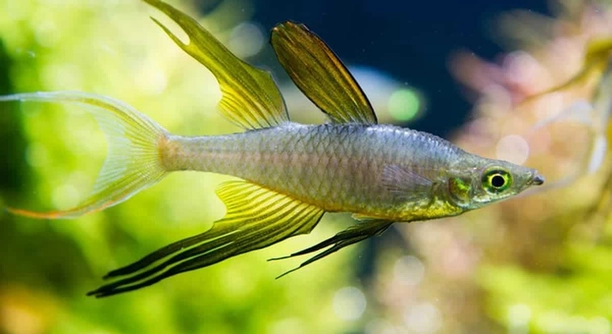
Feeding tiny-mouthed threadfins can be tricky, especially when they struggle to grasp larger food items. Many fish owners face challenges finding methods that ensure proper nutrition without stressing their delicate mouths and gills.
Using specialized feeding techniques can improve nutrient intake and reduce stress in tiny-mouthed threadfins. Methods such as finely crushed pellets, live food suspensions, and targeted hand-feeding promote efficient ingestion while minimizing injury or food wastage in controlled aquatic environments.
These techniques provide practical ways to enhance feeding success while keeping the fish healthy and comfortable in their habitat.
Crushing and Sifting Pellets
Crushing pellets into fine particles makes it easier for tiny-mouthed threadfins to eat. I usually start by selecting high-quality fish pellets and using a small mortar and pestle to break them down. The particles should be small enough to fit comfortably in their mouths without causing choking. After crushing, I sift the particles through a fine mesh to remove any larger fragments that might get stuck. This method also helps distribute nutrients evenly in the water, as smaller particles can float or sink slowly, giving the fish time to feed. I found that combining crushed pellets with a bit of water creates a soft, semi-liquid texture that is easier for the fish to grasp. Regularly crushing and sifting ensures that even the smallest individuals get access to food, reducing competition and stress among the school. It also keeps the tank cleaner by minimizing uneaten chunks that might decay.
Crushing pellets and sifting them increases accessibility for tiny-mouthed threadfins while maintaining proper nutrition and reducing leftover waste in the tank.
Small changes in particle size can make a big difference in feeding success, especially for fish with delicate mouths and slow eating habits.
Using Live Food Suspensions
Live food suspensions allow tiny-mouthed threadfins to feed naturally. By suspending small live prey like micro worms or baby brine shrimp in water, the fish can catch them individually. The movement attracts their attention, encouraging feeding without forcing them to bite large pieces.
Suspending live food helps maintain fish health by stimulating natural feeding instincts. I usually prepare the suspension in a separate container to control the concentration. Adding it slowly to the tank prevents overwhelming the fish and keeps water quality stable. I noticed that the fish often linger in areas where the suspended food drifts, reducing aggressive competition. Feeding small amounts several times a day ensures consistent nutrition, rather than dumping a large portion that might go uneaten. Live food suspensions also introduce variety to the diet, which can improve growth and vitality. Monitoring how much the fish consume helps adjust the amount for each session. Overall, this technique combines gentle presentation with the opportunity for the fish to exercise natural hunting behaviors, resulting in healthier and less stressed threadfins.
Hand-Feeding Techniques
Hand-feeding lets tiny-mouthed threadfins receive food directly without struggling. I use tweezers or my fingers to offer small pieces slowly, making sure each fish gets a chance to eat.
I prepare tiny morsels of softened pellets or live food and present them individually. Holding the food near the fish allows them to grasp it comfortably, reducing stress and preventing competition. Over time, they learn to recognize my hand as a source of nourishment, which improves feeding efficiency. I usually feed in short sessions to avoid overfeeding and monitor each fish’s intake carefully. This method is especially helpful for weaker or slower individuals that might miss out during group feeding. Hand-feeding also lets me observe their behavior and health closely. It’s a slower process, but it ensures that every fish gets adequate nutrition without crowding or waste.
Consistent hand-feeding helps establish a routine. Tiny-mouthed threadfins become more confident, and it is easier to detect any changes in appetite or activity.
Gel-Based Diets
Gel-based diets provide balanced nutrition in a soft, easy-to-eat form. I mix commercial fish food powders with water or supplements to create a gel suitable for tiny-mouthed threadfins.
The gel can be molded into small shapes or dropped in tiny portions, making it accessible for every fish. I usually cut the gel into bite-sized pieces and float them in the feeding area. This reduces leftover food that might pollute the tank. Gel diets allow precise control over nutrients, including vitamins and minerals, which improves overall fish health. I sometimes combine the gel with live food for variety, ensuring the fish remain active and interested in feeding. Maintaining gel freshness is important, so I prepare small batches regularly and refrigerate any leftovers briefly. Using this method, feeding becomes more predictable, efficient, and tailored to the fish’s needs, promoting growth and vitality while minimizing stress.
Pre-Soaked Flakes
Pre-soaking flakes softens them for easier consumption. I soak small portions in tank water for a few minutes before feeding, ensuring the pieces are gentle on tiny mouths.
This method prevents flakes from floating too long or breaking unevenly. Softened flakes sink slowly, giving the fish more time to feed without spitting or wasting food.
Micro-Pellet Feeding
Micro-pellets are designed for small-mouthed species. I measure precise amounts to avoid overfeeding and distribute them evenly across the tank.
The tiny size allows all fish to access food simultaneously, reducing competition. Regular use improves growth, ensures consistent nutrition, and keeps water quality stable by minimizing uneaten pellets.
Feeding with Pipettes
Using a pipette allows precise food delivery to each fish. I draw a small amount of liquid or suspended food and gently release it near the fish’s mouth.
This technique ensures weaker individuals receive nutrition while keeping the tank clean from excess food.
FAQ
How often should I feed tiny-mouthed threadfins?
I feed my threadfins small portions multiple times a day, usually three to four sessions. Their tiny mouths make it hard to consume large amounts at once, so frequent feedings ensure they get enough nutrition. Spacing meals evenly prevents overeating and maintains stable water quality.
What types of food are best for tiny-mouthed threadfins?
I mainly use crushed pellets, micro-pellets, live food suspensions, and gel-based diets. Each option provides essential nutrients while remaining small enough for easy consumption. Combining different food types encourages natural feeding behavior and ensures the fish receive a balanced diet over time.
Can frozen or dried foods be used effectively?
Yes, frozen or dried foods like baby brine shrimp or micro worms can work well if they are appropriately sized. I usually thaw or soak them to soften the texture, making it easier for tiny-mouthed threadfins to eat without struggling or spitting out pieces.
How do I prevent overfeeding?
I feed only what the fish can consume within a few minutes. Observing their behavior is key—if food remains uneaten, I reduce the next portion. Overfeeding can lead to water pollution, stress, and health issues, so precise control is essential for tank maintenance.
Is hand-feeding necessary for all threadfins?
Not always, but I find it useful for weaker or smaller individuals. Hand-feeding ensures each fish receives food and allows me to monitor health and activity closely. It also encourages interaction with the fish, helping them become more confident and less stressed during feedings.
How do I make gel-based diets?
I mix commercial fish food powders with water or supplements until it forms a soft gel. Cutting the gel into tiny pieces ensures each fish can eat comfortably. I sometimes combine it with live food for added variety. Fresh batches are prepared regularly to maintain quality.
Can I mix feeding techniques?
Yes, combining methods works well. I alternate between crushed pellets, live food suspensions, and gel diets to provide variety. Using different techniques prevents boredom, improves nutrient intake, and encourages natural feeding behaviors while keeping all fish healthy and active.
What are the signs my threadfins are not eating enough?
I watch for lethargy, weight loss, or lack of interest in food. Uneaten portions may accumulate as well. These signs indicate adjustments are needed, either in food type, particle size, or feeding method, to ensure proper nutrition and growth.
How do I maintain water quality during frequent feedings?
Frequent, small feedings reduce waste, but I also perform regular water changes and monitor filtration. Uneaten food should be removed promptly to avoid contamination. Proper feeding management helps keep the tank clean while supporting healthy fish behavior.
Can tiny-mouthed threadfins learn feeding routines?
Yes, they quickly recognize feeding patterns. I noticed my fish respond to hand-feeding cues or the timing of sessions. Establishing a consistent schedule encourages confidence in feeding, reduces stress, and ensures that each fish knows when and where to find food.
How long should a feeding session last?
Feeding should be brief, around five minutes per session, enough for all fish to eat without leftovers. Prolonged feeding can stress the fish and lead to water pollution. Short, focused sessions make monitoring easier and maintain a stable environment.
Are there any foods to avoid?
I avoid large, hard, or sticky foods that tiny-mouthed threadfins cannot grasp. These can cause choking, stress, or digestive issues. Sticking to finely crushed or naturally small foods ensures safe and efficient feeding while protecting their delicate mouths and gills.
How do I introduce new foods?
I gradually mix new foods with familiar ones, allowing the fish to adjust. Sudden changes can stress them or cause rejection. Slowly increasing the proportion of new food ensures acceptance and supports a varied, healthy diet over time.
Is observation important during feeding?
Observation is crucial. I always watch the fish to ensure everyone eats and to detect potential health issues early. Monitoring behavior, appetite, and growth helps make adjustments to feeding techniques and ensures the fish remain active and healthy in their environment.
Can I feed tiny-mouthed threadfins alongside other species?
It’s possible if the other species do not compete aggressively. I often separate feeding zones or use hand-feeding and pipettes to ensure threadfins get enough food. Careful planning prevents dominant fish from taking most of the portions, allowing smaller mouths to feed safely.
How do I know the right particle size for each fish?
I observe what each fish can comfortably consume. Starting with finely crushed pellets or micro-pellets works for most. Adjusting particle size based on their response ensures they can eat efficiently without struggling, spitting out food, or wasting nutrition.
What if some fish still refuse to eat?
I try different textures or live food to encourage feeding. Occasionally, hand-feeding ensures reluctant fish receive nutrition. Monitoring these individuals closely helps identify potential health problems or stress factors, allowing intervention before it affects their growth or well-being.
How important is variety in the diet?
Variety prevents boredom and ensures a full spectrum of nutrients. I rotate between pellets, live food, and gel diets to stimulate feeding instincts. A diverse diet supports growth, vitality, and resilience, keeping tiny-mouthed threadfins active and healthy in their environment.
Can feeding techniques affect growth rates?
Yes, precise and appropriate techniques ensure each fish gets sufficient nutrition. I noticed that fish receiving targeted, small, and frequent feedings grow steadily compared to those fed in larger, less controlled portions. Effective feeding directly influences development and overall health.
How do I store prepared foods?
I store gel-based or pre-soaked foods in small, sealed containers in the fridge for short periods. Live foods are kept under optimal conditions to maintain freshness. Proper storage prevents spoilage and ensures that each feeding provides safe and nutritious meals.
Feeding tiny-mouthed threadfins can seem challenging at first, but with the right approach, it becomes manageable. I have learned that patience and observation are key. These fish have small mouths and delicate gills, so not all food types or methods work equally well. Techniques like crushing pellets, using micro-pellets, preparing gel-based diets, and offering live food suspensions make feeding much easier. Each method has its advantages, and combining them ensures the fish get the proper nutrition while remaining healthy and active. Over time, it becomes clear which techniques suit individual fish best, and minor adjustments can improve feeding efficiency without adding stress. Consistency in feeding schedules also helps the fish develop confidence, making each session smoother for both the fish and the caretaker.
It is also important to remember that water quality plays a major role in feeding success. Uneaten food can quickly pollute the tank and harm delicate species like threadfins. I always make sure to offer food in small amounts that can be consumed within a few minutes. Observing their behavior during feedings helps identify problems such as overfeeding, refusal to eat, or competition among fish. Hand-feeding and pipette techniques allow me to target weaker or smaller individuals that might otherwise miss out. Using a combination of pre-soaked flakes, gel diets, and live food ensures every fish has access to proper nutrition. This also reduces waste, keeps the tank cleaner, and helps maintain stable water conditions. Watching the fish grow steadily and behave naturally is rewarding and demonstrates the benefits of careful feeding practices.
Finally, variety and attention to detail are critical to maintaining healthy tiny-mouthed threadfins. Introducing new foods gradually and mixing different techniques keeps them engaged and prevents nutritional gaps. Even minor changes, like adjusting particle size or offering food in slightly different ways, can make a big difference for these small-mouthed fish. Regular observation allows me to notice subtle changes in appetite or activity, which can indicate health issues early on. Feeding tiny-mouthed threadfins requires commitment, but the results are noticeable in their vitality, growth, and behavior. With careful planning, patience, and consistent methods, it is possible to create a feeding routine that meets their needs while maintaining a healthy, thriving tank environment. Over time, these practices become a natural part of caring for threadfins and help ensure their long-term well-being.

Hello,
If you enjoy the content that we create, please consider saying a "Thank You!" by leaving a tip.
Every little bit helps us continue crafting quality advice that supports the health, happiness, and well-being of pets around the world, for pets of all shapes, sizes, and species.
We really appreciate the kindness and support that you show us!