
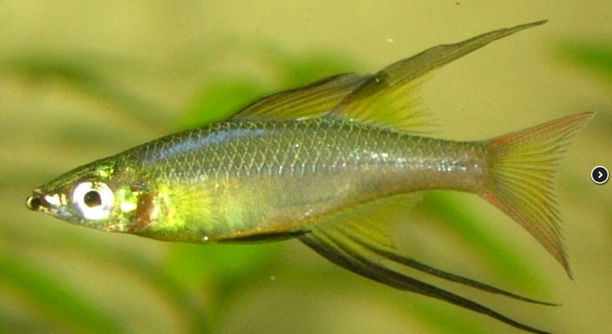
Have you ever noticed your aquarium and wondered how its tiny residents react to your presence? Threadfin Rainbowfish are lively and colorful, often catching the eye with their shimmering scales and energetic movements.
Threadfin Rainbowfish do exhibit responses to human movement, often showing alertness or swimming away when sensing nearby motion. This behavior is consistent with their natural instincts to detect potential threats and maintain safety within their environment.
Observing these subtle reactions can reveal much about their behavior and help improve your aquarium care practices.
Understanding Threadfin Rainbowfish Behavior
Threadfin Rainbowfish are small, active fish that often display vibrant colors in a home aquarium. They are schooling fish, so they feel safer in groups, which also affects how they react to movement around them. When someone approaches the tank, their first instinct is usually caution. They may dart to the opposite side, freeze, or swim in circles until they feel secure again. Over time, many fish become familiar with regular human activity and react less dramatically. Observing these behaviors gives insight into their temperament, comfort levels, and environmental needs. Lighting, tank decorations, and water quality also play a role in their reactions. The clearer the water and the more natural the setup, the more likely they are to behave confidently. These fish have delicate fins and sensitive scales, so handling their environment carefully reduces stress and keeps them healthy. They are excellent indicators of tank conditions and can reflect subtle changes in their surroundings.
Threadfin Rainbowfish often respond more calmly when they feel secure with consistent human presence.
Knowing their patterns helps anticipate reactions and create an environment that reduces stress, promoting healthier behavior and better coloration over time.
How Movement Influences Reactions
Human movement outside the tank can trigger mild stress responses in these fish.
Even small gestures, like walking past the tank or tapping on the glass, can cause them to swim quickly or hide. They are highly visual and sensitive to changes in light and motion. Sudden or erratic movement may startle them more than slow, predictable actions. Over time, they can learn to recognize regular activity and adjust their reactions accordingly. Some may even come closer to observe, showing curiosity rather than fear. Maintaining a steady, calm presence around the aquarium helps them acclimate. Observing how they respond to different types of movement provides insight into their comfort and alertness. Understanding these cues ensures better care and reduces unnecessary stress, helping them maintain vibrant health. Fish in well-structured, enriched tanks are generally less reactive and more confident, offering a more peaceful aquarium experience. It’s important to note that reactions vary between individuals and groups, so patience and observation are key. Consistent routines allow the fish to distinguish between harmless human activity and potential threats, improving their overall wellbeing.
Signs of Awareness
Threadfin Rainbowfish may pause, turn, or swim in circles when they notice human movement. These subtle behaviors indicate alertness and awareness of their surroundings, reflecting their natural instinct to monitor potential threats in the environment.
Recognizing their reactions helps create a calmer tank atmosphere. Fish often show stress by hiding behind plants or darting quickly from one side to another. Observing these behaviors regularly allows you to see patterns in their responses, such as which times of day or types of movement trigger reactions. Adjusting lighting, feeding routines, and tank placement can reduce stress and promote a more comfortable setting for the fish. Over time, familiar and predictable human activity helps them feel secure, allowing them to swim more naturally. These insights are valuable for improving both fish wellbeing and the overall aquarium experience, ensuring the fish remain healthy, active, and colorful in their habitat.
Consistent observation of their movements can reveal changes in mood or health, offering early warning signs before problems develop.
Interaction Tips
Keeping calm and slow movements near the tank reduces stress for the fish.
Offering predictable routines and avoiding sudden gestures encourages them to respond with curiosity instead of fear. They may swim closer to the glass or explore their surroundings more confidently. Environmental enrichment, such as plants and hiding spots, also makes them feel safer. Monitoring their reactions during feeding or maintenance helps you understand their comfort levels, ensuring minimal disruption. Adjusting your actions over time can build trust and make interactions smoother. Regularly watching how they react to movement strengthens your ability to maintain a stress-free environment.
Observing these fish over time shows how they adapt to human presence and adjust their behavior. Some individuals remain cautious, while others grow bolder, approaching glass or following your movements. Noticing these differences helps tailor care and tank routines to each fish’s temperament. Offering consistent feeding schedules, gentle lighting, and slow, steady movements outside the tank allows them to recognize patterns as safe. Proper habitat structure with hiding places reduces sudden stress responses, enabling fish to express natural behaviors without fear. Tracking these reactions can also highlight potential health issues, as changes in movement or alertness often signal discomfort or illness. Balancing human interaction with tank enrichment ensures the fish stay active, healthy, and visually vibrant, improving both their welfare and your observation experience.
Movement Sensitivity
Threadfin Rainbowfish respond more strongly to quick or unexpected movements outside the tank. Even small gestures, like leaning over or tapping the glass, can trigger sudden swimming or hiding behaviors.
Their reactions are influenced by lighting, tank layout, and presence of hiding spots. Calm, predictable movements help them feel safe and reduce stress.
Habituation Over Time
Repeated exposure to gentle, consistent human activity allows these fish to become accustomed to presence outside the tank. Over time, they may react less dramatically and display curiosity rather than fear. Habituation is gradual and varies among individual fish, depending on temperament and past experiences. Patience and consistent routines are key to helping them adjust. Observing their behavior daily helps identify which movements are stressful and which they tolerate. A well-structured environment, along with regular feeding schedules, enhances habituation. Fish that feel safe in their surroundings are more active, colorful, and confident, providing a more enjoyable and stable aquarium experience for both the caretaker and the fish.
Visual Cues
Bright lights, reflections, or sudden shadows can intensify their responses to movement.
FAQ
Do Threadfin Rainbowfish recognize individual people?
While these fish do not recognize people in the way mammals do, they can learn to distinguish familiar routines and movements. Over time, they may react less nervously to someone who regularly feeds them or maintains the tank. Consistency in human presence allows the fish to identify patterns and feel more secure. Their recognition is based on visual and environmental cues rather than personal familiarity. Fish that see the same movement patterns frequently may approach the glass with curiosity, while sudden or erratic actions from new individuals can trigger flight responses. Understanding this behavior helps in creating a calmer environment and reduces unnecessary stress for the fish.
Why do they swim away when I move near the tank?
Threadfin Rainbowfish are naturally alert and have strong instincts to avoid potential threats. Sudden movement outside the tank can be perceived as danger, causing them to dart or hide. This reaction is heightened if the tank lacks adequate hiding spaces or plants. By moving slowly and predictably, you can reduce these stress responses. Fish that feel safe in their environment are less likely to panic and more likely to display normal, healthy behaviors. Watching their responses over time helps you learn which actions are safe and which cause unnecessary stress. Gradual exposure to your presence can teach them that you are not a threat.
Can they become curious about humans?
Yes, with consistent and calm interaction, Threadfin Rainbowfish can show curiosity. Fish that experience gentle routines may approach the glass, follow your movements, or linger during feeding times. Curiosity develops as they learn to associate human presence with positive experiences, like feeding or tank maintenance. This behavior is gradual and varies depending on individual temperament. Providing enrichment, such as plants or decorations, encourages exploration and reduces anxiety. Fish that feel secure in their environment are more likely to express natural behaviors and respond positively to movement outside the tank. Observation and patience are key in fostering this interaction.
Does tank setup affect their reactions to movement?
The design and layout of the aquarium have a strong influence on how Threadfin Rainbowfish respond. Tanks with plenty of plants, rocks, and hiding spots allow fish to feel secure and reduce stress when movement occurs nearby. Open tanks or those with minimal cover can make fish feel exposed, leading to stronger flight responses. Lighting also matters; bright or fluctuating light may startle them, while stable lighting creates a calmer environment. Proper tank setup combined with consistent human activity helps fish adapt, making them more confident and less reactive. Observing behavior changes after adjusting the tank can show what environment best suits their needs.
How long does it take for them to get used to human presence?
Habituation is gradual and can vary between individual fish. Some may adjust within a few weeks, while others may take months. Regular, predictable routines, such as feeding at the same time and moving calmly around the tank, encourage adaptation. Avoid sudden or erratic gestures, as these can reset progress. Providing a well-structured environment with plants and hiding spots helps fish feel secure while they learn that your presence is not a threat. Watching subtle behavioral changes, like reduced darting or increased exploration, indicates that they are becoming comfortable. Patience is essential, as forcing interaction can increase stress rather than reduce it.
Can stress from movement affect their health?
Yes, repeated stress can impact health and coloration. Fish that constantly feel threatened may eat less, become less active, or develop weakened immune systems. Monitoring reactions to movement helps identify potential stressors and allows you to adjust your behavior and tank setup. Ensuring a stable environment, predictable routines, and calm movements can prevent long-term health issues. Healthy fish display vibrant colors, active swimming, and normal social behaviors. Observing their daily patterns is crucial for detecting early signs of stress, so you can address them before they escalate. Managing stress improves both their wellbeing and the overall enjoyment of keeping them.
Are there signs that indicate they are stressed from human activity?
Common signs include hiding excessively, rapid darting, clamped fins, or loss of color. Fish may also stop exploring or feeding properly. Subtle changes, like reduced movement near familiar areas, can indicate discomfort. Observing these behaviors consistently helps identify triggers. Adjusting your interaction and improving tank conditions often reduces stress.
Is it safe to tap on the glass to get their attention?
No, tapping the glass can startle Threadfin Rainbowfish and trigger a strong flight response. Repeated tapping may cause prolonged stress and even affect their health. Using slow, calm movements outside the tank is safer and more effective for interaction.
Do they react differently in groups compared to alone?
Yes, Threadfin Rainbowfish feel safer in groups. Schooling behavior allows them to monitor movement collectively, often reducing individual stress reactions. Lone fish may display stronger startle responses and hide more frequently. Group dynamics help them feel secure and can moderate their responses to human presence.
How can I encourage positive interaction without stressing them?
Consistency is key. Feeding at predictable times, moving slowly around the tank, and providing a structured environment with hiding spots and plants encourage curiosity. Avoid sudden gestures, tapping, or bright fluctuating lights. Patience and observation allow you to learn their comfort levels and foster calm, healthy behavior over time.
This FAQ section provides practical guidance for observing, understanding, and interacting with Threadfin Rainbowfish while keeping their wellbeing a priority.
Final Thoughts
Threadfin Rainbowfish are lively, colorful, and sensitive fish that respond noticeably to their surroundings. Observing how they react to human movement gives insight into their natural instincts and comfort levels. Their first reaction is usually caution, which helps them stay safe in the wild. In an aquarium, this behavior may look like darting away, hiding behind decorations, or pausing in place. Over time, consistent human presence and calm movements allow many fish to feel more secure. They can gradually become curious rather than fearful, often approaching the glass or following slow movements. This adjustment is not immediate; it requires patience and a stable environment. The more predictable the routine around the tank, the more confident the fish tend to become.
Creating a comfortable environment is essential for reducing stress and encouraging natural behavior. Threadfin Rainbowfish thrive in tanks with plants, rocks, and hiding spots that allow them to feel secure. Open areas can be intimidating, while well-decorated tanks provide places to retreat if they feel threatened. Proper lighting also plays a role in their reactions, as sudden brightness or shadows can startle them. Daily observation of their behavior is important. By paying attention to subtle cues, such as changes in swimming patterns or color intensity, caretakers can identify stress early. Feeding routines, calm movements, and consistent tank maintenance contribute to building trust between the fish and the person caring for them. Fish that feel safe tend to be more active, vibrant, and display healthier behavior overall.
Understanding these fish requires patience and attention. Each individual may react differently, with some adjusting more quickly to human presence than others. It’s important to respect their natural instincts while gently encouraging familiarity. Avoid sudden movements, tapping on the glass, or rapid changes in lighting that could cause unnecessary stress. Observing their responses over time helps refine interactions and tank management. Threadfin Rainbowfish offer a rewarding experience for anyone who keeps them, as their curiosity, activity, and colors bring life to the aquarium. With careful observation, consistent routines, and a supportive environment, these fish can live comfortably and confidently, allowing their natural behaviors to shine while providing a fulfilling aquarium experience.

Hello,
If you enjoy the content that we create, please consider saying a "Thank You!" by leaving a tip.
Every little bit helps us continue crafting quality advice that supports the health, happiness, and well-being of pets around the world, for pets of all shapes, sizes, and species.
We really appreciate the kindness and support that you show us!