
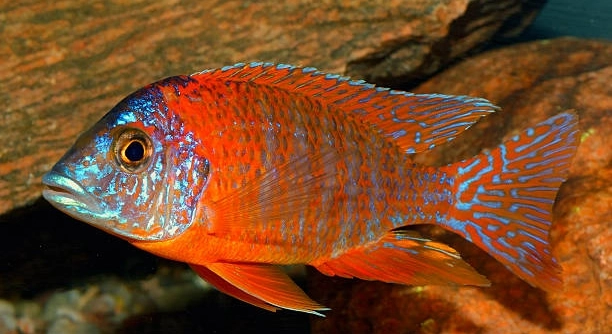
Are your convict cichlids showing signs of aggression or stress in your tank? Many fish owners struggle to find companions that can coexist peacefully with these bold and territorial freshwater fish. Proper planning is essential.
Selecting suitable tank mates for convict cichlids requires careful consideration of temperament, size, and environmental needs. Species that are too small or passive may be bullied, while larger, semi-aggressive fish can establish a balanced and manageable community.
Finding the right companions ensures a harmonious tank and keeps your fish healthy and active, making the aquarium a more enjoyable space for both owner and fish.
Best Tank Mates for Convict Cichlids
Convict cichlids are known for their bold personalities and territorial nature. Choosing compatible tank mates is crucial to maintain peace in the aquarium. Larger, semi-aggressive species tend to work best because they can hold their own without provoking unnecessary fights. Fish like silver dollars, rainbowfish, and certain catfish species often coexist well. Avoid very small or overly passive fish, as they can easily become stressed or harmed. Providing plenty of hiding spots, rocks, and decorations can also reduce tension. Plants should be hardy or placed in protected areas, as convicts can dig and uproot them. Consistent feeding and maintaining water quality help minimize aggression. Observing interactions regularly allows you to address conflicts early. Over time, compatible species can establish territories and routines, resulting in a balanced tank environment. Patience and careful selection make all the difference in keeping your aquarium healthy and visually appealing.
Proper space and hiding areas are key to minimizing disputes.
Tank size influences compatibility heavily. Smaller tanks increase stress and conflict, while larger setups give fish room to establish territories. Monitoring behavior is essential.
Avoiding Common Mistakes
One common mistake is mixing convicts with fish that are too passive or slow-moving. They often become targets for nipping or harassment. Another issue is overcrowding, which amplifies stress and aggression. Improper water parameters can also trigger hostility, as convict cichlids thrive in stable, clean conditions. Temperature, pH, and hardness should match the needs of all species in the tank. Decorations and hiding spots prevent constant confrontations and reduce stress. Feeding schedules also play a role; inconsistent feeding can make fish more territorial. Planning tank layout and observing interactions daily allows you to adjust before problems escalate. Pairing convicts with similarly sized or semi-aggressive fish is safer, reducing the risk of injury and stress. Choosing the right combination and managing the environment carefully ensures a calmer, healthier tank overall.
Choosing the right species, monitoring behavior, and providing proper conditions prevents aggression and creates a more balanced tank.
With proper selection, tank management, and attention to compatibility, convicts can live peacefully with other species. Adjusting decorations, providing hiding spots, and monitoring feeding helps maintain harmony. Over time, even territorial fish can coexist without constant stress or conflict.
Silver Dollar Fish
Silver dollar fish are fast, schooling fish that can handle the assertive nature of convict cichlids. Their size and speed make them less likely to be harassed, and they prefer mid-to-top tank levels, reducing direct territorial conflicts.
These fish thrive in groups of at least five, which helps them feel secure and reduces stress from convicts. Their peaceful yet active behavior balances the aggression of convicts. Silver dollars require open swimming space and prefer slightly acidic to neutral water. Providing plants and hiding spots is important, though they may nibble on softer leaves. Feeding a varied diet ensures they stay healthy and vibrant, complementing the tank’s dynamic.
Maintaining proper water parameters is crucial for both silver dollars and convicts. They prefer temperatures between 74–82°F and moderately hard water. Avoid overcrowding, as it increases stress and aggression. Observing interactions allows early detection of tension. Properly managing diet, space, and decorations ensures harmony, making silver dollars a reliable companion for convict cichlids.
Rainbowfish
Rainbowfish are colorful, active swimmers that occupy mid-to-top water levels, making them suitable tank mates for convicts. Their peaceful nature reduces aggressive encounters while adding visual appeal to the aquarium.
These fish prefer groups of six or more, which helps them feel safe and exhibit natural behavior. Rainbowfish adapt well to a range of water conditions but thrive in slightly alkaline and stable temperatures. They are agile and fast, which allows them to avoid confrontations with territorial convicts. Decorations, open swimming areas, and floating plants help minimize stress. Feeding a varied diet of flakes, pellets, and occasional live foods keeps them healthy and vibrant, supporting overall tank balance.
Combining rainbowfish with convicts requires careful monitoring during initial introduction. Ensuring sufficient space, hiding spots, and compatible water parameters reduces stress and aggression. Gradually observing interactions helps you adjust tank setup if needed. Rainbowfish maintain activity without challenging convicts, creating a dynamic yet balanced aquarium environment.
Corydoras Catfish
Corydoras catfish are bottom dwellers that avoid direct confrontation with convict cichlids. Their small size and peaceful nature make them ideal for cohabitation, and they help keep the tank clean by scavenging leftover food.
They should be kept in groups of at least three to five. Corydoras prefer soft, sandy substrate to protect their sensitive barbels. They are gentle, active, and rarely provoke convicts. Providing hiding spots like caves or dense plants ensures they feel secure while sharing the tank. Their constant movement along the bottom adds life to the aquarium without interfering with mid- and top-level swimmers.
Plecostomus
Plecos are hardy, algae-eating fish that occupy the bottom of the tank, minimizing conflict with convict cichlids. Their tough armor and size help them coexist safely. They require driftwood and hiding areas to thrive, and regular feeding supports their health.
Jack Dempsey
Jack Dempsey cichlids are larger, semi-aggressive fish that can match the assertiveness of convict cichlids. Their presence often balances the tank hierarchy, reducing excessive bullying. Proper spacing and monitoring are essential when combining these species.
Gouramis
Gouramis are peaceful, adaptable fish that occupy mid-to-top water levels. Their calm temperament and ability to tolerate a range of conditions make them compatible with convict cichlids, provided adequate space and hiding spots are available.
FAQ
What tank size is best for convict cichlids with other fish?
A minimum of 30 gallons is recommended when keeping convict cichlids with compatible tank mates. Larger tanks allow each species to establish territory and reduce aggressive encounters. Providing plenty of open swimming space along with hiding spots like rocks and caves keeps stress levels low.
Can convict cichlids live with small fish?
Small fish are generally not safe with convict cichlids. Convicts are territorial and can bully or injure smaller species. If you want variety, focus on larger, semi-aggressive, or fast-moving species that can handle the convict’s assertive behavior without constant stress.
Do hiding spots really help reduce aggression?
Yes, hiding spots are essential. Rocks, caves, and dense plants allow both convicts and other species to establish safe zones. This separation reduces confrontations, especially during breeding periods when convicts are most territorial. Changing tank layout occasionally also helps distribute territories more evenly.
How many convicts can I keep in one tank?
It depends on tank size. In a 30–40 gallon tank, one pair is ideal. Larger tanks may support two or more pairs if territories are well-separated. Overcrowding increases stress and aggression, so monitoring behavior and providing enough space is critical.
What should I feed convict cichlids with other fish?
A balanced diet of flakes, pellets, and occasional live or frozen food works well. Ensure all species receive food without competition. Bottom dwellers like corydoras and plecos benefit from sinking pellets, while mid-to-top swimmers like rainbowfish and gouramis can eat flakes or floating pellets.
How do I introduce new fish to a convict cichlid tank?
Introduce new fish gradually and ideally after convicts have established their territories. Rearrange decorations to disrupt established zones and reduce immediate territorial aggression. Observe closely for the first few days and separate fish if aggression becomes excessive.
Are plecos safe with convict cichlids?
Plecos are generally safe. Their armored bodies and bottom-dwelling habits help them avoid conflict. Providing driftwood and caves ensures they can rest and hide if needed. Feeding should supplement algae with vegetables or sinking pellets to maintain health and reduce stress.
Can rainbowfish get along with convicts long-term?
Yes, rainbowfish can coexist long-term if the tank is large enough and territories are respected. Their schooling behavior reduces stress, and they occupy mid-to-top levels, minimizing direct confrontations. Providing open swimming space and floating plants helps maintain a calm environment.
Do convict cichlids damage plants?
Convict cichlids are diggers and may uproot soft or delicate plants. Using hardy species, planting in pots, or placing plants in protected areas helps preserve greenery. Regular tank maintenance and decorations can compensate for disturbed plants.
How do I monitor aggression effectively?
Watch for chasing, nipping, and fin damage. Mild aggression is normal, but sustained attacks or hiding indicate stress. Rearranging decorations, adding hiding spots, or separating aggressive fish helps restore balance. Keeping a close eye daily prevents injuries and maintains harmony in the tank.
Is it necessary to match water conditions for all species?
Yes, compatibility depends on similar temperature, pH, and hardness. Convicts thrive in 74–82°F and moderately hard water. Choosing tank mates with overlapping ranges ensures all species remain healthy and reduces stress-induced aggression. Regular water testing supports stable conditions for everyone.
Can I keep more than one species of cichlid with convicts?
It is possible with caution. Semi-aggressive, similarly sized cichlids like jack dempseys can coexist if there’s enough space and territories are clearly separated. Avoid overcrowding and closely monitor for conflicts, especially during breeding periods. Adjust decorations and hiding spots to maintain stability.
How do I prevent bullying during feeding?
Feed in multiple locations to prevent competition. Use sinking pellets for bottom dwellers and floating or mid-water food for others. Observing feeding times ensures all fish receive enough nutrition without being harassed. Regular monitoring helps identify problem areas in the tank setup.
Can gouramis coexist with convict cichlids?
Yes, peaceful gouramis can share a tank if there is sufficient space. They occupy mid-to-top water levels and avoid direct conflict with convicts. Providing plants and hiding spots allows them to feel secure while maintaining harmony with more territorial species.
What signs indicate my convict cichlids are stressed?
Stress signs include hiding excessively, loss of appetite, nipping, and color fading. Aggression may increase or fish may stop defending territory properly. Adjusting tank size, decorations, or feeding routines helps reduce stress and maintain a healthy environment for all species.
How often should I check the tank after adding new fish?
Daily observation is recommended for at least the first two weeks. Watch interactions, territory disputes, and feeding behavior. Early intervention prevents injuries, allows you to adjust decorations, and ensures that all species settle in without ongoing stress.
Can I keep convict cichlids with livebearers?
Livebearers can sometimes coexist if they are large and fast enough. Smaller species may be harassed. Proper tank size, hiding spaces, and observation are crucial to prevent bullying and maintain a balanced environment. Livebearers’ activity can complement convicts without provoking aggression.
Is breeding a concern when keeping multiple cichlids?
Yes, breeding can increase aggression, as convicts become highly territorial when guarding eggs or fry. Extra hiding spots and careful planning of tank mates help reduce conflicts. Separating breeding pairs temporarily may also be necessary to protect other fish.
How do I handle severe aggression?
Severe aggression requires immediate action. Rearrange the tank, add hiding spots, or separate aggressive individuals. Constant fighting can injure fish or cause long-term stress. Maintaining proper tank conditions and observing interactions helps prevent escalation and ensures a safer environment.
What makes a tank harmonious long-term?
Balanced species selection, adequate space, proper water conditions, and careful monitoring are key. Decorations, hiding spots, and feeding management support coexistence. Patience and attention to behavior allow convicts and their tank mates to thrive together over time.
This FAQ provides guidance for keeping convict cichlids with compatible species, ensuring the aquarium remains healthy, balanced, and relatively stress-free for all inhabitants. Proper planning, observation, and environmental management are essential.
Convict cichlids are lively, bold fish that bring energy and character to any aquarium. Their territorial nature can make tank selection challenging, but with careful planning, they can coexist peacefully with compatible species. Choosing the right tank mates is essential for maintaining balance and reducing stress. Larger, semi-aggressive fish such as jack dempseys or rainbowfish can often hold their own, while bottom dwellers like corydoras and plecos avoid direct confrontation. Providing plenty of hiding spots, rocks, caves, and durable plants helps establish territories and allows fish to feel secure. Observing behavior regularly ensures that any conflicts are noticed early, giving the opportunity to adjust the tank layout or separate fish if necessary. A calm, organized environment helps minimize aggression and encourages natural behavior, making the tank more enjoyable to watch.
Water quality and tank size also play a critical role in maintaining harmony. Convict cichlids thrive in stable conditions with temperatures between 74 and 82°F and moderately hard water. Matching these parameters with the needs of their tank mates ensures all species remain healthy and active. Overcrowding should be avoided, as it increases stress and makes territorial disputes more likely. Feeding routines are equally important, with a combination of flakes, pellets, and occasional live or frozen foods providing balanced nutrition. Sinking pellets or bottom-specific foods support species that occupy lower levels, while floating or mid-water foods benefit those swimming near the surface. A consistent feeding schedule and careful observation of eating behavior help prevent competition and aggression. Small adjustments, such as rearranging decorations or adding new hiding spots, can make a significant difference in maintaining balance and reducing tension.
Long-term success with convict cichlids depends on patience, observation, and a thoughtful approach to tank management. By understanding the natural behavior of convicts and their companions, fish owners can create an environment where each species has room to thrive. Selecting compatible species, monitoring interactions, and providing the right space, hiding spots, and water conditions are all crucial for a healthy aquarium. Even highly territorial fish can adapt to shared spaces if their needs are respected and stress is minimized. Maintaining a peaceful, structured tank not only benefits the fish but also creates a more enjoyable and rewarding experience for the owner. Over time, with careful planning and consistent attention, a well-stocked convict cichlid tank can become a balanced and visually appealing ecosystem that supports both the energetic personality of the cichlids and the needs of their tank mates.

Hello,
If you enjoy the content that we create, please consider saying a "Thank You!" by leaving a tip.
Every little bit helps us continue crafting quality advice that supports the health, happiness, and well-being of pets around the world, for pets of all shapes, sizes, and species.
We really appreciate the kindness and support that you show us!