
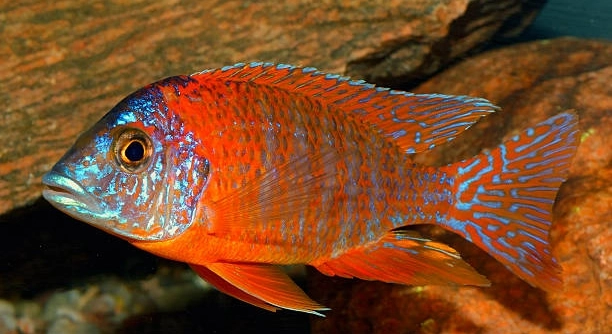
Convict cichlids are known for their bold personalities and territorial behavior. They are fascinating fish to keep, but their strong instincts can create challenges when housed with other tank mates. Choosing companions requires careful thought.
Some fish and invertebrates are not suitable tank mates for convict cichlids due to aggression, size differences, or territorial behavior. Avoiding incompatible species helps prevent stress, injury, and mortality, ensuring a safer and more stable aquarium environment.
Learning which companions to avoid can save your fish from unnecessary harm. Understanding these dynamics is key to maintaining a healthy and balanced tank ecosystem.
Aggressive Tank Mates
Convict cichlids are naturally aggressive, especially during breeding. Pairing them with other aggressive species can quickly lead to fights. Even fish of similar size may not be safe, as convict cichlids are extremely territorial. They will chase, nip, and intimidate almost any intruder. Avoid keeping them with other cichlids that have similar behavior. Aggression is not limited to tank size; even large tanks cannot fully prevent conflicts. Hiding spaces may reduce stress, but dominant fish often find their rivals. Aggressive tank mates can end up injured or stressed, which affects their health and growth. Observation is key when introducing any new species. Monitoring interactions and being ready to separate fish when necessary can save lives. Understanding the natural tendencies of convict cichlids helps you plan better tank communities and avoid constant stress for all fish.
Keeping aggressive species together often leads to injury or death if conflicts escalate.
Choosing calmer, non-territorial species prevents constant fighting, making the tank safer and less stressful for convict cichlids and other fish.
Small or Delicate Fish
Small fish are easy targets for convict cichlids.
Convict cichlids are strong and fast, which makes tiny or delicate species highly vulnerable. Fish such as neon tetras, guppies, or small rasboras can be harassed or eaten within hours. Even peaceful species are at risk because convicts do not tolerate intrusion into their space. Adding small fish can disrupt the tank’s balance, causing stress for all inhabitants. Protecting smaller species would require excessive hiding spots or separate tanks, which is not practical for most setups. Choosing species closer in size and temperament to convict cichlids is safer. Medium to large-sized community fish or robust species that can handle assertive behavior work best. Planning a tank that respects size and temperament ensures healthier fish and a more peaceful environment overall. Proper research before selecting companions can prevent unnecessary loss and maintain a more stable aquarium ecosystem.
Slow-Moving Fish
Slow-moving fish cannot escape convict cichlids’ rapid attacks.
These cichlids are fast and decisive when defending territory or hunting. Fish that swim slowly or cannot maneuver quickly, such as angelfish or bettas in certain setups, often become targets. Even if the slow-moving fish is larger, it may still face stress or injury. Stress can weaken the immune system, leading to illness. Tank layouts with too few hiding spots make matters worse. Convict cichlids’ bold and territorial nature does not leave room for timid companions. Choosing agile, robust species ensures that all fish can move freely without constant harassment. Observing the cichlids’ behavior early can prevent major conflicts before they escalate.
Adding slow-moving fish often results in repeated chasing, injuries, or death.
Avoiding sluggish species keeps the aquarium balanced, reducing stress and allowing convict cichlids to behave naturally without harming others.
Fin-Nipping Fish
Fin-nipping species provoke aggression and damage.
Fish such as tiger barbs, serpae tetras, or other nippy species can irritate convict cichlids. Convicts may chase them constantly or bite their fins, causing wounds and infections. Even brief exposure can trigger prolonged stress, reducing overall health. Constant harassment can prevent convict cichlids from eating or resting properly. Aggressive interactions escalate quickly, especially during breeding periods, and smaller nippy fish are at risk of being overpowered. Preventing fin damage is crucial because infected fins are prone to bacterial or fungal infections, which may require treatment. Proper selection of tank mates avoids these conflicts. Pairing convict cichlids with peaceful, non-nippy fish reduces stress for all tank inhabitants, supporting growth, vibrant coloration, and overall well-being.
Maintaining a calm and compatible tank helps convict cichlids thrive.
Avoiding fin-nipping companions prevents constant attacks, stress, and health problems, ensuring a safer environment for all fish and preserving harmony in the tank.
Peaceful Community Fish
Peaceful community fish often struggle with convict cichlids’ strong personalities.
Even small, non-aggressive species can be constantly harassed or stressed. Their calm nature makes them easy targets, which can lead to injury or weakened health. These fish usually cannot compete for space or food.
Shrimp and Small Invertebrates
Shrimp, snails, and other tiny invertebrates are frequently eaten by convict cichlids. Their slow movement and small size make them easy prey. Even hardy species cannot withstand the cichlids’ persistent attention, so including them in the same tank often results in rapid losses.
Overly Territorial Species
Pairing convict cichlids with other highly territorial fish can cause constant fighting. Aggression escalates quickly, leading to injuries, stress, and disruption of the tank’s balance.
FAQ
What fish are safe to keep with convict cichlids?
Larger, robust fish that can handle assertive behavior are the safest companions. Species like silver dollars, large gouramis, or larger catfish often coexist without constant conflict. Avoid small or delicate species, as they can be stressed or injured. Adding enough space and hiding spots also helps reduce tension.
Can convict cichlids live with other cichlids?
They can, but careful selection is essential. Avoid pairing them with similarly aggressive or highly territorial cichlids. Some larger, semi-aggressive cichlids may work, but only in spacious tanks with multiple hiding areas. Close observation is necessary to prevent fights. Breeding pairs are especially protective and may attack tank mates.
Are peaceful fish completely unsafe with convicts?
Not always, but most peaceful community fish will experience stress. Slow-moving or small species are particularly vulnerable. Even with plenty of hiding spots, convicts may chase or nip at calmer fish. Some mid-sized, non-aggressive species can sometimes adapt if the tank is large enough and territories are established.
How can I reduce aggression in a mixed tank?
Providing a large tank with visual barriers, caves, and plants can help. Avoid overcrowding, as too many fish increase stress and conflicts. Introducing fish at the same time allows territories to stabilize. Regular monitoring is crucial, especially during breeding periods when aggression peaks.
Do convict cichlids recognize certain tank mates as threats?
Yes, they can identify fish that invade their territory or compete for resources. Territorial instincts drive aggressive behavior toward perceived threats. Fish that are too small, slow, or aggressive themselves are likely to trigger chasing or attacks. Awareness of natural behavior patterns helps plan compatible communities.
Can tank decorations protect smaller fish?
Decorations, plants, and hiding spots reduce direct confrontations but cannot guarantee safety for small or delicate species. Convict cichlids are persistent and fast, often finding ways to reach vulnerable fish. Using breakable lines of sight, multiple shelters, and dense foliage helps, but compatibility is the most important factor.
Is it possible to keep invertebrates with convict cichlids?
In most cases, shrimp, snails, and tiny invertebrates will be eaten. Convicts are opportunistic feeders and naturally target slow-moving prey. Larger, heavily armored invertebrates may survive, but smaller species are rarely safe. Separate tanks or refuges are better if you want to keep both invertebrates and convict cichlids.
How do breeding pairs affect tank dynamics?
Breeding pairs become extremely territorial, often attacking tank mates regardless of size or temperament. Aggression increases during egg care and fry protection. Even previously safe species may be chased or injured. Providing separate breeding tanks or dividing the main tank temporarily is recommended to protect other fish.
Can aggression ever be completely prevented?
No, convict cichlids are naturally bold and territorial. Aggression can be minimized with tank size, hiding spots, and compatible species, but some level of chasing or dominance behavior is inevitable. Understanding their instincts and planning carefully is the most effective strategy.
What signs indicate a tank mate is stressed?
Signs include hiding excessively, torn fins, reduced appetite, or lethargy. Fish may also swim frantically or avoid certain areas. Early detection allows intervention before injury or disease occurs. Removing vulnerable fish or adding shelters can reduce stress and protect all inhabitants.
Are there any exceptions to these guidelines?
Some mid-sized, semi-aggressive fish may coexist successfully under specific conditions. Tank size, number of hiding spots, and individual personalities matter. Even then, careful observation is necessary, as aggression can spike unpredictably. Patience and monitoring are key to maintaining a stable, safe aquarium environment.
How often should I monitor interactions?
Daily checks are recommended, especially after introducing new fish. Watch for chasing, nipping, or territorial disputes. Early intervention prevents injuries and stress. Adjusting decorations or separating aggressive fish can maintain harmony before conflicts escalate. Consistent monitoring ensures a healthier, more balanced tank overall.
What is the most common mistake with convict cichlid tanks?
The biggest mistake is underestimating their aggression. Many keepers add small, peaceful, or slow-moving fish, expecting them to coexist. This often leads to injuries, stress, or death. Choosing compatible tank mates and providing sufficient space and hiding areas prevents these common problems.
How do I choose the best tank size for multiple species?
Larger tanks give all fish space to establish territories and reduce conflicts. For convict cichlids, a tank of at least 55 gallons is recommended when housing multiple species. Adding visual barriers, rocks, and plants creates separate zones, minimizing stress and aggressive interactions.
Can aggression affect water quality?
Yes, fights often lead to injuries, which can introduce bacteria and stress-related illness. Overcrowding and constant chasing increase waste, raising ammonia and nitrate levels. Frequent water testing, filtration, and maintenance are essential to keep the tank safe for all inhabitants.
Is it safe to keep fry with adult convicts?
No, adult convicts may view fry as intruders or prey. Breeding adults will defend eggs aggressively and attack other fish in the tank. Separate rearing tanks or protective barriers are necessary to ensure survival of both fry and other fish species.
How do I know if a fish is compatible before adding it?
Research species behavior, size, and temperament. Look for robust, mid- to large-sized fish that are not overly territorial. Avoid small, slow, or fin-nipping fish. Gradual introductions and observation during the first few days are critical for determining long-term compatibility.
Can aggression cause long-term health issues?
Yes, chronic stress weakens immunity, slows growth, and increases disease susceptibility. Injuries from fighting can lead to infections. Selecting proper tank mates and maintaining stable conditions helps prevent long-term health problems and ensures all fish thrive.
Are there any non-fish companions for convict cichlids?
Some larger, armored invertebrates may survive, but most shrimp and small snails are at risk. Rocks, plants, and driftwood can create hiding spots, but living companions must be chosen carefully. Tank planning should prioritize safety, space, and behavior patterns to avoid losses.
What is the best strategy for a mixed-species tank?
Focus on size, temperament, and agility. Provide ample space, visual barriers, and hiding areas. Introduce fish gradually, monitor interactions, and separate individuals if aggression escalates. Patience and planning ensure a balanced tank that minimizes stress and injury while allowing convict cichlids to behave naturally.
Can water parameters influence aggression?
Yes, poor water quality or fluctuating conditions increases stress and can trigger aggression. Stable temperature, pH, and clean water help reduce tension. Proper filtration, regular water changes, and monitoring parameters are essential to keep convict cichlids and other species healthy and calm.
How long does it take to establish a peaceful tank?
Territorial boundaries usually stabilize within a few weeks, but some aggression may persist indefinitely. Continuous observation, proper spacing, and compatible companions ensure ongoing harmony. Adjustments to tank layout or separating aggressive individuals may be necessary to maintain a safe environment.
What should I do if aggression persists?
Rearranging the tank, adding hiding spots, or separating aggressive fish are effective solutions. Sometimes, removing certain tank mates is necessary to protect smaller or weaker species. Prompt intervention prevents injuries, stress, and potential loss of fish, maintaining a balanced aquarium ecosystem.
Are convict cichlids more aggressive during certain times?
Yes, aggression increases during breeding and territorial establishment. Males defend nests aggressively, and females protect eggs and fry. Non-breeding periods are generally calmer, but dominant behavior remains. Awareness of these cycles helps manage tank interactions and prevent conflicts.
How important is diet in managing aggression?
A balanced diet reduces stress and aggressive competition over food. Hungry or underfed convict cichlids are more likely to chase or nip tank mates. Providing high-quality, varied food in sufficient quantities supports health and reduces food-related disputes.
Can lighting affect aggression?
Harsh lighting or sudden changes can trigger stress and increase chasing or territorial displays. Soft, consistent lighting and natural day-night cycles help keep fish calmer. Using floating plants or shaded areas can provide refuge, further reducing tension in the tank.
Is overcrowding a major factor?
Overcrowding significantly increases aggression. Convict cichlids need space to establish territories and avoid constant confrontation. Too many fish in a small tank lead to stress, chasing, and injuries. Proper stocking density is crucial for maintaining a peaceful, balanced environment.
Can decorations alone prevent aggression?
Decorations help, but they cannot replace compatible tank mates. Rocks, caves, and plants reduce direct conflicts by offering hiding places. However, choosing species with similar size, temperament, and activity levels is essential. A well-planned tank combines space, décor, and careful selection for safety.
Do convict cichlids ever ignore other fish?
Some peaceful tank mates may be tolerated if they do not enter territories or compete for resources. However, dominant or territorial behavior often persists. Fish that are too small, slow, or aggressive themselves are rarely ignored, making careful selection key to harmony.
What are the signs that a tank mate is unsafe?
Frequent chasing, nipping, stress behaviors, hiding, and torn fins are clear signs. Small or timid species often display these behaviors first. Identifying unsafe companions early allows adjustments to tank composition, saving fish from injury or death and maintaining overall balance.
How can I safely introduce new fish?
Introduce all new fish slowly, ideally using quarantine tanks first. Monitor interactions closely and provide hiding spaces. Avoid sudden additions, as convicts may perceive newcomers as threats. Gradual acclimation and careful observation minimize stress and aggression, helping establish a stable tank community.
What role does tank size play in compatibility?
Larger tanks reduce direct encounters and allow territories to form naturally. Convict cichlids need space to establish zones without constant conflict. Small tanks increase stress and aggression, often making otherwise compatible species unsafe. Proper tank planning ensures health and stability for all inhabitants.
How often should I rearrange the tank to reduce aggression?
Occasional rearrangement can help break up established territories and reduce dominant behavior. Move rocks, plants, or decorations periodically, but avoid frequent drastic changes, which may increase stress. Strategic adjustments help maintain harmony while keeping fish stimulated and active.
Can aggression be managed without removing fish?
Yes, in some cases, providing additional hiding spots, increasing tank size, or rearranging décor reduces conflict. Aggressive pairs may calm over time if territories are clearly defined. However, persistent attacks may still require separating certain fish to ensure safety.
Are juvenile convict cichlids less aggressive?
Juveniles are generally less territorial, but aggression increases with age and maturity. Early socialization and careful tank management help reduce conflicts later. Introducing tank mates gradually while observing interactions prevents early injuries and prepares for adult behavior.
Can aggression affect breeding success?
Yes, stressed or injured fish are less likely to breed successfully. Territorial disputes, constant chasing, or injuries can prevent mating or reduce egg survival. Ensuring a peaceful, compatible environment improves breeding outcomes and overall health.
Is aggression different between male and female convicts?
Males are typically more territorial and display dominance behaviors, especially during breeding. Females protect eggs and fry aggressively. Understanding these differences helps plan tank layouts and select compatible companions, minimizing conflicts while supporting natural behaviors.
What is the best way to recover a stressed tank mate?
Provide hiding spots, remove aggressive fish if needed, and ensure clean water and proper nutrition. Reducing stress factors allows recovery of health and coloration. Observation during this period is essential to prevent repeated harassment and maintain overall tank stability.
Are some species better companions during breeding?
During breeding, separating convict pairs is usually safest. Some mid-sized, non-territorial species may coexist, but even tolerant fish risk aggression. Using a separate breeding tank protects both fry and tank mates, preventing injuries and ensuring the cichlids’ natural behavior is not disrupted.
Can aggression vary by individual personality?
Yes, some convict cichlids are more dominant or aggressive than others. Individual temperament affects interactions, and even compatible species may face occasional conflict. Monitoring behavior and adjusting the tank as needed helps manage differences and maintain harmony.
How do I know when a fish must be removed?
Signs include repeated chasing, injury, stress behaviors, or inability to feed. If aggression continues despite tank adjustments, separating the victim or the aggressive fish is necessary. Prompt action prevents injuries, disease, and long-term stress for all inhabitants.
Is it safe to mix convict cichlids with livebearers?
Generally, no. Livebearers like guppies or mollies are small and slow, making them easy targets. Convict cichlids often chase or eat them, resulting in high mortality. Larger, more robust species are better options for mixed-species tanks.
Do hiding spots fully prevent fights?
No, they reduce direct confrontation but cannot eliminate aggression entirely. Convict cichlids are persistent and will patrol territories. Adequate space, compatible companions, and hiding spots together provide the best chance for a peaceful environment.
Can aggression cause long-term tank instability?
Yes, repeated fighting can lead to stress, disease, injuries, and death. Over time, this affects water quality, social hierarchy, and overall tank balance. Proactive management, proper tank mate selection, and monitoring help maintain stability.
Are there environmental triggers for aggression?
Yes, overcrowding, poor water quality, and insufficient hiding spots increase stress and aggression. Breeding periods also intensify territorial behavior. Stable conditions, proper tank size, and thoughtful tank layouts reduce triggers and support calmer interactions.
How do I know if aggression is normal behavior?
Territorial displays, chasing, and dominance behaviors are normal for convict cichlids, especially during breeding. Occasional scuffles are expected, but persistent harassment or injury signals incompatibility. Observation helps distinguish between natural behavior and harmful aggression.
Can tank mates influence convict cichlids’ aggression?
Yes, aggressive or nippy tank mates can provoke more chasing or attacks. Peaceful, robust fish minimize conflict. Selecting companions that are compatible in size, temperament, and activity level reduces aggressive interactions and supports a balanced tank.
What is the safest approach for a mixed-species tank?
Prioritize compatible size, temperament, and speed. Provide sufficient space, hiding areas, and visual barriers. Introduce fish gradually, monitor behavior closely, and separate individuals if aggression persists. Careful planning ensures a balanced environment and protects all tank inhabitants.
How long should I quarantine new fish?
Two to four weeks is recommended to monitor health and behavior before adding them to the main tank. Quarantine prevents disease introduction and allows early observation of compatibility with convict cichlids.
Do lighting and decorations impact aggression?
Yes, shaded areas, plants, and visual barriers reduce stress and chasing. Bright lighting without cover may increase visibility and aggression. Thoughtful tank design helps maintain peace while allowing natural behavior.
Are tank size and layout more important than species selection?
Both matter, but compatible species are essential. Large tanks with thoughtful layouts reduce conflict, but choosing fish that can tolerate convict behavior is critical. Combining proper species selection with space and hiding spots ensures long-term harmony.
Can aggressive behavior decrease over time?
Some aggression may diminish once territories are established, but convicts remain naturally bold. Continuous monitoring and careful tank management are necessary. Patience and observation help maintain a stable environment while allowing natural behaviors.
Is it ever safe to mix juveniles with adults?
Juveniles may coexist temporarily, but aggression increases as they mature. Early separation of different age groups prevents injuries and stress. Proper planning ensures safety and a smoother transition to adult behavior.
What is the best long-term strategy for mixed tanks?
Choose compatible species, provide adequate space, add hiding spots, and monitor interactions. Adjust decorations or separate fish when necessary. Understanding convict behavior and planning proactively ensures a balanced, safe, and healthy tank for all inhabitants.
How can I prevent accidental deaths in the tank?
Careful species selection, proper tank size, ample hiding places, and constant observation prevent injuries. Address aggression early, maintain clean water, and provide a balanced diet. Being proactive reduces accidents and supports the well-being of all fish.
Are there signs of permanent stress in tank mates?
Yes, constant hiding, poor appetite, faded coloration, or slowed growth indicate chronic stress. These signs require immediate action, such as adding shelters, adjusting companions, or separating aggressive fish. Prompt intervention protects long-term health and tank balance.
Can tank plants reduce aggression effectively?
Plants help by creating visual barriers and hiding spots. Dense foliage gives small or timid fish areas to escape. However, plants alone cannot replace careful species selection and proper tank size. Combined with other strategies, plants contribute significantly to reducing aggression.
How does diet variety influence behavior?
A varied, nutritious diet reduces food-based aggression. Hunger or competition over limited food can increase chasing and nipping. Feeding high-quality flakes, pellets, and occasional live or frozen food supports health and helps maintain calmer interactions.
Are certain water parameters better for reducing aggression?
Stable, appropriate temperature, pH, and clean water reduce stress, which in turn lowers aggression. Fluctuating conditions increase tension and chasing behavior. Monitoring and maintaining parameters consistently supports calmer, healthier fish and a more stable tank environment.
Is it possible to rehome aggressive or vulnerable fish safely?
Yes, rehoming can prevent injuries and stress. Ensure the new environment suits the fish’s size, temperament, and social needs. Proper acclimation and careful transport reduce additional stress and support successful integration into a new tank.
What role does observation play in managing aggression?
Daily observation allows early detection of stress, injuries, or persistent chasing. Adjusting tank layout, separating fish, or adding hiding spots promptly prevents escalation. Consistent monitoring is essential for maintaining a safe, healthy, and balanced aquarium for all inhabitants.
How can I balance aggression with natural behavior?
Provide adequate space, hiding spots, and compatible companions. Accept some chasing and territorial displays as natural, but intervene when aggression causes stress or injury. Planning and careful management allow convict cichlids to express instincts while maintaining a safe environment.
Can aggression affect breeding in other species?
Yes, constant harassment or stress from convict cichlids can prevent other fish from breeding successfully. Protecting vulnerable species during breeding periods is important, either by using separate tanks or creating secure, stress-free areas within the main aquarium.
How important is regular maintenance in controlling aggression?
Very important. Clean water, stable parameters, and proper feeding reduce stress, which in turn limits aggressive behavior. Maintenance also prevents injuries and infections, supporting both convict cichlids and their tank mates for a healthier, more peaceful environment.
Is it necessary to adjust tank mates over time?
Yes, as convict cichlids mature or breeding occurs, aggression patterns may change. Reassessing
Convict cichlids are bold and territorial fish that require careful planning when selecting tank mates. Their natural instincts make them aggressive toward smaller, slower, or overly peaceful species. Choosing companions without considering size, temperament, and activity level can result in stress, injuries, or death. Many new keepers underestimate how assertive these fish can be, and even seemingly calm species may face constant chasing or nipping. Observing behavior early is essential to prevent serious problems and maintain a balanced aquarium. Providing enough space, hiding spots, and visual barriers reduces tension, but it does not replace careful species selection. Understanding these traits helps keep both convict cichlids and other fish healthier and less stressed.
When planning a mixed-species tank, it is important to match fish with similar size and resilience. Slow-moving fish, delicate species, or fin-nippers are generally unsafe companions because they are prone to harassment or injury. Even peaceful fish can experience stress if they are too timid or cannot defend themselves adequately. Larger, robust species that are fast and active are usually safer options. Tank size also plays a critical role in reducing conflicts. Larger tanks allow territories to form naturally, giving fish room to move and avoid constant encounters. Decorations such as rocks, plants, and caves provide additional protection and help break up sight lines, creating zones that reduce direct aggression. Careful planning ensures that all inhabitants can coexist without compromising health or safety.
Breeding periods require extra caution, as convict cichlids become extremely protective of eggs and fry. Aggression peaks during this time, and even compatible tank mates may face attacks. Separate breeding tanks or temporary barriers are often necessary to protect other species. Monitoring interactions, maintaining stable water conditions, and providing a balanced diet support calmer behavior and reduce stress. Regular observation is key to identifying problems before they escalate, allowing quick adjustments in tank layout or fish placement. By understanding natural behavior, respecting territorial instincts, and selecting compatible species, it is possible to create a thriving aquarium where convict cichlids coexist safely with other fish. Long-term success depends on patience, planning, and consistent care to maintain harmony in the tank and ensure the health and well-being of all aquatic inhabitants.

Hello,
If you enjoy the content that we create, please consider saying a "Thank You!" by leaving a tip.
Every little bit helps us continue crafting quality advice that supports the health, happiness, and well-being of pets around the world, for pets of all shapes, sizes, and species.
We really appreciate the kindness and support that you show us!