
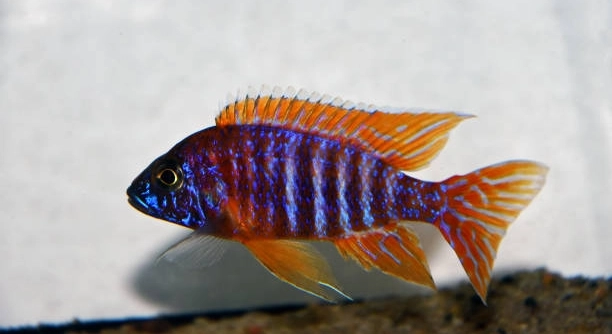
Cichlids are colorful and lively fish that often catch the attention of aquarium enthusiasts. Their behavior can sometimes seem puzzling, especially when they appear to bump into each other repeatedly during daily activities.
Cichlids ram into each other primarily to establish territory and social hierarchy. This behavior is a natural form of communication, signaling dominance, defending space, and reducing direct aggression. It is a common and expected interaction among these species.
Observing these interactions more closely can reveal patterns in their social behavior and territorial instincts, offering valuable insights into maintaining a balanced aquarium environment.
Understanding Territorial Behavior
Cichlids are naturally territorial fish, and their ramming behavior is a clear expression of this instinct. In a tank, each fish tries to claim its own space, marking boundaries through physical contact and displays of strength. When two cichlids encounter each other, bumping or ramming helps communicate dominance without causing serious injury. This is especially noticeable during feeding times or when new fish are introduced. Their behavior is not aggressive in a harmful sense but serves to maintain order and prevent ongoing fights. Observing how they interact can help you arrange the tank more effectively, providing hiding spots and visual barriers to reduce tension. Over time, most cichlids establish a pecking order where each fish knows its place. This behavior is more common in certain species and can be influenced by tank size, population density, and environmental factors, making careful planning essential.
Territorial ramming is mostly about communication rather than direct aggression. It keeps the tank structured.
Providing ample space, rocks, and plants can help cichlids feel secure and reduce excessive bumping, making the aquarium more peaceful overall.
Mating and Reproductive Triggers
During breeding seasons, cichlids often increase ramming and nudging behavior to protect their chosen mates and nesting areas.
When preparing for mating, cichlids become highly protective of eggs and fry. Ramming and nudging serve as a way to ward off potential threats while coordinating with partners. Males may chase rivals away from breeding sites, and females often reinforce the defense by joining in the displays. This behavior is natural and ensures higher survival rates for offspring. Tanks without enough hiding spaces can amplify stress, causing more frequent and intense interactions. Recognizing these signals helps in managing breeding pairs and reducing unnecessary conflicts. By observing patterns, you can identify which fish are pairing up and which areas they prefer for laying eggs. Adjusting tank arrangements, adding partitions, or introducing more plants allows cichlids to express these instincts safely, benefiting both their health and reproductive success, while maintaining a calmer aquarium environment.
Social Hierarchy and Pecking Order
Cichlids use ramming to establish a social hierarchy in the tank. Each fish learns its rank through repeated interactions, reducing long-term conflict once roles are clear.
Once a pecking order is set, the dominant fish assert control over key areas, while subordinate fish adjust their behavior to avoid constant conflict. This system helps maintain stability and reduces the risk of serious injury. Repeated bumping and nudging allow cichlids to communicate status without resorting to aggressive attacks. Tank size, group composition, and species differences influence how intense these interactions become, and careful observation can help manage tensions effectively.
Understanding social hierarchy also helps explain why some fish appear more active or aggressive. Dominant cichlids patrol their territory frequently, while lower-ranking fish spend more time hiding or moving cautiously. Recognizing these dynamics allows for better tank organization, ensuring all fish have space and access to resources, reducing stress and encouraging natural behavior patterns over time.
Environmental Triggers
Changes in the tank can trigger sudden ramming behavior. Rearranging decorations or adding new fish often increases bumping temporarily.
Environmental stressors, such as limited hiding spots, strong currents, or fluctuating water conditions, can amplify ramming frequency. Fish may push each other to test boundaries, find safer spaces, or assert dominance when conditions feel uncertain. Even minor disturbances, like cleaning the tank or adjusting lighting, can provoke more interaction than usual. Providing consistent conditions and enough space helps cichlids feel secure, reducing unnecessary stress-induced ramming.
Tank layout plays a major role in managing behavior. Rocks, caves, and plants create visual barriers and private zones, allowing fish to retreat when needed. Ensuring adequate swimming space reduces competition for territory and resources. Observing fish responses to changes can guide adjustments, making the aquarium environment more balanced. Species-specific needs also matter, as some cichlids are naturally more territorial. Regular monitoring of interactions helps prevent prolonged stress, supports healthy social hierarchies, and encourages natural, controlled ramming behavior without escalating into aggression.
Feeding and Resource Competition
Cichlids often ram into each other during feeding to establish priority over food. This behavior ensures stronger fish access to resources while weaker ones wait their turn.
Competition over hiding spots or favorite areas near food can also trigger ramming. Fish push each other to claim the best positions, which helps maintain order and reduces prolonged fighting.
Stress and Overcrowding
Overcrowded tanks increase stress levels among cichlids, leading to more frequent ramming. Limited space forces fish to compete for territory, food, and resting areas, intensifying interactions. Regular monitoring and maintaining proper stocking levels can prevent chronic stress and excessive bumping.
Recognizing Aggressive Patterns
Aggressive ramming is often accompanied by flared fins, color changes, or chasing. Identifying these signs early allows intervention before injuries occur.
FAQ
Why do my cichlids keep ramming each other even in a large tank?
Even in spacious tanks, cichlids establish territories and social hierarchies. Ramming is part of their natural communication, signaling dominance or testing boundaries. Providing hiding spots, visual barriers, and plants can reduce the intensity, but occasional bumping is normal and expected.
Is ramming a sign of illness or injury?
Not usually. Healthy cichlids ram to communicate or compete. However, if ramming is accompanied by lethargy, unusual swimming, or visible wounds, it may indicate stress or disease. Regular water checks, balanced feeding, and observing interactions help distinguish normal behavior from health issues.
How can I prevent constant bumping between cichlids?
Adjust tank layout to include rocks, caves, and plants for visual separation. Avoid overcrowding and maintain species-specific groups. Feeding in multiple locations reduces competition. Recognizing which fish are dominant allows for strategic placement, giving subordinate fish safe zones to reduce conflict.
Do cichlids ever injure each other from ramming?
In most cases, ramming is controlled and rarely causes serious injury. Minor scrapes may occur, but these usually heal quickly. Severe injuries happen when overcrowding, stress, or aggressive species mix. Monitoring interactions and adjusting tank conditions prevents escalation and protects weaker fish.
Does ramming increase during breeding season?
Yes. Breeding cichlids become more protective of mates, eggs, and fry. Ramming helps secure nesting sites and ward off rivals. Providing separate breeding areas, hiding spots, and minimal disturbances reduces stress and supports successful reproduction. Observing their patterns allows better management of territorial behavior during this period.
Can adding new fish trigger ramming?
Introducing new cichlids disrupts established hierarchies. Existing fish may ram newcomers to assert dominance. Quarantining new arrivals, introducing them gradually, and providing plenty of hiding spaces helps reduce conflict and allows social order to reset with minimal stress.
Is ramming more common in certain cichlid species?
Yes. Some species are naturally more territorial or aggressive, such as African cichlids, while others are calmer. Researching species-specific behavior before tank setup helps anticipate interactions. Adjusting tank size, decorations, and group composition minimizes unnecessary bumping and keeps the environment balanced.
How does tank size affect ramming?
Smaller tanks force fish into closer contact, increasing frequency and intensity of ramming. Larger tanks reduce encounters but do not eliminate territorial behavior. Adequate space combined with visual barriers ensures fish can express natural instincts safely without constant conflict.
Can ramming be redirected or controlled?
Yes. Rearranging decorations periodically, adding hiding spots, or splitting fish into subgroups can redirect energy. Feeding strategies, such as multiple feeding points, reduce competition. Recognizing triggers and observing behavior allows proactive management, keeping interactions controlled without suppressing natural instincts.
When should I worry about ramming behavior?
Be concerned if bumping escalates to constant chasing, visible injuries, or severe stress signs like loss of appetite or hiding excessively. This indicates environmental issues, overcrowding, or incompatible species. Timely intervention ensures fish remain healthy, stress levels are minimized, and the tank remains harmonious.
Final Thoughts
Cichlids are naturally active and territorial fish, and their ramming behavior is a normal part of how they interact. In many cases, ramming is simply a way for fish to communicate, establish dominance, or protect their space. While it can seem aggressive at first glance, most of the time it does not cause serious harm. Understanding that this behavior is instinctive helps in managing a tank more effectively. Providing enough space, hiding spots, and visual barriers can reduce unnecessary bumping and make interactions less stressful for all the fish. Even in well-maintained aquariums, occasional ramming is normal and shows that the fish are active and socially engaged. Observing these patterns over time can help identify which fish are dominant, which areas are most contested, and how to adjust the tank environment to meet the needs of every individual.
Managing a cichlid tank requires attention to environmental factors and social dynamics. Tank size is an important consideration, as overcrowding increases stress and forces fish into repeated confrontations. Decorations, plants, and rocks can break up lines of sight and create private zones where subordinate fish can retreat. This helps lower the intensity of ramming and allows dominant fish to patrol without constant challenges. Feeding strategies also play a role, since competition for food can trigger bumping and chasing. Offering food in multiple locations reduces direct competition and gives all fish a fair chance to eat. Water quality, lighting, and regular maintenance further reduce stress, keeping fish healthy and interactions controlled. By carefully planning tank layout and observing fish behavior, it is possible to maintain a harmonious environment where natural instincts are expressed safely.
Breeding behavior and species differences add another layer to consider when managing ramming behavior. During mating seasons, cichlids become more protective and territorial, which naturally increases physical interactions. Providing separate breeding areas and ensuring the tank has enough hiding spaces supports this instinct while minimizing conflict. Different species also display varying levels of territoriality, so researching behavior before adding new fish is essential. Even when ramming occurs frequently, understanding its purpose helps keep it in perspective. With consistent observation, careful adjustments, and attention to social structure, cichlid owners can maintain a tank where natural behaviors like ramming do not escalate into harmful aggression. Proper care ensures that all fish remain healthy, active, and able to express their instincts in a safe and balanced environment.

Hello,
If you enjoy the content that we create, please consider saying a "Thank You!" by leaving a tip.
Every little bit helps us continue crafting quality advice that supports the health, happiness, and well-being of pets around the world, for pets of all shapes, sizes, and species.
We really appreciate the kindness and support that you show us!