
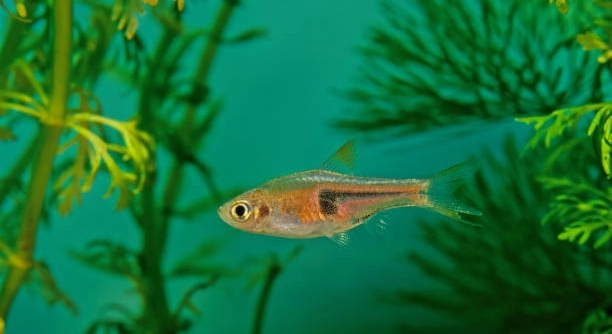
Is your rasbora swimming alone while the rest of the group stays together? Observing this behavior can be concerning for any aquarist. Changes in environment, stress, or illness can influence how these social fish interact.
Rasboras may avoid their group due to stress, illness, bullying from tank mates, or unsuitable water conditions. Identifying the cause requires careful observation and adjustments to their environment to restore social behavior and overall well-being.
Recognizing these signs early can help your fish return to normal behavior and maintain a healthy, balanced aquarium environment.
Common Reasons Rasboras Swim Alone
Rasboras are naturally social fish, and when one separates from the group, it usually signals a problem. Stress is one of the most frequent causes. Sudden changes in water temperature, pH levels, or poor water quality can make them feel unsafe. Illness also plays a role, as sick fish often isolate themselves to conserve energy or avoid being harassed. Aggressive tank mates can push a rasbora away from the group, leading to prolonged periods of isolation. Even changes in lighting or decorations can alter their behavior. Observing how your rasbora interacts with others can help pinpoint the issue. Adjusting the environment gradually often encourages reintegration. Providing hiding spots and maintaining stable water conditions are practical ways to reduce stress. Additionally, maintaining proper nutrition and regular monitoring ensures their immune system remains strong, helping them stay active and social. Understanding these factors helps maintain a harmonious aquarium.
Stress, illness, and aggression are the primary reasons a rasbora may isolate itself from the group.
Addressing these issues involves consistent care. Testing water parameters frequently, introducing peaceful tank mates, and offering a balanced diet improve comfort. Observing behavior changes early allows for timely intervention and better health outcomes. Proper tank arrangement and minimal disturbances also help the fish feel secure, increasing the likelihood they rejoin their group. Maintaining this routine supports both the isolated rasbora and the entire school.
Adjusting Your Aquarium Environment
Proper tank conditions are essential to encourage social behavior among rasboras.
Ensuring stable temperature and clean water helps reduce stress.
Start by testing water temperature, pH, and ammonia levels regularly. Rasboras thrive in slightly acidic to neutral water with temperatures between 72–79°F (22–26°C). Adding live plants and hiding spots creates a safe space, allowing the fish to explore without feeling threatened. Avoid overcrowding and monitor the introduction of new tank mates to prevent bullying. Gradually acclimate any changes to prevent shock. Feeding a varied diet of flakes, micro-pellets, and occasional live foods boosts energy and immunity. Observing your fish daily helps detect early signs of illness or stress. Maintaining a consistent lighting schedule supports natural activity patterns. Small adjustments, like rearranging decorations or adding gentle filtration, can encourage hesitant fish to return to the group. Over time, these changes help create a calm, balanced environment where rasboras feel comfortable swimming together and thriving as a school.
Signs of Illness in Rasboras
Lethargy, faded colors, clamped fins, and loss of appetite are common signs of illness. Affected fish often isolate themselves, staying at the bottom or hiding in corners, away from the group.
Observing these symptoms early can prevent more serious health problems. Rasboras are sensitive to water quality, so poor conditions can quickly lead to infections or stress-related diseases. Parasites, bacterial infections, and fungal growth are common concerns. Quarantining the sick fish and improving water quality helps prevent the issue from spreading. A balanced diet and careful monitoring support recovery. Regular water changes and avoiding sudden environmental changes reduce stress, promoting healing. Keeping the tank clean and stable ensures the fish regain strength and social behavior over time.
Treatment depends on the specific illness. Isolating affected fish, using appropriate medications, and maintaining optimal water conditions are essential. Supporting their immune system through high-quality food and a stress-free environment speeds recovery. Observation remains key, as noticing subtle behavioral changes early can prevent permanent damage or death.
Encouraging Your Rasbora to Rejoin the Group
Adding plants, hiding spots, and gentle lighting creates a secure environment for hesitant fish.
Gradual acclimation and minimizing disturbances help rasboras regain confidence. Observing their behavior during feeding and activity times reveals which fish may need more space or reassurance. Slowly rearranging the tank to reduce aggression or stress can make a shy rasbora feel safe. Introducing new tank mates cautiously prevents intimidation, while maintaining consistent water parameters supports social behavior. Offering a varied diet with small, frequent feedings encourages activity and interaction. Over time, these steps promote comfort and reintegration into the group, improving overall tank harmony and fish health.
Stress Factors Affecting Rasboras
Sudden changes in water temperature, pH, or lighting can cause stress. Overcrowding or aggressive tank mates also make rasboras feel unsafe, leading them to isolate themselves from the group.
Even small disturbances, like loud noises or frequent tapping on the tank, can impact their behavior. Stress weakens their immune system, making them more prone to illness and reducing their activity levels.
Monitoring Water Quality
Regular testing of ammonia, nitrite, nitrate, and pH levels ensures a stable environment. Clean water is essential for rasboras to remain active and social.
Maintaining proper water conditions involves frequent partial water changes and careful observation of behavior. Tanks should have reliable filtration and avoid sudden fluctuations. Consistent water quality prevents stress-related issues and supports healthy interactions within the group. Monitoring ensures early detection of any problems, allowing for timely correction and reducing the risk of prolonged isolation. Keeping parameters stable promotes both physical health and natural schooling behavior in rasboras.
Diet and Nutrition
A balanced diet supports energy, immunity, and social behavior in rasboras.
Feeding a mix of flakes, micro-pellets, and occasional live foods ensures they receive essential nutrients. Regular, small feedings help maintain activity levels and encourage interaction with the group.
FAQ
Why is my rasbora swimming alone?
Rasboras are schooling fish and naturally stick together. When one separates, it often indicates stress, illness, or environmental changes. Overcrowding, aggressive tank mates, or sudden shifts in water temperature and pH can also cause them to isolate. Observing the fish closely helps identify the exact cause.
How can I tell if my rasbora is sick?
Signs of illness include clamped fins, faded colors, lethargy, hiding, or loss of appetite. Sometimes they may stay at the bottom or in corners of the tank. Early detection is important. Quarantining the fish and adjusting water quality can prevent further health issues.
What water conditions do rasboras prefer?
Rasboras thrive in slightly acidic to neutral water with a pH around 6.5–7.5. Temperature should be stable between 72–79°F (22–26°C). Ammonia and nitrite must remain at zero, while nitrate should stay low. Consistent water testing and partial water changes keep the environment safe and stress-free.
Can stress make rasboras avoid the group?
Yes, stress is a major factor. Overcrowding, loud noises, sudden lighting changes, or aggressive tank mates can make a fish feel threatened. Stress affects their immune system and reduces activity, often causing them to hide or swim separately from the school.
How do I encourage a rasbora to rejoin its group?
Provide plenty of plants and hiding spots to make the fish feel secure. Maintain consistent water parameters and a calm environment. Gradually reduce disturbances and offer small, frequent feedings. Monitoring their behavior helps you know when they feel safe to reintegrate.
Do rasboras get along with other fish?
Rasboras are peaceful but can be timid. They do best with other non-aggressive species. Avoid large or territorial fish that may bully them. Pairing them with compatible tank mates reduces stress and encourages natural schooling behavior.
How important is diet for social behavior?
A proper diet ensures energy, health, and activity. Flakes, micro-pellets, and occasional live foods provide balanced nutrition. Regular feeding supports immunity and keeps the fish active, which encourages interaction and reduces isolation tendencies.
How often should I clean the tank?
Partial water changes of 20–30% weekly are recommended. Regular cleaning prevents the buildup of ammonia, nitrites, and other harmful compounds. A clean tank reduces stress, supports health, and promotes normal schooling behavior.
Can tank layout affect rasbora behavior?
Yes, decorations, plants, and hiding spots impact comfort. Dense plants and gentle filtration make shy fish feel safe. Open swimming areas encourage interaction. Rearranging the tank gradually can help stressed fish feel secure while avoiding sudden changes that increase anxiety.
What should I do if my rasbora is still alone after adjustments?
Continue monitoring water quality, feeding, and interactions. Consider separating aggressive tank mates temporarily. Sometimes it takes several days for the fish to feel safe and rejoin the group. Persistent isolation may indicate illness, requiring quarantine and treatment. Observing patiently is key.
Are there signs that a rasbora is adjusting back to the group?
Yes, returning to active swimming, brighter colors, and increased interaction during feeding indicates improvement. Fish may explore the tank more freely and gradually return to the school, showing that stress or illness is being resolved.
Is it normal for rasboras to sometimes swim alone?
Occasional separation can occur briefly, especially during feeding or exploration. However, consistent isolation usually points to a problem. Regular observation and maintaining stable conditions help distinguish normal behavior from concerning patterns.
Can water temperature changes cause long-term isolation?
Sudden or extreme temperature changes can stress fish, sometimes causing prolonged isolation. Stabilizing temperature gradually and maintaining a consistent environment reduces the risk. Rasboras recover faster when water conditions remain stable and predictable.
How do I prevent my rasbora from avoiding the group in the future?
Maintain stable water parameters, provide hiding spots, avoid aggressive tank mates, and feed a balanced diet. Observe their behavior regularly and address changes immediately. A calm, consistent environment encourages social behavior and keeps the school healthy.
Are rasboras more likely to isolate if kept in small groups?
Yes, rasboras feel safer in groups of at least six. Smaller numbers increase stress and anxiety, sometimes causing one fish to separate. Keeping a larger group promotes natural schooling, reduces fear, and encourages social interaction.
Can illness spread in a group if one rasbora isolates?
Yes, contagious diseases can affect other fish if left untreated. Quarantining sick individuals and maintaining water quality are essential to protect the rest of the school. Early detection and treatment reduce risks and promote overall health.
How long does it take for a rasbora to feel comfortable again?
Recovery varies depending on the cause. Stress-related isolation may resolve in a few days, while illness may take longer with proper treatment. Patience and careful observation are important to ensure they fully reintegrate with the group.
Does lighting affect rasbora behavior?
Yes, sudden changes in light or overly bright conditions can stress fish. Consistent, gentle lighting supports natural activity and encourages schooling. Dimmed areas and plants offer retreat spaces, helping shy fish regain confidence.
What role do hiding spots play in social behavior?
Hiding spots provide security and reduce stress. Fish feel safer when they can retreat from aggressive tank mates or environmental changes. Plants, rocks, or decorations help them explore freely while gradually returning to the group.
Is monitoring behavior daily necessary?
Daily observation helps detect stress, illness, or aggression early. Noticing subtle changes allows quick adjustments to water conditions, tank layout, or diet, preventing prolonged isolation and promoting healthy social behavior.
Can introducing new fish cause isolation?
Yes, new tank mates can create tension. Gradual introductions and compatible species reduce stress. Isolated behavior may occur temporarily, but maintaining calm conditions encourages reintegration over time.
Does the size of the tank affect social behavior?
A spacious tank with enough swimming space and hiding areas supports healthy schooling. Overcrowded or small tanks increase stress and aggression, often leading to one or more rasboras isolating themselves from the group.
How do I know if the isolation is permanent?
Permanent isolation is rare. Continuous stress, illness, or bullying may cause long-term separation. Observing recovery signs, like normal swimming and feeding, indicates improvement. Persistent avoidance despite ideal conditions requires further investigation and possible treatment.
Are there specific signs that indicate improvement?
Improved coloration, active swimming, social interactions, and normal feeding patterns show the fish is adjusting well. Gradual reintegration into the group indicates reduced stress and recovery from illness or environmental changes.
How can I make my rasbora feel secure quickly?
Provide hiding spots, stable water conditions, gentle lighting, and a calm environment. Consistent feeding and observing behavior without frequent disturbances help the fish feel safe and encourage social activity.
What should I avoid to prevent stress?
Avoid sudden temperature or pH changes, overcrowding, aggressive tank mates, loud noises, and abrupt rearrangements. Consistency in care and environment reduces anxiety and promotes natural schooling behavior.
Can diet alone fix isolation issues?
Diet helps by improving energy and immunity but cannot solve isolation caused by stress, aggression, or illness. Combined with proper water conditions, tank layout, and social support, nutrition contributes to recovery and social reintegration.
Is it normal for older rasboras to isolate more?
Older or weaker fish may isolate due to reduced energy or health issues. While some occasional separation is normal, consistent avoidance usually signals stress, illness, or bullying that requires attention.
Can adding more rasboras help an isolated fish?
Yes, increasing the group size can make a timid fish feel safer. Rasboras are social, and larger schools reduce fear and encourage interaction. Introduce additional fish carefully to avoid aggression.
How important is patience in reintegrating a rasbora?
Patience is essential. Fish may take days or weeks to adjust. Rushing changes or forcing interaction can increase stress. Gradual adjustments, careful observation, and consistent care ensure the best results.
Should I consult a vet for isolation issues?
If illness signs persist, behavior doesn’t improve, or multiple fish are affected, consulting a veterinarian experienced in fish care is recommended. Professional guidance ensures proper diagnosis and treatment.
Can seasonal changes affect behavior?
Yes, temperature fluctuations or changes in lighting patterns can influence activity and social behavior. Maintaining consistent conditions helps reduce seasonal stress and keeps rasboras active and interactive.
How do I balance activity and hiding areas in the tank?
Provide open swimming space alongside plants, rocks, and decorations. This balance allows fish to explore safely, retreat when needed, and gradually rejoin the group without feeling threatened.
Are all rasboras equally social?
While most are schooling fish, individual temperament varies. Some may be naturally shy or timid. Ensuring a safe environment and observing interactions helps even hesitant fish feel comfortable within the group.
What is the best approach for long-term prevention?
Maintain stable water parameters, provide hiding spots, feed a balanced diet, avoid aggressive tank mates, and monitor behavior regularly. Consistency, observation, and gradual changes create a calm environment where rasboras thrive socially.
How do I handle multiple isolated fish?
Assess water quality, tank layout, and aggression levels. Treat any illness promptly and provide hiding spots. Group reinforcement, calm feeding routines, and consistent conditions help multiple fish feel secure and encourage reintegration.
Can tank filtration impact behavior?
Strong currents or noisy filters can stress rasboras, causing them to hide or isolate. Gentle, steady filtration supports water quality without creating excessive turbulence, promoting comfort and natural schooling behavior.
Is it normal for rasboras to occasionally explore alone?
Brief solitary exploration during feeding or investigation of the tank is normal. Prolonged isolation, hiding, or lethargy indicates a problem that should be addressed. Monitoring ensures normal behavior and prevents extended separation.
What is the role of temperature consistency in social behavior?
Stable temperature prevents stress-related isolation. Sudden drops or spikes can trigger hiding or lethargy. Consistent conditions allow rasboras to remain active, healthy, and social with their group.
How does aggression affect reintegration?
Aggressive tank mates can prevent shy fish from returning to the group. Separating aggressive individuals temporarily or adjusting the tank layout reduces intimidation, helping the isolated rasbora regain confidence and rejoin the school.
Can water hardness affect rasbora behavior?
Yes, extreme hardness levels may cause stress. Rasboras prefer soft to moderately hard water. Monitoring and adjusting water hardness supports comfort, activity, and social interaction.
Are there signs that a rasbora is permanently stressed?
Persistent hiding, clamped fins, faded colors, loss of appetite, and refusal to interact despite ideal conditions indicate chronic stress. Identifying and correcting environmental or health issues is critical to prevent long-term damage.
Can disease prevention help social behavior?
Yes, preventing illness through clean water, quarantine for new fish, and balanced nutrition reduces stress and isolation. Healthy fish are more active, confident, and likely to maintain schooling behavior.
Do environmental changes need to be gradual?
Sudden changes increase stress and isolation. Gradual adjustments in water parameters, lighting, or tank layout allow rasboras to adapt safely, encouraging normal social behavior.
Is isolation always a sign of a problem?
Occasional separation is normal, but consistent avoidance usually signals stress, illness, or environmental issues. Careful observation helps distinguish normal exploration from concerning behavior.
How can I improve interactions between rasboras?
Maintain stable water conditions, provide hiding spots, and ensure peaceful tank mates. Regular observation, gradual adjustments, and a consistent feeding routine encourage social behavior and reduce isolation.
Can seasonal diet changes affect behavior?
Adjusting diet according to temperature or activity levels supports energy and immunity. Balanced nutrition keeps rasboras active, healthy, and more likely to interact with their group.
Are isolated rasboras at risk of injury?
Yes, isolated fish may be bullied by dominant tank mates or become stressed. Providing hiding spots and ensuring peaceful group dynamics reduces the risk of injury or prolonged stress.
How can I tell if a shy rasbora is adjusting?
Increased swimming activity, interaction during feeding, and gradual reintegration with the school indicate comfort. Observing these positive changes confirms progress in recovery and social behavior.
Does group size influence isolation behavior?
Larger groups reduce fear and encourage interaction. Small groups can increase stress, making individual fish more likely to separate. Maintaining at least six rasboras promotes natural schooling behavior and comfort.
Is tank location important for reducing stress?
Yes, placing the tank in a quiet, stable area away from direct sunlight or heavy traffic reduces stress. Consistency in environment supports social behavior and overall well-being.
Can I mix different rasbora species?
Mixing compatible species is possible but monitor for aggression or stress. Different activity levels and temperaments may cause temporary isolation, requiring careful observation to ensure harmony.
How often should I observe my fish?
Daily observation helps detect subtle behavioral or health changes. Early detection allows prompt action to maintain social behavior, prevent illness, and reduce stress-related isolation.
Do hiding spots need to be permanent?
Yes, maintaining consistent hiding spaces provides security. Moving them frequently can stress shy fish, delaying reintegration. Plants and decorations create comfort zones for natural social behavior.
How does lighting affect reintegration?
Consistent, gentle lighting encourages activity without causing stress. Bright or fluctuating light can make timid fish hide. Balanced lighting supports confidence, exploration, and social behavior.
Can aggressive behavior from other fish be permanent?
If unaddressed, aggressive behavior can persist, causing chronic stress. Temporary separation, tank rearrangement, or choosing peaceful tank mates prevents long-term isolation and injury.
How do I prevent stress-related isolation long-term?
Maintain stable water conditions, avoid aggressive fish, provide hiding spots, feed a balanced diet, and monitor behavior. Consistent care ensures comfort, confidence, and healthy social interaction.
Is regular tank maintenance essential for social behavior?
Yes, clean water, proper filtration, and partial water changes reduce stress. A well-maintained environment supports health, activity, and reintegration with the group.
How can I help a newly introduced rasbora feel comfortable?
Quarantine first, gradually acclimate to the main tank, provide hiding spots, and minimize disturbances. Gentle introduction encourages confidence and reduces the likelihood of isolation.
Do rasboras remember stressful experiences?
Yes, fish can exhibit cautious behavior after stressful events. Ensuring a calm, stable environment helps them regain confidence and return to normal social interactions.
Can tank mates influence social behavior long-term?
Aggressive or dominant tank mates can inhibit interaction. Choosing compatible, peaceful species and providing hiding spaces encourages natural schooling and reduces prolonged isolation.
How does feeding schedule affect group behavior?
Consistent, small feedings prevent competition and reduce stress. Predictable feeding encourages active participation in the group and reinforces social interaction.
Is it normal for rasboras to hide after illness?
Yes, fish often isolate to recover energy. Providing a calm, clean environment with stable water conditions aids healing and eventual reintegration.
Can temperature fluctuations cause permanent behavior changes?
Repeated or extreme fluctuations may increase long-term stress. Maintaining stable conditions prevents chronic isolation and supports consistent schooling behavior.
How do I know when intervention is necessary?
Persistent hiding, refusal to eat, or ongoing isolation despite ideal conditions requires attention. Quarantine, treatment, or environmental adjustments may be needed to restore health and social behavior.
Do rasboras require more attention than other schooling fish?
They are sensitive to environmental changes, so consistent monitoring, clean water, and a calm environment are important. Attention ensures health and encourages natural schooling behavior.
Can small disturbances cause prolonged isolation?
Yes, frequent tapping, loud noises, or rapid movements can stress shy fish. Minimizing disturbances helps them feel safe and encourages social behavior.
Is it normal for a single rasbora to always swim separately?
Occasional separation is normal, but consistent isolation usually signals stress, illness, or environmental issues. Addressing these factors promotes reintegration and overall health.
What is the most effective way to encourage reintegration?
Stable water conditions, calm environment, hiding spots, gradual acclimation, and balanced diet collectively support comfort. Observation ensures timely adjustments and successful reintegration with the group.
Can aggression within the group be reduced naturally?
Yes, providing adequate space, hiding spots, and choosing compatible species reduces dominance issues. Calm feeding routines and consistent environment further minimize aggression.
How does tank size influence behavior?
A spacious tank allows free movement, reduces competition, and prevents stress-related isolation. Overcrowding can increase aggression, forcing timid fish to separate from the group.
Are rasboras more active in certain lighting?
Moderate, consistent lighting encourages natural activity. Too bright or fluctuating light may cause hiding or stress, affecting social behavior.
Can isolation indicate poor water quality even without other symptoms?
Yes, subtle stress from high ammonia, nitrite, or nitrate levels can lead to separation. Regular water testing helps prevent this behavior.
Does tank decoration affect social comfort?
Yes, plants and hiding spaces provide security, reduce stress, and encourage hesitant fish to reintegrate with the group.
How do I maintain long-term social harmony?
Monitor water, maintain a calm environment, feed consistently, provide hiding spots, and choose compatible species. Regular observation and small adjustments prevent stress and support schooling behavior.
Is partial isolation normal during feeding?
Brief separation may occur while a fish explores or competes for food. Persistent hiding or avoidance indicates stress, illness, or environmental issues requiring attention.
Can older rasboras be reintegrated successfully?
Yes, with proper care, stable conditions, and minimal disturbances, even older or timid fish can return to normal social behavior.
What is the impact of frequent tank rearrangement?
Frequent changes increase stress and prolong isolation. Gradual adjustments allow fish to explore safely and regain confidence to join the group.
How important is gentle filtration for social behavior?
Strong currents can stress rasboras. Gentle, consistent filtration maintains water quality without disturbing fish, promoting natural schooling and interaction.
Can multiple minor stressors add up?
Yes, small issues like mild temperature fluctuations, minor aggression, or sudden movements can combine to make a fish isolate. Identifying and reducing stressors encourages reintegration.
Do shy rasboras need extra attention?
Yes, monitoring behavior, providing hiding spots, and maintaining a calm environment helps timid fish feel safe and encourages social activity.
Can isolation be prevented entirely?
While occasional separation may occur, proper water conditions, hiding spots, compatible tank mates, and consistent care minimize prolonged isolation and support healthy schooling behavior
Rasboras are naturally social fish, and their behavior can tell us a lot about the conditions in their tank. When one begins to isolate itself from the group, it is often a sign that something in their environment is not ideal. Stress, illness, or aggression from other fish are the most common causes. Maintaining stable water parameters, providing a calm environment, and observing their interactions regularly are essential steps in ensuring they remain active and social. Small changes, like adding hiding spots or adjusting lighting, can make a big difference in how comfortable your fish feel. Consistency in care is key, and noticing subtle changes in behavior early allows you to take action before the problem worsens.
A healthy diet is another critical factor in preventing isolation. Rasboras require a mix of high-quality flakes, micro-pellets, and occasional live or frozen foods to meet their nutritional needs. Proper nutrition boosts their energy levels, strengthens their immune system, and helps them feel confident in their surroundings. Regular, small feedings can encourage interaction and reduce competition, which is especially important in maintaining harmony within a school. Along with diet, a carefully arranged tank with both open swimming areas and safe hiding spaces supports natural social behavior. Dense plants, rocks, or decorations offer security for timid fish and allow them to explore at their own pace. Over time, these adjustments create a comfortable environment where the entire group can thrive.
Patience and observation are essential for helping a rasbora reintegrate with its group. Recovery from stress or illness may take several days or even weeks, depending on the cause and severity of the issue. Avoid making abrupt changes, as this can increase stress and slow progress. Instead, focus on maintaining stable water conditions, providing consistent feeding, and minimizing disturbances. Monitoring the fish daily will help you recognize improvements, such as increased swimming activity, brighter coloration, or a return to feeding with the group. By taking a calm, consistent approach, you support not only the isolated fish but also the overall health and balance of your aquarium. In the end, understanding their behavior and addressing the underlying causes ensures that your rasboras remain happy, active, and socially engaged, which benefits both the fish and the overall harmony of the tank.

Hello,
If you enjoy the content that we create, please consider saying a "Thank You!" by leaving a tip.
Every little bit helps us continue crafting quality advice that supports the health, happiness, and well-being of pets around the world, for pets of all shapes, sizes, and species.
We really appreciate the kindness and support that you show us!