
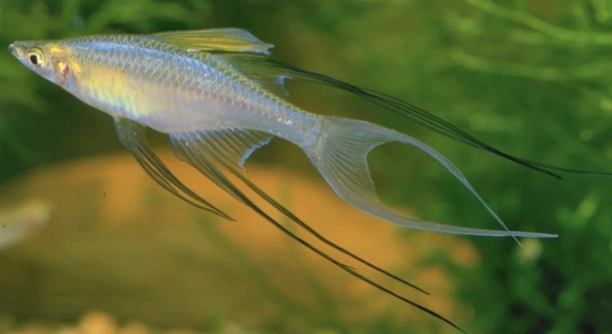
Have you ever noticed your threadfin struggling with some of the tank equipment, even when everything seems normal? Many aquarists face similar challenges when introducing these fish to new features in their aquarium.
Threadfins often find common tank features confusing due to their unique swimming patterns and sensory needs. Elements such as strong currents, reflective surfaces, and cluttered decorations can overwhelm them, impacting their behavior, comfort, and overall interaction with the environment.
Knowing which features can cause stress helps you create a more comfortable tank. Observing their reactions can lead to better decisions for your threadfin’s well-being.
Strong Currents
Strong currents in tanks can be overwhelming for threadfins. These fish are built for gentle, flowing waters and can struggle in areas with fast-moving water. Even when they appear to swim normally, they may be using more energy than necessary, which can lead to stress or fatigue. Many beginners add power filters or pumps without realizing how the water flow affects delicate fish. Observing threadfins in different areas of the tank can reveal their preferences for calmer spots. It’s common to see them avoiding high-current regions entirely. In some cases, threadfins may develop minor injuries from constantly fighting the water or may show erratic swimming patterns. Adding decorations or plants that break the flow can help them find resting areas. Adjusting the filter output or redirecting the current ensures they have zones to rest and explore comfortably. Providing both active and calm areas mimics their natural environment and encourages healthier behavior.
Strong currents often make threadfins hide more than usual. Reducing flow can help them feel safer.
Calming the water isn’t just about reducing stress. Threadfins need areas to explore without being constantly pushed by moving water. By placing driftwood, rocks, or tall plants strategically, you create calmer paths that let them swim at their own pace. Even subtle adjustments, like angling filter outputs, can change the tank dynamics significantly. Threadfins may also interact more with each other in calmer zones, showing natural schooling behavior. Observation is key; noting where they gather or avoid helps you refine the setup. Over time, calmer water areas improve feeding habits and overall health. This approach balances aesthetics and function, keeping the tank visually appealing while meeting the fish’s needs. In short, careful management of water movement benefits both the fish and your enjoyment of the aquarium.
Reflective Surfaces
Threadfins can be confused by mirrors or shiny decorations in the tank. They may see their reflection and mistake it for another fish.
Reflections can cause stress or aggression, especially if the fish repeatedly try to interact with the “other.”
Shiny surfaces, including smooth ornaments or new glass walls, may need careful placement. Threadfins might spend long periods investigating or nipping at reflections, which can drain their energy. Using matte or textured decorations reduces confusion. Even slight angles on the tank walls can minimize reflective glare from lighting. Threadfins rely heavily on visual cues to navigate their surroundings, so controlling reflections helps them orient properly. You can combine this with floating plants or background decals to break up reflections further. Over time, this makes them more comfortable in the tank, allowing natural behaviors like feeding and schooling without distraction. Adjusting decorations thoughtfully can prevent long-term stress and support a more stable environment for your fish.
Overcrowded Decorations
Too many decorations can overwhelm threadfins. Crowded tanks make swimming difficult and create hiding spots that confuse rather than comfort them.
Overdecorating limits open swimming space, which threadfins need to move freely. They may get stuck or constantly bump into objects, causing stress or minor injuries. It can also make feeding harder, as food gets trapped in tight spaces. Threadfins often prefer a few well-placed items rather than a cluttered environment. Strategic placement of driftwood, rocks, and plants allows them to explore safely while still having hiding options. Open swimming areas help them exercise naturally and reduce anxiety, promoting overall health and natural behavior. Maintaining a balance between decoration and open space ensures they remain active, comfortable, and less prone to stress-related issues. Observing how they interact with the tank helps determine if adjustments are needed.
Threadfins feel more secure with clear swimming paths. Crowding disrupts their natural movement patterns and increases stress levels.
Removing unnecessary items or spacing decorations thoughtfully creates a harmonious environment. Fewer, larger decorations provide both hiding spots and navigable paths. Threadfins tend to use open areas for swimming and will visit hiding spots when needed. Over time, this setup reduces aggressive behavior and frustration caused by cramped conditions. You can rotate decorations occasionally to keep the environment stimulating without overwhelming them. Watching how they explore helps refine placement. Proper spacing also improves water circulation and prevents debris buildup in tight corners. A clean, organized tank supports their health, encourages natural movement, and creates a visually appealing layout for aquarists, balancing function and aesthetics effectively.
Inconsistent Lighting
Sudden changes in lighting can startle threadfins. Bright or flickering lights may confuse them and affect their daily rhythm.
Threadfins thrive with stable lighting that mimics natural patterns. Too much direct light can stress them, while complete darkness may reduce activity. Gradual changes help them adjust smoothly.
Inconsistent lighting disrupts feeding, resting, and swimming behavior. Threadfins are sensitive to abrupt shifts, which may trigger hiding or erratic swimming. Timers can provide regular light cycles, simulating day and night to support their internal clock. Overly bright tanks may encourage algae growth, which can distract or hinder them. Softening light intensity with floating plants or shades creates a more comfortable environment. Consistent, gentle lighting encourages normal exploration, feeding, and interaction with the tank. Threadfins benefit from predictable conditions, leading to reduced stress and healthier behavior. Observing their response allows fine-tuning to suit their comfort, improving long-term well-being and tank harmony.
Sudden Temperature Changes
Threadfins are sensitive to rapid temperature shifts. Sudden changes can stress them and affect their immune system.
Even a few degrees difference can cause lethargy or unusual swimming. Consistent temperature is essential to keep them healthy and active.
Sharp Decorations
Sharp or rough tank decorations can injure threadfins. Their delicate fins and scales are prone to nicks or tears when they brush against jagged surfaces. Smooth, rounded items are safer. Avoid glass shards, sharp rocks, or rough plastics that may harm them.
Overfeeding
Overfeeding leads to uneaten food sinking and decomposing, which can reduce water quality. Threadfins are sensitive to water conditions, making careful portioning necessary.
FAQ
Why do my threadfins hide all the time?
Threadfins often hide when they feel stressed or insecure. Overcrowded decorations, strong currents, or sudden lighting changes can trigger hiding behavior. Providing open swimming areas along with a few well-placed hiding spots helps them feel safe while encouraging natural exploration. Observing their patterns can guide adjustments.
How can I tell if the tank is too crowded?
Signs of overcrowding include constant hiding, difficulty swimming, and increased aggression. Threadfins need clear swimming paths, so a few large decorations spaced apart is better than many small ones. Ensuring enough space per fish prevents stress and supports healthy growth.
What type of decorations are best for threadfins?
Smooth, rounded items like driftwood, soft rocks, and live plants are ideal. Avoid sharp or rough surfaces that can tear fins. Decorations should provide resting spots without blocking swimming areas. Proper spacing encourages natural behavior and reduces stress.
How much current is safe for threadfins?
Threadfins prefer gentle currents that simulate natural water flow. High-output filters or strong pumps can exhaust them. Creating zones with slower flow using plants or angled filter outputs ensures they can rest and swim comfortably. Monitoring their activity helps determine if adjustments are needed.
Why do my threadfins chase their reflection?
Reflections can confuse threadfins, making them think another fish is present. They may try to interact repeatedly, leading to stress or fatigue. Using matte decorations, background decals, or repositioning the tank can reduce reflections and create a calmer environment.
How do I prevent sudden temperature stress?
Maintaining stable tank temperature is crucial. Use a reliable heater with a thermostat and avoid placing the tank near windows or vents. Gradual adjustments when needed prevent shock and keep threadfins healthy. Regular monitoring ensures consistent conditions.
Can lighting affect threadfin behavior?
Yes, abrupt changes or flickering lights can stress threadfins. Stable, gentle lighting with a consistent day-night cycle supports their natural rhythm. Timers and floating plants can soften light and provide a more comfortable environment for feeding, resting, and swimming.
How often should I feed threadfins?
Feed small portions multiple times a day rather than one large meal. Uneaten food can pollute the tank, causing water quality issues. Observing feeding habits ensures they receive enough nutrition without overloading the tank.
What signs indicate overfeeding?
Leftover food accumulating on the substrate, cloudy water, or increased algae growth are indicators. Overfeeding can also make threadfins lethargic. Portion control and careful observation maintain water quality and fish health.
Why do my threadfins avoid certain areas of the tank?
They may avoid strong currents, bright reflections, or cramped spaces. Adjusting decorations, flow, and lighting can help them explore the entire tank safely. Creating predictable and comfortable conditions encourages more natural movement patterns.
How can I make my threadfins feel more comfortable?
Provide calm areas, smooth decorations, gentle water flow, stable lighting, and consistent temperature. Observing their behavior and making small adjustments gradually improves comfort. A balanced setup allows them to swim, feed, and rest without stress.
What should I do if a threadfin gets injured?
Isolate the injured fish if possible and maintain pristine water conditions. Remove sharp objects and monitor for signs of infection. Gentle care and clean water help fins and scales heal faster.
How do I know if my tank setup is suitable?
Observe their swimming, feeding, and resting behavior. Healthy threadfins explore open areas, use hiding spots occasionally, and interact normally with tank mates. Adjust flow, decorations, or lighting if unusual patterns appear.
Is it okay to change decorations frequently?
Frequent changes can confuse threadfins. Introduce new items gradually while keeping enough familiar spaces. Rotating decorations occasionally is fine, but maintaining some consistency helps them feel secure and reduces stress.
Why do my threadfins seem stressed even though water parameters are fine?
Stress can result from overcrowding, strong currents, reflections, sudden light changes, or poor decoration placement. Addressing environmental factors alongside water quality ensures overall well-being and natural behavior.
How can I encourage natural swimming behavior?
Provide open spaces, gentle currents, and calm areas for exploration. Threadfins respond positively to a mix of open swimming paths and secure hiding spots. Observation helps refine the tank setup to match their needs and instincts.
Can threadfins live with other fish?
Yes, if tank mates are peaceful and similarly sized. Avoid aggressive or fast-moving species that compete for space or food. Matching temperament and environmental preferences reduces stress and promotes harmony in the tank.
How do I prevent my threadfins from injuring themselves?
Remove sharp objects, maintain stable water conditions, and reduce strong currents. Smooth, rounded decorations and open swimming paths minimize accidental damage, supporting their delicate fins and scales.
What are common stress signs in threadfins?
Hiding excessively, erratic swimming, fin clamping, loss of appetite, or rapid gill movement indicate stress. Identifying and addressing environmental factors promptly ensures better health and reduces risk of disease.
How important is observation in maintaining a threadfin tank?
Observation is critical. Watching behavior, feeding, swimming patterns, and interactions helps identify problems early. Small adjustments to environment, flow, lighting, and decoration placement can significantly improve comfort, health, and long-term well-being of threadfins.
How can I make feeding easier for threadfins?
Feed in open areas where food is visible and avoid overcrowded spaces. Small, frequent meals ensure they eat efficiently and reduce waste accumulation. Watching how they respond to feeding can guide portion size and frequency.
What should I do if a threadfin refuses food?
Check water quality, temperature, and tank conditions. Stress from currents, reflections, or overcrowding can reduce appetite. Offer preferred food types in calm, open areas to encourage eating and monitor closely for improvement.
How can I improve water circulation without stressing threadfins?
Use gentle filter outputs, redirect flow with plants, and create zones with different current speeds. This allows swimming and resting areas while maintaining water quality. Monitoring behavior ensures currents remain suitable.
Are live plants beneficial for threadfins?
Yes, live plants provide hiding spots, reduce reflections, and improve water quality. They create calm zones and enrich the environment, promoting natural behavior and reducing stress. Plant choice and placement should balance aesthetics and functionality.
How do I introduce new decorations safely?
Clean and inspect new items for sharp edges or toxins. Introduce gradually, leaving familiar areas intact. Observe threadfins’ reactions and adjust placement to maintain comfort and prevent stress.
Can lighting color affect threadfin behavior?
Bright or unnatural light may cause stress. Soft, natural-colored lighting that mimics daylight helps maintain normal activity and feeding patterns. Adjust intensity gradually for best results.
How often should I check water parameters?
Regular checks for temperature, pH, ammonia, nitrites, and nitrates ensure stable conditions. Threadfins are sensitive to changes, so consistent monitoring prevents stress and promotes health.
What is the best tank size for threadfins?
A larger tank with open swimming space and gentle current is ideal. Adequate size reduces stress, allows natural behavior, and accommodates multiple fish without overcrowding. Careful planning of layout ensures comfort and long-term health.
How do I prevent reflections from stressing threadfins?
Use background decals, matte ornaments, and adjust lighting angles. Reducing reflective surfaces helps them orient properly and prevents repetitive, exhausting interactions with their reflection.
What role does tank maintenance play in reducing stress?
Regular cleaning, water changes, and debris removal prevent water quality issues. Clean, stable environments reduce stress and support healthy growth, behavior, and immune function in threadfins.
How can I tell if my threadfins are happy?
Active swimming, normal feeding, occasional use of hiding spots, and interaction with tank mates indicate well-being. Calm, predictable behavior reflects comfort with their environment and proper care.
Can I use artificial plants instead of live ones?
Yes, if soft and non-reflective. Avoid sharp or rough edges. They provide hiding spots and break up reflections but do not contribute to water quality like live plants.
How important is routine in a threadfin tank?
Routine feeding, lighting, and maintenance reduce stress. Threadfins thrive with predictable conditions, allowing them to establish natural rhythms for swimming, feeding, and resting.
What should I do if multiple threadfins seem stressed?
Assess tank setup, decorations, currents, and lighting. Address overcrowding, remove sharp objects, and ensure consistent conditions. Gradual adjustments and careful observation help restore comfort and reduce collective stress.
Can temperature drops at night harm threadfins?
Slight drops are usually fine if gradual, but sudden changes can shock them. Maintain stable temperature with a heater and monitor fluctuations to prevent stress and health issues.
How can I balance decoration aesthetics with threadfin comfort?
Use larger, smooth decorations, spaced for open swimming. Combine plants, driftwood, and rocks to create visual interest without overcrowding. Prioritize safety and comfort while maintaining a visually appealing tank.
What’s the most common mistake threadfin owners make?
Overcrowding, strong currents, reflections, inconsistent lighting, and overfeeding are frequent issues. Addressing these factors ensures threadfins remain healthy, active, and stress-free. Proper observation and thoughtful adjustments prevent long-term problems.
How long does it take for threadfins to adjust to a new tank?
Adjustment can vary, usually a few days to weeks, depending on tank conditions, decorations, and environmental stability. Calm, consistent surroundings speed up acclimation and reduce stress.
Is it okay to mix threadfins with other fish species?
Yes, if tank mates are peaceful, similar in size, and share environmental preferences. Avoid aggressive or fast-moving fish that may compete for space or food. Observation ensures harmony.
How do I clean a tank without stressing threadfins?
Perform partial water changes, avoid sudden light changes, and minimize disturbance. Clean decorations gently, maintain consistent temperature, and observe fish to ensure they remain calm during maintenance.
Can overfeeding lead to disease in threadfins?
Yes, leftover food decomposes, reducing water quality and increasing risk of infections. Portion control, careful feeding, and regular water changes prevent health problems.
How do I know if a new decoration will confuse my threadfins?
Introduce it gradually, watch for hesitation, stress, or excessive interaction. Smooth, non-reflective items are less likely to cause confusion or stress.
Are soft substrates better than hard ones for threadfins?
Yes, soft substrates reduce the risk of injury while exploring. Sand or smooth gravel is ideal, allowing comfortable movement and feeding without harming delicate fins or scales.
How often should I rearrange tank decorations?
Rarely, only when necessary. Gradual changes reduce stress and help threadfins adjust. Maintaining familiar areas ensures comfort while occasional adjustments can provide stimulation without overwhelming them.
What’s the best way to introduce new threadfins to an existing tank?
Quarantine first, then acclimate slowly to temperature and water parameters. Provide open areas and hiding spots to reduce stress. Observe interactions carefully to prevent aggression or fear.
How do I prevent algae from stressing threadfins?
Regular cleaning, controlled lighting, and proper feeding reduce algae growth. Excess algae can hinder swimming, obscure food, and create reflections, causing confusion or stress.
How can I tell if threadfins are overactive or stressed?
Erratic swimming, excessive darting, or repeated bumping into objects indicate stress. Adjust currents, remove sharp decorations, and provide calmer areas to help them relax.
What’s the most important factor for threadfin comfort?
Balanced tank conditions: gentle flow, open swimming space, safe decorations, stable lighting, consistent temperature, and proper feeding. Observation and adjustments maintain comfort, health, and natural behavior.
How do I prevent injuries during maintenance?
Move decorations gently, keep fish calm with dim lighting, and avoid sharp tools. Maintain open paths and stable water conditions to reduce accidents.
Can lighting timers reduce stress?
Yes, timers provide consistent day-night cycles, preventing sudden brightness or darkness that may confuse or stress threadfins.
How can I improve feeding efficiency?
Feed in open areas, provide small portions multiple times, and remove uneaten food. Watch their response to adjust quantities and timing.
Is it necessary to provide hiding spots?
Yes, but not too many. A few well-placed options reduce stress while leaving space for natural swimming.
How do I know if water quality is affecting behavior?
Lethargy, erratic swimming, fin clamping, or loss of appetite often indicate water problems. Test parameters regularly and adjust as needed.
How can I reduce reflection stress without changing tank contents?
Adjust lighting angles, use backgrounds or decals, and tilt reflective surfaces to minimize confusion. Softening reflections creates calmer conditions.
Are threadfins sensitive to tank noise?
Yes, loud vibrations or sudden sounds can startle them. Keeping the tank in a quiet, stable location reduces stress and encourages natural behavior.
What’s the ideal feeding schedule for threadfins?
Small meals two to three times a day maintain health, reduce waste, and prevent overfeeding. Observing appetite helps fine-tune portions.
Can rearranging decorations too often cause stress?
Yes, frequent changes disorient threadfins. Gradual adjustments with some familiar spaces help them adapt without excessive stress.
How do I know if threadfins are comfortable with tank mates?
Peaceful interactions, shared swimming areas, and normal feeding behavior indicate compatibility. Aggression or hiding suggests adjustments may be needed.
How important is water filtration for threadfins?
Filtration maintains water quality and reduces stress. Gentle output ensures proper circulation without overwhelming delicate swimmers. Proper maintenance supports health and natural behavior.
Can threadfins adapt to new currents over time?
Yes, gradual exposure allows adaptation. Sudden changes are stressful, so incrementally adjusting flow lets them get used to new water movement safely.
How can I balance light, decorations, and flow for comfort?
Provide gentle lighting, smooth decorations spaced for open swimming, and zones with calm and active currents. Observation and small adjustments optimize comfort and natural behavior.
How do I prevent fin damage from tank features?
Use smooth, rounded decorations, maintain gentle flow, avoid overcrowding, and reduce reflective surfaces. Proper spacing and layout protect delicate fins and scales.
What’s the key to long-term threadfin health?
Stable environment, balanced tank layout, proper feeding, gentle flow, consistent lighting, and careful observation. Addressing stress factors proactively ensures longevity and well-being.
How can I tell if threadfins are stressed from environmental factors?
Look for hiding, erratic swimming, fin clamping, loss of appetite, or repeated bumping into objects. Observing behavior helps identify stressors and informs adjustments for comfort.
Can water temperature swings affect feeding?
Yes, sudden changes reduce appetite. Maintaining stable temperature encourages consistent feeding and healthy growth. Gradual adjustments prevent stress.
How important is tank placement for threadfin behavior?
Quiet, stable locations away from high traffic, vibrations, or direct sunlight reduce stress and support natural activity patterns.
What adjustments help threadfins after introducing new items?
Add gradually, monitor reactions, maintain open swimming areas, and leave some familiar spaces. Observation allows refinement for comfort and reduced stress.
Can threadfins tolerate artificial lighting?
Yes, if gradual and stable. Avoid flickering or overly bright light. Soft, natural-colored lighting supports normal behavior.
How do I prevent overfeeding when multiple threadfins are present?
Feed small portions, observe consumption, and remove leftovers promptly. Proper portioning ensures all fish eat without compromising water quality.
Are reflections more stressful than crowded tanks?
Both can cause stress differently. Reflections confuse, while overcrowding restricts movement. Addressing both creates a comfortable environment and promotes natural behavior.
How often should I rotate decorations for stimulation?
Occasionally, without disrupting familiar areas. Gradual rotation prevents confusion while keeping the environment engaging.
Can threadfins get used to strong currents over time?
Only gradually. Sudden exposure causes stress. Incremental adjustments allow adaptation without compromising health or behavior.
What’s the best way to observe stress signs?
Watch swimming patterns, hiding, feeding, and interaction with tank mates. Behavioral changes often indicate discomfort or environmental issues.
How can I combine safe decorations with visual appeal?
Use smooth driftwood, rounded rocks, and plants spaced for open swimming. This balances aesthetics and comfort, supporting healthy, natural behavior.
How critical is routine maintenance for long-term health?
Essential. Regular water changes, cleaning, and monitoring ensure stable conditions, prevent stress, and support threadfin longevity and well-being.
Can reflections affect feeding behavior?
Yes, fish distracted by reflections may ignore food. Reducing reflective surfaces ensures they focus on eating and maintain proper nutrition.
What’s the safest substrate for threadfins?
Soft sand or smooth gravel prevents fin injuries and supports natural foraging behavior without harming delicate scales.
How do I know if a tank feature is confusing my threadfins?
Repeated avoidance, hiding, or erratic swimming near the feature indicates confusion. Adjust placement or remove the item to improve comfort.
Can changing lighting color help stressed threadfins?
Yes, soft, natural-colored light reduces stress. Avoid abrupt changes or overly bright colors that may cause confusion or hiding behavior.
How often should I monitor threadfin behavior?
Daily observation helps identify stress, feeding issues, or environmental problems early. Timely adjustments prevent long-term health concerns.
Are threadfins sensitive to vibrations outside the tank?
Yes, sudden noises or vibrations can startle them. Place the tank in a stable, low-traffic area for comfort and natural behavior.
How can I prevent injuries during feeding?
Feed in open areas, avoid overcrowding, and ensure decorations or substrate do not pose hazards. Monitoring ensures all fish can access food safely.
Is consistency more important than variety in tank layout?
Yes, consistent conditions reduce stress. Gradual changes for stimulation are fine, but predictability ensures comfort and natural behavior.
How do I maintain a calm environment for threadfins?
Stable lighting, gentle flow, open swimming space, safe decorations, and routine observation create calm, reducing stress and supporting natural behavior.
What’s the most effective way to reduce reflection stress?
Use matte surfaces, background decals, and adjust lighting angles. Minimizing reflections prevents confusion and repetitive interactions with perceived fish.
How do I know if feeding portions are correct?
All food should be consumed within a few minutes. Leftovers indicate overfeeding, while uneaten meals may suggest stress or environmental issues affecting appetite.
**Can temperature fluctuations
Threadfins are fascinating fish, but they can be sensitive to the way a tank is set up. They respond strongly to factors like water flow, lighting, decorations, and temperature. Even small changes can affect their behavior, feeding, and overall comfort. Setting up a tank with threadfins requires thoughtful planning and observation. Open swimming areas, gentle currents, safe decorations, and consistent lighting are some of the key elements that help them feel secure. Observing their reactions to new items or changes in the tank is important. If they hide frequently, avoid certain areas, or display erratic swimming, these are signs that adjustments may be needed. Making gradual modifications and providing safe, predictable conditions allows threadfins to explore and interact with their environment naturally.
Another important consideration is water quality. Threadfins are sensitive to changes in temperature, pH, and ammonia levels. Maintaining stable conditions reduces stress and supports overall health. Regular water testing and maintenance routines ensure that the tank environment stays consistent. Overfeeding, overcrowding, and sharp or rough decorations can all create problems that affect their well-being. By controlling these factors, you create a space where threadfins can thrive. Decorations should balance aesthetics with functionality, giving the fish room to swim freely while providing hiding spots for comfort. Lighting should be steady and mimic natural day-night cycles, avoiding abrupt changes that may confuse or startle them. Even small adjustments, like angling a filter or softening reflections with a background, can make a noticeable difference in their behavior and comfort.
Taking care of threadfins also means paying attention to their feeding habits and social interactions. Feeding small portions multiple times a day encourages healthy growth and reduces leftover food that can affect water quality. Observing how they interact with tank mates can help prevent aggression and stress. It is also helpful to introduce new decorations or changes gradually so the fish can adjust without confusion. Over time, a well-planned and carefully maintained tank will allow threadfins to display their natural behavior, swim freely, and interact confidently with their environment. Consistent observation, careful adjustments, and thoughtful maintenance are the keys to keeping threadfins healthy and comfortable. By understanding their preferences and sensitivities, aquarists can provide a stable and enriching environment that supports long-term well-being.

Hello,
If you enjoy the content that we create, please consider saying a "Thank You!" by leaving a tip.
Every little bit helps us continue crafting quality advice that supports the health, happiness, and well-being of pets around the world, for pets of all shapes, sizes, and species.
We really appreciate the kindness and support that you show us!