
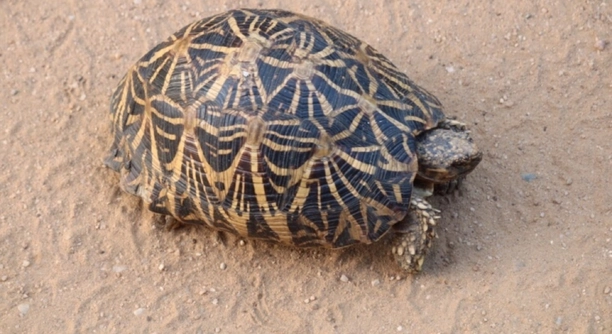
Turtles are fascinating creatures, and like all pets, they need proper care to stay healthy. One key aspect of their well-being is nutrition. Vitamin deficiencies can affect turtles, leading to serious health problems if not addressed.
Vitamin deficiencies in turtles can manifest in various ways, such as changes in behavior, shell issues, and poor growth. Identifying these signs early is essential for their health, as it allows for prompt treatment and prevention of further complications.
Knowing the common signs of vitamin deficiencies in turtles helps you act quickly and appropriately. Understanding these indicators can make all the difference in ensuring your turtle lives a happy, healthy life.
1. Soft Shells or Shell Deformities
A common sign of vitamin deficiencies in turtles is the appearance of soft or deformed shells. Vitamin D3 is essential for calcium absorption, and without it, the shell can become weak and soft, increasing the risk of fractures. Inadequate nutrition, particularly in the form of improper lighting or diet, can prevent the turtle from processing calcium properly, leading to malformations. When the shell becomes soft, it may also become more susceptible to infections, which can lead to more serious health concerns. Regular exposure to UVB light and a well-balanced diet are key in preventing these issues.
An imbalanced diet with insufficient calcium or vitamin D3 is usually the main reason behind this problem. If your turtle’s shell appears soft or misshapen, it may indicate a need for dietary adjustments or better lighting.
Taking proper care of a turtle’s shell starts with providing the right nutrients. If caught early, shell issues can be treated with simple dietary changes, but without proper attention, these problems can progress into more severe conditions, leading to long-term damage.
2. Lack of Appetite or Unusual Behavior
If your turtle stops eating or behaves lethargically, it may be a sign of vitamin deficiency. Deficiencies in vitamins A, D3, or E can lead to loss of appetite, making the turtle less interested in food. This lack of interest in eating can cause weight loss, further weakening the animal. In addition to changes in eating habits, turtles with vitamin deficiencies may display unusual behaviors like staying at the bottom of their tank for extended periods or avoiding interaction with their environment.
If your turtle is displaying these signs, it’s a red flag that something in their diet or habitat might be off.
Improper lighting, poor diet, or inadequate supplementation are often the primary factors contributing to these behavioral changes. Vitamin A, for instance, is vital for maintaining healthy eyesight, and its deficiency can cause your turtle to feel disoriented. Along with correcting the diet, consider adjusting their tank conditions. Proper lighting and temperature are essential to supporting your turtle’s health and ensuring they remain active and interested in their food. Always monitor your turtle closely for any significant behavior changes as a way to track their health.
3. Swollen Eyes
Swollen or puffy eyes in turtles are often a sign of a vitamin A deficiency. Vitamin A is essential for maintaining proper eye health and immune function. When there isn’t enough of it in their diet, the turtle’s eyes can become inflamed, making it hard for them to see properly. The swelling may also lead to crusty discharge around the eyes.
Vitamin A deficiency is more common in turtles that are not fed a variety of foods, particularly leafy greens and other vegetables rich in this vitamin. Turtles that are kept in poorly lit tanks or do not receive UVB lighting may also be at risk for this deficiency.
This condition can be painful for your turtle, and if untreated, it could result in permanent vision damage. To correct this, ensure your turtle has access to a well-balanced diet with a variety of vitamins and nutrients, especially those that promote eye health, such as vitamin A. If the swelling persists, it’s important to consult a vet for further treatment.
4. Weak or Unsteady Legs
Weak, uncoordinated legs can indicate a vitamin E deficiency. Vitamin E is crucial for maintaining muscle health and coordination in turtles. Without it, the muscles and nerves in their legs may not function properly, leading to weakness and difficulty moving. Turtles may struggle to walk or may appear to drag their legs.
In some cases, weak legs can be accompanied by other signs of vitamin E deficiency, such as muscle tremors or a lack of balance. If your turtle’s movements seem unsteady or it has trouble standing, you may want to review its diet to ensure it’s getting enough vitamin E. A deficiency can also result from improper diet or lack of UVB exposure, both of which hinder nutrient absorption.
To treat a weak or unsteady turtle, provide foods rich in vitamin E, such as spinach, kale, or certain fish. Additionally, be sure your turtle is getting adequate sunlight or UVB light to support proper nutrient absorption. Regularly monitor your turtle’s leg movements and overall health, as this condition can worsen if not addressed promptly.
5. Shell Rot or Softening
Shell rot or softening can be a direct result of vitamin A or calcium deficiencies. When turtles don’t get the proper nutrients, their shells may weaken, leaving them vulnerable to infections. Over time, soft or decayed patches can appear on the shell.
If the shell becomes infected due to rot, it could lead to further health issues, including inflammation and more severe damage. Regularly check for any soft or discolored areas, and keep their habitat clean and dry to prevent bacteria buildup.
To prevent shell rot, ensure your turtle has a proper diet rich in calcium, vitamin A, and other necessary nutrients. UVB lighting and proper calcium supplements also play a role in shell health, so be sure to maintain an appropriate environment for your turtle.
6. Slow Growth or Stunted Development
Turtles with vitamin deficiencies often experience slow growth or stunted development. If your turtle seems smaller or takes longer to grow than expected, it might be lacking key vitamins such as vitamin D3 or calcium. These are essential for healthy bone development and growth.
Inadequate nutrition can result in poor shell formation and slow overall growth. A turtle’s diet needs to include a proper balance of nutrients like calcium, vitamin D3, and other minerals. Without them, the turtle will struggle to reach its full size.
A proper diet with a variety of leafy greens, vegetables, and high-quality protein can help ensure your turtle grows at a healthy rate. Additionally, providing UVB lighting is crucial for the proper absorption of these nutrients. Keep a watchful eye on your turtle’s growth and adjust its diet as needed.
7. Respiratory Issues
Respiratory issues, such as wheezing or labored breathing, can indicate a vitamin A deficiency. When a turtle doesn’t have enough vitamin A, their immune system is weakened, making them more prone to infections, including those of the respiratory system.
A lack of proper nutrition can compromise the respiratory system, leading to congestion, sneezing, and discharge from the nose or mouth. It is important to monitor your turtle’s breathing and overall health regularly. If any of these symptoms appear, addressing their diet and habitat conditions is essential.
Ensure your turtle has access to a balanced diet with adequate vitamin A, along with proper lighting. Vitamin A is crucial for respiratory health, and correcting this deficiency early can help prevent further complications. If respiratory issues persist, consult with a veterinarian for appropriate treatment.
FAQ
What are the most common vitamin deficiencies in turtles?
The most common vitamin deficiencies in turtles are vitamin A, D3, and E. These vitamins play vital roles in their immune system, shell health, and muscle coordination. A lack of these nutrients can lead to various health issues, such as swollen eyes, shell deformities, and weak legs. To prevent deficiencies, ensure your turtle has a balanced diet that includes leafy greens, protein, and proper UVB lighting.
How can I tell if my turtle is lacking vitamin A?
If your turtle lacks vitamin A, you may notice swollen or puffy eyes, nasal discharge, or even difficulty moving. A lack of this vitamin can affect your turtle’s eyesight and respiratory system. To help correct the deficiency, offer vitamin A-rich foods like carrots, spinach, and squash. Also, ensure proper UVB lighting is available for your turtle’s overall health.
How can I fix vitamin D3 deficiency in my turtle?
Vitamin D3 is essential for calcium absorption, and a deficiency in this vitamin can lead to shell softening or deformities. To correct a vitamin D3 deficiency, provide your turtle with regular exposure to UVB lighting. This helps them produce vitamin D3 naturally. Additionally, feeding foods rich in D3, like certain fish or fortified supplements, will help restore the balance.
What is the best diet for a turtle to prevent vitamin deficiencies?
A well-rounded diet for a turtle should include a variety of leafy greens like kale, collard greens, and dandelion greens, as well as vegetables such as squash and carrots. Protein sources like earthworms, crickets, or fish can also provide essential vitamins. Don’t forget to add calcium-rich foods, like cuttlebone or calcium supplements, to help support shell health. Always make sure your turtle has access to proper UVB lighting to aid in nutrient absorption.
Can vitamin deficiencies cause behavioral changes in turtles?
Yes, vitamin deficiencies can lead to behavioral changes in turtles. If they are lacking essential vitamins like A or E, they might become lethargic, avoid eating, or show unsteady movements. These symptoms are often signs that their body isn’t functioning optimally due to the lack of proper nutrition. Correcting their diet and habitat conditions can help restore normal behavior.
How do I provide the right UVB lighting for my turtle?
UVB lighting is crucial for turtles to produce vitamin D3 and absorb calcium. To provide the right UVB lighting, use a UVB bulb specifically designed for reptiles. Position the light source about 12 to 18 inches above your turtle’s basking area. Make sure the bulb is changed every 6 to 12 months, as its effectiveness diminishes over time. Avoid using regular household lights, as they do not emit the necessary UVB rays for reptiles.
What happens if my turtle doesn’t get enough calcium?
A calcium deficiency can lead to soft shells, brittle bones, and poor growth. Turtles need calcium to develop and maintain strong shells, and without it, they may experience deformities or shell rot. To prevent calcium deficiency, provide a diet that includes calcium-rich foods like leafy greens and supplement with cuttlebone or calcium powder if needed. Proper UVB lighting is also important, as it helps your turtle absorb calcium from its diet.
Is it possible to over-supplement a turtle’s diet with vitamins?
Yes, over-supplementing a turtle’s diet with vitamins can be harmful. Too much vitamin A, for example, can cause toxicity and result in swelling, lethargy, and organ damage. Always follow the recommended dosages for any vitamin supplements. It’s best to offer a variety of foods that provide a balanced range of nutrients, rather than relying on supplements alone. If in doubt, consult with a veterinarian for guidance.
What are the signs of vitamin E deficiency in turtles?
Vitamin E deficiency in turtles often leads to muscle weakness, uncoordinated movements, and difficulty walking. Your turtle may appear to drag its legs or have trouble standing. Vitamin E is essential for muscle health and nerve function, so it’s crucial to ensure your turtle gets an adequate amount. Offer foods like spinach, broccoli, and fish that are rich in vitamin E to prevent this deficiency.
How long does it take for a turtle to recover from a vitamin deficiency?
The recovery time from a vitamin deficiency depends on the severity of the deficiency and how quickly you address it. Minor deficiencies can be corrected within a few weeks, while more severe deficiencies may take several months of proper diet and UVB exposure to fully recover. Consistency in providing the right nutrients and proper lighting will speed up the healing process. If your turtle’s condition doesn’t improve, it’s important to consult a veterinarian.
Final Thoughts
Ensuring that your turtle gets the right nutrients is essential for its long-term health. Just like any pet, turtles rely on a balanced diet to thrive. When they are missing key vitamins like A, D3, or E, it can lead to a variety of health problems that may affect their overall well-being. From soft shells to poor growth or even behavioral changes, these signs are important to notice early so you can take action. By providing a proper diet, appropriate lighting, and a well-maintained habitat, you can help your turtle stay healthy and happy.
It’s crucial to monitor your turtle’s diet and environment regularly. A variety of vegetables, high-quality protein, and calcium-rich foods are necessary for maintaining the health of your turtle’s shell and bones. Be sure to offer different types of food to cover a wide range of nutrients and avoid deficiencies. UVB lighting is just as important, as it helps your turtle absorb calcium and produce vitamin D3 naturally. Without the right lighting and diet, even the most well-meaning turtle owner can inadvertently cause health issues.
When you notice any signs of vitamin deficiencies, it’s important to act quickly. Adjusting your turtle’s diet and improving its lighting setup can often resolve minor issues before they become serious. If problems persist, a veterinarian who specializes in reptiles can provide the guidance needed. Taking a proactive approach to your turtle’s care is the best way to ensure it lives a long, healthy life. With the right care and attention, you can avoid many of the common health problems associated with vitamin deficiencies and enjoy watching your turtle thrive for years to come.

Hello,
If you enjoy the content that we create, please consider saying a "Thank You!" by leaving a tip.
Every little bit helps us continue crafting quality advice that supports the health, happiness, and well-being of pets around the world, for pets of all shapes, sizes, and species.
We really appreciate the kindness and support that you show us!