
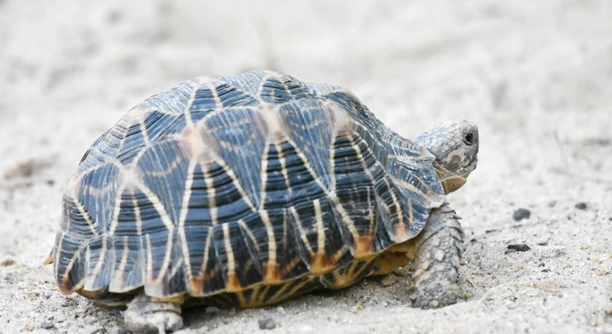
Is your turtle’s shell becoming softer than usual? It’s concerning when your pet’s shell doesn’t seem as firm as it once was. Understanding the possible causes can help you find the right solution.
A soft shell in turtles may be caused by nutritional deficiencies, lack of proper UVB lighting, or health conditions like metabolic bone disease. These factors affect the turtle’s ability to maintain a strong and healthy shell.
Keeping your turtle’s shell strong is essential for its overall health. By recognizing the factors contributing to softness, you can take steps to improve their condition. Continue reading to learn how to address this issue.
Common Causes of a Soft Turtle Shell
A turtle’s shell is vital for its protection, so when it starts to soften, it’s important to pay attention. Softness is often a sign of an imbalance in diet or care. Turtles require a specific balance of calcium, phosphorus, and vitamin D3 to maintain shell strength. Without proper nutrition, the shell may weaken and become flexible.
Lack of proper UVB light is another significant factor. UVB light helps turtles produce vitamin D3, which is essential for absorbing calcium. Without it, the calcium they consume may not be used effectively, leading to a softer shell.
In addition to UVB light, improper diet can contribute to this issue. If your turtle’s diet doesn’t include enough calcium-rich foods, like leafy greens or calcium supplements, their shell may not receive the necessary support. Make sure you are feeding your turtle the right mix of nutrients to prevent this from happening.
Diagnosing a Soft Shell
To determine whether a turtle’s shell softness is due to a health problem, observe how they move and eat. If their behavior seems off or they have trouble staying active, a health issue may be at play.
Metabolic bone disease (MBD) is a serious condition that often results in a soft shell. This disease happens when the body is unable to properly process calcium, leading to weaker bones and shells. If untreated, MBD can cause irreversible damage.
Preventing soft shells requires more than just a good diet; proper lighting is crucial. Ensure your turtle has access to UVB rays for at least 10-12 hours a day. Additionally, providing a balanced diet that includes leafy greens, calcium supplements, and occasional protein sources will support overall health. Regular vet check-ups are also a good practice to catch any potential issues early.
Importance of UVB Light
UVB light plays a critical role in your turtle’s health. Without it, they can’t process calcium properly, which directly impacts their shell and bones. Make sure your turtle’s habitat has a UVB light that is specifically designed for reptiles, and replace it regularly since UVB bulbs lose effectiveness over time.
Inadequate UVB light exposure can result in metabolic bone disease and other health complications. The right amount of light helps your turtle synthesize vitamin D3, allowing their body to absorb the calcium they need for strong bones and shells. Place the UVB light at a proper distance from your turtle’s basking area to maximize effectiveness.
A common mistake is using regular light bulbs, which don’t provide UVB rays. Without these rays, the calcium in your turtle’s diet won’t have the intended effect, leading to soft shells and weakened bones. Make sure your turtle is getting the correct type of light every day for their well-being.
Nutritional Support for a Strong Shell
A proper diet is essential for maintaining a strong shell. Calcium is key, but it’s not the only nutrient your turtle needs. A balanced diet of leafy greens, high-quality turtle pellets, and occasional protein sources will provide the necessary vitamins and minerals.
While calcium is important, too much phosphorus can hinder calcium absorption. Be sure to provide foods that balance these nutrients, such as kale, collard greens, and dandelion greens. Calcium supplements can be helpful, especially if your turtle’s diet doesn’t naturally contain enough calcium-rich foods.
For healthy shell growth, avoid overfeeding your turtle, as obesity can also impact their health. Stick to feeding routines that allow your turtle to thrive without excess weight, and make sure your pet is consuming a variety of food items to meet all their nutritional needs.
Shell Rot and Other Infections
Soft shells may also be a sign of infection, such as shell rot. This condition is often caused by bacteria or fungus and can make the shell feel spongy or soft. If you notice any signs of shell rot, seek treatment immediately.
Shell rot often appears as dark, soft, or decayed patches on the shell. If left untreated, it can cause long-term damage and affect the turtle’s health. It’s crucial to clean and dry the turtle’s habitat regularly to prevent bacterial growth.
Keeping Your Turtle’s Habitat Clean
A clean environment is vital for preventing infections and maintaining a healthy shell. Make sure the water is filtered and changed regularly, and keep the basking area dry and free of waste.
When you don’t clean your turtle’s habitat properly, bacteria and fungi can thrive, leading to potential health issues. Regularly scrub the surfaces and check the water quality to ensure your turtle is living in a safe, clean environment.
FAQ
What can I do if my turtle’s shell is soft?
If your turtle’s shell is soft, the first thing you should check is its diet and lighting. Ensure your turtle is getting enough calcium, and make sure the UVB light is working properly. You might also want to consult with a vet to rule out any underlying health issues. A proper diet of leafy greens and calcium supplements can help strengthen the shell. If the soft shell persists, seek professional advice to address any serious health conditions.
How do I provide proper UVB lighting for my turtle?
UVB lighting is essential for your turtle’s health. Place a UVB bulb over the basking area, ensuring it’s within the recommended distance specified by the manufacturer. UVB light should be on for about 10-12 hours a day. Make sure to replace the bulb every 6-12 months, as UVB light weakens over time, even if the bulb still appears to work. A good UVB light helps your turtle produce vitamin D3, allowing them to absorb calcium effectively. Without it, your turtle may experience weak bones and a soft shell.
How can I tell if my turtle has metabolic bone disease (MBD)?
MBD can cause a soft shell, weakened bones, and difficulty moving. Other signs include poor appetite, lethargy, and an overall weak appearance. If your turtle is showing these symptoms, it’s a sign that their body is not processing calcium properly. A vet can diagnose MBD through a physical exam or X-rays, and early treatment can prevent further damage. Ensuring a proper diet and sufficient UVB light can help prevent MBD.
Can I treat my turtle’s soft shell at home?
You can start by adjusting your turtle’s diet and ensuring they get enough UVB light. Calcium supplements can help, but it’s essential to follow the proper guidelines and not overdo it. However, if the soft shell persists or worsens, it’s best to consult a vet. Treating soft shells caused by infection, like shell rot, requires professional intervention. Your vet can guide you through the necessary treatment and provide the right medications.
What should I feed my turtle to prevent a soft shell?
A diet high in calcium-rich foods is crucial for preventing a soft shell. Offer leafy greens like collard greens, dandelion greens, and kale. You can also provide calcium supplements or cuttlefish bone to ensure your turtle gets the proper amount. Avoid feeding your turtle too many high-phosphorus foods like spinach or beans, as they can hinder calcium absorption. A balanced diet is key to promoting a strong, healthy shell.
How often should I replace the UVB bulb for my turtle?
UVB bulbs should be replaced every 6 to 12 months, even if the light still seems to be working. Over time, the UVB radiation decreases, and your turtle may not be getting enough exposure. Regular replacement of the bulb is essential for maintaining your turtle’s calcium absorption and overall health.
What is shell rot, and how can I treat it?
Shell rot is an infection that causes the shell to soften, darken, or become discolored. It’s often caused by bacteria or fungi and can occur when a turtle’s shell is exposed to moisture or waste for extended periods. To treat shell rot, clean the affected area gently and consult a vet for the appropriate antibiotics or antifungal treatments. In severe cases, the damaged shell may need professional care to prevent further infection. Regular habitat cleaning can prevent shell rot from developing in the first place.
What temperature should my turtle’s basking area be?
The basking area should be between 85°F and 95°F (29°C – 35°C) for most turtle species. The turtle needs this warmth to properly digest food and maintain healthy bodily functions. Ensure there is a temperature gradient in the tank so your turtle can choose to bask in warmer or cooler areas. Regularly monitor the temperature with a thermometer to ensure it stays within the recommended range.
How long should I keep the UVB light on for my turtle?
UVB light should be on for 10 to 12 hours a day, simulating natural daylight hours. This helps your turtle synthesize vitamin D3, which is crucial for calcium absorption. Be sure to turn the light off at night to simulate a natural day-night cycle.
Is it safe to keep multiple turtles in the same tank?
Yes, but it depends on the species and the size of the tank. Some turtles are territorial and may fight, while others are more social. Ensure the tank is large enough for multiple turtles to have their own space and basking areas. Also, monitor their behavior closely to ensure there is no aggression or stress. If you’re unsure, consult a vet or reptile specialist for guidance on tank setup and turtle compatibility.
Can water quality affect my turtle’s shell?
Yes, poor water quality can lead to shell rot and other infections. Turtles spend a lot of time in the water, and if it’s dirty or contaminated, they are at a higher risk for bacterial or fungal infections that can weaken their shell. Ensure the water is filtered, and change it regularly to maintain a clean environment.
What are the signs of a healthy turtle shell?
A healthy turtle shell is firm, smooth, and free from any cracks or soft spots. The color should be consistent with the species, and the shell should not show any signs of decay or infection. A strong, hard shell indicates that the turtle is receiving proper nutrition, UVB light, and care.
Why is my turtle’s shell turning soft and discolored?
Soft and discolored shells can indicate a number of problems, including poor diet, lack of UVB light, or infections like shell rot. If you notice discolored or soft areas, make sure your turtle is getting the right nutrients and exposure to UVB light. If the issue persists, consult a vet for proper treatment.
Can a turtle’s shell heal from damage?
In many cases, a turtle’s shell can heal from minor cracks or damage, but it can take time. The shell grows slowly, so it may take months for visible healing. For soft shells caused by poor nutrition or UVB exposure, proper care can help the shell regain its strength over time. However, serious shell injuries or infections require veterinary intervention.
Final Thoughts
Turtles rely on strong, healthy shells to protect themselves and stay active. If you notice that your turtle’s shell is becoming soft or weak, it’s important to act quickly. A soft shell can be a sign of a nutritional imbalance, lack of proper lighting, or even an infection. In some cases, the problem might be minor and can be fixed with adjustments to diet or lighting. However, if the issue persists or worsens, it’s always best to consult a veterinarian for professional advice and treatment.
Proper diet and UVB lighting are the most important factors in preventing soft shells. Your turtle needs a steady supply of calcium and vitamin D3 to maintain a strong, healthy shell. A balanced diet with plenty of leafy greens, and the right amount of calcium, will support their shell development. UVB lighting helps your turtle absorb calcium efficiently, so it’s important to have the right type of light in their habitat. Remember to change the UVB bulb regularly to ensure your turtle is receiving enough exposure to it.
Taking good care of your turtle’s environment is also key to preventing soft shells. Keeping their water clean and providing them with a dry basking area helps prevent infections like shell rot. Regularly cleaning their tank and making sure it has the right temperature and humidity levels will contribute to their overall health. Pay attention to any signs of infection, such as discoloration or soft spots on the shell. By addressing these issues early, you can ensure your turtle lives a long, healthy life with a strong shell.

Hello,
If you enjoy the content that we create, please consider saying a "Thank You!" by leaving a tip.
Every little bit helps us continue crafting quality advice that supports the health, happiness, and well-being of pets around the world, for pets of all shapes, sizes, and species.
We really appreciate the kindness and support that you show us!