
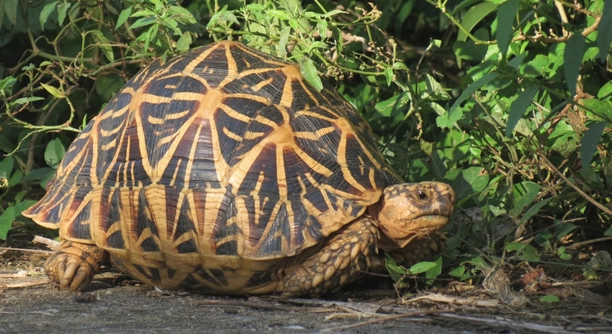
Turtles are fascinating creatures, but sometimes their behavior, like trying to bite their tank mates, can be puzzling. Understanding the cause of this behavior can help create a better environment for both your turtle and its companions.
Turtles may try to bite their tank mates due to territorial instincts, stress, or even hunger. They can view other animals as competition or a threat, leading to aggression. Proper tank size, diet, and tank mate selection can reduce such behavior.
By addressing these factors, you can create a harmonious aquarium environment. There are simple steps that can help reduce aggressive tendencies and promote peace among your tank’s residents.
Why Do Turtles Get Aggressive Towards Tank Mates?
Turtles are naturally territorial animals. In the wild, they often claim specific areas as their own. When placed in a tank with other animals, they may see the other creatures as a threat or competition for food and space. This can trigger aggressive behavior, like biting. Turtles have sharp beaks, and they will use them to establish dominance. While it’s natural for them to want to protect their space, it can be stressful for the other animals in the tank. Observing your turtle’s behavior closely is essential to understand its needs and reduce any aggression.
In some cases, hunger or lack of food can also contribute to aggression. If your turtle feels it’s not getting enough food, it may take it out on its tank mates. Overcrowded tanks can also cause stress and lead to more biting.
Providing a varied and consistent diet, along with proper tank conditions, can help reduce the chances of aggression. Space is vital, so make sure there’s enough room for everyone to live peacefully. Consider separate feeding areas if necessary, to avoid any competition.
Tank Mates and Size Matter
Choosing appropriate tank mates is just as important as providing proper care for your turtle. Some species are more tolerant of others, while some may simply not get along. Always research potential tank mates to avoid conflicts.
The size of the tank matters greatly. A cramped tank with multiple animals can increase stress and trigger aggressive behavior in turtles. A larger tank allows your turtle and its tank mates to have their own space, reducing the chances of fights. If the turtle has more room to roam, it’s less likely to feel threatened by the presence of other animals.
Tank size should also be considered when adding new creatures to the environment. If you add more tank mates to an already small setup, the turtle may feel crowded and become aggressive. To maintain balance, aim for a spacious aquarium and choose compatible species that will not provoke territorial behaviors. Proper tank conditions, like filtration and water quality, will also help in keeping everyone calm and healthy.
Stress and Overcrowding in Turtles
Stress is one of the main factors that cause aggressive behavior in turtles. If a turtle feels cramped, anxious, or threatened, it will likely act out by biting its tank mates.
Overcrowding creates a tense environment, which may lead to constant competition for space and food. When tanks are too small or have too many residents, stress levels rise, and turtles may act more aggressively. They may also display defensive behavior, especially towards unfamiliar animals. Reducing the number of tank mates or increasing the tank size can ease tension and help minimize aggression. Ensuring that your turtle has its own territory can go a long way in reducing stress.
Maintaining a clean tank environment can also reduce stress. Dirty water or poor filtration can affect the turtle’s health and behavior. Regular water changes and keeping the tank well-maintained can improve your turtle’s well-being, which may reduce unnecessary aggression.
The Role of Temperature and Lighting
Temperature plays a critical role in your turtle’s overall behavior. If the water is too cold or too hot, your turtle may become stressed, which could lead to aggressive actions.
Proper temperature regulation is essential to keeping your turtle healthy and balanced. If the water is outside its ideal range, your turtle may feel uncomfortable, which can trigger unwanted behavior. Turtles also need specific lighting to regulate their sleep patterns and keep their metabolism in check. A lack of appropriate UVB light can stress your turtle, making it more likely to act out. Ensure your turtle has access to both a basking area with heat and an area with adequate UVB light for proper health and behavior.
Keeping the tank temperature stable and providing the correct light helps your turtle feel safe and relaxed. This stability reduces the likelihood of aggression, promoting a calmer, healthier environment for both your turtle and its tank mates.
Feeding Habits and Aggression
Turtles may become aggressive if they feel food is scarce or if they are not getting enough nutrients. Hunger can lead them to bite their tank mates in competition for food.
Establishing a regular feeding schedule and ensuring all animals in the tank get enough food can help reduce aggressive behavior. It’s important to feed the turtle the right amount to avoid any food competition. If necessary, separate the feeding areas to ensure each animal gets its fair share.
Understanding Individual Personalities
Each turtle has its own personality. Some may naturally be more aggressive, while others are more passive. Understanding your turtle’s temperament can help manage its behavior.
If your turtle tends to be more aggressive, it might be a good idea to limit contact with other animals. Giving them space can sometimes be the best way to reduce hostility. Observing your turtle’s behavior will help you recognize patterns and adjust its environment accordingly.
FAQ
Why is my turtle trying to bite its tank mates?
Turtles are territorial animals, and they may view other tank mates as threats or competition for food and space. This behavior can occur when they feel stressed, overcrowded, or hungry. Additionally, some turtles are more aggressive by nature. Ensuring your tank has enough space, food, and proper conditions can help minimize biting.
How can I reduce aggressive behavior in my turtle?
To reduce aggression, first ensure your tank is large enough for all animals. Stress is a major trigger for aggressive behavior, so providing a comfortable environment with plenty of hiding spots and areas to roam can help. Feeding your turtle properly and maintaining a stable temperature also contribute to a calmer atmosphere.
Can different species of turtles live together without fighting?
Some species of turtles are more compatible with others, but many do not get along. For example, aquatic turtles may have different needs than land turtles. It’s best to research the species you want to keep together to ensure they have similar habits and space requirements. Even compatible species might fight if the tank is overcrowded.
Should I separate my aggressive turtle from its tank mates?
If your turtle is consistently aggressive, it may be necessary to separate it from the others. Continuing to house aggressive turtles together can lead to stress, injuries, or death of tank mates. Providing your aggressive turtle with its own space can help calm its behavior and ensure the safety of other animals.
How does temperature affect a turtle’s aggression?
Turtles require specific water temperatures to stay healthy. If the water is too cold or too hot, they may become stressed and act more aggressively. Maintaining the right temperature range and providing areas for both basking and cooling off can help reduce stress. It’s important to monitor the water temperature consistently.
Can overfeeding cause aggression in turtles?
Overfeeding is unlikely to cause aggression directly, but it can lead to other problems like obesity or poor water quality, which may stress the turtle. Stress, in turn, can make your turtle more likely to act aggressively. It’s best to feed your turtle the correct portion size based on its age and species.
What tank size is best for my turtle to reduce aggression?
A larger tank provides more space for your turtle to roam and reduces the chances of territorial conflicts. As a general rule, each turtle should have at least 10 gallons of water per inch of shell length. For multiple turtles, the tank size should increase accordingly. A well-sized tank can help reduce the likelihood of aggressive behavior.
Can I keep my turtle with fish or other aquatic creatures?
Some turtles can live peacefully with fish or other aquatic creatures, but many will see them as food. If you choose to house your turtle with fish, ensure the fish are fast swimmers and can avoid being eaten. You should also monitor the tank closely to ensure no aggression occurs. Non-aggressive species of fish, like goldfish, might be better suited for tank mates.
How can I tell if my turtle is stressed?
Signs of stress in turtles include erratic swimming, lack of appetite, hiding for extended periods, or aggressive behavior towards tank mates. If you notice any of these behaviors, assess your turtle’s environment for issues like water temperature, tank overcrowding, or poor water quality. A stressed turtle needs a more comfortable environment to thrive.
Is it normal for turtles to be territorial?
Yes, it’s completely normal for turtles to be territorial. In the wild, they often defend their space to ensure access to food, basking spots, and mates. This instinct carries over to captivity, where your turtle may bite or show aggression towards other tank mates. Providing enough space and minimizing stress can help manage territorial behavior.
Final Thoughts
Understanding why your turtle is trying to bite its tank mates is important for creating a peaceful aquarium environment. The main reasons for aggression in turtles are territorial instincts, hunger, stress, and overcrowding. When turtles feel threatened or compete for resources, they may act aggressively toward other animals in the tank. By observing your turtle’s behavior and considering these factors, you can address the root causes of aggression and improve the living conditions for all animals involved.
One of the most effective ways to reduce aggressive behavior is by ensuring your turtle has enough space. Turtles are territorial, and a cramped tank can lead to stress, which may trigger aggressive actions. Make sure the tank is large enough to accommodate your turtle and its tank mates. Proper filtration and water quality also play a crucial role in reducing stress. Regular water changes and maintaining the right temperature help create a comfortable and healthy environment for your turtle, reducing the likelihood of biting and other aggressive behaviors. If necessary, consider providing hiding spots and separate feeding areas to prevent competition for resources.
Finally, remember that not all turtles are the same. Some turtles are naturally more aggressive, while others are calmer and more social. If your turtle continues to show aggression despite your efforts, separating it from other tank mates may be the best solution. With proper care and attention, you can reduce aggressive behavior and ensure a safe, peaceful habitat for all your tank residents.

Hello,
If you enjoy the content that we create, please consider saying a "Thank You!" by leaving a tip.
Every little bit helps us continue crafting quality advice that supports the health, happiness, and well-being of pets around the world, for pets of all shapes, sizes, and species.
We really appreciate the kindness and support that you show us!