
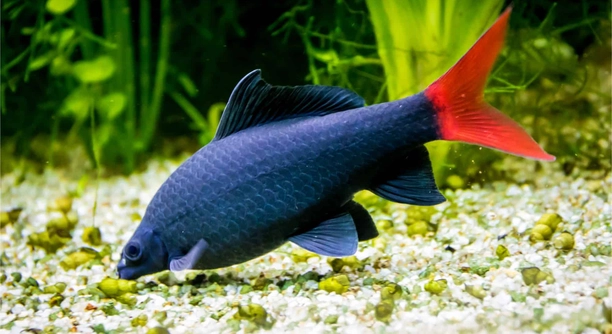
Are your rainbow sharks showing unusual behavior or appearance lately? These popular aquarium fish need specific care to stay healthy and active. Recognizing early signs of distress can prevent serious health problems before they worsen.
Rainbow sharks may not thrive due to poor water quality, insufficient diet, stress from overcrowding, or lack of hiding spaces. These factors lead to weakened immune systems, reduced activity, faded coloration, and physical symptoms indicating poor health.
Identifying these signs early will help you improve your rainbow shark’s environment and ensure its well-being over time.
Changes in Color and Appearance
Rainbow sharks are known for their vibrant colors, which can fade when they are not thriving. Dull or pale coloration is often one of the first signs of stress or illness. Physical changes such as torn fins, white spots, or unusual growths can also indicate health problems. These issues often result from poor water conditions or an inadequate diet. Observing your fish regularly helps catch these changes early, allowing for prompt action to improve their environment. Ensuring clean water, proper filtration, and a balanced diet will support their natural colors and overall health.
Color fading in rainbow sharks usually signals stress or poor health and should not be ignored.
Monitoring water parameters like ammonia, nitrite, and nitrate levels can prevent color loss. Feeding a varied diet rich in nutrients promotes brighter colors. Avoid overcrowding to reduce stress and injuries. Regular water changes and proper tank maintenance are essential. Providing hiding places can also reduce stress, helping your rainbow shark maintain its vibrant appearance.
Unusual Behavior and Activity Levels
Rainbow sharks are typically active swimmers. If your fish suddenly becomes lethargic or hides more than usual, it may be a sign of distress or illness. Changes in behavior can result from stress, poor water quality, or disease. Watch for signs such as erratic swimming, gasping at the surface, or loss of appetite. These symptoms require immediate attention to avoid further decline.
Reduced activity or hiding frequently indicates that your rainbow shark is not comfortable in its environment.
Addressing behavioral changes involves checking water quality and tank conditions first. Stress from aggressive tank mates or overcrowding can cause withdrawal or aggression. Treating any infections or parasites early can restore normal behavior. Providing a peaceful, well-maintained habitat encourages your rainbow shark to be more active and healthy.
Loss of Appetite
A rainbow shark that refuses food or eats less than usual is likely under stress or unwell. This can be caused by poor water conditions, illness, or competition from other fish.
Loss of appetite reduces a fish’s energy and weakens its immune system. If your rainbow shark stops eating, first test the water for ammonia, nitrite, and nitrate levels. These chemicals can cause discomfort and illness if too high. Next, observe if other fish are bullying it or preventing access to food. Providing a quiet feeding spot and ensuring a varied, nutritious diet can encourage eating again. If the problem persists, a veterinary check for parasites or disease might be needed.
A healthy appetite is crucial for maintaining your rainbow shark’s strength. Make sure the feeding routine is consistent and the food is fresh. Changing diets suddenly or offering low-quality food can also lead to refusal. Keeping the tank environment stable helps restore normal feeding habits.
Erratic Swimming Patterns
Erratic swimming, such as darting quickly or crashing into objects, usually means your rainbow shark is stressed or sick. This behavior often points to poor water quality or internal parasites.
Water parameters should be checked immediately if you notice this behavior. Ammonia or nitrite spikes can cause distress and neurological problems. Parasites may also affect balance and cause uncontrolled movements. Treating the tank with appropriate medications after diagnosis can resolve the issue. Additionally, sudden changes in water temperature or pH can trigger erratic swimming. Maintaining steady conditions reduces these risks. Observing the fish closely can help you identify early symptoms and act quickly to restore calm swimming patterns.
Clamped Fins
Clamped fins, where the fins are held close to the body, indicate stress or illness in rainbow sharks. This behavior often signals poor water quality or infection.
If your fish shows clamped fins, test the tank water immediately. Improving water conditions and reducing stress can help fins return to normal.
Rapid Gill Movement
Rapid gill movement means your rainbow shark is struggling to breathe. This often results from low oxygen levels or high toxins in the water.
Check aeration and water quality. Increasing oxygen through air stones and performing water changes can relieve breathing difficulties and improve fish health.
Hiding Excessively
Rainbow sharks naturally like hiding spots but excessive hiding suggests discomfort or stress. Overcrowding or bullying may cause this behavior. Providing enough space and shelter reduces stress and encourages normal activity.
What causes a rainbow shark to stop eating?
Loss of appetite in rainbow sharks is usually caused by stress, poor water quality, or illness. High ammonia or nitrite levels can make the fish uncomfortable, leading to refusal of food. Aggressive tank mates may also block access to food, making the rainbow shark eat less or stop altogether. Sudden changes in diet or low-quality food can cause reluctance to eat as well. Ensuring a calm environment, clean water, and a balanced diet helps maintain a healthy appetite.
How can I improve my rainbow shark’s color?
Color fading is often linked to stress and poor nutrition. Providing a diet rich in vitamins and carotenoids supports vibrant coloration. Maintaining clean water and stable tank conditions reduces stress, which also helps your fish keep its bright colors. Avoid overcrowding and provide hiding spots to reduce aggression, which can dull the shark’s appearance.
Why is my rainbow shark swimming erratically?
Erratic swimming often signals distress caused by poor water quality, parasites, or temperature fluctuations. Checking ammonia, nitrite, nitrate levels, and maintaining stable temperature can reduce this behavior. Parasite treatment may be necessary if infections are present. A calm, well-maintained tank encourages normal swimming.
What should I do if my rainbow shark has clamped fins?
Clamped fins usually indicate stress or illness. Immediate water testing is essential to detect harmful chemical levels. Improving water conditions and reducing stressors like overcrowding or bullying can help fins recover. Sometimes, medication may be required to treat infections causing clamped fins.
Is excessive hiding normal for rainbow sharks?
Rainbow sharks do hide naturally, but excessive hiding often means stress or discomfort. Causes include poor water quality, overcrowding, or aggressive tank mates. Providing enough space and plenty of hiding places helps reduce stress. Monitoring tank conditions and social dynamics can encourage your fish to be more active.
How often should I clean my rainbow shark’s tank?
Regular maintenance is crucial for rainbow shark health. Weekly partial water changes of about 20-30% keep toxins low. Cleaning filters monthly ensures proper water flow and quality. Avoid full water changes that disrupt beneficial bacteria. Keeping the tank clean prevents stress and illness.
Can tank mates affect my rainbow shark’s health?
Yes. Aggressive or overly active tank mates can stress rainbow sharks, leading to poor health. Avoid keeping rainbow sharks with aggressive species or overcrowding the tank. Compatible tank mates and sufficient space promote a peaceful environment, improving your shark’s well-being.
What is the ideal tank setup for a rainbow shark?
Rainbow sharks thrive in tanks of at least 30 gallons with clean, well-filtered water. Provide hiding places like caves and plants. Maintain a temperature between 72°F and 79°F and keep pH between 6.5 and 7.5. Stable conditions and good water quality support their health and activity.
How do I know if my rainbow shark has parasites?
Signs of parasites include flashing (rubbing against objects), rapid breathing, erratic swimming, and visible spots or worms. Parasites weaken the fish and can spread to others. Quarantining the affected fish and using appropriate medication can control parasites and restore health.
What diet is best for rainbow sharks?
Rainbow sharks are omnivores needing a varied diet. High-quality sinking pellets or flakes form the base. Supplement with live or frozen foods like bloodworms and brine shrimp. Vegetables like zucchini and spinach offer extra nutrients. A balanced diet keeps your shark healthy and colorful.
Taking care of a rainbow shark requires attention to its environment, diet, and behavior. These fish need clean water, a proper diet, and enough space to swim freely. When any of these factors are off balance, the fish may show signs of stress or illness. Watching for early warning signs like changes in color, unusual behavior, or loss of appetite is important. Acting quickly when you notice these signs can help your rainbow shark recover and thrive. Regular maintenance and monitoring are key to providing a healthy home for these fish.
Water quality is one of the most important factors for keeping rainbow sharks healthy. Poor water conditions can cause many health problems, including faded colors, clamped fins, and erratic swimming. Regular water testing and changes are necessary to keep ammonia, nitrite, and nitrate levels low. Proper filtration and aeration also help maintain a stable and clean environment. When the water is clean and stable, your rainbow shark will be more active and show its natural bright colors. Stress caused by overcrowding or aggressive tank mates can also affect your fish’s health, so it is important to choose compatible species and give each fish enough space.
Feeding your rainbow shark a balanced diet supports its overall well-being. These fish eat both plant and animal matter, so providing a variety of foods is best. High-quality pellets or flakes, combined with occasional live or frozen foods, help meet their nutritional needs. Vegetables like zucchini or spinach can add extra nutrients. Feeding regularly but not overfeeding helps keep the fish healthy and prevents water quality issues. Paying close attention to your rainbow shark’s behavior and appearance allows you to make changes when necessary and keep your fish thriving in your aquarium.

Hello,
If you enjoy the content that we create, please consider saying a "Thank You!" by leaving a tip.
Every little bit helps us continue crafting quality advice that supports the health, happiness, and well-being of pets around the world, for pets of all shapes, sizes, and species.
We really appreciate the kindness and support that you show us!