
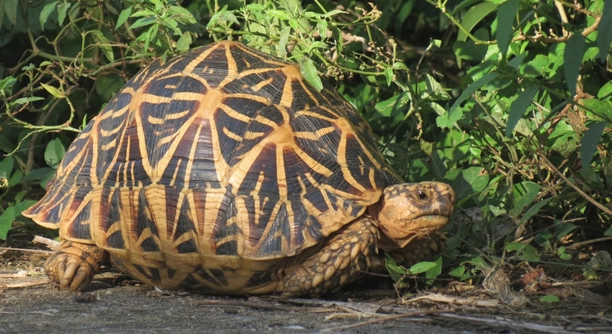
Indian Star Tortoises are popular pets due to their gentle nature, but like all animals, they can face health issues, especially with their shells. Understanding and treating these issues is important for their well-being.
The seven most common shell problems in Indian Star Tortoises include shell rot, pyramiding, cracking, malnutrition, shell deformities, fungal infections, and injury. Early detection and treatment are key to ensuring their health and comfort.
Learning about these common shell problems will help you take better care of your tortoise and prevent long-term issues.
Shell Rot: A Common and Serious Issue
Shell rot is one of the most common health problems in Indian Star Tortoises. It occurs when bacteria or fungi infect the shell, causing it to become soft and discolored. This condition can develop due to poor living conditions, such as excessive humidity or unsanitary enclosures. If left untreated, shell rot can lead to more serious health complications. Early signs to watch for include a foul smell, soft spots on the shell, or discoloration. It’s crucial to address this problem quickly to prevent the infection from spreading further.
To treat shell rot, remove the tortoise from its enclosure and clean the infected areas with an antiseptic solution. You may need to apply a topical antibiotic ointment as prescribed by a vet. Keep the tortoise in a dry, clean environment and monitor it closely. It’s essential to maintain proper hygiene to avoid recurrence.
Regular shell checks and keeping your tortoise’s habitat clean will go a long way in preventing shell rot. With proper care, it is often manageable, but ignoring it can cause irreversible damage.
Pyramiding: A Growing Problem in Captivity
Pyramiding refers to the abnormal growth of the tortoise’s shell, where the scutes (the individual plates) form raised, pyramid-like shapes. This is often caused by poor diet or improper living conditions, such as inadequate UVB lighting and insufficient humidity. While it is not life-threatening, pyramiding can cause discomfort and may lead to further complications as the tortoise grows.
In the case of a tortoise with pyramiding, proper diet, increased UVB exposure, and hydration are key. Feeding a balanced diet with proper calcium and vitamin D3 is essential. Avoid overfeeding, as this can contribute to excessive growth.
If you notice pyramiding in your tortoise, making these changes can help slow down the progression. However, once it occurs, the shell won’t revert back to its natural shape. Prevention is always the best option, so make sure to provide your tortoise with the right conditions from the start.
Cracking and Broken Shells
Cracks or breaks in the shell can occur due to accidental injury or rough handling. A cracked shell exposes the tortoise to infection and other complications. The severity depends on how deep or large the crack is, and it’s essential to assess the damage carefully. If the crack is minor, cleaning the wound and applying an antibiotic ointment may be enough. For larger cracks, a vet should be consulted immediately to avoid further damage.
Injuries from falls or rough handling can cause the shell to crack. When this happens, the tortoise may be in pain, so it’s important to monitor for signs of distress. Clean the wound with antiseptic to prevent infections. Applying a special shell adhesive recommended by the vet can help close the cracks temporarily. It’s crucial that the tortoise’s habitat is safe, ensuring it doesn’t have opportunities for falls.
A cracked shell needs to be treated quickly and carefully to avoid infection. Keeping the area dry, clean, and safe from further harm will give the tortoise the best chance of healing. Don’t delay in seeking professional care for serious injuries.
Malnutrition and Shell Health
Malnutrition is a common cause of shell issues in Indian Star Tortoises. A poor diet, lacking essential nutrients, can lead to weak shells and deformities. If your tortoise is not getting the right amount of calcium, vitamin D3, or other key nutrients, it may develop soft or brittle shell conditions. Malnutrition often stems from an unbalanced diet or improper supplementation.
To ensure your tortoise’s health, provide a varied diet rich in leafy greens, vegetables, and some fruit. Supplement the diet with calcium and vitamin D3, especially if your tortoise doesn’t get enough natural sunlight. Malnutrition can be subtle at first but over time, its effects will become clear. Offering a consistent, balanced diet is the best preventive measure.
If malnutrition is suspected, changing the diet and adding appropriate supplements should help correct the issue. A vet can guide you in choosing the right foods and supplements for your tortoise. Proper nutrition is key to maintaining a strong, healthy shell.
Shell Deformities
Shell deformities in Indian Star Tortoises can occur due to improper care, such as insufficient UVB lighting, improper diet, or genetics. These deformities often affect the shape of the shell, causing it to appear uneven or misshapen. It’s important to monitor your tortoise closely for any signs of abnormal growth.
Deformities can worsen over time if the underlying cause is not addressed. A well-balanced diet, proper UVB exposure, and maintaining correct humidity levels are key to preventing these issues. If deformities persist, a vet can offer additional treatments or advice for improving your tortoise’s condition.
Deformities can cause discomfort, so it’s best to identify and treat them as soon as possible. Make necessary changes to the environment, diet, and care routine to prevent further problems.
Fungal Infections
Fungal infections are another potential issue that tortoises face. These can develop when the tortoise is kept in a damp, unsanitary environment. Fungal infections often appear as white, flaky patches on the shell. They may cause irritation or discomfort, especially if the infection spreads.
To treat fungal infections, remove the tortoise from the infected environment and disinfect its enclosure thoroughly. Applying antifungal treatment to the affected areas can help clear up the infection. Keep the tortoise in a dry, clean area while it heals to avoid re-infection.
Improper cleaning habits can contribute to the growth of fungi in the enclosure. Regularly sanitize the habitat and ensure it has proper ventilation to reduce the risk of fungal growth.
FAQ
What should I do if my tortoise has a cracked shell?
If your tortoise has a cracked shell, the first step is to clean the wound with an antiseptic solution. You can apply a topical antibiotic ointment to prevent infection. For minor cracks, the shell may heal on its own with proper care, but larger cracks require a visit to the vet. In some cases, a special shell adhesive may be used to temporarily close the crack. It’s also important to keep the tortoise in a clean, dry environment and restrict movement to prevent further injury. Healing can take time, so monitor your tortoise closely.
How can I prevent shell rot in my tortoise?
Shell rot can be prevented by maintaining a clean and dry environment for your tortoise. Ensure the humidity levels are appropriate and avoid excessive moisture in their habitat. Regularly clean the enclosure, remove any waste, and provide fresh water daily. You should also provide UVB lighting to help your tortoise produce Vitamin D3 and maintain proper shell health. It’s important to check your tortoise’s shell regularly for any signs of rot, such as soft spots or discoloration. If shell rot does develop, prompt treatment can help prevent further damage.
Is pyramiding harmful to my tortoise?
Pyramiding itself is not usually harmful, but it indicates poor conditions in the tortoise’s care, especially concerning diet and humidity. It can cause discomfort, and over time, the abnormal shell growth can affect the tortoise’s overall health and movement. Pyramiding is often caused by overfeeding, lack of proper UVB lighting, or insufficient hydration. While the shape of the shell will not return to normal once pyramiding occurs, providing proper care going forward can prevent it from getting worse. A balanced diet, proper UVB exposure, and a suitable habitat are essential to avoiding pyramiding in the future.
How do I treat fungal infections on my tortoise’s shell?
If your tortoise has a fungal infection, the affected area will often appear as white, flaky patches on the shell. Start by isolating your tortoise in a clean, dry area to prevent the spread of infection. Gently clean the infected spots with an antifungal solution, following the instructions on the product. After applying the treatment, keep your tortoise in a dry, well-ventilated environment. Additionally, clean and disinfect the enclosure thoroughly to eliminate any spores. If the infection persists or worsens, consult a vet for further treatment.
What is the best diet for an Indian Star Tortoise?
An Indian Star Tortoise’s diet should consist mainly of leafy greens, such as dandelion greens, collard greens, and mustard greens, along with other vegetables like zucchini and squash. Some fruit can be given occasionally, but it should not make up a large part of the diet due to its sugar content. Calcium and Vitamin D3 are vital for shell health, so be sure to provide supplements or foods high in calcium, like calcium-rich vegetables and cuttlebone. The right balance of nutrients is essential for maintaining a strong shell and overall health. Avoid feeding your tortoise high-protein foods, as this can lead to pyramiding and other health issues.
How can I tell if my tortoise is stressed?
Stress in tortoises can manifest in several ways, including loss of appetite, lethargy, or aggressive behavior. A stressed tortoise might also hide more than usual or become withdrawn. Stress can be caused by improper enclosure conditions, such as too much humidity, incorrect temperatures, or a lack of hiding places. Environmental changes, handling, or even the presence of other animals can also contribute to stress. If you notice signs of stress, assess your tortoise’s habitat to ensure it is comfortable and suitable for its needs. Reducing handling and providing a stable, safe environment can help your tortoise feel secure.
What causes malnutrition in tortoises?
Malnutrition is often caused by an improper diet or lack of proper supplementation. If a tortoise is fed a limited diet, such as only one type of vegetable or too much fruit, it may not get the necessary nutrients to stay healthy. Calcium, Vitamin D3, and fiber are essential for proper growth and shell development. Without proper UVB lighting, tortoises can also suffer from a lack of Vitamin D3, which is important for calcium absorption. To avoid malnutrition, offer a variety of leafy greens, vegetables, and occasional fruits while providing proper supplements for calcium and Vitamin D3.
How can I prevent shell deformities in my tortoise?
Shell deformities are often the result of improper care, such as poor diet, insufficient UVB lighting, or inadequate humidity levels. To prevent deformities, provide a balanced diet rich in leafy greens, vegetables, and occasional fruits. Make sure your tortoise has access to UVB light for at least 10-12 hours a day to support shell growth and calcium absorption. Ensure the habitat has proper humidity levels and is cleaned regularly to maintain a healthy environment. If deformities do appear, consult a vet to determine the cause and prevent further issues.
How do I know if my tortoise’s shell is healthy?
A healthy tortoise shell should be smooth, firm, and symmetrical. There should be no soft spots, cracks, or discoloration. The scutes (individual shell plates) should overlap properly and show even growth. Regularly check for any signs of abnormalities, such as bumps, cracks, or lesions. If you notice any changes, such as foul smells, unusual growth, or discoloration, this could be a sign of a problem like shell rot or malnutrition. Regular shell checks and providing the right environmental conditions will help keep your tortoise’s shell in good health.
Final Thoughts
Taking care of an Indian Star Tortoise involves more than just providing food and water. It’s important to maintain a clean, well-regulated environment to keep them healthy. Their shells are crucial to their overall well-being, and issues with the shell can often point to underlying problems. Whether it’s shell rot, pyramiding, or fungal infections, early detection and treatment are vital. As a pet owner, making sure the tortoise’s habitat is set up correctly, including proper humidity, temperature, and UVB lighting, is essential for preventing many common shell issues.
A proper diet plays a huge role in maintaining your tortoise’s health. Calcium, Vitamin D3, and other nutrients are necessary for shell growth and overall strength. Without the right nutrients, a tortoise’s shell can weaken, leading to deformities or other health problems. A balanced diet of leafy greens, occasional fruits, and the right supplements is crucial. Avoiding overfeeding or offering too many high-protein foods can prevent issues like pyramiding. Regularly monitoring their food intake and making adjustments based on their health can ensure they stay in good shape.
Lastly, regular check-ups and a watchful eye on your tortoise’s shell will help catch any problems early. Being proactive about their care can prevent small issues from turning into serious health concerns. If you notice any changes in your tortoise’s behavior or shell, don’t hesitate to consult a vet. The right care can help your tortoise live a long and healthy life, with a strong, properly formed shell.

Hello,
If you enjoy the content that we create, please consider saying a "Thank You!" by leaving a tip.
Every little bit helps us continue crafting quality advice that supports the health, happiness, and well-being of pets around the world, for pets of all shapes, sizes, and species.
We really appreciate the kindness and support that you show us!