
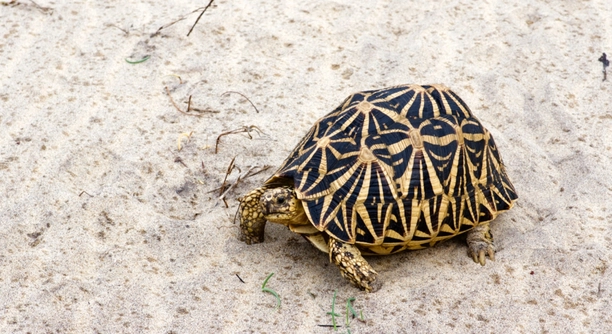
Tortoises are fascinating creatures with unique habits. If you’ve noticed your Indian Star Tortoise pacing around its enclosure, you might be wondering what this behavior means and whether it’s something to be concerned about.
Pacing in Indian Star Tortoises can be due to several factors, such as stress, lack of stimulation, improper temperature, or insufficient space. Identifying the root cause is essential to ensuring your tortoise’s well-being and comfort in its habitat.
Understanding why your tortoise exhibits pacing can help prevent further stress and improve their living conditions. Keep reading to learn more about what could be causing this behavior and how to address it.
Stress and Anxiety Can Trigger Pacing
Stress is one of the most common reasons why your Indian Star Tortoise might be pacing. Just like humans, animals can experience anxiety. This could be caused by various factors, including loud noises, unfamiliar people or animals, or sudden changes in their environment. Tortoises thrive on routine, and when something disrupts this stability, they may become stressed.
Additionally, stress can manifest in different ways. Some tortoises may pace back and forth in an attempt to escape from what is making them anxious. This can be a sign that your tortoise is trying to find a safe place or comfort. Pay attention to any changes in their habitat or daily routine, as these could be the cause of their behavior.
It’s important to create a peaceful and stable environment for your tortoise. You can help by minimizing loud sounds, providing a quiet and private space, and keeping other pets or people from startling your tortoise. By keeping things consistent, your tortoise may feel more secure, reducing stress-related pacing.
Temperature Issues Might Be Affecting Behavior
Temperature is a key factor in a tortoise’s health. If the environment is too hot or too cold, it can cause discomfort, leading to pacing behavior.
A proper temperature gradient in the enclosure is essential for your tortoise to regulate its body temperature. If the basking area is too warm, or if the cooler side of the enclosure is too cold, your tortoise may pace around trying to find a comfortable spot. Be sure to monitor the temperature regularly, ensuring that it stays within the recommended range.
The ideal temperature for an Indian Star Tortoise is between 75°F to 85°F in the cooler area and around 95°F in the basking spot. Use a thermometer to keep track of these conditions and adjust them as needed. If the environment is uncomfortable, your tortoise might pace continuously in an attempt to escape the uncomfortable heat or cold. Regularly checking temperature and humidity will help keep your tortoise in a healthy and relaxed state.
Lack of Space Can Lead to Restlessness
If your tortoise’s enclosure is too small, it may feel confined and unable to move freely. This can result in pacing, as your tortoise tries to find more space. Tortoises need room to explore, climb, and roam, just like they would in the wild.
A cramped space can cause stress and even physical health issues over time. If you notice pacing behavior, it might be an indication that the enclosure needs more room. Ensure your tortoise has enough space to move comfortably. A larger enclosure allows your tortoise to express natural behaviors, reducing the urge to pace.
Your tortoise may also pace more if its enclosure lacks variety in the environment. Consider adding climbing structures, hiding places, or different textures to the floor. These additions will create a more stimulating environment and help prevent boredom. A space that mimics natural surroundings can significantly reduce restlessness and pacing.
Boredom Is a Common Reason for Pacing
Tortoises are curious creatures, and they need mental stimulation to keep them happy. Without enrichment, they may become bored, leading to pacing behavior. Simply put, your tortoise may be walking around its enclosure because it has nothing else to do.
You can keep your tortoise entertained by providing objects to explore, such as logs, rocks, or plants. Rotating new items in its environment can keep things interesting and encourage natural foraging behaviors. Additionally, introducing varied food items can also help provide mental stimulation, which may reduce the pacing.
Sometimes, pacing can be a sign that your tortoise is searching for something it expects to find. This could be a food source or a hidden resting spot. It’s important to observe what might be missing or lacking in your tortoise’s environment. Providing a balance of both physical and mental stimulation will keep it healthy and happy.
Health Issues Can Lead to Pacing Behavior
Sometimes, pacing could be a sign that your tortoise is experiencing health problems. Pain or discomfort from an injury, infection, or other health issues can cause restless behavior. If pacing continues without other obvious causes, it may be time to check with a vet.
Health problems like shell issues, parasites, or respiratory infections can make your tortoise uneasy, causing them to pace. If the pacing is accompanied by other symptoms like loss of appetite, lethargy, or abnormal breathing, a visit to the vet is necessary.
The Role of Lighting in Tortoise Behavior
Proper lighting is essential for your tortoise’s overall well-being. If the lighting in the enclosure is insufficient, your tortoise may feel disoriented or stressed, leading to pacing. UVB light is crucial for their health and activity levels.
Tortoises rely on UVB lighting to produce vitamin D3, which is necessary for calcium absorption and strong bones. If the lighting isn’t adequate, it could affect their health, making them more likely to pace as they search for a more comfortable environment. Make sure the light is positioned correctly to cover most of the enclosure.
FAQ
Why is my tortoise pacing around the enclosure constantly?
Pacing is often a sign of discomfort or stress. If your Indian Star Tortoise is pacing without stopping, it could be due to environmental factors like incorrect temperature, insufficient space, or lack of mental stimulation. Tortoises are creatures of habit, and any disruption in their environment can make them anxious. Check if the enclosure is large enough, the lighting and heating are correct, and if there’s enough variety in their surroundings. Pacing could also signal health issues, so monitor for other symptoms such as lethargy or loss of appetite.
Can stress cause my tortoise to pace?
Yes, stress is one of the leading causes of pacing in tortoises. Changes in their environment, unfamiliar noises, or interaction with other pets can cause anxiety. Stress can also result from overcrowded enclosures or being handled too frequently. It’s important to create a calm, stable environment for your tortoise, free from sudden changes. Maintaining a routine and ensuring privacy can help reduce stress levels.
What should I do if my tortoise is pacing around at night?
If your tortoise is pacing at night, it could be due to an improper day-night cycle. Tortoises are diurnal, meaning they are active during the day and rest at night. If the enclosure is too bright or warm at night, this may disrupt its natural cycle. Ensure the lighting is turned off at night and the temperature drops to a more appropriate range. Providing a cozy hiding spot where your tortoise can retreat to during the night may help reduce nighttime pacing.
Can lack of space cause my tortoise to pace?
Yes, an enclosure that is too small can cause your tortoise to pace as it seeks out more space. Tortoises need room to roam, explore, and engage in natural behaviors. A cramped space can lead to stress and restlessness. Make sure the enclosure is large enough for your tortoise to move around comfortably. You should also include hiding spots, climbing structures, and variety in the environment to help keep your tortoise mentally stimulated.
What are the signs that my tortoise is bored?
Boredom can lead to pacing in tortoises. If your tortoise is showing repetitive movements like pacing, it might be due to a lack of stimulation. Tortoises enjoy exploring their surroundings, and without enough variety in their environment, they may feel frustrated. Add new elements to their habitat, such as rocks, plants, or tunnels, to give them more to explore. You can also rotate their food to keep things interesting. Keeping their environment dynamic can help alleviate boredom and reduce pacing.
Is my tortoise pacing because it’s hungry?
It’s possible that your tortoise is pacing because it’s looking for food. If the tortoise associates certain behaviors with feeding time, it may pace around its enclosure in anticipation. Tortoises can learn to expect food when they see certain actions, such as when you open the enclosure or approach with their food. However, if pacing is happening at times outside of feeding routines, it may indicate another issue, such as stress or boredom.
How do I know if my tortoise is pacing due to health issues?
If your tortoise’s pacing is accompanied by other signs like lethargy, loss of appetite, abnormal shell growth, or respiratory issues, it may indicate health problems. Health issues like parasites, infections, or a shell injury can make your tortoise uncomfortable, causing it to pace. Regularly monitor your tortoise’s behavior, and if the pacing doesn’t stop or is accompanied by these symptoms, it’s best to consult a vet for a thorough checkup.
Can I reduce pacing by changing the environment?
Yes, changing the environment can significantly help reduce pacing in tortoises. Make sure the enclosure provides ample space and the correct lighting and temperature. A balanced environment with enough enrichment—like logs to climb, plants to explore, and hiding spots—will help keep your tortoise engaged. Ensure the enclosure mimics their natural habitat as much as possible. The more stimulating the environment, the less likely your tortoise will feel the need to pace.
Why is my tortoise pacing even though the temperature is fine?
Even if the temperature is correct, other factors may be contributing to your tortoise’s pacing. It could be due to stress, boredom, or lack of space. Double-check the enclosure’s size and ensure your tortoise has enough room to move around. Adding variety to their habitat, such as climbing structures and hiding places, can help with mental stimulation. If everything seems fine but the pacing persists, consider checking with a vet to rule out health issues.
Could my tortoise be pacing due to improper lighting?
Yes, improper lighting can cause pacing. Tortoises rely on UVB lighting for proper calcium absorption, which impacts their activity levels. If the lighting in your tortoise’s enclosure is inadequate, they might feel disoriented or stressed, leading to pacing. Ensure the enclosure has the right UVB lighting and that it’s in good working condition. Also, consider the light’s position so it covers most of the space. Proper lighting supports your tortoise’s health and reduces anxiety-related behaviors.
Understanding why your Indian Star Tortoise is pacing around its enclosure is crucial for creating a healthy and happy environment for it. As tortoises are creatures of habit, even small changes in their habitat can cause them to feel stressed or uncomfortable. Pacing is often a sign that something in their environment is not right, whether it’s temperature, space, or lack of stimulation. By paying attention to these factors, you can make adjustments to ensure your tortoise feels secure and relaxed.
The best way to address pacing is to identify the underlying cause. If the enclosure is too small, consider upgrading to a larger space where your tortoise can move freely. Ensure that the temperature gradient is ideal, with a basking area that’s warm enough and a cooler area for resting. Proper lighting is also essential, as UVB light plays a key role in your tortoise’s overall health. These adjustments can go a long way in reducing anxiety and preventing pacing behaviors. Sometimes, boredom can also be the cause, so adding enrichment to the enclosure, such as hiding spots and objects to climb, can keep your tortoise mentally engaged.
Lastly, it’s important to remember that health issues can also cause pacing. If your tortoise continues to pace despite adjusting the environment, it may be time to check for signs of illness. Symptoms like lethargy, loss of appetite, or abnormal breathing could indicate underlying health problems. If these signs are present, a visit to the vet is necessary to ensure your tortoise is in good health. In the end, keeping a close eye on your tortoise’s behavior and environment will help you address any issues early on and ensure it lives a long, healthy life.

Hello,
If you enjoy the content that we create, please consider saying a "Thank You!" by leaving a tip.
Every little bit helps us continue crafting quality advice that supports the health, happiness, and well-being of pets around the world, for pets of all shapes, sizes, and species.
We really appreciate the kindness and support that you show us!