
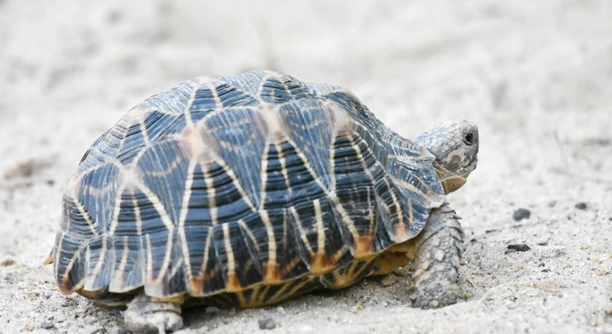
Indian Star Tortoises are known for their unique dietary needs, and it’s essential to understand what they can and cannot eat. Hibiscus flowers are often considered for their nutritional benefits, but their suitability for tortoises requires some clarification.
Indian Star Tortoises can safely consume hibiscus flowers, as they offer essential nutrients like calcium and fiber, promoting digestive health. However, these flowers should be given in moderation to avoid overfeeding and ensure a balanced diet for the tortoise.
The benefits of adding hibiscus flowers to a tortoise’s diet go beyond just the nutritional value, as they may contribute to overall well-being.
Nutritional Value of Hibiscus Flowers for Tortoises
Hibiscus flowers are rich in essential nutrients that can benefit Indian Star Tortoises. They contain vitamins such as Vitamin A, C, and K, along with calcium, which is vital for shell and bone health. The fiber content in hibiscus flowers also aids in digestion, making it a good addition to their diet. However, these flowers should be offered in moderation to maintain a balanced intake of nutrients. Overfeeding hibiscus flowers can result in an imbalance, so it’s important to include them alongside other suitable vegetation and supplements.
While hibiscus flowers offer a variety of nutrients, they should not be the primary food for your tortoise. A diet consisting mainly of high-calcium leafy greens, such as dandelion greens, and safe fruits will ensure they get all the essential nutrients they need. Hibiscus can be a treat, but not the foundation of their daily meals.
To incorporate hibiscus flowers into their diet, try offering them a few times a week. Be sure to remove any leftover flowers after a few hours to prevent spoilage. Adding variety to their meals keeps them engaged and helps maintain a healthy diet.
Potential Risks of Feeding Hibiscus Flowers
Feeding hibiscus flowers can come with some risks if not carefully controlled. If sourced from areas that use pesticides or chemicals, hibiscus flowers may contain harmful substances. Always ensure that the flowers you offer are free from these chemicals. Organic hibiscus flowers are ideal, as they are grown without harmful pesticides.
Although hibiscus flowers provide nutrients, they should be considered as an occasional treat, not a regular part of the diet. Consistently feeding hibiscus flowers may lead to nutritional imbalances, which can affect the overall health of your tortoise. Keep variety in mind when planning their meals.
How to Safely Introduce Hibiscus Flowers to Your Tortoise’s Diet
When adding hibiscus flowers to your tortoise’s diet, it’s important to start small. Introduce a single petal or leaf at first, and observe for any signs of digestive issues or discomfort. Gradually increase the amount if no issues arise, always monitoring their reaction.
Hibiscus flowers can be fed fresh or dried, but it’s best to offer them fresh to ensure they retain the most nutrients. Remove any flowers that have been sitting out for too long to prevent contamination. It’s essential to feed them as part of a varied diet. Relying on just one type of food can lead to an imbalance in nutrition, so complement the hibiscus flowers with other vegetables and greens.
While hibiscus flowers are safe in moderation, too many can result in an upset stomach. Always ensure that your tortoise’s diet consists primarily of high-fiber greens and occasional fruits. Offering hibiscus as a treat instead of a staple food will help maintain a healthy diet.
Importance of a Balanced Diet for Indian Star Tortoises
A balanced diet is key to maintaining the health of your Indian Star Tortoise. While hibiscus flowers can be a nutritious supplement, they should not be relied upon as a main food source. Leafy greens, such as collard greens, kale, and dandelion leaves, should form the bulk of their diet. These foods provide essential vitamins and minerals, especially calcium, which is crucial for shell development.
Including a variety of vegetables helps prevent dietary deficiencies. If you feed hibiscus flowers regularly, make sure they are part of a broader, balanced diet. Without a well-rounded nutritional intake, your tortoise may face health problems, including poor shell growth or digestive issues. A good balance supports the overall well-being of your pet.
Avoiding overfeeding any single food item, including hibiscus flowers, will help ensure that your tortoise gets the nutrients it needs. Keep variety in mind to keep meals interesting and nutritionally sound. Consistently offering a mix of foods will improve your tortoise’s quality of life and help prevent potential health complications.
Hibiscus Flower Varieties and Their Impact
Not all hibiscus flowers are the same, and some varieties may have different nutritional benefits. The most common type is the Chinese hibiscus, which is generally safe for tortoises. Always verify the type before offering it, as certain varieties could be less suitable.
When selecting hibiscus flowers, ensure they have not been treated with any chemicals or pesticides. Organic flowers are the safest choice for your tortoise. Different varieties may contain varying levels of nutrients, so mixing up the flowers you offer can help provide a more balanced intake of vitamins and minerals.
Alternatives to Hibiscus Flowers for Tortoises
If you’re looking for other plants to add to your tortoise’s diet, consider dandelion greens, clover, and plantain leaves. These options are packed with nutrients, including calcium and fiber, which support healthy digestion and shell growth. Offering a variety of these plants can help diversify your tortoise’s diet.
Tortoises can also benefit from edible flowers such as nasturtiums and marigolds. These flowers are safe and provide different vitamins, enhancing the nutritional value of their meals. By mixing hibiscus flowers with other safe plants, you help ensure a well-rounded, healthy diet for your tortoise.
How Often to Feed Hibiscus Flowers
Feeding hibiscus flowers to your tortoise two to three times a week is ideal. Offering too many can cause digestive issues, so balance is key. Always pair them with other foods like leafy greens or vegetables for a complete diet. This approach ensures your tortoise gets all necessary nutrients.
FAQ
Can hibiscus flowers cause digestive problems for Indian Star Tortoises?
Yes, hibiscus flowers can cause digestive issues if they are fed in excess. While they are safe in moderation, overfeeding hibiscus flowers can upset your tortoise’s stomach. It’s essential to monitor how your tortoise reacts after eating hibiscus flowers. If they show signs of discomfort, such as bloating or loose stools, reduce the amount offered.
Are hibiscus flowers good for Indian Star Tortoises?
Hibiscus flowers can be beneficial when fed as a treat in moderation. They are rich in vitamins A, C, and K, as well as calcium, which are important for your tortoise’s health. However, they should not make up a significant part of their diet. A balanced diet with leafy greens and other vegetables is essential for their long-term health.
Can I feed my tortoise dried hibiscus flowers?
Dried hibiscus flowers can be offered to tortoises, but they may not have the same nutritional value as fresh flowers. The drying process can reduce the levels of vitamins and minerals. If you’re using dried hibiscus, ensure they are stored properly to avoid contamination and use them as an occasional treat.
How do I know if the hibiscus flowers are safe for my tortoise?
The best way to ensure that hibiscus flowers are safe for your tortoise is to check if they are organic and free from pesticides. Always source hibiscus flowers from trusted suppliers or grow your own. Avoid picking flowers from areas that may have been treated with chemicals. Chemical residues can harm your tortoise.
Can Indian Star Tortoises eat hibiscus flowers every day?
No, hibiscus flowers should not be a daily part of your tortoise’s diet. Feeding them daily could lead to an imbalance in their nutrition. Hibiscus flowers can be a nutritious supplement, but they should be given in moderation. Offering them two to three times a week is sufficient to prevent overfeeding.
What should I do if my tortoise refuses to eat hibiscus flowers?
If your tortoise refuses hibiscus flowers, don’t force them to eat it. Every tortoise has different preferences, and some may simply not enjoy the taste. Try offering other safe plants and vegetables to ensure they get the proper nutrition. You can also experiment with different ways of presenting the hibiscus, such as mixing it with other food.
Can hibiscus flowers help with shell health in tortoises?
Hibiscus flowers contain calcium, which plays a role in maintaining healthy shell development. However, they should not be relied upon as the primary source of calcium. A well-rounded diet that includes high-calcium greens such as dandelion leaves and kale is important for your tortoise’s shell health. Hibiscus can be an occasional supplement to this diet.
Are there any hibiscus flower varieties that are harmful to tortoises?
While most hibiscus flowers are safe, some varieties may not be suitable for tortoises, particularly those that are cultivated with chemicals or pesticides. Avoid feeding flowers from varieties that are not commonly used in pet diets, and always ensure they are organic. If unsure, consult a veterinarian before offering new flower varieties.
Can hibiscus flowers help with hydration for my tortoise?
Yes, hibiscus flowers have a high water content and can contribute to hydration. However, they should not replace fresh water. Always ensure your tortoise has access to clean water at all times. Hibiscus flowers can supplement hydration, but water should always be the primary source for hydration.
What are some other flowers that are safe for Indian Star Tortoises?
There are several other flowers that are safe for Indian Star Tortoises, including marigolds, dandelions, and nasturtiums. These flowers provide various vitamins and nutrients and can be offered as occasional treats. Always research any new flowers before feeding them to your tortoise to ensure they are safe.
How do I properly store hibiscus flowers for my tortoise?
To store hibiscus flowers, keep them in a cool, dry place if they are fresh. They should be used within a few days to ensure their freshness and nutrient content. If you are storing dried hibiscus flowers, keep them in an airtight container to prevent moisture and contamination. Make sure to check for any mold or signs of spoilage before offering them to your tortoise.
Can hibiscus flowers be used as a staple food for Indian Star Tortoises?
No, hibiscus flowers should not be a staple food. They are best served as a supplement to a more balanced diet consisting of leafy greens, vegetables, and occasional fruits. Over-reliance on hibiscus flowers may lead to nutritional imbalances and potential health problems. Always strive for a varied diet for your tortoise.
How often should I rotate the types of flowers I feed my tortoise?
Rotating the types of flowers you feed your tortoise is a good way to ensure they receive a variety of nutrients. Offer hibiscus flowers occasionally and mix them with other safe flowers like dandelions and marigolds. By changing up the flowers regularly, you provide a more balanced intake of vitamins and minerals.
What happens if my tortoise eats too many hibiscus flowers?
If your tortoise consumes too many hibiscus flowers, it may experience digestive upset, such as diarrhea or bloating. Overconsumption of any food, even healthy options like hibiscus, can cause an imbalance. Stick to offering hibiscus flowers in moderation to avoid potential health problems. If issues persist, consult a veterinarian.
Final Thoughts
Hibiscus flowers can be a healthy treat for Indian Star Tortoises when fed in moderation. They provide several important nutrients, such as vitamins A, C, and K, which contribute to overall health. Additionally, they contain calcium, which is beneficial for maintaining a healthy shell. However, hibiscus flowers should never be the main component of a tortoise’s diet. They should be treated as an occasional supplement, rather than a daily food source. It’s important to ensure that your tortoise receives a balanced diet, primarily consisting of leafy greens, vegetables, and some safe fruits.
When offering hibiscus flowers to your tortoise, make sure they are fresh and free from pesticides or chemicals. Organic flowers are the safest option. Always source them from trusted suppliers or grow your own to ensure they are safe and nutritious. Avoid picking flowers from public spaces where they may have been exposed to harmful substances. If your tortoise shows any signs of discomfort after eating hibiscus flowers, such as bloating or diarrhea, stop feeding them immediately and consult a veterinarian if necessary. This will help prevent any digestive issues from arising.
In summary, hibiscus flowers can be a valuable addition to your tortoise’s diet, but they should be offered sparingly. The key is balance and variety. Along with hibiscus flowers, include other safe plants, such as dandelions and marigolds, to provide a more diverse nutritional profile. Regularly rotating food choices ensures that your tortoise receives a well-rounded diet and helps maintain optimal health. Always keep in mind that your tortoise’s diet should be as varied as possible to meet all their nutritional needs. By offering hibiscus flowers in moderation and combining them with other safe foods, you can support your tortoise’s health and well-being.

Hello,
If you enjoy the content that we create, please consider saying a "Thank You!" by leaving a tip.
Every little bit helps us continue crafting quality advice that supports the health, happiness, and well-being of pets around the world, for pets of all shapes, sizes, and species.
We really appreciate the kindness and support that you show us!