
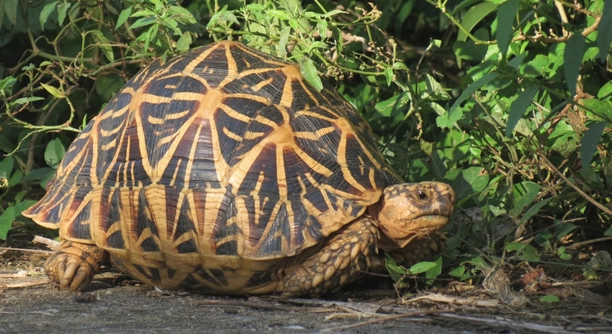
Do you ever find yourself wondering why your Indian star tortoise refuses to eat pellets, no matter how often you offer them? Understanding the reasons behind this behavior can help ensure your pet stays healthy and well-nourished.
The most common reasons Indian star tortoises refuse pellets include preference for fresh food, lack of proper hydration, changes in environment, low-quality pellets, health issues, stress, and improper feeding habits. Addressing these factors can improve their diet and overall well-being.
Several factors can influence your tortoise’s eating habits, and recognizing these can make a difference. Learning about these reasons will help you create a more suitable and appealing diet for your pet.
Preference for Fresh Food
Indian star tortoises often prefer fresh greens over pellets. In the wild, they eat a variety of leafy plants, flowers, and grasses. If they are used to a fresh diet, they may ignore pellets entirely. Some tortoises associate pellets with unfamiliar textures or smells, making them less appealing. Offering a mix of fresh food and pellets can encourage them to try new textures. Start by moistening the pellets or mixing them with their favorite greens. Over time, they may become more willing to eat them.
A slow transition is key when introducing pellets. Sudden diet changes can lead to refusal, so incorporating small amounts into their regular meals works best.
If your tortoise continues to ignore pellets, consider trying different brands. Some contain artificial ingredients that may not appeal to them. Choosing high-quality pellets with natural ingredients can make a difference. Experimenting with different options can help find one they enjoy.
Lack of Proper Hydration
Dehydration can make pellets unappetizing. Indian star tortoises need regular access to clean water to stay hydrated. Without enough moisture, they may struggle to chew and digest dry pellets.
Soaking pellets in water can help. Softening them makes it easier for the tortoise to eat and provides extra hydration. You can also mist their food with water to improve its texture. Regular warm water soaks can also encourage hydration.
If your tortoise lives in a dry environment, increasing humidity may help. A shallow water dish should always be available. Foods with high water content, such as cucumbers and lettuce, can also support hydration. Making these small adjustments can improve their appetite for pellets.
Changes in Environment
A new environment can make a tortoise stop eating pellets. Moving to a new home, changes in lighting, or shifts in temperature can cause stress. Even small adjustments, like a different enclosure setup, can affect their appetite.
Temperature plays a big role in digestion. If their habitat is too cold, they may not feel like eating. Keeping the enclosure within the ideal temperature range, around 80–90°F during the day, helps maintain their appetite. Consistent lighting is also important. Indian star tortoises need a proper day-night cycle to stay active and eat regularly. If their surroundings are too noisy or busy, they might feel stressed and refuse food. Providing a quiet and stable environment encourages them to eat.
Gradual adjustments help them adapt. If you recently changed their habitat, give them time to settle in. Avoid making multiple changes at once, and monitor their eating habits closely.
Low-Quality Pellets
Some pellets contain artificial ingredients, preservatives, or fillers that may not appeal to your tortoise. Low-quality pellets often lack the nutrients they need, making them less beneficial even if eaten. If they refuse a certain brand, it may be due to its taste or texture.
Checking the ingredient list is important. Look for pellets with natural ingredients, such as dried grasses and vegetables. Avoid options with excessive additives, artificial colors, or grains. High-fiber content is essential for their digestion. Some brands offer pellets with added calcium and vitamins, which support their health. Experimenting with different brands can help find one they prefer.
Texture also matters. Some tortoises dislike hard, dry pellets, while others may not like overly soft ones. Soaking them slightly or mixing them with fresh food can make them more appealing. Paying attention to quality and texture ensures they get proper nutrition.
Health Issues
Illness can make a tortoise lose interest in food. Respiratory infections, parasites, or digestive problems may cause discomfort, leading them to avoid pellets. Lethargy, weight loss, or swollen eyes are signs that something might be wrong. A vet visit is necessary if they refuse food for an extended period.
Dental issues can also make chewing difficult. Overgrown beaks or mouth infections may cause pain when eating. Regular beak trimming and a proper diet help prevent these problems. If your tortoise struggles to chew, offering softer foods or soaked pellets can make eating easier while addressing the underlying issue.
Stress
Stress affects appetite. Loud noises, frequent handling, or a busy environment can make a tortoise feel unsafe, leading them to ignore food. They need a calm, secure space with hiding spots to feel comfortable. Reducing disturbances can encourage them to eat normally.
Improper Feeding Habits
Feeding at irregular times can confuse their eating patterns. Sticking to a consistent schedule helps them recognize mealtime. Offering food at the same time daily encourages better eating habits and reduces food refusal.
FAQ
Why isn’t my Indian star tortoise eating pellets?
Your tortoise may refuse pellets due to various reasons. Some prefer fresh food, while others may not find the pellets appealing. Changes in the environment, stress, dehydration, or even health issues can cause a loss of appetite. If your tortoise is showing signs of distress or illness, a visit to the vet is recommended.
Can I feed my tortoise only fresh vegetables?
Feeding only fresh vegetables may not provide a balanced diet. While fresh greens are essential, a mix of fresh food and pellets ensures your tortoise gets all the nutrients they need. Fresh food provides fiber, but pellets offer vitamins and minerals that support bone and shell health.
How often should I feed my Indian star tortoise pellets?
It’s best to offer pellets daily in small amounts. Overfeeding can lead to an unbalanced diet, so it’s important to maintain a consistent feeding schedule. Pellets should be part of their diet but not the only food source. Fresh vegetables, such as dandelion greens, collard greens, or hibiscus flowers, should also be offered.
Can I soak the pellets to make them more appealing?
Yes, soaking pellets in water can make them more palatable. Soaking softens the texture, making them easier to chew and digest, especially if your tortoise has trouble eating dry food. It also adds hydration, which helps if your tortoise is not drinking enough water.
What if my tortoise only eats pellets and no fresh food?
If your tortoise refuses fresh food and only eats pellets, it’s important to introduce variety slowly. A mix of fresh greens can be gradually incorporated into their diet. Start by adding a small amount of fresh food with the pellets, and avoid making sudden changes to their diet.
What should I do if my tortoise isn’t drinking enough water?
Dehydration can lead to serious health issues. Ensure your tortoise always has access to clean, fresh water. Some tortoises prefer to drink from shallow dishes, so try offering water in different ways, like misting their food or soaking them in a shallow bowl of water for a short period.
How can I tell if my tortoise is sick?
Signs of illness in tortoises include lethargy, swollen eyes, labored breathing, refusal to eat, or changes in stool. If you notice any of these symptoms, it’s best to consult a vet experienced with reptiles. Early intervention can help prevent more serious problems.
Can stress make my tortoise stop eating?
Yes, stress can reduce your tortoise’s appetite. Stress factors like sudden changes in their habitat, loud noises, frequent handling, or an overcrowded environment can all cause them to refuse food. Try to minimize disturbances and ensure their enclosure is calm, quiet, and comfortable.
How do I ensure the pellets are of good quality?
When selecting pellets, check the ingredients list. Avoid products with fillers, artificial colors, and excessive preservatives. Look for pellets made from natural grasses and plants, with added calcium and other vitamins. High-quality pellets should have a fiber content that promotes proper digestion.
Should I feed my tortoise the same brand of pellets every time?
While it’s fine to stick with one brand, variety can help ensure your tortoise gets a balanced diet. If your tortoise is rejecting pellets from one brand, try switching to a different one. You can also mix different brands to find one your tortoise likes. Always choose high-quality pellets.
What happens if my tortoise refuses to eat for several days?
If your tortoise refuses food for more than a couple of days, it’s a sign something might be wrong. Stress, health issues, or environmental changes could be to blame. If this behavior persists, consult a vet to rule out underlying medical problems. A long period without eating can lead to serious health issues.
Can temperature affect my tortoise’s appetite?
Yes, temperature plays a big role in your tortoise’s appetite. Indian star tortoises require a warm environment to digest food properly. If the temperature is too low, they may become lethargic and lose interest in eating. Ensure their habitat stays between 80°F and 90°F during the day.
Is it okay to offer fruit to my tortoise?
Occasionally, offering small amounts of fruit is fine. Fruits should be given in moderation, as they can be high in sugar. Too much fruit may lead to digestive issues or imbalanced nutrition. Stick to safe options like strawberries or melon, and avoid citrus fruits, which can be too acidic for tortoises.
How do I handle a picky eater?
If your tortoise is a picky eater, patience and consistency are key. Keep offering a variety of fresh food and pellets, and try mixing them together. Some tortoises prefer softer or wetter foods, so soaking pellets or adding a bit of water can help make them more appealing.
Final Thoughts
Understanding why your Indian star tortoise refuses to eat pellets can help you address the issue. There are several factors at play, including preferences for fresh food, hydration levels, and even environmental changes. If your tortoise is not eating, it’s essential to consider each possibility carefully. Often, the solution involves making gradual adjustments to their diet and environment. This might include offering fresh greens alongside pellets, ensuring proper hydration, or adjusting the temperature and lighting in their enclosure. Taking the time to observe your tortoise’s behavior will provide valuable insights into what might be affecting their appetite.
It’s also important to remember that a healthy diet for your tortoise includes more than just pellets. A variety of fresh, leafy vegetables, along with a good-quality pellet, will help ensure they are getting the proper nutrients they need to thrive. Make sure the pellets you offer are high in fiber and calcium and free from unnecessary additives. Even if your tortoise seems to prefer fresh food, adding some pellets into the diet will provide important vitamins and minerals that might be missing from their regular meals. Finding a balance between fresh food and pellets is key to their health.
Finally, if your tortoise continues to refuse food despite changes in diet and environment, it may be a sign of an underlying health issue. In such cases, consulting a veterinarian is crucial. Tortoises can be good at hiding signs of illness, and by the time symptoms are obvious, it could be too late to fix the problem. Keeping a close eye on your tortoise’s behavior and seeking professional help when needed can ensure they stay healthy and happy.

Hello,
If you enjoy the content that we create, please consider saying a "Thank You!" by leaving a tip.
Every little bit helps us continue crafting quality advice that supports the health, happiness, and well-being of pets around the world, for pets of all shapes, sizes, and species.
We really appreciate the kindness and support that you show us!