
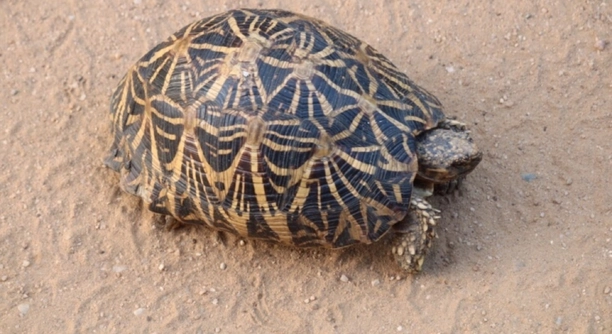
Indian Star Tortoises are unique and beautiful creatures that require special care. As pet owners, understanding how to identify and treat shell cracks is crucial to maintaining their health and well-being.
Shell cracks in Indian Star Tortoises can result from trauma, improper handling, or environmental factors. To treat these cracks, a veterinarian’s advice is essential for healing and preventing further damage. Proper care can ensure a healthy recovery.
Taking the right steps to treat shell cracks is vital for your tortoise’s health. Learn about these treatments and how to protect your pet from future injuries.
Causes of Shell Cracks in Indian Star Tortoises
Shell cracks in Indian Star Tortoises can happen for various reasons. One common cause is physical injury, like dropping them or them falling from a height. If your tortoise is housed in an area with sharp objects, they could accidentally scrape their shell, leading to cracks. Environmental factors like humidity levels and temperature fluctuations can also contribute. If the environment is too dry or too wet, it can weaken their shell, making it more prone to cracking. Lastly, improper handling can also play a role, as rough handling can cause unnecessary pressure on their shell.
Inadequate nutrition can also be a contributing factor. A lack of calcium or vitamin D3 can lead to weak shell development, making it easier for cracks to appear.
Taking a careful approach to your tortoise’s care can help prevent shell damage. Ensure their environment is safe and stable, and always handle them gently.
How to Recognize a Shell Crack
Recognizing a shell crack isn’t always easy. Sometimes, cracks may not be visible immediately, but you may notice behavioral changes in your tortoise. If they start acting more withdrawn or avoid movement, it could indicate pain or discomfort from an injury. Cracks themselves can appear as small, visible lines or even large gaps. If the shell feels soft or unusually brittle, it’s a sign that the crack is a result of weakened shell material, possibly due to nutritional deficiencies.
Make it a habit to examine your tortoise regularly. Gently checking for any irregularities can help you catch cracks early and prevent further harm.
Treating Shell Cracks in Indian Star Tortoises
When it comes to treating shell cracks, it’s important to act quickly but carefully. Minor cracks can sometimes be managed at home with proper care, but more serious injuries require immediate veterinary attention. For small, shallow cracks, you can clean the affected area gently with warm water and a soft cloth. Avoid using harsh chemicals, as these can irritate the tortoise’s shell. Once cleaned, you may apply a non-toxic, reptile-safe antiseptic to prevent infection.
In more severe cases, a vet might need to perform a procedure to repair the shell. This could involve using specialized materials to bond the cracked pieces or offering medications to manage pain and prevent infection. The vet may also recommend a controlled environment for healing, like a dry and safe space for the tortoise to recover without risk of further injury.
Regular checks after treatment are essential to ensure the shell is healing properly. Always follow your vet’s advice for the best recovery outcome.
Preventing Future Shell Cracks
To prevent future shell cracks, it’s crucial to maintain a stable and safe environment for your Indian Star Tortoise. This includes keeping their enclosure free from sharp objects or areas where they could fall or get injured. Providing proper lighting and a balanced diet will also help in maintaining a strong shell. Ensure your tortoise gets enough calcium and vitamin D3 to prevent shell deformities and weakness.
You can also consider giving your tortoise regular check-ups with a vet. Early detection of health issues will make it easier to address problems before they become serious. Proper care can ensure your tortoise stays safe and healthy for years to come.
When to Seek Veterinary Help
If the crack is deep or affects the inner layers of the shell, it’s time to seek professional help. A cracked shell that exposes the bone or soft tissue beneath can lead to infection or serious complications if left untreated. Additionally, if your tortoise shows signs of pain, such as hissing or reluctance to move, it’s essential to consult a vet immediately.
If the crack is not healing properly, or if you notice abnormal swelling or discharge, a vet can offer the best course of action. Some cases may require surgical repair or other medical interventions to ensure proper healing. Regular vet visits can also help identify any underlying issues that may have contributed to the injury.
Supporting Your Tortoise’s Recovery
During recovery, your tortoise will need a calm, clean environment. This minimizes stress and helps avoid further injury. It’s important to keep them in a dry, warm space, away from potential hazards. Limiting their movement can aid in healing, but be sure they have enough space to move around gently to prevent stiffness.
Monitor their eating habits and hydration closely. A tortoise with a shell injury may become less active, but offering their favorite foods and ensuring proper hydration can help maintain their strength. In some cases, your vet might suggest specific supplements or changes to their diet to support bone and shell health.
Proper Handling to Avoid Shell Damage
When handling your tortoise, always support its body properly. Never pick it up by the shell, as this can lead to cracks or other injuries. Gently lift them by the sides of the body, allowing their feet to rest on your hands for support.
Avoid rough or sudden movements. Hold your tortoise low to the ground to prevent any accidental falls. When placing them back in their enclosure, do so carefully, ensuring they land on a soft surface to minimize the risk of injury. Proper handling helps keep your tortoise safe and prevents unnecessary stress.
Shell Repair Options
For minor shell cracks, a non-toxic adhesive or shell repair kit may be useful. These kits are available at pet stores and are specifically designed for tortoises. They can help bond the cracked shell together while allowing it to heal.
If the crack is large or deep, professional help is necessary. A veterinarian may recommend surgical intervention or specialized materials to repair the shell. Healing time will vary based on the severity of the damage. Follow your vet’s guidance for optimal recovery.
Protecting Your Tortoise’s Environment
Creating a safe space for your tortoise is essential in preventing future shell damage. Keep their enclosure free from sharp objects and any rough surfaces. Ensure that the floor is made of materials that won’t cause injury.
Providing a controlled environment with proper humidity and temperature levels also supports shell health. Make sure the habitat is spacious enough for your tortoise to move around freely, reducing the risk of accidental falls or injury. A secure environment promotes long-term well-being for your pet.
FAQ
What should I do if I find a crack in my tortoise’s shell?
If you find a crack in your tortoise’s shell, it’s important to assess the severity. For small, superficial cracks, you can clean the area gently with warm water, apply a reptile-safe antiseptic, and keep the tortoise in a clean, dry environment. If the crack seems deep or exposes bone or tissue, contact a vet immediately. Larger cracks often require professional care to ensure proper healing and prevent infection. Always monitor the tortoise for signs of distress or infection, like swelling, unusual discharge, or behavior changes.
Can shell cracks heal on their own?
Minor shell cracks can heal on their own if the tortoise is kept in a safe, controlled environment. However, for optimal recovery, it’s crucial to avoid stressing the tortoise or exposing it to further harm. Proper nutrition, including enough calcium and vitamin D3, also helps in shell recovery. If the crack becomes infected or does not seem to heal, a vet should be consulted to avoid complications. Larger or more severe cracks generally require professional care to ensure full recovery.
How long does it take for a tortoise’s shell to heal?
The healing time for a tortoise’s shell depends on the severity of the injury. Small cracks may take several weeks to heal, while larger cracks or fractures could take several months. It’s important to provide a stable environment during recovery, keeping the tortoise in a dry, warm area. During the healing process, avoid handling them excessively or placing them in risky situations. Regular check-ups with a vet will ensure the shell is healing correctly and that no infections develop.
How can I prevent my tortoise’s shell from cracking?
Preventing shell cracks starts with providing a safe environment. Keep the enclosure free from sharp objects and rough surfaces. Ensure your tortoise has ample space to move around without risking falls or injury. When handling your tortoise, always support its body properly, never picking it up by the shell. A proper diet with adequate calcium and vitamin D3 is also essential for strong shell development. Avoid placing the tortoise in high-risk environments or exposing it to extreme temperatures or humidity fluctuations.
What are the signs that a tortoise’s shell crack is infected?
If the crack becomes infected, you may notice swelling, redness, or warmth around the injured area. Discharge, either clear or pus-like, may also appear. Your tortoise may show signs of pain, such as hissing, avoiding movement, or excessive hiding. If these symptoms appear, it’s crucial to contact a vet immediately. Infection can spread quickly and lead to more severe health problems, so prompt treatment is necessary to prevent long-term damage.
Should I take my tortoise to the vet for a small shell crack?
For minor cracks, a vet visit may not be immediately necessary, but it’s always a good idea to get a professional opinion. A vet can assess the injury and recommend the best course of action, which could include antiseptic treatment or simply monitoring the crack at home. If the tortoise shows signs of discomfort or if the crack seems larger or more serious than initially thought, seeking professional help is important. Early intervention can prevent complications and ensure a healthy recovery.
Can a cracked shell cause long-term damage?
If left untreated or if the crack is severe, it can lead to long-term damage. For example, deep cracks can expose the soft tissue or bones, which increases the risk of infection and permanent harm. Even smaller cracks can lead to complications if not properly treated, such as shell deformities or weakened areas that are more prone to future damage. Proper care and timely treatment are key to minimizing the risk of lasting damage and ensuring the tortoise can live a healthy life.
Is it safe for a tortoise to move around with a cracked shell?
It’s important to minimize movement if your tortoise has a cracked shell. While some minor cracks may not restrict movement, excessive activity could worsen the injury. Keeping the tortoise in a safe, quiet space where it can rest is essential for healing. If the crack is deep or severe, limiting their movement can help prevent further damage. Your vet may recommend a controlled environment to support the healing process and prevent unnecessary stress or activity that could hinder recovery.
What should I do if my tortoise is acting differently after a shell crack?
If your tortoise is acting differently, it could be a sign of discomfort or pain. Look for signs like lethargy, avoidance of movement, or excessive hiding. These could indicate that the crack is causing pain or that there’s a deeper injury. If these signs persist, it’s important to take your tortoise to a vet for a thorough examination. Early intervention can help ensure that any internal issues or infections are addressed before they become more serious.
Can my tortoise still eat if it has a shell crack?
Yes, your tortoise can still eat if it has a shell crack, provided the injury isn’t severe or causing significant pain. However, monitor their eating habits closely. If they refuse food, it may indicate discomfort or stress. Ensure they are hydrated and offer foods that are easy to eat. Some tortoises may temporarily reduce their intake during recovery due to stress or changes in their routine. If eating issues persist, consult a vet to ensure that there are no complications affecting their health.
Final Thoughts
Taking care of an Indian Star Tortoise means paying close attention to its shell health. While cracks can happen for various reasons, the key is to act quickly and cautiously. Minor cracks may seem like no big deal, but if left untreated, they can lead to infections or other complications. Even small injuries can become serious if the proper care isn’t provided. Regularly check your tortoise for any signs of damage and handle them gently to prevent accidents.
Providing a safe and stable environment is essential to avoid shell damage in the first place. A clean enclosure free of sharp objects or rough surfaces will minimize the risk of cracks. Ensuring that your tortoise has access to a balanced diet rich in calcium and vitamin D3 helps support strong shell growth. Additionally, offering proper lighting and humidity levels will aid in maintaining their overall health. By taking these preventive measures, you reduce the likelihood of shell injuries occurring and promote your tortoise’s well-being.
If you notice a shell crack, don’t panic. For minor cases, you can treat it at home with proper cleaning, care, and monitoring. However, always consult a veterinarian for more severe cracks, especially those that expose the inner layers of the shell or cause significant discomfort. Early intervention is key to a quick and successful recovery. With the right care, your Indian Star Tortoise can heal and thrive, continuing to be a joyful and resilient companion.

Hello,
If you enjoy the content that we create, please consider saying a "Thank You!" by leaving a tip.
Every little bit helps us continue crafting quality advice that supports the health, happiness, and well-being of pets around the world, for pets of all shapes, sizes, and species.
We really appreciate the kindness and support that you show us!