
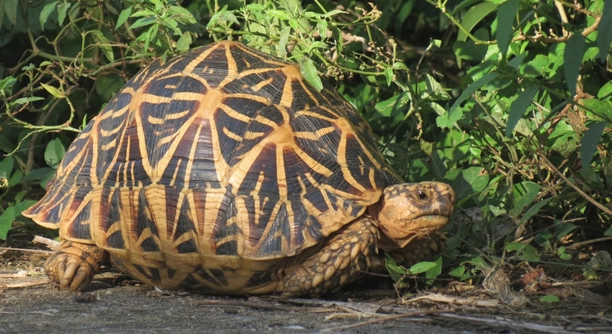
Is your Indian star tortoise sleeping too much during the day, making you wonder if something is wrong? These beautiful reptiles are known for their unique shell patterns, but their daytime behavior can sometimes leave owners feeling concerned.
The most common reason your Indian star tortoise sleeps excessively during the day is due to improper temperature and lighting. These tortoises rely on warmth and a consistent light cycle to stay active, and deviations can disrupt their natural rhythms.
Ensuring the right habitat conditions will help maintain your tortoise’s energy levels. Understanding their natural behavior and making small adjustments can lead to a healthier and happier pet.
Temperature and Lighting Issues
Indian star tortoises need a warm and stable environment to stay active. If the temperature is too low, they may sleep more than usual. A basking area of around 90°F and an ambient temperature of 75–85°F is ideal. Inconsistent lighting can also affect their activity. They require 10–12 hours of light daily to maintain a proper sleep cycle. Without enough heat and light, their body slows down, making them more lethargic during the day. Using a high-quality heat lamp and UVB light ensures they get the warmth and exposure they need.
A cool environment makes them sluggish, while a hot one can cause stress. Monitoring their habitat with a thermometer helps maintain the right conditions. Proper lighting supports their metabolism and encourages natural behaviors.
Adjusting temperature and lighting can make a significant difference. Providing a well-regulated space helps keep your tortoise alert and active throughout the day.
Diet and Hydration
A poor diet can contribute to excessive sleeping. If your tortoise lacks essential nutrients, it may become sluggish and inactive. Hydration is equally important, as dehydration can lead to fatigue and inactivity.
Feeding a balanced diet of leafy greens, grasses, and occasional vegetables helps maintain energy levels. Avoid high-protein foods, as they can cause health issues over time. Fresh water should always be available, and occasional soaking helps with hydration. A dehydrated tortoise may sleep more and show less interest in daily activities.
Ensuring proper nutrition and hydration keeps your tortoise active. Small changes in diet, along with clean water access, can make a noticeable difference. A healthy tortoise is more likely to explore, bask, and engage with its surroundings.
Stress and Environment Changes
A stressful environment can make an Indian star tortoise sleep more than usual. Loud noises, frequent handling, or sudden changes in habitat can cause anxiety. A stressed tortoise may retreat into its shell and sleep excessively to avoid discomfort.
Creating a calm and stable space helps reduce stress. Keep their enclosure in a quiet area with minimal disturbances. Avoid moving them frequently or introducing new pets suddenly. Even small changes, like rearranging decorations or altering their substrate, can affect their comfort. Providing hiding spots, like logs or plants, gives them a sense of security. If they feel safe, they are more likely to stay active during the day.
Consistent routines also help reduce stress. Feeding them at the same time each day and maintaining a steady temperature and lighting schedule can make them feel secure. When they feel comfortable, they will be more engaged and alert.
Health Issues
Underlying health problems can cause excessive sleeping. Respiratory infections, parasites, and digestive issues often lead to lethargy. Other signs of illness include loss of appetite, swelling, and unusual stool. If a tortoise is inactive for long periods, it may need medical attention.
A veterinarian can check for infections and other concerns. Respiratory infections often come from cold or damp conditions, leading to breathing difficulties and inactivity. Parasites can also weaken a tortoise, making it more tired than usual. Checking for weight loss and unusual behavior helps identify potential health problems early.
Regular health checks help prevent serious issues. A balanced diet, proper hydration, and a clean habitat support a strong immune system. If sleepiness continues despite good care, seeking professional advice ensures your tortoise stays healthy and active.
Seasonal Changes
Indian star tortoises may sleep more during colder months. A drop in temperature can slow their metabolism, making them less active. Even with proper heating, they may instinctively rest more due to seasonal shifts. Adjusting their habitat to maintain warmth helps prevent excessive sleep.
Longer nights and shorter days can also affect their activity levels. If they receive less light, they might become sluggish. Ensuring they have consistent lighting for 10–12 hours daily can help regulate their internal clock and keep them more active.
Age and Natural Behavior
Younger tortoises tend to be more active, while older ones sleep more. As they age, their metabolism slows, and they require more rest. This is a natural process, and as long as they eat well and move occasionally, there is no cause for concern.
Lack of Mental Stimulation
A boring environment can lead to inactivity. Without enough space to roam or objects to explore, a tortoise may sleep more out of boredom. Adding plants, rocks, and hiding spots encourages movement and natural behaviors, helping them stay engaged throughout the day.
FAQ
Why does my Indian star tortoise sleep more in the winter?
Indian star tortoises are sensitive to seasonal changes. In colder months, their metabolism slows down, making them less active. Even with heating, their body may respond to shifts in daylight and temperature. Keeping their habitat warm and well-lit can help maintain normal activity levels.
Should I wake my tortoise if it sleeps too much?
Waking a sleeping tortoise is not recommended unless necessary. If your tortoise is resting more than usual but still eating and moving occasionally, it is likely fine. However, if excessive sleep is paired with a lack of appetite or other unusual behaviors, a health issue may be present.
Can a poor diet make my tortoise sleep too much?
Yes, improper nutrition can lead to sluggishness. A diet lacking fiber and essential vitamins may cause low energy levels. Feeding your tortoise leafy greens, grasses, and occasional vegetables ensures they get the nutrients needed for an active and healthy lifestyle. Avoid high-protein foods, as they can cause long-term health problems.
Does dehydration cause excessive sleep?
Dehydration can make a tortoise tired and inactive. They should always have access to clean water for drinking. Occasional warm water soaks help with hydration, especially in dry environments. If your tortoise is sleeping too much and has dry skin or sunken eyes, dehydration could be the cause.
What temperature is too cold for an Indian star tortoise?
Anything below 70°F can make them lethargic. Their basking area should be around 90°F, while the cooler side of their enclosure should not drop below 75°F. If the temperature falls too low, they may sleep excessively and become more prone to illness.
Can stress make my tortoise sleep more?
Yes, stress can lead to inactivity. Loud noises, frequent handling, or sudden habitat changes can cause anxiety, leading to excessive sleep. Keeping their environment quiet and stable helps them feel secure. Adding hiding spots in their enclosure gives them a place to retreat when they feel overwhelmed.
How much should my Indian star tortoise sleep?
They usually sleep 12–14 hours a day, depending on age and environment. Hatchlings and young tortoises may sleep longer as they grow. If your tortoise is sleeping significantly more than this, checking their habitat conditions and diet can help determine the cause.
Can too much light keep my tortoise awake?
Yes, too much light can disrupt their natural sleep cycle. They need 10–12 hours of light daily, but constant brightness can make it difficult for them to rest properly. Providing a natural day-night cycle by turning off lights at night helps regulate their sleeping pattern.
Why is my tortoise sleeping instead of basking?
If a tortoise avoids basking and sleeps instead, the basking area may not be warm enough. The temperature should be around 90°F to encourage them to absorb heat. If the heat source is too weak or positioned incorrectly, they may choose to sleep rather than bask.
When should I take my tortoise to a vet?
If your tortoise is sleeping excessively and showing other signs like loss of appetite, swelling, or unusual stool, a vet visit is necessary. Lethargy combined with these symptoms may indicate an underlying health issue, such as an infection or parasites. Early treatment can prevent serious complications.
Final Thoughts
Indian star tortoises are unique reptiles that require proper care to stay healthy and active. If your tortoise sleeps too much during the day, checking its habitat conditions is the first step. Temperature, lighting, and diet all play a big role in their daily activity levels. A well-maintained environment with consistent warmth and light helps them stay alert and engaged. Stress, dehydration, and seasonal changes can also affect their sleep patterns. Paying close attention to these factors ensures your tortoise stays comfortable and follows a normal routine.
While some extra sleep is natural, excessive inactivity can be a sign of a bigger issue. If your tortoise is not eating, avoiding movement, or showing other unusual behaviors, a deeper problem might be present. Health concerns such as respiratory infections, parasites, or improper diet can lead to lethargy. Making small adjustments, like improving their diet or adjusting the enclosure setup, can often solve the issue. However, if nothing seems to help and your tortoise remains inactive, consulting a vet is always a good idea. A professional can check for underlying health problems and provide the right treatment if needed.
Understanding your tortoise’s natural behavior is key to keeping them healthy. Every tortoise is different, and some may naturally sleep more than others. Keeping track of their normal habits can help you spot changes early. By creating a safe and well-balanced habitat, you can help your tortoise live a happy and active life. With the right care, they will thrive and continue to be a wonderful part of your home.

Hello,
If you enjoy the content that we create, please consider saying a "Thank You!" by leaving a tip.
Every little bit helps us continue crafting quality advice that supports the health, happiness, and well-being of pets around the world, for pets of all shapes, sizes, and species.
We really appreciate the kindness and support that you show us!