
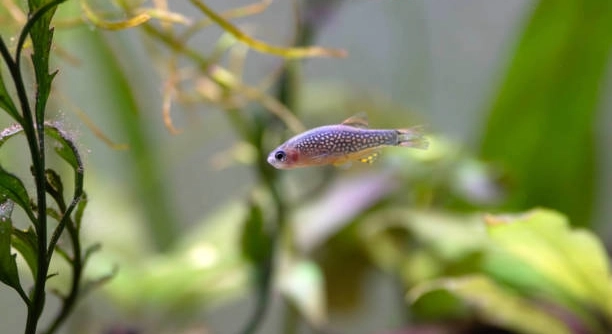
Overcrowded Danio tanks can cause unexpected changes in your fish’s behavior and health. Many fish owners notice differences in movement, appetite, and general energy levels when their tanks are packed too tightly.
Overcrowding in Danio tanks often leads to stress, aggression, and reduced water quality. These conditions can affect growth, immunity, and overall survival rates, making careful monitoring and tank management essential for maintaining a healthy aquatic environment.
Recognizing these common reactions can help you take steps to improve conditions and ensure your Danios thrive comfortably in their home.
Increased Aggression
When Danios are kept in a tank that is too crowded, their behavior often becomes more aggressive. You may notice chasing, nipping, or constant darting among the fish. This is a natural reaction to limited space and heightened stress levels. The more the fish compete for territory and hiding spots, the more tension builds in the tank. Even species that are normally peaceful can start showing dominant or territorial behaviors. Stress hormones in fish increase when they are in overcrowded conditions, which can weaken their immune systems and make them more vulnerable to illness. Providing enough space and ensuring there are plenty of plants or decorations for hiding can help reduce this aggression. Observing their interactions carefully can alert you to early signs of trouble before any injuries occur. Maintaining proper stocking levels is essential for keeping Danios calm and healthy, allowing them to swim freely without constant competition for resources.
Overcrowded tanks can make Danios fight more often, which affects both their health and overall tank harmony.
Ensuring a balanced number of fish per gallon is critical. Adding hiding spaces and rearranging decorations can also ease tensions. When aggression becomes noticeable, splitting the group into smaller tanks or removing a few fish can prevent serious injury. Monitoring water quality closely is equally important because waste accumulation can worsen stress, amplifying aggressive behavior. Regular observation and adjusting the environment to meet their needs can create a more stable, calm habitat where Danios can swim and feed without constant threats from others. Proper management helps maintain their natural schooling behavior while reducing conflicts.
Decreased Appetite
Overcrowding often leads to reduced feeding among Danios. Stress from limited space can make them shy away from food, leaving portions uneaten and affecting growth.
When fish are stressed and aggressive, some may hide more often and refuse to eat. Others might eat too quickly, swallowing less nutritious food or creating competition at feeding times. Monitoring feeding habits closely helps identify which fish are struggling. Adjusting the number of fish in the tank, spacing out feedings, or providing multiple feeding spots can improve intake. Stress-induced appetite loss can quickly lead to malnutrition if left unaddressed. Ensuring a calm environment with enough room for all fish to access food is vital. Observing behavior and maintaining optimal water conditions ensures that all Danios receive proper nutrition and continue growing healthily, even in a tank that may have been slightly overstocked. Keeping the tank clean and managing density prevents long-term health problems caused by stress-related eating issues.
Lethargy
Overcrowded Danio tanks can cause fish to become unusually inactive. They may rest at the bottom more often or stop swimming in their normal patterns, showing signs of stress and discomfort.
Lethargy in Danios is often linked to poor water quality and limited space. When too many fish share a tank, oxygen levels drop, and waste builds up faster than normal filtration can handle. This creates a stressful environment that saps energy and disrupts normal swimming patterns. Fish may avoid open areas, preferring corners or hiding spots, which further limits movement and increases stress. Regular water testing and partial water changes are essential to reduce toxins and maintain oxygen levels. Spacing out fish properly allows each one enough room to move naturally, swim freely, and maintain normal energy levels. Even slight overcrowding can noticeably affect behavior.
Addressing lethargy requires both environmental and social adjustments. Reducing tank population, adding aeration, and monitoring water parameters can help restore energy. Providing plants or decorations can encourage movement while reducing stress. Observing patterns daily allows early intervention before lethargy leads to illness. Maintaining a stable routine for feeding and cleaning can also improve activity levels.
Erratic Swimming
Erratic swimming is common in overpopulated Danio tanks, with fish darting unpredictably or bumping into each other. This behavior signals stress and disorientation.
Frequent collisions and sudden bursts of movement occur because Danios have limited space to school properly. Overcrowding forces them into unnatural swimming patterns, increasing stress and the risk of injury. Water quality degradation, including rising ammonia and nitrite levels, amplifies these problems. Stress hormones spike, further affecting coordination and behavior. Creating a more open swimming area and keeping the tank within recommended stocking limits can reduce erratic movement. Adding plants or hiding spots helps fish feel secure, promoting smoother, more natural swimming.
Over time, erratic swimming can lead to exhaustion, fin damage, and weakened immune responses. Monitoring fish closely and making adjustments to stocking density, feeding schedules, and water maintenance helps prevent serious health issues. Providing consistent conditions encourages calmer schooling and safer interaction among Danios, preserving their physical and mental well-being while maintaining a visually harmonious tank environment.
Fin Damage
Overcrowded Danio tanks often result in torn or frayed fins. Constant chasing and accidental bumps against decorations or other fish can cause visible damage.
Damaged fins are not only unsightly but also increase the risk of infections. Maintaining proper space and observing interactions helps prevent further injury and supports healing.
Increased Disease Risk
Overcrowding accelerates the spread of disease among Danios. Poor water quality and constant stress weaken immune systems, making infections more likely. Parasites, fungal growths, and bacterial infections can appear quickly. Maintaining clean water, regular monitoring, and proper tank population are key to reducing disease outbreaks and keeping the fish healthy.
Stress Hormones
High-density conditions trigger stress hormone release in Danios, impacting growth, immunity, and overall health.
How many Danios can I keep in one tank?
The ideal stocking level for Danios depends on the tank size. A common guideline is one inch of fish per gallon of water, but Danios are active swimmers and need space to move freely. Overcrowding can lead to stress, aggression, and poor water quality. A 20-gallon tank can comfortably hold six to eight adult Danios, allowing them to school naturally and avoid excessive competition for food and territory. Providing decorations or plants for hiding helps, but open swimming space remains crucial. Monitoring their behavior regularly will indicate if adjustments are needed.
What are the first signs of overcrowding in a Danio tank?
Overcrowding usually shows up through behavioral changes. Danios may become more aggressive, chasing or nipping each other, and erratic swimming can appear. Some fish may hide excessively or appear lethargic, while others compete aggressively for food. Increased ammonia and nitrite levels from waste buildup also signal overcrowding. Fin damage and unusual stress behaviors, like darting or jumping, often follow. Regular observation of swimming patterns, feeding habits, and interactions is essential. Even small changes in energy or schooling behavior can indicate that the tank has reached its limit. Early detection allows corrective action before serious health issues develop.
Can overcrowding affect Danio health long-term?
Yes, prolonged overcrowding impacts both physical and mental health. Continuous stress weakens immune systems, making fish more susceptible to diseases, including fungal, bacterial, and parasitic infections. Reduced swimming space can stunt growth or cause deformities, and fin damage becomes common. Chronic stress also disrupts normal feeding patterns, leading to malnutrition or uneven growth among tank mates. Water quality deteriorates faster in crowded tanks, increasing ammonia and nitrite levels, which further harm organs and overall vitality. Addressing overcrowding promptly prevents these long-term consequences. Ensuring adequate space, clean water, and proper nutrition helps Danios recover and maintain healthy behavior.
How can I reduce stress in an overcrowded Danio tank?
Stress reduction involves both environmental adjustments and behavioral management. Reducing the number of fish to match tank capacity is the most effective step. Providing hiding spots, plants, or decorations gives fish safe spaces and reduces aggressive encounters. Improving water circulation and aeration supports oxygen levels, while frequent partial water changes maintain cleanliness. Separating particularly aggressive individuals can also restore calm. Feeding smaller portions in multiple areas ensures all fish can eat without competition. Monitoring water temperature and pH helps maintain stable conditions, which reduces stress hormone production. Gradual changes are best, as sudden alterations can create additional stress.
Are certain Danio species more tolerant of crowding?
Some species tolerate higher densities better than others, but all Danios prefer space for schooling and swimming. Zebra Danios, for example, are slightly more resilient and can handle moderate crowding if water quality is maintained. Other species, like Leopard Danios, are more sensitive to stress and aggressive behavior. Even resilient species will show signs of stress if the tank is too small or poorly maintained. Always consider the adult size, activity level, and temperament of the species before adding numbers. Observing fish behavior in the first weeks after stocking helps gauge whether they are comfortable or stressed.
What are the best ways to monitor overcrowding effects?
Observation and testing are key. Watch for changes in swimming patterns, aggression, hiding behavior, and feeding habits. Track fin condition, body color, and any signs of illness. Water testing is equally important, checking ammonia, nitrite, nitrate, and pH levels regularly. High waste accumulation or sudden spikes in chemical levels often indicate the tank is overstocked. Keep a journal of behavioral patterns and water parameters to notice trends over time. Adjusting stocking density, decorations, and feeding strategies based on observations ensures a balanced, healthy environment for all Danios.
Can tank size alone prevent overcrowding?
Tank size is important, but it’s not the only factor. A larger tank can accommodate more fish, but overcrowding can still occur if filtration, water quality, and environmental enrichment are insufficient. Adding plants and decorations helps distribute fish and reduce stress, but open swimming areas remain essential. Proper stocking ratios, regular water testing, and attentive feeding practices are all required alongside tank size to prevent overcrowding. Even a spacious tank can become stressful if fish are not evenly distributed or if dominant individuals monopolize resources.
What should I do if my Danio tank is already overcrowded?
Start by reducing the population to appropriate levels. If possible, move excess fish to another tank or find suitable homes. Improve water quality with frequent partial water changes and enhanced filtration. Rearrange decorations to create hiding spots and open swimming areas. Monitor for aggression, stress, or disease, separating injured or overly aggressive fish. Adjust feeding practices to minimize competition and provide multiple feeding spots. Over time, the fish should calm, regain normal behavior, and show improved health. Documenting changes helps track recovery and ensures the tank remains comfortable for all residents.
This FAQ section covers common concerns and practical steps to manage overcrowding effectively. With careful observation, proper tank management, and attention to fish behavior, Danios can live healthier, calmer lives even after overcrowding issues.
Overcrowding in Danio tanks is a problem that affects both the health and behavior of your fish. When too many fish share a small space, they are forced into constant competition for resources, which increases stress levels. Stress can appear in many ways, including aggression, erratic swimming, hiding, or lethargy. Even peaceful species can start acting out when the tank becomes too full. Maintaining a proper balance between tank size and the number of Danios is crucial to prevent these issues. Providing open swimming areas and enough hiding spots helps reduce tension among fish, allowing them to feel secure and move naturally. Paying attention to their behavior daily can alert you to problems before they worsen. Overcrowding also speeds up waste accumulation, which negatively affects water quality. Poor water quality can lead to disease outbreaks, stunted growth, and fin damage, making it harder for your fish to thrive. By understanding the effects of overcrowding, you can make informed decisions about tank management, including stocking levels and water maintenance routines.
One of the most important steps in managing a Danio tank is monitoring water parameters and performing regular maintenance. Ammonia, nitrite, and nitrate levels can rise quickly in a crowded tank, stressing fish and creating an unhealthy environment. Partial water changes and proper filtration are necessary to keep water conditions stable. In addition, providing enrichment like plants or decorations gives fish spaces to hide or rest, which can reduce aggressive encounters. Observing feeding behavior is also important, as some fish may struggle to eat when competition is high. Feeding in multiple areas and offering small portions can help ensure that all Danios receive adequate nutrition. Reducing stress through careful tank management allows fish to grow, school, and behave naturally. Over time, small adjustments to stocking, feeding, and tank layout can make a noticeable difference in both behavior and overall health. Maintaining these routines ensures a balanced environment where Danios can thrive without the negative effects of overcrowding.
Preventing overcrowding is easier than correcting it once it becomes severe. Choosing the right number of fish for your tank from the start helps avoid many common problems. Even if the tank is large, adding too many Danios can create tension and increase the likelihood of disease. Proper planning also includes considering the adult size and activity level of the species, as more active fish need extra space. Observing their interactions helps determine whether adjustments are needed, such as rearranging decorations or reducing the population. By keeping stocking levels appropriate, monitoring water quality, and providing hiding spots, you create a stable and comfortable environment for your fish. Overcrowding is not just a number problem; it affects every aspect of fish life, including growth, immunity, and overall well-being. Consistently addressing these factors ensures that your Danios remain healthy, active, and visually vibrant. Taking the time to manage their environment carefully prevents stress, illness, and injury, giving your fish the best chance to thrive in their tank.

Hello,
If you enjoy the content that we create, please consider saying a "Thank You!" by leaving a tip.
Every little bit helps us continue crafting quality advice that supports the health, happiness, and well-being of pets around the world, for pets of all shapes, sizes, and species.
We really appreciate the kindness and support that you show us!