
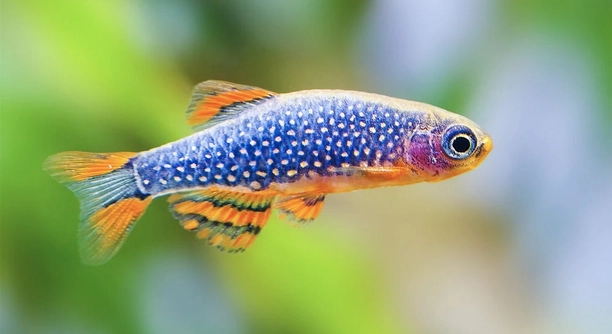
Danios are lively fish that thrive in active, social environments. Finding companions that match their energy while keeping the tank calm can help create a balanced and peaceful aquarium for everyone involved.
Suitable companions for danios include peaceful species such as guppies, mollies, platies, corydoras, harlequin rasboras, otocinclus catfish, and small peaceful tetras. These species exhibit calm behaviors, avoid aggression, and adapt well to a danio’s active swimming patterns.
Choosing the right tankmates ensures harmony and reduces stress, making your aquarium a more enjoyable and balanced environment for all fish.
Guppies
Guppies are small, peaceful fish that swim actively but do not harass other tankmates. They thrive in groups, which makes them a good match for danios. Their bright colors add life to the aquarium, while their gentle nature keeps the environment calm. Guppies are hardy and adapt to different water conditions, including the moderate temperatures preferred by danios. Feeding them is easy, as they accept both flakes and small live foods. Observing guppies interact with danios shows how well their behaviors complement each other. They usually occupy the upper and middle levels of the tank, leaving space at the bottom for bottom-dwelling species. Guppies reproduce quickly, so some planning is needed if you want to manage their population. Regular maintenance and water changes help maintain a healthy tank. Their peaceful temperament ensures that your danios can swim freely without stress. Over time, guppies and danios can create a lively yet balanced aquatic environment.
Guppies’ small size and calm behavior make them easy companions for danios, keeping the tank active without causing tension.
Their vibrant colors and playful swimming make the aquarium visually appealing. Guppies interact calmly with danios, sharing the middle and top swimming levels. They rarely show aggression, and their adaptability to water conditions reduces stress. Regular monitoring ensures both species remain healthy. Guppies’ social nature encourages danios to stay active, and careful population management prevents overcrowding. Overall, guppies contribute to a harmonious, dynamic tank environment, enhancing both activity and calmness.
Corydoras Catfish
Corydoras are bottom-dwelling fish that remain peaceful and rarely interfere with other tankmates. Their constant scavenging helps keep the substrate clean, which is beneficial for maintaining a healthy aquarium.
These fish are social and prefer to live in small groups of three or more, which complements a danio’s energetic swimming without introducing conflict.
Corydoras are gentle and rarely compete for food with danios, as they focus on leftover flakes and small pellets that settle on the bottom. Their armored bodies protect them from accidental nips from more active tankmates, making them ideal for a busy community tank. Corydoras enjoy soft, sandy substrate to protect their barbels while foraging. They are hardy and can tolerate a range of water parameters, though stable conditions improve their health and longevity. Watching their synchronized movements is calming, and their non-aggressive nature encourages peaceful coexistence. Regular water changes and attention to their diet help maintain a thriving group. Pairing corydoras with danios creates a balanced tank where different layers are occupied efficiently without competition or stress.
Platies
Platies are calm, adaptable fish that coexist well with danios. They swim at similar levels, avoiding aggression, and are easy to care for, accepting flakes, pellets, and occasional live foods. Their peaceful nature keeps the tank balanced while adding subtle color and movement.
Platies are hardy fish that adapt to a variety of water conditions, making them suitable for community tanks with danios. They prefer slightly alkaline water and moderate temperatures, similar to what danios enjoy. Platies reproduce easily, so monitoring their population helps maintain tank stability. Their social behavior encourages interaction without conflict, and they rarely show territorial aggression. This combination of adaptability, peaceful temperament, and visual appeal makes platies a reliable choice for calm companions in a danio tank.
Their behavior remains gentle and predictable, complementing danios’ active swimming without causing stress. Platies occupy the same levels as danios, creating a lively but harmonious tank. Over time, they form a steady presence, maintaining balance. Care routines like feeding, cleaning, and occasional monitoring of population size help both species thrive. Their compatibility with danios ensures minimal disruption, allowing for a peaceful community aquarium that is visually pleasing and easy to manage.
Harlequin Rasboras
Harlequin rasboras are small, peaceful schooling fish that move gracefully in the middle and upper levels of the tank, matching danios’ energy. Their calm demeanor helps reduce tension in a busy aquarium while providing dynamic movement and subtle color.
They thrive in slightly acidic to neutral water and moderate temperatures. Harlequins prefer to swim in groups of six or more, which encourages social behavior without aggression. They rarely compete with danios for food since both species share the middle swimming zones, allowing for efficient feeding. Harlequins are hardy, low-maintenance, and their streamlined bodies reduce accidental collisions with other active fish. Observing their synchronized swimming creates a peaceful rhythm in the tank that balances the constant activity of danios, enhancing the overall aesthetic and serenity of the aquarium environment.
Mollies
Mollies are peaceful fish that adapt well to community tanks. Their calm temperament allows them to coexist with danios without conflict. They swim steadily in the middle levels and accept a variety of foods, making them easy to maintain alongside more active tankmates.
Mollies thrive in slightly alkaline water and moderate temperatures, similar to danios. Their social behavior encourages gentle interaction without aggression. They rarely compete for food since their feeding habits differ slightly, allowing danios to remain active while mollies graze calmly.
Otocinclus Catfish
Otocinclus catfish are small, gentle algae eaters that occupy the bottom of the tank. They help keep surfaces clean without disturbing other fish. Otocinclus thrive in groups, which encourages natural behavior and reduces stress. Their calm demeanor pairs well with the active swimming of danios.
These fish are sensitive to water quality, so regular tank maintenance is important. They feed on algae and biofilm, avoiding competition with danios for food. Their small size and peaceful nature allow them to move around the bottom unobtrusively, creating a harmonious layer distribution in the tank. Otocinclus catfish rarely exhibit aggression, making them ideal for busy community tanks where danios swim actively above.
Small Peaceful Tetras
Small peaceful tetras swim in schools and match danios’ activity without showing aggression. Their calm, social behavior helps maintain a balanced aquarium.
What are the best tankmates for danios?
The best tankmates for danios are peaceful fish that swim at similar levels and tolerate the same water conditions. Guppies, mollies, platies, corydoras, harlequin rasboras, otocinclus catfish, and small peaceful tetras are ideal options. They do not compete aggressively for food and adapt well to a community tank.
Choosing the right companions reduces stress and promotes natural behavior. Active, peaceful fish that enjoy schooling or mild social interaction complement the danios’ constant movement. Bottom dwellers like corydoras and otocinclus occupy separate areas, preventing overcrowding and promoting a balanced tank. Monitoring compatibility and population ensures harmony over time.
Can danios live with aggressive fish?
Danios do not thrive with aggressive or territorial fish. Aggressive species can nip fins, chase, or stress danios, leading to illness or reduced activity. Maintaining a calm, compatible community ensures healthier, more active fish. Peaceful schooling fish provide social interaction without conflict.
Aggressive fish can dominate feeding areas or harass slower companions. Danios rely on consistent swimming space, so tankmates must coexist without interference. Even slightly territorial species may trigger stress responses, reducing immunity and altering behavior. Selecting calm companions ensures proper distribution throughout the tank. Avoiding aggression prevents injuries, maintains stable water conditions, and encourages natural activity.
How many danios should be kept together?
Danios are schooling fish that prefer groups of at least five or six. Keeping them in smaller numbers may cause stress, reduce activity, and lead to hiding. Larger groups encourage natural swimming patterns and social interaction, making them more active and visible.
A proper group size also balances tank dynamics with other species. With five to eight danios, the aquarium feels lively without overcrowding. The presence of other peaceful fish, like guppies or rasboras, can enhance visual appeal and activity while preventing dominance by any single fish. Proper planning of population density ensures a healthy, calm tank.
What water conditions do danios prefer?
Danios thrive in moderately warm water between 72°F and 78°F with a neutral to slightly alkaline pH around 6.5–7.5. Clean, well-oxygenated water with gentle filtration supports their activity and overall health. Regular water changes maintain stable parameters.
Tankmates must tolerate similar conditions to prevent stress. Fish like guppies, mollies, and rasboras share the same temperature and pH preferences. Stable water reduces aggression and disease susceptibility. Introducing compatible companions in a well-maintained tank ensures a balanced environment where all fish can swim freely and thrive together.
What should danios be fed?
Danios are omnivorous and enjoy a mix of flakes, pellets, and occasional live or frozen foods such as brine shrimp or daphnia. A varied diet supports growth, coloration, and energy levels. Feeding small portions multiple times a day prevents overeating and water quality issues.
Pairing danios with peaceful tankmates allows each species to access food without competition. Bottom dwellers like corydoras and otocinclus focus on leftover flakes and algae, while mid-swimmers like guppies and rasboras share the main feeding area. Maintaining balanced feeding routines ensures all fish remain healthy, active, and stress-free.
Can danios coexist with bottom dwellers?
Yes, danios coexist well with bottom dwellers such as corydoras and otocinclus. These fish occupy different areas, leaving the mid and upper water columns for danios. This separation reduces stress and prevents territorial disputes while promoting efficient tank space use.
Bottom dwellers help clean leftover food, preventing buildup and supporting water quality. Their gentle behavior ensures they do not disturb active swimmers. Pairing danios with calm bottom species creates a layered, harmonious aquarium environment where each fish performs its natural behavior without interference. Proper monitoring maintains health and balance.
How can I prevent stress in a danio community tank?
Stress is minimized by keeping danios with compatible, calm species and providing adequate swimming space. Avoid overcrowding and aggressive tankmates. Consistent water parameters and a varied diet support overall well-being. Hiding spots and plants offer security without limiting movement.
Regular observation ensures any signs of stress, like hiding or fin nipping, are addressed quickly. Balanced group sizes for danios and other species promote social stability. Gentle filtration, consistent feeding, and careful population management maintain a peaceful environment. These measures encourage active, healthy behavior and a visually pleasant aquarium.
Are there any common issues with danio tankmates?
Common issues include fin nipping from overly active fish, overcrowding, and incompatible water preferences. Monitoring behavior and water conditions helps prevent stress and injury. Selecting calm companions reduces the risk of aggression and ensures all species can thrive together.
Regular cleaning, appropriate feeding, and observing interactions are essential. Adjusting tank population and layout can solve early signs of tension. Understanding each species’ habits and swimming levels prevents conflict. Maintaining a balanced, peaceful community ensures that danios and their companions remain active, healthy, and stress-free over the long term.
Danios are active, lively fish that do best in peaceful community tanks with compatible companions. Choosing calm tankmates ensures they can swim freely without stress, and it creates a balanced environment where all fish thrive. Fish like guppies, mollies, platies, corydoras, harlequin rasboras, otocinclus catfish, and small peaceful tetras are ideal choices because they share similar water preferences and exhibit gentle behaviors. Each of these species occupies a slightly different level of the tank, allowing for space distribution that prevents overcrowding. Active mid-swimmers like guppies and rasboras complement danios’ constant movement, while bottom dwellers such as corydoras and otocinclus help maintain cleanliness and reduce competition for food. Selecting the right companions is not just about matching activity levels—it’s also about creating a peaceful, visually appealing aquarium where every species can perform its natural behaviors.
Maintaining a calm community tank with danios requires attention to water quality, feeding routines, and social dynamics. Danios prefer moderately warm water with a neutral to slightly alkaline pH, and these conditions should be consistent to prevent stress. Peaceful tankmates that tolerate the same parameters reduce the risk of illness and aggression. Feeding should be varied, including flakes, pellets, and occasional live or frozen foods, with portions small enough to prevent overcrowding or leftover waste. Regular water changes, gentle filtration, and observation of fish behavior help ensure the tank remains stable. Stress in danios and their companions can be minimized by keeping groups of proper size, providing hiding spots and plants, and avoiding aggressive or overly territorial species. The right environment encourages natural swimming, social behavior, and healthy growth for all fish.
Compatibility, care, and observation are key to a successful danio tank. Peaceful companions create a harmonious dynamic that balances activity and calmness, while proper maintenance supports long-term health. Over time, watching the interactions between danios and their companions can be both relaxing and rewarding. Every species contributes to the ecosystem: mid-swimmers maintain constant motion, bottom dwellers clean and forage, and all interact without conflict when carefully selected. By planning population size, water parameters, and tank layout, you create an environment where danios and their companions thrive together. A calm, well-maintained tank encourages active behavior, natural feeding patterns, and a visually engaging aquarium that is satisfying to care for and enjoyable to observe every day.

Hello,
If you enjoy the content that we create, please consider saying a "Thank You!" by leaving a tip.
Every little bit helps us continue crafting quality advice that supports the health, happiness, and well-being of pets around the world, for pets of all shapes, sizes, and species.
We really appreciate the kindness and support that you show us!