
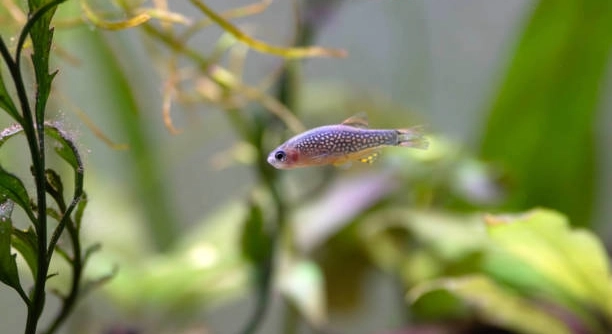
Many new fishkeepers feel uncertain about raising fry without using gadgets, and this introduction shares simple guidance that supports fragile young fish as they grow in a stable environment maintained with patience and basic care.
Improving fry survival without gadgets relies on maintaining steady water conditions, offering nutritious small meals, providing natural hiding spaces, reducing stress through gentle handling, and ensuring clean environments that support development while minimizing risks linked to overcrowding or environmental changes.
These straightforward ideas help create a space for your fry, encouraging steady growth and guiding you toward better overall results.
Provide Stable Water Conditions
Keeping fry safe begins with stable water conditions supported through steady routines. I like to focus on small daily habits that protect these tiny fish without relying on any tools. When the water stays clean and calm, fry feel more secure and show stronger growth. Frequent small water changes help maintain clarity while avoiding sudden shifts that could overwhelm their delicate systems. Using aged water with matching temperature keeps everything gentle, giving the fry a chance to develop without added pressure. It also helps to monitor the tank with your own eyes, noticing changes in color or movement that might signal rising waste. Instead of gadgets, simple awareness is enough to guide your next steps. By keeping things consistent, you create a peaceful space where the fry can rest, feed, and grow at a steady pace. These basic habits are easy to follow and make a meaningful difference for them.
Small changes handled with care reduce stress on the fry and keep their environment steady. I like how simple actions can shape their growth. You do not need anything fancy to support them, only patience and a calm routine that keeps their water balanced and predictable each day for them.
I keep a close eye on the water without relying on test kits or devices. Watching the fry behave tells me plenty about their comfort. When they hover calmly and feed eagerly, the environment is usually right. If they bunch together near the surface, I adjust my maintenance routine and make a small water change. These gentle steps help maintain a tank that supports fry at every stage. You might find that the more time you spend observing, the easier it becomes to notice changes early. This simple awareness strengthens your ability to respond quickly and keep your fry safe.
Provide Nutritious Natural Food
Fry thrive when offered natural foods that match their tiny size and gentle feeding behavior. Crushed flakes, infusoria, or lightly prepared egg yolk can support steady development. These foods keep energy levels stable and encourage healthy growth while reducing leftovers that might lower water quality over time in your tank.
Feeding fry without gadgets is easier than it seems, and choosing the right natural foods can make a noticeable difference in their growth. I prefer simple options that break apart easily in the water, allowing even the smallest fry to eat without struggling. Infusoria works well in the earliest days because it drifts gently and reaches every corner of the tank. As the fry grow, crushed flakes or freshly hatched live foods can support stronger development. The key is offering small portions several times a day so the water stays clear while the fry receive enough nutrition. Overfeeding can create waste that harms their environment, so keeping each portion tiny helps maintain balance. It also helps to watch how quickly they finish each meal, since this gives clues about their appetite and comfort. When they feed with steady movement and brighten in color, the food is supporting them well. Natural foods give them variety, and this variety encourages consistent growth. With careful observation and steady routines, you can maintain a healthy feeding plan that keeps the fry strong without depending on equipment or complex methods. This simple feeding rhythm keeps their development smooth and supports a stable environment overall daily.
Reduce Stress Through Gentle Handling
Keeping fry calm helps them grow well. I avoid quick movements around the tank and try to keep the room quiet. Sudden changes can startle them, so I move slowly, use soft lighting, and maintain steady routines that keep their tiny bodies from feeling overwhelmed.
Gentle handling becomes a habit once you pay attention to how easily fry react to disturbances. I try not to tap the glass or shift decor unless it is necessary. When I perform small water changes, I pour water slowly along the side of the tank, letting it settle without creating strong currents. Even slight ripples can exhaust fry, so I always watch their movement after each task. A calm environment lets them rest more, feed better, and grow without wasting energy avoiding stress. These small choices keep their behavior steady and improve their ability to adapt as they mature in the tank.
I limit the amount of activity near the tank because fry notice everything. Loud sounds, sudden shadows, or frequent rearranging can unsettle them. By keeping things peaceful, I notice their colors stay brighter and their feeding responses stay consistent. If they start darting quickly or hiding too much, it usually means something startled them. Slowing down, adjusting my pace, and keeping handling gentle helps restore balance. When fry feel safe, they develop steady routines that support stronger growth and better survival over time.
Increase Natural Hiding Spaces
Fry feel safer when they have small areas where they can rest and avoid larger fish. I like using plants, leaf litter, or simple decorations that create soft coverage. These spaces give fry a chance to grow without constant exposure that might cause stress or exhaustion.
Natural hiding spots help more than most people realize. I choose plants that create gentle shade and break up open areas in the tank. This makes the fry feel less exposed and reduces their urge to stay at the surface or cling to corners. Simple options like floating plants, fine-leaf stems, or clumps of moss offer shelter without needing any gadgets. As the fry grow, these areas give them room to explore at their own pace. I watch how often they move through these spaces, since it shows whether they feel comfortable. By keeping clutter low but coverage steady, you create a balanced environment that supports healthy development and reduces risks from stress or aggression.
Maintain Consistent Feeding Routines
Feeding fry on a steady schedule helps keep them comfortable and encourages healthy growth. I offer tiny portions several times a day, making sure they eat what they can without leaving too much behind. This keeps the water cleaner and supports their delicate systems.
Keeping portions small prevents waste from building up and affecting their environment. I watch how quickly they finish each meal, adjusting amounts when needed. This simple routine helps them stay energized without overwhelming the tank, and it keeps their behavior steady as they continue to grow.
Keep the Tank Light and Calm
Soft lighting protects fry from stress and helps them feel safer as they move around the tank. I keep lights dim and avoid bright flashes or long periods of strong illumination. Calm lighting encourages natural activity and supports steady development without pushing them beyond their comfort.
Watch Their Behavior Closely
Observing fry throughout the day helps me understand when something in the tank needs adjusting. Small changes in movement or color can reveal early signs of stress. Staying attentive allows quick responses that keep their environment safe and predictable.
FAQ
How often should I feed fry without using any gadgets?
I feed very small portions several times a day. This keeps them comfortable and prevents leftover food from breaking down in the water. When I see them finish their meals quickly and move steadily afterward, I know the feeding rhythm is right for them. Keeping meals tiny helps their environment stay clean, and it also keeps their energy stable without overwhelming their small bodies. I adjust portions depending on how active they are, since fry often show their needs through movement and appetite. Consistency matters more than anything, and simple routines work well.
What kind of natural foods are best for fry?
I like using infusoria in the earliest days because it spreads through the tank in a soft way that fry can reach. As they grow, crushed flakes or lightly prepared egg yolk can offer steady nourishment. I make sure the food breaks apart easily so they can eat without struggling. Offering variety keeps them interested in feeding and supports gentle development. Natural foods also help reduce waste because they tend to disperse evenly, making it easier for fry to grab what they need without large leftovers. Watching how they respond to each type helps guide the next feeding choice.
How do I know if the water conditions are stressing my fry?
I look closely at their behavior. If they hover calmly, explore lightly, or feed with steady movement, things are usually fine. When they cling to the surface, huddle in groups, or dart frantically, something might be off. I watch these signs so I can respond quickly with simple actions like a small water change or a slight adjustment to lighting. I try to notice any changes in their color or posture because these small hints often reveal a lot. Once the fry settle back into calm movement, I know the environment feels safer for them again.
How can I create hiding spaces without equipment?
Plants, leaf litter, and soft decorations do the job well. Floating plants help break bright light and give fry places to settle. Fine-leaf stems and moss offer gentle coverage that feels natural. When the tank has small shaded areas, fry move more confidently and rest more often. These hiding spots let them explore at their own pace and avoid getting tired from constant exposure. I keep the layout simple so there is space for them to swim freely while still offering enough cover to help them feel protected.
Do fry need gentle lighting to stay comfortable?
Soft lighting keeps them from feeling overwhelmed. Bright lights can make fry nervous, so I use dim lights and avoid sudden changes. Steady lighting encourages calm behavior and gives them a sense of safety. When the tank stays calm, fry feed better and rest more comfortably. I watch how they react when lights turn on or off, and I adjust if they seem startled. A quiet lighting routine gives them predictable days that support healthier growth.
Is it possible to raise fry well without relying on any tools?
Yes, it is completely possible. I rely on steady observation, gentle habits, and simple routines. Watching their behavior helps me make adjustments early, and keeping their environment calm supports steady growth. Natural food, soft lighting, and hiding spaces do more than many people expect. These small choices create a stable space where fry can grow confidently. Once you get used to these routines, caring for fry feels smooth and manageable. Basic awareness often replaces gadgets, and the fry show their comfort through brighter movement and steady feeding.
Final Thoughts
Raising fry without gadgets becomes much easier once you understand how small choices shape their environment. I find comfort in keeping things simple, relying on steady routines and gentle observation instead of equipment. When the focus stays on stability, the fry respond with calmer behavior and healthier growth. Their needs are small but important, and meeting those needs does not require anything complicated. Clean water handled with care, soft lighting, and natural hiding spaces form the foundation of a safe place for them. With each passing day, these tiny fish show their progress through small bursts of movement and steady feeding. As long as the tank stays predictable and quiet, the fry settle into rhythms that help them build strength. Paying attention to their behavior helps you notice changes early, and those observations often provide more detail than any tool. This approach keeps the entire process grounded in patience and awareness, letting the fry grow at a comfortable pace.
Feeding routines also play an important part in their development. I learned how much fry depend on small, frequent meals that match their size and energy level. Offering gentle foods like infusoria or crushed flakes keeps them nourished without stirring up the tank or adding unnecessary waste. Each meal becomes a moment to understand their needs better. When they move calmly and feed without stress, it shows that their environment is working well for them. Keeping portions small lets the water remain clear, and that clarity supports their fragile systems. Over time, these simple feeding habits create a rhythm that both you and the fry grow accustomed to. It is a soft balance between giving enough and not adding too much, and it becomes easier every day as you learn their patterns. These natural methods help maintain harmony in the tank, allowing the fry to develop in a way that feels steady and supported.
What matters most is the consistency you bring to their care. Fry thrive in calm spaces where nothing changes too quickly, and you can create that environment with just your hands and attention. When you move slowly around the tank, handle water changes with care, and observe their behavior throughout the day, you provide the stability they need. Many people assume gadgets are essential, but fry often respond better to simple routines and gentle care. These small fish benefit from quiet surroundings, natural shelter, and predictable feeding practices. Over time, the tank becomes a peaceful place where they can grow at their own pace. With patience and steady habits, raising fry without gadgets becomes not only possible but deeply rewarding.

Hello,
If you enjoy the content that we create, please consider saying a "Thank You!" by leaving a tip.
Every little bit helps us continue crafting quality advice that supports the health, happiness, and well-being of pets around the world, for pets of all shapes, sizes, and species.
We really appreciate the kindness and support that you show us!