
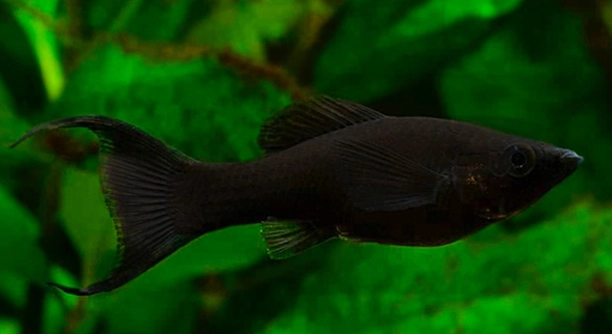
Are your black mollies showing unusual behavior or visible spots on their scales? Parasites are a common concern for these popular aquarium fish, often causing stress and affecting their overall health if left untreated.
Black mollies are susceptible to several parasitic infections, including ich, gill flukes, and internal worms. Treatments vary depending on the parasite type, ranging from medicated baths and salt treatments to oral or water-based medications for internal infections.
Knowing how to identify and treat these parasites early ensures your fish remain healthy and vibrant, maintaining a balanced and thriving aquarium environment.
Ich (White Spot Disease)
Ich is one of the most common parasites affecting black mollies. It appears as small white spots on the fish’s body and fins, often accompanied by scratching against objects in the tank. The parasite irritates the fish’s skin and gills, making breathing and swimming difficult. Stress, poor water quality, and sudden temperature changes can increase susceptibility to ich. Early detection is important, as the parasite reproduces quickly, spreading to other fish. Treatment typically involves raising the water temperature slightly and adding a commercial ich medication. Salt baths or aquarium salt can help reduce the parasite’s impact, though care must be taken not to harm sensitive plants or invertebrates. Maintaining clean water and quarantining new fish can prevent outbreaks. Consistent monitoring ensures infected fish recover fully without long-term health effects. Healthy fish are less likely to develop severe infections and can tolerate minor outbreaks more easily.
Treatment is usually effective when started early, combining temperature adjustments with medication.
Preventing ich includes regular water changes, quarantining new fish, and maintaining stable tank conditions to minimize stress and reduce infection risk.
Gill Flukes
Gill flukes attach to the gills, causing labored breathing and lethargy. They can lead to secondary bacterial infections if untreated.
Gill flukes are microscopic parasites that feed on the gill tissue of black mollies. Infected fish may gasp at the water surface, rub against decorations, or show rapid gill movement. Diagnosis often requires a wet mount examination under a microscope to identify the flukes. Treatments include formalin baths, praziquantel, or other anti-parasitic medications specifically designed for external flukes. Maintaining optimal water conditions and avoiding overcrowding reduces the chances of re-infestation. Regular observation of fish behavior helps detect early signs of infection. Proper filtration and gentle aeration support recovery, allowing the gills to heal effectively. Quarantining new fish prevents the introduction of flukes, and careful tank maintenance ensures a healthy environment for all inhabitants. Consistent care and attention are key to keeping black mollies free from gill parasites and maintaining their overall well-being.
Velvet Disease
Velvet disease appears as a fine, gold or rust-colored dust on the fish’s body. Infected black mollies may become lethargic, lose appetite, or cling to the bottom of the tank.
Velvet is caused by the parasite Oodinium, which attaches to the skin and gills. Infected fish may display rapid gill movement and scratch against objects. Treatment involves dimming the lights and using copper-based medications or formalin baths. Maintaining clean water and avoiding sudden temperature changes helps prevent outbreaks. Quarantining new fish is essential, as the parasite spreads easily. Frequent observation allows early detection and faster recovery. Velvet can be fatal if left untreated, so immediate action is important. Healthy fish are more resilient and recover faster when treatment starts early.
Supportive care during treatment, such as reducing stress and improving water quality, helps black mollies regain strength quickly. Maintaining proper filtration and gentle aeration ensures the parasite is eliminated effectively.
Internal Worms
Internal worms in black mollies often cause bloating, weight loss, or stringy feces. Symptoms may be subtle at first, making detection difficult.
Common internal worms include nematodes and tapeworms. Infected fish may appear lethargic and eat less, impacting overall health. Treatment typically involves oral anti-parasitic medications added to the food or dissolved in the water. Regular deworming schedules help prevent reinfestation. Ensuring tank cleanliness and avoiding live foods from unverified sources reduces exposure to worm eggs. Observation of feeding behavior and fecal matter can help detect infections early. Quarantining new fish minimizes the risk of introducing parasites. Maintaining a balanced diet supports the immune system and helps black mollies recover more effectively after treatment.
Proper dosing of medications is critical, as underdosing can leave parasites alive while overdosing can stress or harm fish. Following instructions carefully ensures effective treatment and promotes long-term health.
Skin Flukes
Skin flukes attach to the outer surface of black mollies, causing irritation and excessive mucus production. Fish may rub against tank decorations or display rapid, erratic swimming.
Treatment involves medicated baths with praziquantel or formalin. Maintaining clean water and reducing stress helps fish recover. Quarantining new fish prevents further infestations.
Anchor Worms
Anchor worms are visible parasites that embed in the skin, causing redness, swelling, and small sores. Infected areas may become inflamed or infected with bacteria. Removal often requires careful manual extraction followed by antiseptic treatment. Maintaining proper tank hygiene and monitoring fish regularly helps prevent infestations.
Fish Lice
Fish lice attach to the body or fins, feeding on blood and tissue. Infected black mollies may show lethargy, frayed fins, or scratching behavior. Immediate treatment with specialized anti-parasitic solutions is necessary to prevent severe stress, secondary infections, or long-term damage to the fish’s health.
Camallanus Worms
Camallanus worms are intestinal parasites visible as small red threads in the feces. Infection can cause weight loss, bloating, and poor appetite. Oral anti-parasitic medications are effective, and regular tank maintenance prevents reinfestation. Quarantining new fish is crucial to stop the spread.
FAQ
How can I tell if my black molly has parasites?
Common signs of parasitic infections include unusual spots, scratching against tank surfaces, rapid gill movement, lethargy, bloating, and loss of appetite. Changes in behavior, frayed fins, or visible worms in the feces can also indicate an infection. Observing your fish daily helps catch problems early before they worsen.
What should I do if I spot white spots on my mollies?
White spots often indicate ich. Increase the water temperature slightly, add a commercial ich treatment, and consider salt baths. Isolating affected fish in a quarantine tank reduces the risk of spreading the parasite to healthy fish. Maintain stable water conditions for faster recovery.
Can parasites affect all my fish at once?
Yes, parasites can spread quickly. Ich, velvet, and skin flukes are highly contagious. Quarantining new fish and monitoring the tank closely prevents large outbreaks. Prompt treatment is essential to protect the entire tank population.
Are medications safe for black mollies?
Most treatments, when used according to instructions, are safe. Copper-based medications, formalin baths, and praziquantel are commonly used. Avoid overdosing and follow manufacturer guidelines carefully. Sensitive plants or invertebrates may be affected, so take precautions when medicating the main tank.
How long does treatment usually take?
Treatment duration depends on the parasite type. Ich and velvet often require several days to a week, while internal worms may need multiple doses of oral medication. Continuous observation ensures the infection is fully cleared and prevents reinfestation.
Can I prevent parasites from returning?
Yes, prevention is possible. Maintain clean water, perform regular tank maintenance, and quarantine new fish for at least two weeks. Avoid overcrowding and provide a balanced diet to support the fish’s immune system. Reducing stress is key to minimizing susceptibility to infections.
Is it normal for fish to behave differently during treatment?
Yes, stressed or sick fish may hide, reduce swimming activity, or eat less. Improving water quality, keeping lighting gentle, and reducing disturbances can help mollies recover more comfortably. Patience during treatment is important for full recovery.
Do live foods increase parasite risks?
Live foods can introduce worms or protozoans if not sourced carefully. Freezing live foods before feeding can kill potential parasites. Commercially prepared foods are generally safer, and feeding in moderation helps maintain good water quality.
When should I seek professional help?
If parasites persist despite treatment, infections worsen, or multiple fish show severe symptoms, consulting an aquatic veterinarian is recommended. Professional guidance ensures correct diagnosis and treatment, reducing long-term harm to your mollies.
How do I know if treatment worked?
Successful treatment is indicated by the disappearance of visible symptoms, normal swimming behavior, restored appetite, and healthy fins. Observing the tank for a few days after treatment helps confirm that parasites are fully eliminated.
Can stress make parasites worse?
Yes, stress weakens the immune system and makes mollies more susceptible. Avoid sudden temperature changes, overcrowding, or poor water conditions. Providing hiding spots and stable tank conditions reduces stress and helps fish recover faster.
Is it necessary to treat the entire tank?
For contagious parasites like ich, velvet, or skin flukes, treating the whole tank is often necessary. Isolating only visible fish may allow the parasite to persist in healthy individuals. Proper dosing and monitoring of all fish ensures complete elimination.
Can black mollies fully recover after parasites?
Yes, with prompt treatment and proper care, black mollies can fully recover. Maintaining clean water, good nutrition, and stress-free conditions supports healing. Early detection and consistent treatment are the most important factors for a successful recovery.
What daily care helps prevent infections?
Regular water changes, monitoring fish behavior, maintaining proper filtration, and cleaning the substrate help prevent infections. Feeding high-quality food and avoiding overstocking supports overall health and reduces the chances of parasite outbreaks.
Are some mollies more prone to parasites?
Weaker or stressed fish are more vulnerable. Newly introduced mollies, older fish, or those recovering from illness may be at higher risk. Keeping a stable environment and monitoring fish closely can reduce susceptibility.
How do I safely remove anchor worms?
Anchor worms must be removed carefully with tweezers, followed by antiseptic treatment of the affected area. Treating the tank with anti-parasitic medication prevents remaining larvae from spreading. Monitor the fish to ensure proper healing.
Can parasites come back after treatment?
Yes, reinfestation is possible if tank hygiene is poor or new infected fish are introduced. Regular maintenance, quarantine practices, and monitoring for early signs are essential to prevent recurring infections.
How do I treat multiple parasites at once?
Sometimes infections overlap. Identify the primary parasite type, then use appropriate medications sequentially or in combination as recommended. Maintain optimal water conditions, isolate severely affected fish, and continue monitoring to ensure all parasites are eliminated.
Are there natural remedies for parasites?
Some aquarists use aquarium salt, garlic, or herbal treatments as supportive care. These may help mild infections but are usually less effective than proven medications. Natural remedies work best alongside conventional treatments and proper tank maintenance.
Is quarantine always necessary for new fish?
Yes, quarantining new fish for at least two weeks helps detect parasites early and prevents introducing infections to the main tank. Observing behavior, feeding, and visible symptoms ensures new additions are healthy before joining established fish.
Final Thoughts
Maintaining the health of black mollies requires careful attention to water quality, diet, and observation of behavior. Parasites are a common concern, but most infections can be treated effectively if caught early. Regular monitoring allows you to detect unusual changes such as lethargy, discoloration, frayed fins, or erratic swimming. Small signs often indicate the beginning of a parasitic problem, and addressing them immediately reduces the risk of the infection spreading to other fish. Clean tanks, proper filtration, and stable temperatures are the foundation for parasite prevention, and these practices support the overall well-being of your mollies. Observing the fish daily also helps you understand their normal behavior, making deviations more noticeable and easier to respond to.
Treatments for black molly parasites vary depending on the type of parasite and the severity of the infection. External parasites, like ich or skin flukes, usually require medicated baths, copper treatments, or formalin dips, while internal worms need oral medications added to the food. Following dosage instructions carefully is critical, as improper dosing can harm the fish or allow the parasite to survive. Quarantining sick or new fish is an important step that prevents the spread of infection. Additionally, reducing stress through proper tank maintenance, gentle handling, and avoiding sudden temperature changes helps mollies respond better to treatments. Feeding a balanced diet with high-quality food supports their immune system and improves recovery times. Being consistent with care and treatment ensures long-term health and reduces the likelihood of recurring issues.
Prevention is as important as treatment when it comes to parasites. Quarantining new fish, avoiding overcrowding, and maintaining clean water conditions are essential practices to protect your mollies. Live foods should be handled carefully or frozen beforehand to reduce the risk of introducing worms or protozoans. Supporting the fish’s immune system through proper nutrition and reducing stress strengthens their resistance to parasites. Even after treatment, continued observation is necessary to ensure infections do not return. Regular maintenance, monitoring behavior, and addressing problems early create a safe environment for black mollies to thrive. With consistent care and attention, you can keep your aquarium healthy, your fish active, and minimize the challenges posed by parasitic infections, ensuring long-term stability for both the fish and the aquatic environment.

Hello,
If you enjoy the content that we create, please consider saying a "Thank You!" by leaving a tip.
Every little bit helps us continue crafting quality advice that supports the health, happiness, and well-being of pets around the world, for pets of all shapes, sizes, and species.
We really appreciate the kindness and support that you show us!