
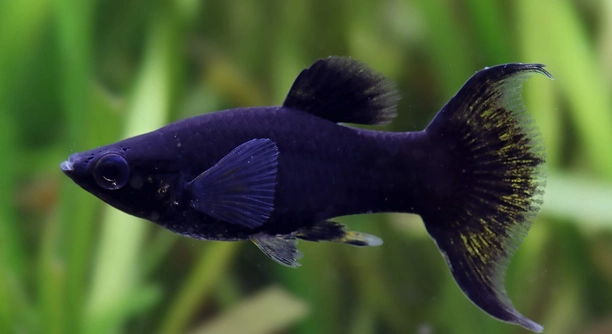
Transporting Black Molly fish can be a delicate process, especially for those who enjoy keeping a healthy and thriving aquarium. Ensuring their safety during trips is essential to avoid stress and potential health issues for your fish.
The safest method to transport Black Molly fish involves using a clean, properly sized container filled with water from their tank, maintaining a stable temperature, minimizing sudden movements, and ensuring sufficient oxygenation during the journey to reduce stress and prevent injury.
Proper preparation and care during transport will help your Black Molly arrive healthy and ready to settle into its new environment smoothly.
Preparing Your Black Molly for Transport
Before moving your Black Molly, it is important to prepare both the fish and the container. Begin by selecting a clean, leak-proof container that is large enough for the number of fish you are transporting. Use water from their current tank to maintain familiar conditions and reduce stress. Check the temperature of the water and ensure it matches the tank’s environment as closely as possible. Avoid feeding the fish for at least 12 hours prior to transport, as uneaten food can contaminate the water. Adding a small amount of water conditioner can help neutralize chlorine and other harmful chemicals. Ensure the container has a secure lid to prevent spills, but allow for air exchange if possible. Handle the fish gently with a soft net to minimize stress. Preparing the fish and water in advance increases the likelihood that your Black Molly will remain healthy and calm during the move.
Proper preparation can prevent many common health issues during transport.
Careful handling and maintaining stable conditions ensures that the fish stay stress-free, healthy, and ready to acclimate to their new environment.
Transporting the Fish Safely
Place the container on a flat, stable surface to prevent tipping or sudden movement during transport.
While moving your Black Molly, avoid exposing the fish to sudden temperature changes or direct sunlight. Keep the container steady and cushioned to reduce shaking. If traveling by car, use a small cooler or insulated box to maintain temperature. Monitor the fish periodically, but avoid opening the container unnecessarily, as this can reduce oxygen levels. Transporting in low-stress conditions and minimizing disturbances ensures the fish remain calm and reduces the risk of shock or injury. Plan the timing of your transport to avoid peak heat or cold periods. Once at the destination, gradually acclimate the fish to the new tank by mixing small amounts of the new water with the transport water. This gradual transition helps the Black Molly adjust to different water conditions without sudden stress. By paying close attention to these factors, your fish can transition smoothly and safely.
Acclimating Black Molly to the New Tank
Once the Black Molly arrives, slowly introduce it to the new tank water. Avoid sudden changes to prevent stress or shock to the fish. Gradually adding small amounts of tank water to the transport container helps the fish adjust safely.
Place the transport container near the surface of the new tank to equalize temperature. Over 15 to 30 minutes, add small amounts of tank water to the container every few minutes. This gradual mixing allows the Black Molly to adapt to new pH, hardness, and temperature levels without experiencing sudden stress. Avoid pouring the fish directly into the tank immediately, as this can trigger shock, immune stress, and make them more susceptible to illness. Patience during acclimation is key to keeping the fish healthy.
After acclimating, gently release the Black Molly into the tank. Observe behavior closely for the next few hours. Look for signs of stress like erratic swimming, hiding, or gasping. Keep the tank environment calm, reduce sudden lighting, and maintain regular water parameters. Introducing hiding spots or plants can help the fish feel secure as it settles into the new home. Monitoring their first hours in the new tank ensures a smooth transition.
Monitoring Health After Transport
Check the fish daily for any signs of illness or stress. Early detection prevents long-term health problems.
Maintain consistent water temperature and cleanliness in the new tank. Monitor for changes in appetite, color, and behavior. If the Black Molly appears lethargic, refuses food, or shows signs of infection such as fin rot or clamped fins, take immediate action. Quarantining the fish or consulting a veterinarian may be necessary to prevent spreading illness to other tank inhabitants. Keeping a close eye on water parameters like ammonia, nitrite, and pH ensures the environment stays safe.
Continue regular observation for at least one week. Feed the fish small, nutritious meals and avoid overfeeding. Remove any uneaten food promptly to maintain water quality. Regularly check filter function and perform partial water changes as needed to reduce toxins. Providing hiding spaces and plants reduces stress, making it easier for the Black Molly to recover fully from transport. Maintaining a stable, clean environment is crucial to long-term health and helps the fish thrive in its new home.
Choosing the Right Container
Select a container that is leak-proof and large enough for your Black Molly. Avoid overcrowding, as this increases stress and reduces oxygen levels.
A secure lid is essential to prevent spills during transport. Use water from the tank to keep conditions familiar and minimize shock to the fish.
Maintaining Water Quality
During transport, add a water conditioner to neutralize chlorine and other harmful chemicals. Monitor the water’s temperature and oxygen levels closely. Avoid overhandling the fish, as stress can compromise their immune system. Maintaining stable water quality ensures the Black Molly remains healthy.
Minimizing Stress
Keep the container in a quiet, stable location during transport. Limit sudden movements and external disturbances to protect the fish’s well-being.
FAQ
How long can Black Molly survive out of water during transport?
Black Molly should not be out of water for more than a few minutes at a time. Even brief exposure to air can stress the fish and damage its gills. Always keep the fish submerged in water during any handling or transfer process. Minimizing time out of water helps prevent shock and ensures their safety.
Can I use tap water for transporting Black Molly?
Using tap water is possible only if it is treated with a water conditioner to remove chlorine, chloramines, and heavy metals. Untreated tap water can harm the fish. It is better to use water from the tank whenever possible, as it keeps the fish in familiar conditions.
Do I need to feed Black Molly before transport?
It is best to avoid feeding the fish at least 12 hours before transport. Uneaten food can quickly contaminate the water, lowering oxygen levels and creating harmful waste. A short fast helps the fish stay healthy and reduces water quality issues during transport.
What container size is ideal for transport?
Choose a container large enough to give each fish sufficient space to move but not so large that oxygen levels drop quickly. Overcrowding can stress the fish, while a properly sized container keeps water aerated and reduces the risk of injury.
How should I handle the fish during transport?
Handle the fish gently using a soft net to avoid injury. Avoid shaking or sudden movements while placing the fish in the container. Keeping the fish calm reduces stress and helps maintain a healthy immune system during transit.
Should I worry about water temperature changes?
Yes, sudden temperature changes can shock Black Molly. Keep water temperature consistent with the tank’s environment. If possible, use an insulated container or a small cooler to maintain stable temperatures, especially during long trips or extreme weather conditions.
Can multiple fish be transported together?
Yes, but avoid overcrowding. Too many fish in a small container can increase stress, reduce oxygen levels, and cause injuries. Separate fish if they are aggressive or stressed, and ensure there is enough water for everyone.
How do I acclimate Black Molly to a new tank?
Float the transport container in the new tank to equalize temperatures. Gradually mix small amounts of tank water into the container over 15 to 30 minutes. This helps the fish adjust to new water parameters without shock. Slowly release the fish once acclimated.
What should I do if the fish appears stressed after transport?
Look for signs like clamped fins, hiding, or lethargy. Maintain stable water conditions and avoid sudden movements. Providing plants or hiding spaces helps the fish feel secure. Monitor closely for a few days and ensure proper feeding and water quality.
Is it necessary to check water parameters after transport?
Yes, monitoring ammonia, nitrite, and pH levels is essential. Transport can temporarily alter water quality. Regular checks ensure a safe environment and reduce the risk of stress-related illness. Adjust conditions gradually if needed.
How long should I observe the fish after moving?
Observe your Black Molly for at least a week. Watch behavior, appetite, and physical signs of stress or illness. Early detection of any issues allows for timely intervention and helps the fish recover fully from transport.
Can I transport Black Molly with other fish species?
Yes, as long as they are compatible and the container has enough space. Avoid aggressive species that could stress or injure the Black Molly. Monitoring interactions and providing sufficient hiding spots helps maintain safety.
What precautions are necessary during hot or cold weather?
Extreme temperatures can be dangerous. Use insulated containers in heat and cold, and avoid direct sunlight or cold drafts. Check water temperature frequently and adjust as needed to prevent thermal shock.
How often should I check on the fish during transport?
Check occasionally but avoid opening the container too frequently. Each opening reduces oxygen and can stress the fish. A quick visual inspection is sufficient to ensure they remain calm and safe.
Can I reuse water from a previous transport?
It is not recommended. Waste, uneaten food, and potential pathogens can accumulate, increasing risk for the fish. Always use clean water from the tank or properly treated fresh water for each transport.
What is the maximum recommended distance for transporting Black Molly?
Short trips are ideal, but fish can tolerate longer transport if proper precautions are taken. Maintain stable temperature, oxygen levels, and calm handling. For trips over several hours, consider aeration or a portable battery-operated air pump.
How do I minimize stress during transport?
Limit light, keep noise and movement to a minimum, and avoid overcrowding. Gentle handling, stable water conditions, and a secure container all contribute to reducing stress and keeping the fish healthy.
Can I transport Black Molly at night?
Yes, nighttime transport can be less stressful due to cooler temperatures and reduced activity. Ensure the container remains stable, insulated, and secure, with appropriate aeration if needed. Monitor temperature and water quality throughout.
Is quarantine necessary after transport?
Quarantine is recommended if adding the fish to an established tank. It allows you to observe for illness, stress, or parasites without affecting other fish. A 7 to 14-day period is generally sufficient to ensure the Black Molly is healthy.
What equipment is essential for safe transport?
A secure container, water from the tank, water conditioner, and stable temperature control are essential. Optional equipment includes an insulated box, portable aerator, and soft net. Proper preparation ensures the fish remain healthy and stress-free.
How do I reduce the risk of disease during transport?
Avoid overcrowding, maintain clean water, minimize handling, and observe fish closely. Quarantine after transport and maintain water quality to prevent stress-related illness or the spread of pathogens.
How long should the fish stay in the transport container after arrival?
Keep the fish in the container while acclimating to the new tank for 15 to 30 minutes. Gradually mix tank water into the container before gently releasing the fish to prevent shock and ensure a smooth transition.
Are there specific signs of transport-related stress?
Look for rapid gill movement, clamped fins, hiding, or erratic swimming. These signs indicate the fish is stressed. Maintain calm conditions, stable water, and minimal handling to help the Black Molly recover quickly.
Can I transport Black Molly in a bag?
Yes, using a sealed plastic bag with water and air is common for short trips. Ensure the bag is secure, placed in a stable position, and temperature-controlled. Avoid overcrowding and handle the bag gently to prevent stress or injury.
How do I ensure enough oxygen during transport?
Use a container with air space or a portable aerator. Avoid overcrowding and keep trips short when possible. Oxygen levels can drop quickly in small containers, so maintaining air or aeration is essential for the fish’s survival.
Can Black Molly survive in different water conditions temporarily?
They can tolerate minor changes, but extreme shifts in temperature, pH, or hardness should be avoided. Gradual acclimation before and after transport helps prevent stress and supports their health in the new environment.
What steps should I take if water spills during transport?
Immediately secure the container and replace any lost water with treated or tank water. Check the fish for stress or injury and ensure the container remains stable for the remainder of the trip.
Is it safe to transport sick Black Molly?
It is not recommended. Transporting sick fish increases stress and risk of worsening illness. Quarantine and treatment should occur before moving the fish to avoid spreading disease or causing further harm.
How often should I perform water changes after transport?
Partial water changes should be done within the first few days if water quality drops or if the fish shows signs of stress. Frequent observation of ammonia and nitrite levels helps determine the need for changes.
Can I transport pregnant Black Molly?
Yes, but extra care is needed. Avoid overcrowding, handle gently, and maintain stable water conditions. Transport stress can impact both the mother and fry, so minimizing disturbance is crucial.
Are there special considerations for long-distance transport?
Yes, maintain temperature, oxygen, and water quality carefully. Use insulated containers, aeration, and minimal handling. Plan for gradual acclimation and monitor the fish closely upon arrival to ensure a safe transition.
How do I prevent injury during transport?
Avoid sharp objects in the container, prevent overcrowding, and handle fish gently. Minimizing movement and sudden jolts reduces the risk of injury and stress during transport.
Can I use ice packs to keep the water cool?
Only if insulated and placed outside the container to avoid direct contact. Sudden temperature drops can shock the fish. Gradual cooling is safer than direct ice contact.
What is the best way to transport multiple Black Molly together?
Use a large container with proper oxygenation and avoid overcrowding. Ensure all fish are compatible and calm, and monitor water quality closely during transport.
How can I tell if transport was successful?
Healthy swimming, normal appetite, and alert behavior indicate a successful transport. Continue monitoring water conditions and provide a stable environment for the first week to ensure long-term health.
Is it okay to transport Black Molly with decorations or plants?
Plants can help reduce stress, but avoid hard or sharp decorations that could injure the fish. Ensure plants are clean and do not overcrowd the container.
How long should I leave the lid on after releasing the fish?
Once the fish is in the new tank, remove the lid completely after acclimation. Avoid disturbing the tank for the first few hours to let the Black Molly adjust safely.
What is the most important factor during transport?
Maintaining stable water conditions, gentle handling, and minimizing stress are the most important factors for keeping Black Molly safe and healthy during transport.
Can I use a heater during transport?
For longer trips in cold weather, a small portable heater can help maintain temperature. Monitor carefully to avoid overheating and ensure the water remains stable.
How do I transport Black Molly from a store safely?
Use the provided bag, support it in a stable container, and transport in a temperature-controlled environment. Acclimate the fish gradually to tank water after arrival.
Are there risks with transporting juvenile Black Molly?
Juveniles are more sensitive to stress, temperature changes, and oxygen levels. Extra care is needed with handling, water conditions, and container size to ensure safe transport.
What should I avoid during transport?
Avoid sudden movements, extreme temperatures, overcrowding, direct sunlight, and excessive handling. Maintaining calm, stable conditions protects the fish from stress and injury.
How do I know if my Black Molly is ready for transport?
The fish should appear healthy, active, and free of visible illness or parasites. Sick or stressed fish should be treated and stabilized before moving.
Can I transport Black Molly in a community tank?
Short trips in a stable tank are possible, but stress can increase due to interactions. Minimize movement, ensure stable water conditions, and monitor closely to prevent conflict or injury.
Is it safe to transport Black Molly in a bucket?
Yes, if it is clean, leak-proof, and large enough. Use water from their tank, a secure lid, and stable placement to keep the fish safe.
How do I handle emergencies during transport?
Keep spare water, a container, and water conditioner ready. Monitor the fish closely and be prepared to adjust temperature or aeration if needed. Quick action can prevent stress or injury.
How can I make transport less stressful for shy or nervous Black Molly?
Provide hiding spaces like small plants or decorations, reduce light and noise, and limit handling. Keeping the environment calm helps the fish remain relaxed and healthy.
Should I use air stones during transport?
Air stones can help oxygenate water for longer trips, especially in small containers. Ensure proper battery or power source and avoid over-aerating, which can stress the fish.
How do I prevent contamination during transport?
Use clean containers, avoid leftover food, treat water, and minimize handling. These steps reduce the risk of disease and maintain a safe environment for the fish.
Can I transport Black Molly during extreme weather?
Avoid it if possible. Extreme heat or cold can stress the fish. Use insulated containers, maintain water temperature, and plan trips during milder conditions when transport is necessary.
Is it necessary to observe the fish immediately after transport?
Yes, monitor behavior, appetite, and signs of stress or illness. Immediate observation allows for quick adjustments to water conditions or care if needed.
Can I use any type of container for transport?
Containers must be secure, clean, and free of sharp edges. Water should be sufficient, and the container must allow for air or aeration. Avoid anything that could harm the fish.
How do I know if the water has enough oxygen?
Observe fish behavior. Gasping at the surface or lethargy indicates low oxygen. Use air space, aerators, or larger containers to maintain proper levels.
Can I transport Black Molly with other species safely?
Yes, only if the species are compatible, calm, and there is enough space. Monitor closely to prevent aggression and stress during transport.
How do I reduce water movement during transport?
Use a stable container, cushion it, and place it on a flat surface. Avoid shaking or sudden stops to prevent stress and injury to the fish.
Is it necessary to change the water before transport?
If the tank water is clean, it can be used. Avoid transporting fish in dirty or ammonia-rich water, as this increases stress and health risks.
Can I transport Black Molly in small bags for long distances?
Small bags are suitable for short trips. For longer distances, larger containers or aeration is better to maintain oxygen and reduce stress.
How should I prepare for unexpected delays during transport?
Keep extra water, a container, conditioner, and temperature control options ready. Monitor the fish and water conditions carefully until reaching the final destination.
What is the safest way to release Black Molly into a new tank?
After acclimation, gently release the fish into the tank without pouring. Observe behavior and provide hiding spots to help them adjust comfortably.
How do I reduce stress during acclimation?
Add tank water gradually, maintain stable temperature, and avoid sudden lighting or loud noises. Calm conditions help the fish adjust without stress.
Are there risks with transporting multiple Black Molly at once?
Yes, overcrowding increases stress and reduces oxygen. Proper container size, spacing, and monitoring are essential for safe transport.
What should I do if a fish shows illness after transport?
Quarantine the fish immediately and treat according to symptoms. Monitor water quality and remove sick individuals from other fish to prevent disease spread.
How can I prevent fin damage during transport?
Avoid sharp objects in the container and limit overcrowding. Gentle handling and stable water reduce the risk of injury.
Is it okay to transport Black Molly in warm or cold climates?
Yes, if precautions are taken. Maintain temperature stability using insulated containers, avoid direct sunlight, and monitor water carefully to prevent thermal stress.
How long should I monitor Black Molly after release?
Observe for at least a week. Watch appetite, behavior, and physical signs of stress or illness. Early action ensures a healthy transition.
Can I transport Black Molly with plants or substrate?
Plants are fine, but substrate can be risky if it contaminates water or injures fish. Ensure cleanliness and avoid overcrowding.
How do I know if transport conditions are ideal?
Fish remain calm, active, and show no signs of stress. Stable water, temperature, and minimal disturbance indicate proper conditions.
What is the most important rule for Black Molly transport?
Keep water clean, maintain stable conditions, minimize stress, and handle fish gently to ensure health and safety throughout the process.
Transporting Black Molly can seem like a complicated task, but with proper preparation and attention to detail, it becomes manageable. The key is to focus on the basics: maintaining water quality, keeping the fish calm, and ensuring a stable environment. Using clean water from their tank, selecting an appropriate container, and controlling temperature are all simple steps that make a big difference. These precautions help prevent stress, illness, and injury, which are common problems during transport. Handling the fish gently and avoiding overcrowding are equally important. A few minutes of careful preparation before transport can save the fish from serious stress and potential health issues, making the process smoother for both the fish and the person transporting them.
Once the fish arrives at its new tank, the process of acclimation is just as important. Gradually mixing tank water with the transport water allows the Black Molly to adjust to new conditions without shock. Observing the fish closely during the first hours and days helps identify any signs of stress or illness early. Maintaining a calm environment, stable water temperature, and proper nutrition supports their recovery from transport. Adding plants or hiding spaces can make the fish feel secure while adjusting to their new surroundings. Consistent observation, careful handling, and attention to water quality all play a role in ensuring the fish remains healthy and happy. Even small measures, like avoiding sudden lighting changes or minimizing disturbance, contribute to a smoother transition.
Monitoring the fish over the following week is essential for long-term health. Daily checks for behavior, appetite, and physical signs of stress help detect issues early. Partial water changes, regular cleaning, and maintaining proper filtration are also important to keep the environment safe. Quarantining new fish before introducing them to a community tank reduces the risk of spreading illness. By following these practices, the Black Molly can thrive in its new environment. Safe transport and careful acclimation create the foundation for healthy, active, and resilient fish. These steps may require patience, but the results are worthwhile, ensuring your Black Molly remains vibrant and stress-free.

Hello,
If you enjoy the content that we create, please consider saying a "Thank You!" by leaving a tip.
Every little bit helps us continue crafting quality advice that supports the health, happiness, and well-being of pets around the world, for pets of all shapes, sizes, and species.
We really appreciate the kindness and support that you show us!