
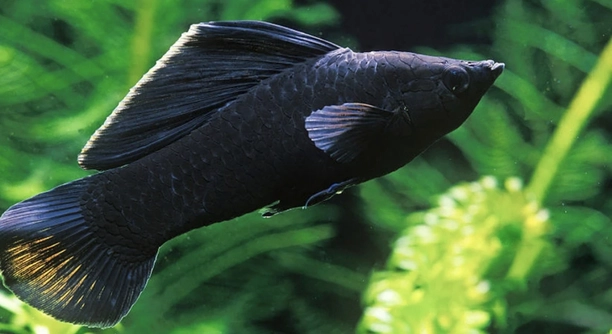
Black Mollies are small, peaceful fish that brighten up home aquariums. They are social creatures, often seen swimming together during the day and interacting with other fish in their environment. Their behavior can be both playful and calming.
Black Mollies do sleep in groups, often choosing to rest near each other in a secure area of the tank. Group sleeping provides a sense of safety, reduces stress, and supports their natural social instincts in captivity.
Observing their sleeping patterns can give insights into their comfort and tank environment. Understanding these habits can help you create a healthier, more supportive home for your fish.
Why Black Mollies Prefer Group Sleeping
Black Mollies are naturally social, which makes group sleeping a normal behavior. In their natural habitats, they gather in schools to reduce the risk of predators. Even in aquariums, this instinct remains strong. When they sleep near each other, they feel safer and more secure. I have noticed in my own tank that Mollies tend to gather in corners or near plants during the night, creating small clusters. This behavior not only offers protection but also helps regulate their activity levels. Fish resting together experience less stress, which contributes to better health and longevity. Watching them, it feels like they’re quietly looking out for one another, and it creates a calming atmosphere in the tank. Providing hiding spots and gentle lighting can encourage this natural pattern. Over time, Mollies often establish preferred sleeping spots and companions, showing subtle signs of hierarchy and comfort.
Group sleeping reduces stress for Black Mollies and helps maintain their health while keeping them calm in the tank environment.
Creating a tank environment that mimics their natural habitat is important. Plants, gentle currents, and soft lighting can encourage group sleeping. Mollies may choose sheltered areas or corners as resting spots. Observing them over time allows owners to identify patterns and ensure all fish are comfortable. Each Moly may have preferences for sleeping spots, but their instinct to stay together remains strong. Providing adequate space and hiding areas ensures that they can rest safely without feeling crowded. Consistent water conditions also play a role, as fluctuations can disrupt sleep patterns. Feeding them before their resting period helps reduce nighttime activity and allows them to settle in for sleep. Overall, group sleeping is a natural and healthy behavior that supports both their social instincts and physical well-being, creating a peaceful tank environment.
Signs Your Mollies Are Comfortable
When Mollies sleep together, they appear relaxed, with slower movements and minimal fin flicking.
Comfortable Mollies will cluster near plants or tank edges. Their color remains vibrant, and they rarely hide alone. If they separate often or seem restless, it may indicate stress or tank issues. Observing these signs helps maintain a healthy environment for all fish. Over time, their patterns become predictable, allowing you to adjust lighting, feeding, and tank setup to ensure comfort. Mollies that feel safe will gradually develop trust in their surroundings and companions, making group sleeping a consistent routine.
Ideal Tank Conditions for Sleeping Mollies
Black Mollies need clean water with stable temperature to sleep well. Soft lighting and gentle filtration reduce stress. Plants or decorations provide hiding spots and comfort during rest. Proper tank setup encourages natural group sleeping habits.
Maintaining the right temperature is crucial for Black Mollies. They thrive in water between 75°F and 82°F. Fluctuations can disturb their sleep and make them restless. Keeping pH levels stable around 7.0 to 8.0 also supports their well-being. Regular water changes prevent toxins from building up, which can impact their ability to rest. I’ve noticed that Mollies are more likely to cluster together when their environment feels safe and consistent. Hiding spots and soft lighting make them feel secure. Observing their resting patterns gives insight into their comfort. Comfortable fish show slower movements, remain close to companions, and rarely dart around at night.
Feeding schedules also influence sleep patterns. Mollies that are fed small meals earlier in the evening settle down more easily. Overcrowding or aggressive tank mates can interrupt their rest, so spacing and temperament are important. Decorations like caves or dense plants give them shelter and reduce stress. In my tank, Mollies often choose the same corners at night, indicating a routine. Gentle filtration prevents strong currents from disturbing them while still maintaining water quality. Consistent light cycles, mimicking day and night, further support group sleeping behavior. Paying attention to these factors ensures your Mollies are comfortable and can sleep together safely.
Monitoring Mollies’ Sleep Patterns
Watching Mollies during rest hours shows their comfort and safety levels. Calm movements and clustering are good signs.
Tracking sleep habits helps detect stress or health issues. I keep notes on when and where Mollies gather, how long they rest, and any sudden changes. Uneven sleeping or frequent hiding may indicate poor water conditions, illness, or aggressive tank mates. Observing their interactions reveals subtle social dynamics and preferred resting spots. Over time, consistent patterns emerge, helping adjust feeding, lighting, and decorations to match their needs. This approach ensures that group sleeping remains a natural and stress-free behavior.
Common Sleeping Spots in the Tank
Mollies often rest near plants, rocks, or tank corners. These areas provide security and reduce stress. Observing where they gather can help you adjust decorations for comfort and group sleeping.
Some Mollies prefer open water while others stick to shaded areas. Each fish may have a favorite spot, reflecting personal comfort and social behavior within the group.
Nighttime Behavior of Black Mollies
At night, Mollies slow their movements and often cluster together. They may hover near surfaces or settle near plants. This behavior reduces stress and conserves energy. I’ve noticed in my tank that even the shyest Mollies join the group, showing how natural and consistent this behavior is. Group resting supports their social instincts, while keeping them alert enough to respond if needed. Watching them at night reveals subtle interactions, like nudging or repositioning, which indicates bonding and comfort. Providing a calm environment with stable temperature and minimal disturbance allows them to rest safely and maintain healthy sleeping habits.
Adjusting Tank Setup for Better Sleep
Adding plants and hiding spots encourages group resting. Mollies feel safer and sleep more peacefully when the environment is comfortable.
FAQ
Do Black Mollies always sleep in groups?
Black Mollies are social fish, so they usually prefer sleeping in groups. However, some individuals may rest alone occasionally, especially if they are shy or new to the tank. Over time, most Mollies adjust and join the group consistently.
How can I tell if my Mollies are sleeping?
Sleeping Mollies slow their movements, hover near plants or corners, and show minimal fin activity. They do not eat or interact much during rest periods. Observing their subtle movements helps identify when they are actually resting.
Do Mollies need darkness to sleep?
Yes, Mollies sleep best in dim or dark conditions. Keeping the tank lights off or very low during nighttime helps them settle and maintain a natural sleep cycle. Light interruptions can stress them and disrupt their resting habits.
Is it normal for Mollies to change sleeping spots?
Yes, Mollies may shift spots depending on comfort, tank setup, or water conditions. Sometimes they prefer new hiding places or rearranged decorations. Tracking these changes ensures they have safe areas to rest at all times.
Can tank mates affect Mollies’ sleep?
Aggressive or overly active tank mates can disturb sleeping Mollies. Peaceful fish encourage group resting and reduce stress. I’ve noticed that my Mollies sleep more soundly when their companions are calm and non-threatening.
Do Mollies sleep at the bottom of the tank?
Not always. Mollies may rest at the bottom, mid-level, or near the surface depending on tank conditions and comfort. Floating plants and decorations often provide preferred resting areas at different levels.
How long do Black Mollies sleep?
Mollies typically rest for several hours at night. Their sleep is intermittent, with short periods of movement or adjustments. Consistent feeding and calm conditions support longer, more restful sleep.
Can stress affect their sleep?
Yes, stress from overcrowding, poor water quality, or temperature fluctuations can interrupt sleep. I’ve noticed Mollies becoming restless when the tank isn’t stable. Maintaining proper conditions ensures they rest well and stay healthy.
Should I change feeding times for better sleep?
Feeding Mollies earlier in the evening helps them settle for nighttime rest. Heavy meals right before darkness can keep them active and disrupt their natural sleep patterns. I schedule meals a few hours before lights out to encourage calm behavior.
Do Mollies interact while sleeping?
Even while resting, Mollies may nudge or reposition around each other. These subtle interactions maintain social bonds and group cohesion. Observing these behaviors can give insight into their comfort and relationships within the tank.
Can older Mollies sleep differently?
Older Mollies may rest longer or choose quieter spots. They often prefer stable areas with minimal disturbance. I’ve noticed my older Mollies cluster less tightly but still follow general group sleeping behavior.
How important is water temperature for sleep?
Stable water temperature is crucial. Mollies sleep best in 75–82°F. Sudden changes can wake them or make them restless. Using a reliable heater and monitoring conditions keeps sleep patterns consistent.
Do Mollies dream or react to stimuli while sleeping?
Mollies don’t dream like humans, but they can respond to sudden changes. Vibrations or movements in the tank may cause them to move slightly. Observing reactions helps ensure their environment is calm and secure.
Can sleeping behavior indicate health issues?
Yes, unusual sleep patterns, lethargy, or hiding alone may signal illness. I monitor my Mollies for consistency, noting changes that could require attention or water testing. Proper care and observation help prevent health problems.
How long does it take for Mollies to adjust to a new tank for sleeping?
Adjustment can take a few days to a week. Initially, they may hide or sleep alone. Providing hiding spots, calm conditions, and familiar companions helps them feel safe and resume group sleeping.
Is it normal for Mollies to wake up suddenly at night?
Yes, brief wakefulness can occur due to light, movement, or water disturbances. As long as they return to rest quickly, it’s normal. Consistent tank routines reduce unnecessary nighttime activity.
Do all Mollies prefer the same group sleeping spot?
Not always. Some may prefer slightly different areas depending on personality or social dynamics. I’ve observed my Mollies settle into small clusters near plants while others rest near open corners. Variation is natural.
Can tank decorations improve sleep quality?
Yes, plants, rocks, and caves provide shelter and comfort. Mollies feel secure and sleep more peacefully when they have multiple options for hiding or resting. Rearranging the tank occasionally can also stimulate healthy behavior.
Do Mollies sleep deeper than other fish?
They sleep lightly compared to some fish but still experience periods of reduced movement and rest. Group sleeping amplifies security, allowing them to maintain a calmer state than when alone.
How can I encourage group sleeping in a new tank?
Introduce plants, hiding spots, and maintain calm conditions. Keeping consistent light cycles and feeding schedules helps Mollies adjust. I often watch their patterns and gently rearrange areas to support clustering, which gradually encourages group sleeping behavior naturally.
Black Mollies are fascinating fish that show how social behavior plays a big role in their daily lives. Observing their sleeping habits is a simple way to understand their natural instincts and comfort levels. In my experience, Mollies are calmer and healthier when they can sleep in groups, and this behavior is consistent across most tanks. Their tendency to rest near one another isn’t just about safety—it also reflects their need for companionship and a structured environment. Even when a single Moly rests alone occasionally, it usually returns to the group, showing that these fish value being part of a collective. Watching them settle at night can be surprisingly soothing, as they cluster near plants, rocks, or corners, moving gently and adjusting positions quietly. The subtle interactions between resting Mollies show a lot about their social hierarchy, preferences, and how secure they feel in their surroundings.
Maintaining the right tank conditions is essential for promoting healthy sleeping behavior. Clean, stable water with consistent temperature and pH is one of the simplest ways to help Mollies feel safe. Decorations like plants, caves, or other hiding spots encourage them to rest comfortably without stress. Lighting also plays a crucial role, as Mollies respond well to soft or dim light during night hours, which mimics their natural environment. Feeding schedules can influence their activity before sleeping, and I’ve found that providing meals a few hours before lights go off helps them settle down calmly. Calm tank mates are equally important, as aggressive or overly active fish can disturb rest. With careful observation, adjustments to the tank layout, and attention to their habits, group sleeping becomes a natural and predictable part of their routine. It’s rewarding to notice the subtle ways they interact during rest, as it reflects both their comfort and overall well-being.
Group sleeping also gives insight into broader fish behavior and tank dynamics. Mollies’ choice of resting spots often reflects both social and environmental preferences. Some prefer corners, others cluster near plants, while a few may rest in more open areas. Observing these choices helps identify which areas of the tank provide security and which might need adjustment. Stress, water quality, overcrowding, or sudden changes in environment can affect sleeping patterns, so paying attention to these signs is important. Over time, consistent care and observation allow Mollies to develop steady routines, improving health and reducing stress. Group sleeping isn’t just a quirk; it’s an important aspect of their lifestyle that supports both social bonds and physical well-being. Creating a safe, comfortable environment and watching how Mollies interact during sleep gives a better understanding of their needs, helping ensure they thrive in a home aquarium.

Hello,
If you enjoy the content that we create, please consider saying a "Thank You!" by leaving a tip.
Every little bit helps us continue crafting quality advice that supports the health, happiness, and well-being of pets around the world, for pets of all shapes, sizes, and species.
We really appreciate the kindness and support that you show us!