
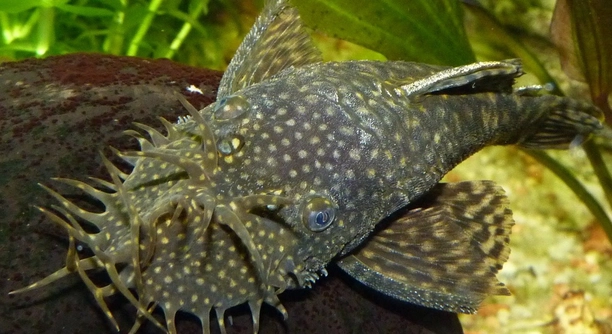
Have you ever noticed your bristlenose pleco resting quietly in the tank for long periods? These little catfish can be both active and calm, making them fascinating to watch for any aquarium enthusiast. Their behavior often sparks curiosity.
Bristlenose plecos can experience boredom if their environment lacks stimulation. Providing hiding spots, driftwood, and occasional changes in tank layout helps maintain their mental and physical engagement, promoting healthier and more natural behaviors in captivity.
Keeping a pleco happy requires more than basic care. Understanding their needs and preferences will improve their overall well-being and create a more lively aquarium environment.
Signs Your Bristlenose Pleco May Be Bored
Bristlenose plecos often show subtle signs when they are under-stimulated. You may notice them staying in one spot for long periods or repeatedly brushing against the same surface. Some plecos stop exploring the tank and become less responsive to movement outside. Lack of activity can also lead to unusual feeding behavior, like ignoring food or eating very little. Watching how your pleco interacts with its environment can give you clues about its mental state. If the fish spends most of its time hiding without engaging with driftwood or plants, it may need more stimulation. Adjusting the tank’s layout or adding safe decorations can help spark curiosity and movement. Observing these signs early ensures your pleco stays active and healthy. A little change can significantly improve its well-being and prevent stress-related problems that affect both behavior and physical health.
Boredom in plecos can also cause mild aggression toward tank mates.
Providing a variety of surfaces, textures, and objects in the tank encourages natural behaviors. Rotating decorations or adding fresh plants keeps the pleco curious and active, reducing stress. Consistent observation helps you understand what engages your fish most effectively.
How to Keep Your Pleco Engaged
Introducing driftwood, rocks, and caves gives plecos places to explore and hide. These structures mimic their natural habitat and provide both comfort and activity. Plecos also enjoy grazing on algae that grows on surfaces, which keeps them busy for hours. Even small changes, like moving objects slightly or adding floating plants, can create new areas for investigation. Feeding routines can be varied as well; offering vegetables like zucchini or cucumber encourages foraging behavior. Regular tank maintenance, including water changes and cleaning, can also stimulate activity, as plecos explore newly refreshed environments. Interaction doesn’t need to be direct; simply observing their reactions to changes can be rewarding. Ensuring they have sufficient space and a diverse environment helps prevent lethargy and promotes natural instincts. These adjustments not only reduce boredom but improve overall health, making your pleco more lively and responsive every day.
A busy, enriched tank directly impacts the pleco’s happiness and long-term health.
Plecos thrive when their environment challenges them mentally and physically. Maintaining a dynamic habitat, offering varied food, and monitoring behavior ensures they remain active. Stagnant setups lead to stress, but simple enrichment strategies make a noticeable difference in engagement, growth, and overall vitality. Consistent attention and thoughtful care allow plecos to display natural behaviors, like exploring, grazing, and hiding, which strengthens their immune system and reduces susceptibility to illness. It’s easy to underestimate the importance of stimulation, but plecos respond well to even minor changes in their surroundings. Incorporating multiple textures, hiding spots, and occasional rearrangements prevents monotony. Observing how they interact with new elements helps fine-tune the environment to their preferences. Ultimately, a well-designed tank balances comfort with challenge, providing mental stimulation and physical activity. Over time, these adjustments lead to healthier, more confident fish that display their unique personalities, creating a more enjoyable and engaging tank ecosystem.
Tank Setup Tips to Prevent Boredom
A well-structured tank keeps plecos active. Include driftwood, caves, and plants for hiding and exploring. Smooth rocks and varied textures encourage grazing. Keeping water clean and stable also promotes natural activity, preventing stress and lethargy in your fish.
Arranging the tank with multiple hiding spots and open swimming areas allows plecos to move freely and investigate. Adding live plants or moss provides surfaces for algae growth, which plecos naturally graze on. Changing the layout periodically stimulates curiosity without causing stress. Substrate variety, like sand and small gravel, encourages digging and exploration. Proper lighting and water flow mimic natural conditions, making the environment more engaging. These small adjustments make a big difference in maintaining mental stimulation and preventing boredom.
Feeding routines contribute to engagement as well. Offering vegetables like cucumber, zucchini, and occasional algae wafers encourages natural foraging. Varying feeding times slightly keeps plecos alert and active. Even simple objects, like floating plants or clean driftwood, give them opportunities to explore. Monitoring how your pleco reacts to these changes helps you understand its preferences. Over time, combining environmental enrichment with varied feeding keeps your pleco consistently active and reduces stress-related behaviors, such as hiding excessively or showing disinterest in food.
Monitoring and Adjusting Behavior
Observing plecos daily helps detect signs of boredom or stress. Look for inactivity, hiding, or reduced appetite, which indicate changes are needed in the tank setup or routine.
Keeping a log of your pleco’s activity patterns and feeding habits helps track behavioral changes over time. If your pleco becomes less active, consider introducing new decorations or rearranging existing ones. Adjusting water flow, lighting, or adding algae-rich surfaces can also re-engage your fish. Sudden changes should be minimal to avoid stress, but consistent variation encourages exploration. Watching interactions with tank mates is important, as plecos may display mild aggression if bored or territorial. Tracking these observations allows you to respond proactively, improving both mental stimulation and overall health.
Plecos show stronger responses when changes are gradual but noticeable. Introducing new textures, hiding spots, and food variations helps maintain curiosity. Observing how your pleco reacts ensures you provide the right level of challenge. Water parameters must remain stable during adjustments, as sudden shifts can cause stress. Even small enhancements, like new driftwood placement or additional algae surfaces, can stimulate activity. Combining environmental enrichment with varied feeding routines and careful observation encourages natural behavior, helping plecos thrive. Consistency in care, paired with thoughtful changes, ensures mental engagement while supporting physical health, creating a balanced and active tank environment.
Environmental Enrichment Ideas
Adding moss balls, driftwood, and smooth rocks keeps plecos engaged. Live plants provide grazing surfaces and hiding spots. Even small rearrangements of decorations can stimulate exploration and maintain mental activity in your fish.
Varying textures and surfaces in the tank encourages natural behaviors like grazing, hiding, and swimming. Occasional floating plants or gentle water movement adds interest. Observing your pleco’s response to these changes helps identify preferred enrichment methods.
Feeding Techniques for Engagement
Offering a mix of vegetables, algae wafers, and occasional treats encourages foraging. Changing the presentation, like placing food on driftwood or in small crevices, stimulates natural searching behavior. Feeding at slightly different times keeps your pleco alert and active, promoting both mental and physical engagement.
Signs of a Happy Pleco
Active swimming, regular grazing, and exploring new hiding spots indicate contentment. A pleco that interacts with its environment shows healthy curiosity and engagement, reflecting proper care and enrichment.
FAQ
Can bristlenose plecos live alone?
Yes, bristlenose plecos can live alone. They are generally peaceful fish and don’t require a tank mate to thrive. A solitary pleco can be perfectly healthy as long as its environment is enriched with hiding spots, grazing surfaces, and proper water conditions.
How often should I feed my pleco?
Bristlenose plecos should be fed once or twice daily. Provide a mix of vegetables like zucchini or cucumber and occasional algae wafers. Overfeeding can lead to poor water quality, so remove uneaten food after a few hours. Adjust the amount based on the fish’s size and activity level.
Do plecos need hiding spots?
Absolutely. Hiding spots reduce stress and encourage natural behaviors. Driftwood, caves, and dense plant areas are ideal. Even small changes in hiding places can stimulate curiosity and reduce boredom, keeping the pleco active and healthy.
Is pleco boredom harmful?
Boredom can cause lethargy, decreased appetite, and mild aggression toward tank mates. Lack of stimulation may stress the fish, potentially affecting its immune system and overall health. Regular enrichment and varied feeding routines prevent these negative effects.
Can plecos be kept with other fish?
Yes, they are compatible with many peaceful species. Avoid overly aggressive tank mates. Providing enough space, hiding spots, and multiple grazing areas helps reduce territorial disputes and keeps all fish comfortable.
What type of tank decorations are best?
Natural decorations like driftwood, smooth rocks, and live plants are ideal. These items give plecos surfaces to graze and explore. Occasional rearrangement or adding new textures maintains interest and encourages natural behavior.
How do I know if my pleco is stressed?
Signs include hiding excessively, refusing food, or remaining inactive for long periods. Stress can also show in color changes or unusual swimming patterns. Observing daily behavior helps identify problems early, allowing timely adjustments to the tank environment.
Can plecos recognize their owners?
While they are not interactive like some fish, plecos may notice movements outside the tank and associate them with feeding. They can respond to regular presence by approaching or swimming actively when they see you, showing recognition in subtle ways.
Do plecos need special water conditions?
Bristlenose plecos thrive in slightly acidic to neutral pH and temperatures around 73–81°F (23–27°C). Clean, stable water with moderate flow is essential. Sudden changes in water parameters can stress the fish, so regular monitoring is important.
How can I keep my pleco entertained long-term?
Rotate tank decorations, introduce new hiding spots, and provide varied food sources. Adding algae surfaces and observing their interactions helps maintain mental stimulation. Gradual environmental changes prevent boredom while supporting natural behaviors and physical health over time.
Are plecos nocturnal or active during the day?
They are primarily nocturnal but will often graze or explore during the day if the tank is calm. Observing their activity patterns helps you adjust lighting, hiding spots, and feeding schedules to suit their natural rhythm.
What vegetables are safe for plecos?
Zucchini, cucumber, spinach, and peas are safe. Blanch vegetables before feeding to soften them. Avoid overfeeding and remove leftovers to maintain water quality. Occasional algae wafers supplement their diet, ensuring balanced nutrition.
How big do bristlenose plecos get?
They typically grow 4–6 inches in length. Providing enough space in the tank for swimming and grazing is important. Crowded conditions can increase stress and limit natural behaviors, so plan tank size accordingly.
Do plecos need companions of their own kind?
It’s not necessary, but having another pleco can encourage social grazing and exploration. If kept together, ensure the tank is large enough and has multiple hiding spots to prevent territorial disputes.
Can plecos become bored with the same food?
Yes, they benefit from variety. Rotating vegetables, algae wafers, and occasional treats encourages foraging and keeps them mentally engaged. Even minor changes in presentation, like placing food on driftwood, can stimulate natural searching behavior.
How often should I rearrange the tank?
Small adjustments every few weeks are sufficient. Frequent drastic changes can stress the pleco. Gradual rearrangements or adding new textures maintain curiosity while ensuring a safe and stable environment.
Are plecos sensitive to light?
They prefer dim lighting or shaded areas due to their nocturnal tendencies. Providing hiding spots and floating plants helps diffuse light, creating a comfortable environment and encouraging natural activity patterns.
Do plecos require supplements?
If they have a balanced diet of vegetables and algae wafers, supplements are usually unnecessary. Occasionally, trace minerals from natural driftwood or fortified food can benefit growth and health, but over-supplementing should be avoided.
Can plecos damage plants?
They may nibble on soft plants while grazing but usually leave sturdy plants intact. Providing enough natural surfaces for algae helps reduce plant damage, keeping both the fish and plants thriving in the tank.
What is the best way to introduce a new pleco?
Acclimate slowly to the tank’s water parameters to prevent stress. Provide ample hiding spots and monitor interactions with existing fish. Gradual introduction and careful observation reduce territorial disputes and promote a smooth adjustment period.
How can I tell if my pleco is happy?
Active grazing, exploring new areas, and occasional interaction with the environment indicate contentment. Healthy appetite, clear eyes, and vibrant colors also reflect well-being, showing that the enrichment and care provided are effective.
What is the lifespan of a bristlenose pleco?
With proper care, bristlenose plecos can live 5–10 years. Consistent tank maintenance, stable water conditions, and a stimulating environment are key to achieving a long, healthy life.
Can plecos get stressed from too many tank mates?
Yes, overcrowding can cause stress, aggression, and reduced activity. Ensuring sufficient space, hiding spots, and multiple grazing areas minimizes conflicts and promotes a calm environment for all fish.
Is it normal for plecos to ignore food sometimes?
Yes, occasional food refusal is normal, especially during stress or minor environmental changes. Monitoring behavior and adjusting feeding routines helps ensure they maintain proper nutrition and activity levels.
How do plecos interact with other nocturnal fish?
They generally coexist well, especially with non-aggressive species. Nocturnal activity may overlap, but providing ample space and hiding spots reduces competition for resources and encourages natural behaviors at night.
What temperature fluctuations are safe for plecos?
Small daily fluctuations within their preferred range (73–81°F) are acceptable. Sudden, extreme changes can cause stress or illness. Maintaining a stable, comfortable environment is crucial for their health and activity.
Can plecos adapt to different tank sizes?
They adapt well as long as space allows for grazing, hiding, and swimming. Overcrowding limits natural behaviors, while too small a tank increases stress. A well-planned layout ensures they remain active and mentally stimulated.
Do plecos need water filtration?
Yes, clean, filtered water is essential for health. Plecos produce waste that can quickly affect water quality. A reliable filtration system helps maintain stable parameters, reducing stress and supporting natural behaviors.
How can I prevent boredom in a small tank?
Use vertical space with driftwood, rocks, and plants. Rotate decorations and provide varied food sources. Even limited spaces can be stimulating if arranged thoughtfully, allowing plecos to explore, graze, and interact with their environment consistently.
Are plecos sensitive to noise or vibrations?
Excessive vibrations or loud noise can stress them. Keeping the tank in a quiet area and minimizing disturbances supports calm behavior, encouraging exploration and natural grazing without fear.
Do plecos show personality differences?
Yes, some are more active or curious than others. Observing your pleco over time reveals preferences for hiding spots, grazing surfaces, and interactions, helping tailor enrichment to their individual needs.
Can plecos recognize feeding cues?
They may respond to familiar routines, such as seeing you near the tank or certain noises during feeding. While subtle, these behaviors indicate recognition and anticipation of food.
Is tank cleanliness important for preventing boredom?
Yes, clean water encourages movement and grazing. Dirty conditions reduce activity and can stress the fish. Regular maintenance, water changes, and algae control are key to keeping plecos engaged and healthy.
How do I know if my pleco is exploring enough?
Active swimming, grazing on surfaces, and interacting with decorations indicate sufficient exploration. Minimal movement, prolonged hiding, or ignoring new items suggests additional enrichment may be needed.
Can plecos live with aggressive fish?
It’s not recommended. Aggressive tank mates can stress plecos, reducing activity and causing hiding or injury. Peaceful companions and sufficient hiding spots ensure a calmer, more engaging environment.
Do plecos need a nighttime feeding?
Not necessarily, but offering food in the evening or at low light levels aligns with their nocturnal habits. Observing their activity patterns helps determine the best feeding schedule.
Can plecos get bored without current or water movement?
Yes, gentle water flow simulates natural rivers and streams. Lack of movement can reduce activity and grazing behavior. Adjusting filtration or using a small powerhead creates stimulating currents without stressing the fish.
Are plecos sensitive to changes in diet?
Sudden changes can cause temporary food refusal. Gradual introduction of new vegetables or algae wafers ensures they accept the diet while maintaining health and engagement.
How much space does a pleco need?
A minimum of 30 gallons for one pleco is recommended. Larger tanks allow more exploration, grazing surfaces, and hiding spots, preventing boredom and supporting natural behavior.
Do plecos enjoy interacting with decorations?
Yes, they often graze on surfaces or hide among driftwood and rocks. Introducing variety encourages engagement and reduces stress while promoting healthy activity patterns.
Can plecos recognize their tank layout?
They become familiar with hiding spots, feeding areas, and grazing surfaces. Gradual changes keep them curious without overwhelming them, balancing familiarity with mental stimulation.
How long can plecos go without enrichment?
Extended periods without stimulation may cause lethargy or stress. Regular environmental adjustments, varied food, and adequate hiding spots prevent boredom and encourage natural behaviors.
Do plecos prefer specific types of algae?
They generally prefer soft, biofilm-covered surfaces. Providing driftwood, rocks, or plants with algae encourages grazing and supports their natural diet while keeping them active.
Is it normal for plecos to rearrange objects?
Yes, moving small decorations or shifting substrate is part of natural exploration. It shows engagement and curiosity, which are signs of a healthy, stimulated fish.
How can I tell if enrichment is effective?
Increased activity, grazing, and interaction with new decorations indicate successful enrichment. A pleco that consistently explores and shows curiosity demonstrates that its environment meets its physical and mental needs.
Can plecos become bored with other plecos?
Not usually, but overcrowding or lack of hiding spots can lead to stress. Multiple plecos in a well-structured tank often engage in grazing and exploring without conflict.
How do seasonal changes affect pleco behavior?
Temperature and light variations can influence activity. Maintaining stable conditions while allowing minor seasonal adjustments supports natural rhythms and keeps plecos engaged.
What is the best way to combine feeding and enrichment?
Placing food in different tank areas or on varied surfaces encourages foraging and exploration. Rotating foods and locations maintains interest, stimulates natural behaviors, and prevents monotony.
Do plecos enjoy tactile stimulation?
They interact with driftwood, rocks, and substrate by grazing or rubbing against surfaces. Providing multiple textures enriches their environment and encourages healthy, natural behaviors.
How can I tell if a pleco is truly happy?
Active exploration, consistent grazing, curiosity toward new items, and stable health are clear indicators. Observing these patterns over time ensures their environment is stimulating and suitable.
Can plecos learn routines?
Yes, they can recognize feeding times, familiar surroundings, and minor daily patterns. Consistency combined with varied enrichment keeps them active and mentally engaged.
What tank conditions reduce boredom most effectively?
Stable water parameters, varied hiding spots, multiple textures, algae surfaces, and gradual environmental changes maintain curiosity and promote healthy activity in plecos over the long term.
Do plecos react differently to natural vs. artificial decorations?
Natural items like driftwood and rocks encourage grazing and hiding, while artificial decorations can provide visual interest. A mix often provides both stimulation and safety.
How important is tank size for mental engagement?
Larger tanks allow more exploration, grazing, and hiding opportunities. Adequate space reduces stress, supports natural behaviors, and prevents boredom by providing room for movement and environmental variation.
Can plecos become lethargic if ignored?
Yes, insufficient stimulation and lack of enrichment can lead to inactivity, reduced appetite, and stress. Regular observation, varied food, and environmental adjustments prevent this and promote engagement.
Do plecos show preferences for certain tank areas?
They often favor specific hiding spots or grazing surfaces. Noticing these preferences helps tailor enrichment and feeding locations to maintain activity and prevent boredom.
How can I safely introduce new enrichment items?
Rinse and inspect items before adding them to the tank. Introduce one or two changes at a time to prevent stress, allowing the pleco to explore gradually and safely.
Are plecos affected by other fish’s behavior?
Yes, aggressive or overly active tank mates can stress plecos, reducing activity. Peaceful companions and sufficient hiding spots ensure a calm and engaging environment.
Can plecos benefit from algae supplements?
Algae wafers or biofilm-covered surfaces support grazing behavior. Supplements encourage natural foraging, providing mental stimulation and additional nutrition.
Do plecos need visual barriers?
Yes, visual barriers reduce stress and provide private spaces. Plants, rocks, or driftwood allow plecos to feel secure while exploring, grazing, and interacting with their environment.
Is regular observation important?
Consistent monitoring helps identify boredom, stress, or health issues early. Noticing subtle changes in behavior allows adjustments to diet, enrichment, or tank layout, ensuring a healthy, active pleco.
How do plecos respond to tank cleaning?
They may become temporarily curious or cautious. Gradual cleaning and gentle rearrangement of decorations prevent stress while keeping their environment stimulating.
Can plecos become stressed from too little food?
Yes, inadequate nutrition reduces energy, activity, and engagement. Regular, varied feeding supports mental stimulation and physical health.
Do plecos interact with other species’ food?
They may nibble on leftover algae or vegetables but usually stick to their preferred diet. Providing adequate grazing surfaces reduces competition and encourages natural behaviors.
How do plecos react to water movement changes?
Gentle increases in flow simulate natural habitats and encourage exploration. Sudden, strong currents can cause stress, so gradual adjustments are best for engagement and comfort.
Can plecos become bored with repetitive tank layouts?
Yes, unchanging environments can reduce curiosity and activity. Rotating decorations or adding new textures keeps the pleco exploring and mentally stimulated.
Are plecos more active at certain times?
Primarily nocturnal, they may also graze or explore during calm periods of the day. Adjusting lighting and feeding schedules can encourage activity in line with their natural rhythm.
Do plecos prefer certain tank substrates?
Soft sand or small gravel allows grazing and exploration. Providing varied substrates encourages natural behavior, preventing boredom and supporting physical health.
Can plecos be overstimulated?
Excessive changes or too many decorations can cause stress. Gradual, thoughtful enrichment ensures engagement without overwhelming the fish.
How do I balance stability and stimulation?
Maintain consistent water parameters and feeding routines while introducing small environmental changes. This balance keeps the pleco active, curious, and healthy.
Do plecos enjoy interaction outside the tank?
While they may notice movements or feeding routines, they prefer environmental enrichment inside the tank. Direct interaction isn’t necessary for mental stimulation.
Can plecos get bored with algae wafers?
Yes, combining wafers with fresh vegetables and natural algae surfaces prevents monotony and encourages active foraging.
How do I monitor long-term engagement?
Track activity, grazing behavior, hiding patterns, and response to new items over weeks. Adjust enrichment and feeding routines based on observed behavior.
Is it necessary to adjust lighting for engagement?
Dim or shaded lighting encourages natural activity. Floating plants or shaded areas help replicate their preferred environment, supporting exploration without causing stress.
Can plecos become more active with the right enrichment?
Yes, providing varied textures, hiding spots, grazing surfaces, and rotated decorations stimulates curiosity, promotes natural behavior, and reduces lethargy.
Do plecos need mental stimulation as much as physical activity?
Yes, both are essential. Environmental enrichment, varied feeding, and observation ensure plecos remain engaged, healthy, and mentally sharp.
How can I combine multiple enrichment strategies?
Use a mix of hiding spots, varied substrates, live plants, and food placement. Rotate items occasionally to maintain curiosity, encourage exploration, and promote healthy grazing and swimming behaviors.
Are plecos sensitive to changes in tank noise?
Yes, vibrations or loud sounds can reduce activity and cause stress. A calm, stable environment supports exploration and natural grazing behaviors.
Do plecos prefer natural over artificial enrichment?
Natural elements like driftwood and rocks often encourage grazing and hiding, but artificial items can supplement visual interest. A mix provides balanced stimulation.
Can plecos recognize daily routines?
They respond to feeding times and familiar movements near the tank. Consistency in daily patterns helps maintain engagement while reducing stress.
Do plecos need seasonal adjustments in enrichment?
Minor seasonal changes in lighting or decoration can maintain curiosity without stressing the fish, supporting natural behavior patterns throughout the year.
How can I prevent pleco boredom long-term?
Maintain a stable, clean environment, provide varied hiding spots and textures, rotate decorations, offer diverse food, and monitor behavior regularly. Thoughtful, consistent care ensures long-term engagement, health, and activity.
Do plecos show personality differences in response to enrichment?
Yes, some explore more actively, graze frequently, or prefer specific hiding spots. Observing these tendencies helps tailor environmental changes and feeding routines for optimal engagement.
Are plecos affected by other fish being bored?
Possibly. Passive tank mates may reduce overall stimulation. Providing individual enrichment ensures each pleco maintains mental and physical activity, independent of others’ behavior.
Can plecos experience positive stress from enrichment?
Mild, manageable changes encourage exploration and engagement. Properly applied, this type of stimulation strengthens activity and mental sharpness without causing harm.
How can I tell if enrichment is too much?
Signs include hiding excessively, refusing food, or unusual swimming patterns. Gradual adjustments with careful observation prevent overstimulation while maintaining engagement.
Bristlenose plecos are more than just algae eaters in your aquarium. They have unique personalities and natural behaviors that need attention to keep them healthy and engaged. Observing their daily habits can reveal a lot about their comfort and happiness. If a pleco spends too much time hiding or shows little interest in its surroundings, it may be under-stimulated. Small changes to the tank, like adding driftwood, smooth rocks, or live plants, can provide new areas to explore and surfaces to graze on. Even minor adjustments in layout can encourage curiosity and movement, helping prevent boredom. Watching how your pleco reacts to these changes also helps you learn its preferences and ensures the tank meets its physical and mental needs.
Feeding plays an important role in keeping plecos active and interested in their environment. A varied diet with vegetables like zucchini, cucumber, or spinach combined with occasional algae wafers promotes natural foraging behaviors. Changing the presentation of food by placing it on driftwood or in small crevices encourages the pleco to explore and graze. Feeding at slightly different times can also help maintain activity levels throughout the day and evening. By combining environmental enrichment with thoughtful feeding routines, your pleco will have opportunities to stay stimulated and healthy. This approach not only reduces the risk of boredom but also supports their immune system, making them less likely to fall ill.
Regular observation and attention to detail are key to providing a suitable environment for bristlenose plecos. Signs of stress or boredom, such as inactivity, refusal to eat, or excessive hiding, indicate that adjustments are needed. Maintaining clean water, stable conditions, and a balanced layout ensures their habitat remains safe and comfortable. Incorporating a mix of hiding spots, textures, and food variety creates a dynamic tank that supports both mental and physical engagement. Over time, these measures allow plecos to display natural behaviors, explore their environment, and develop a sense of curiosity. Ultimately, providing stimulation, variety, and proper care ensures your bristlenose pleco can thrive, remain active, and enjoy a fulfilling life in your aquarium.

Hello,
If you enjoy the content that we create, please consider saying a "Thank You!" by leaving a tip.
Every little bit helps us continue crafting quality advice that supports the health, happiness, and well-being of pets around the world, for pets of all shapes, sizes, and species.
We really appreciate the kindness and support that you show us!