
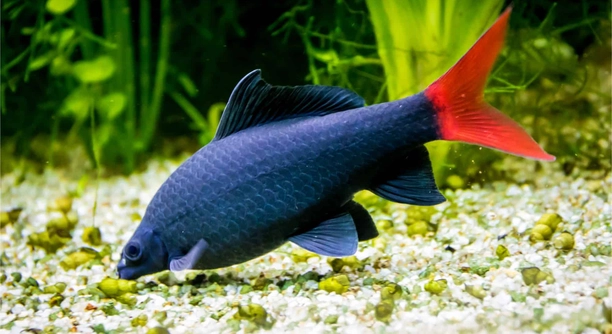
Rainbow sharks are popular aquarium fish known for their vibrant colors and active behavior. Many fishkeepers enjoy watching them swim, but encouraging them to breed can be a challenge. This article shares practical tips to help promote breeding in home tanks.
Successfully breeding rainbow sharks requires careful attention to their environment, diet, and tank conditions. Providing ample space, stable water parameters, a varied diet, and appropriate tank mates creates the best chance for reproduction. Understanding their behavior and breeding needs is essential.
These tips will help you create the right conditions for rainbow sharks to thrive and reproduce. Following them can make the breeding process smoother and more rewarding.
Provide a Spacious and Well-Structured Tank
Rainbow sharks need plenty of space to swim freely and establish territories. A tank of at least 30 gallons is recommended for a breeding pair, with hiding spots and visual barriers like plants or decorations. This setup reduces aggression and helps fish feel secure. Dividing the tank with floating plants or rock formations gives them private areas, which encourages natural behaviors, including breeding. Proper filtration and regular water changes maintain water quality, crucial for their health and spawning. Keeping the environment stable lowers stress, which otherwise prevents breeding.
A larger tank with good hiding places helps rainbow sharks feel comfortable and less aggressive toward each other. This environment encourages natural breeding behavior.
Setting up the tank carefully creates the foundation for successful breeding. By providing ample space and proper shelter, rainbow sharks can exhibit their natural interactions without constant stress. The environment supports their health, encouraging spawning and protecting fry once they hatch. Simple changes to tank layout can improve your chances of breeding success.
Maintain Stable Water Conditions
Rainbow sharks thrive in slightly acidic to neutral pH, around 6.5 to 7.5, with temperatures between 75°F and 80°F. Consistent water quality is vital since sudden changes stress fish and disrupt breeding. Using a reliable heater and thermometer helps maintain stable temperatures. Regular water testing ensures parameters stay within the ideal range. Clean water with low ammonia, nitrite, and nitrate levels is essential for eggs to develop properly and for fry survival. A well-maintained environment encourages spawning and healthy offspring.
Water stability directly affects breeding success. Fluctuations in temperature or pH can delay or stop spawning altogether.
Keeping the water conditions steady supports rainbow sharks during breeding periods. Stability helps reduce stress and supports the development of eggs and fry. Routine monitoring and maintenance should become a regular part of care. This attention to detail is critical for encouraging breeding and raising healthy young fish. Consistency in water parameters gives your fish the best chance to reproduce successfully.
Offer a Varied and Nutritious Diet
A balanced diet supports the health and breeding readiness of rainbow sharks. Include high-quality flakes, pellets, and frozen foods like bloodworms or brine shrimp. Feeding them several small meals daily encourages spawning behavior.
Providing protein-rich and varied foods boosts their energy and overall condition, which is crucial for successful breeding. Nutrient-dense diets improve egg quality and increase fry survival rates. Avoid overfeeding to prevent water quality issues, which can harm breeding efforts.
Supplementing their diet with live or frozen treats mimics natural feeding and stimulates reproductive instincts. A well-fed rainbow shark is more likely to spawn and care for its eggs. Consistency in diet helps maintain their vitality through the breeding cycle.
Separate the Breeding Pair if Necessary
Aggression can prevent rainbow sharks from breeding, so separating aggressive fish may be necessary. Use a divider or separate tanks until they calm down.
Once the pair shows less aggression, gradually reintroduce them under supervision. This helps reduce stress and territorial disputes that can block breeding behaviors.
Separating the pair temporarily creates a less hostile environment, encouraging breeding readiness. It gives fish space to adjust and reduces the chance of injury. Reintroducing fish slowly supports natural courtship and spawning without conflict. This careful management increases the chance of successful reproduction in the tank.
Simulate Seasonal Changes
Changing water temperature and lighting can encourage spawning. Lower the temperature slightly for a few days, then raise it to mimic seasonal shifts.
Adjusting light cycles to longer daylight hours helps trigger breeding behavior. These natural signals promote readiness in rainbow sharks.
Provide Suitable Spawning Surfaces
Rainbow sharks prefer to lay eggs on flat rocks or broad-leafed plants. Adding these surfaces increases chances for successful spawning.
Smooth, clean surfaces make it easier for eggs to stick and protect them from being eaten by other fish.
Monitor and Protect the Eggs
Once eggs are laid, keep an eye on them closely. Remove any that show signs of fungus or damage.
Protecting eggs ensures more survive to hatch. If possible, isolate the eggs or parents to prevent predation.
FAQ
How long does it take for rainbow shark eggs to hatch?
Rainbow shark eggs usually hatch within 3 to 5 days after being laid. The exact time depends on water temperature and conditions. Warmer water speeds up development, while cooler water may slow it down. Keeping the water clean and stable during this period helps improve hatch rates.
What should I feed baby rainbow sharks (fry)?
Fry need very small, nutritious food to grow. Start with infusoria or newly hatched brine shrimp for the first week. As they grow, introduce finely crushed flakes or powdered fish food. Feeding small amounts multiple times a day encourages steady growth without polluting the water.
Can rainbow sharks breed in community tanks?
Breeding in community tanks is difficult because rainbow sharks are territorial and can become aggressive. The eggs and fry may also get eaten by other fish. For better success, it’s recommended to breed them in a species-only tank with controlled conditions.
How can I tell if my rainbow shark is ready to breed?
Mature rainbow sharks develop brighter colors and show more active, territorial behavior when ready to breed. Males may chase females and flare fins. Healthy appetite and regular swimming patterns are also good signs. Monitoring these behaviors helps you know when to prepare the tank for breeding.
Is it necessary to remove the parents after spawning?
Yes, it’s often necessary to remove the parents after the eggs are laid. Rainbow sharks may eat their own eggs or fry if left together. Removing parents helps protect the eggs and improves the chances that more fry survive to adulthood.
What water parameters are ideal for breeding rainbow sharks?
Ideal water parameters include a temperature between 75°F and 80°F, pH from 6.5 to 7.5, and low ammonia and nitrite levels. Regular testing and water changes keep the environment stable. Stable conditions reduce stress and encourage breeding behavior.
Can I use artificial plants for spawning?
Yes, artificial plants with broad leaves can be used as spawning surfaces. They are easy to clean and don’t affect water chemistry. However, make sure the surfaces are smooth and secure to help eggs stick and avoid being disturbed by tank activity.
How often should I feed adult rainbow sharks during breeding?
Feeding adult rainbow sharks 2 to 3 times daily with small portions is best during breeding. A varied diet rich in protein supports their energy needs and helps them prepare for spawning. Avoid overfeeding to keep water quality high.
What causes rainbow sharks to be aggressive during breeding?
Territorial instincts drive aggression during breeding. Males defend their chosen areas and may chase rivals or females. Providing plenty of space and hiding spots reduces conflict. If aggression becomes extreme, temporary separation may be necessary.
How can I prevent fungal infections on the eggs?
Fungal infections can be prevented by keeping water clean and well-oxygenated. Adding antifungal treatments safe for fish eggs can help. Removing infected eggs quickly stops the spread and protects healthy ones. Proper tank maintenance is key to avoiding fungus problems.
Breeding rainbow sharks can be a rewarding experience, but it requires careful attention and patience. These fish have specific needs when it comes to their environment, diet, and behavior. Creating the right tank setup with enough space, stable water conditions, and proper hiding places is essential. Without these basic requirements, rainbow sharks may not feel comfortable enough to breed. Paying close attention to water parameters like temperature and pH helps reduce stress and supports healthy spawning. A well-maintained tank encourages natural behavior and increases the chances of successful reproduction.
Feeding rainbow sharks a balanced diet is another important factor. Providing a variety of high-quality foods with enough protein helps keep them healthy and ready for breeding. Overfeeding or poor nutrition can weaken their ability to spawn or care for eggs. When breeding begins, monitoring the fish closely is necessary to avoid aggression or egg predation. Sometimes separating aggressive individuals or protecting the eggs can make a big difference in survival rates. These small efforts help create a better environment for both the parents and their offspring.
Overall, breeding rainbow sharks is not always straightforward, but with patience and the right care, it is achievable. Understanding their needs and natural behaviors is key to encouraging spawning. Simple changes like adjusting lighting or simulating seasonal shifts can also stimulate breeding. Following the tips provided makes the process smoother and more successful. Even if it takes time, the satisfaction of seeing healthy fry develop makes the effort worthwhile. Taking a methodical approach ensures the health of your fish and helps keep your aquarium thriving.

Hello,
If you enjoy the content that we create, please consider saying a "Thank You!" by leaving a tip.
Every little bit helps us continue crafting quality advice that supports the health, happiness, and well-being of pets around the world, for pets of all shapes, sizes, and species.
We really appreciate the kindness and support that you show us!