
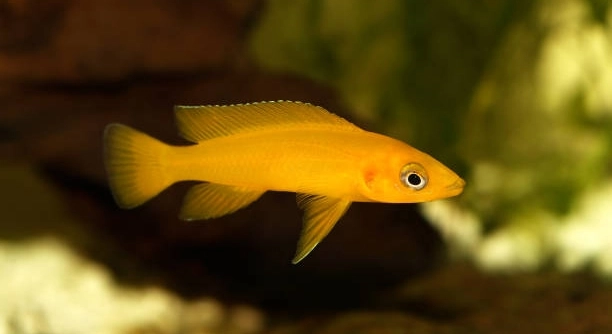
Have you ever noticed your Lemon Tetra swimming alone and wondered if it affects their behavior in the tank? These small, bright fish are popular for home aquariums, and their social patterns are important to understand.
Lemon Tetras should always be kept in even numbers to maintain stable social dynamics. Odd-numbered groups can cause stress, aggression, and dominance issues, which disrupt the school’s natural behavior and overall well-being in a community tank environment.
Keeping the right number of fish ensures harmony, making your tank healthier and more visually appealing for both the fish and their observers.
Understanding Lemon Tetra Social Behavior
Lemon Tetras are small schooling fish that feel most secure when they are in groups. They naturally form tight-knit schools in the wild, and this instinct carries over into home aquariums. When kept in even numbers, their interactions are balanced, which reduces aggression and stress. Odd numbers can leave one fish isolated, causing anxiety or dominance struggles. Observing a properly sized school, you’ll notice synchronized swimming, which is both calming for the fish and visually appealing for the tank owner. Water conditions, diet, and tank size also affect their behavior, but group dynamics remain the key factor. Providing hiding spots and plants enhances security, yet a stable number of Lemon Tetras ensures the group thrives. When each fish has companions to interact with, they display natural behaviors, stay healthier, and live longer. Keeping even numbers simplifies care routines and prevents behavioral problems that could arise from uneven groupings, allowing the tank to maintain balance.
Even-numbered groups reduce stress and keep the fish active, social, and healthy.
Maintaining the proper school size also helps prevent bullying and dominance issues. If you notice one fish being chased or isolated, it may indicate an odd number or insufficient companions. Fish in balanced groups spend more time exploring and feeding together, which promotes natural behavior. Observing your Lemon Tetras in motion shows harmony in the school, as they follow each other and respond collectively to changes in the tank. Over time, keeping even numbers can prevent injuries, reduce stress-related illnesses, and support a stable hierarchy. With consistent care and attention to social needs, Lemon Tetras display vibrant colors, smoother movements, and more predictable interactions, making aquarium management easier. Ensuring proper group dynamics allows every fish to thrive, and your tank becomes a lively, peaceful environment that reflects natural schooling behavior effectively.
Tips for Maintaining Proper Group Sizes
Regularly count your Lemon Tetras to ensure the group remains even and balanced.
Introduce new fish in pairs or multiples of two to maintain harmony. Avoid sudden changes, as the school’s dynamics are sensitive. Tank size should match the number of fish to provide enough swimming space. Monitor interactions, especially after adding new members, to ensure no fish is isolated. Feeding should be distributed evenly, preventing competition. Plants, decorations, and hiding spots create a safe environment, supporting group cohesion. Maintaining even numbers simplifies care and keeps the tank peaceful. Over time, you’ll notice more synchronized swimming, healthier fish, and a calmer tank atmosphere. Proper attention to numbers ensures the school remains stable and stress-free.
When adding Lemon Tetras to an aquarium, always plan for even numbers from the start. Odd-numbered groups can lead to chronic stress, reduced appetite, and increased susceptibility to disease. Introducing two or four fish at a time helps them settle naturally without upsetting the established hierarchy. Tank size, water quality, and feeding routines play supporting roles, but the number of fish determines their social stability. Observing their interactions reveals whether the group is balanced, with minimal chasing or hiding. By maintaining even numbers, you allow each fish to express natural behaviors, explore freely, and coexist peacefully. Over time, this approach reduces conflicts, strengthens immune health, and enhances coloration. An even-numbered school also improves visual appeal, with synchronized swimming creating a lively, harmonious display that mirrors natural conditions. Consistency in group size, combined with attentive care, ensures your Lemon Tetras live longer, happier lives while minimizing stress and behavioral problems in the aquarium.
Common Problems With Odd Numbers
Odd-numbered groups can cause stress among Lemon Tetras. One fish may be left out, leading to isolation or aggression.
When there is an uneven number of Lemon Tetras, the school loses balance. Isolated fish often hide or get chased, which increases stress and weakens their immune system. Aggression can emerge as stronger fish try to assert dominance, creating tension within the group. Over time, these behaviors affect feeding patterns, social interaction, and overall health. Maintaining even numbers ensures harmony, prevents fighting, and allows all fish to participate equally in schooling behavior. Proper planning and monitoring are essential to avoid these issues and keep the tank peaceful.
Odd numbers also make it difficult for new fish to integrate. When a single new fish joins an uneven group, it may be bullied or ignored. Maintaining even numbers allows newcomers to settle in naturally, reducing stress for everyone. A balanced school encourages synchronized swimming, social feeding, and predictable behavior. By paying attention to the number of fish, tank owners can prevent behavioral problems and create a more stable, visually pleasing environment.
How to Correct Odd Numbers
Adjusting the group to an even number immediately improves dynamics.
Adding or removing a single Lemon Tetra can restore balance. Ensure the tank has enough space for the change and introduce new fish carefully to avoid stress. Monitor interactions after adjustments to confirm harmony. Regular counting prevents accidental odd numbers from forming.
When correcting odd numbers, it’s important to act gradually. Adding two fish rather than one helps the new group settle without causing aggression. Removal should also be strategic, choosing a fish that is not dominant or stressed. Observe how the remaining school reacts to ensure everyone is comfortable. Tank size and environment must support the new group, providing hiding spots and open swimming areas. Correcting the numbers prevents long-term stress, encourages natural schooling, and improves overall health. Balanced groups lead to calmer, more active fish and reduce behavioral issues, making care easier and the aquarium more enjoyable to watch.
Tank Size Considerations
Even numbers of Lemon Tetras need enough space to swim freely. Crowded tanks increase stress and aggression.
A tank that is too small limits movement and disrupts schooling behavior. Ensuring sufficient space allows all fish to interact naturally, reduces conflict, and supports long-term health.
Choosing Companions
Lemon Tetras thrive with other peaceful species that share similar water requirements. Aggressive tank mates can disrupt social harmony and cause stress. Careful selection ensures a balanced, calm environment where each fish can display natural behaviors and maintain proper social interactions.
Feeding Dynamics
Evenly numbered schools make feeding easier. All fish get access to food without competition, reducing stress and preventing weaker fish from being deprived.
Observing Behavior
Regularly watching your Lemon Tetras helps detect early signs of stress or imbalance. Prompt adjustments keep the school healthy and harmonious.
FAQ
How many Lemon Tetras should I keep in my tank?
Lemon Tetras do best in groups of at least six, but it is important to keep the number even. Even-numbered groups reduce stress and aggression, allowing all fish to interact equally. Smaller groups may struggle to display natural schooling behavior, while odd numbers can leave one fish isolated.
Can Lemon Tetras live alone?
No, Lemon Tetras are social fish and rely on a school for safety and comfort. Keeping a single fish or odd-numbered group can cause anxiety, hide-and-seek behavior, or aggressive tendencies. Their natural instinct is to follow and mirror each other’s movements, which cannot happen effectively alone.
What tank size is ideal for Lemon Tetras?
A minimum of 20 gallons is recommended for a small group of six to eight Lemon Tetras. Larger tanks are better for bigger schools. Adequate space prevents overcrowding, supports free swimming, and reduces stress, helping maintain a calm and balanced environment.
How do I add new Lemon Tetras to my tank?
Always introduce new fish in pairs or multiples of two to maintain even numbers. Quarantine new arrivals to prevent disease transfer. Slowly acclimate them to the tank’s water conditions, and monitor interactions closely to ensure the group remains harmonious and stress-free.
Can I mix Lemon Tetras with other fish?
Yes, but only with peaceful species that thrive in similar water conditions. Aggressive or territorial fish can disrupt social balance, cause stress, or injure Lemon Tetras. Suitable companions include small tetras, rasboras, and some peaceful livebearers, as long as the tank is large enough to accommodate all species.
What signs indicate stress in Lemon Tetras?
Signs of stress include hiding, erratic swimming, loss of appetite, dull coloration, and frequent chasing. Odd-numbered groups often show these behaviors because one fish may feel excluded or dominated. Even numbers and proper tank conditions help prevent these issues.
How often should I feed Lemon Tetras?
Feed them small amounts two to three times a day, enough for them to finish in a few minutes. Overfeeding can pollute the tank, while underfeeding can lead to weaker fish. Even-numbered groups help ensure each fish gets its share during feeding.
Do Lemon Tetras need plants or decorations?
Yes, live or artificial plants provide hiding spots, reduce stress, and encourage natural behavior. Decorations also break lines of sight, preventing bullying in the school. Even with proper numbers, adding plants enhances security and helps fish feel safe.
How do I maintain water quality for Lemon Tetras?
Regular water changes, proper filtration, and monitoring temperature and pH levels are essential. Lemon Tetras prefer slightly acidic to neutral water. Stable, clean water supports their health, helps colors stay vibrant, and maintains calm schooling behavior.
What is the best way to prevent aggression in Lemon Tetras?
Keep an even number of fish, provide sufficient space, and maintain good water quality. Avoid overcrowding and choose peaceful tank mates. Ensuring a balanced school reduces competition, stress, and aggression, promoting healthy social interaction and synchronized swimming patterns.
Can Lemon Tetras breed in a home aquarium?
Yes, they can, but even numbers are still important. A proper ratio of males to females prevents excessive chasing. Providing plants or spawning mops gives eggs a safe place. Controlling water conditions and separating adults from fry increases survival rates.
How do I know if my school is balanced?
A balanced school swims together, shows minimal aggression, and all fish actively participate in feeding. No fish should be constantly hiding or chased. Even-numbered groups display more synchronized movements and calm behavior compared to odd-numbered ones, indicating proper social structure.
What should I do if I accidentally have an odd number?
Add or remove one fish to restore an even group. Observe the school after adjustments to ensure harmony. Ensure tank size and environment support the change, with hiding spots and open swimming areas to reduce stress and maintain healthy interactions.
How long do Lemon Tetras live in captivity?
With proper care, even-numbered groups, and good water quality, Lemon Tetras can live around five to eight years. Stable social dynamics, adequate space, and proper diet significantly contribute to longevity and overall health.
Are Lemon Tetras suitable for beginner aquariums?
Yes, they are hardy and peaceful, making them suitable for beginners. However, maintaining even numbers and proper tank conditions is essential. Understanding their social needs prevents stress and ensures a vibrant, active school that thrives in home aquariums.
Final Thoughts
Lemon Tetras are small, bright fish that bring energy and color to any aquarium. Their social nature makes them unique, as they thrive when kept in groups. Observing them in motion shows how important their schooling behavior is. When kept in even numbers, the fish interact naturally, swim together, and display calmer, more predictable behavior. Odd numbers disrupt this balance, leaving one fish isolated or causing minor aggression. Over time, this can affect health, feeding habits, and overall well-being. Understanding the role of group size helps maintain a peaceful, healthy tank where each fish can thrive. Even small adjustments, like adding or removing a single fish to maintain an even group, make a noticeable difference in behavior.
Providing proper tank conditions is equally important. Lemon Tetras need clean, well-maintained water, stable temperatures, and enough space to move freely. Tanks with hiding spots, plants, or decorations give the fish a sense of security, reducing stress and supporting natural behavior. Feeding should be consistent and balanced so all fish receive enough food. Observing interactions during feeding and swimming patterns helps identify any potential issues early, especially if the group becomes unbalanced. Even small details like these ensure the school remains harmonious, keeping stress low and health high. Over time, a well-maintained tank with an even group of Lemon Tetras shows vibrant colors, active movement, and synchronized schooling, which is both visually appealing and beneficial to the fish.
Finally, maintaining even numbers is not just about behavior; it also impacts the longevity of the fish. Stress from isolation or aggression can weaken the immune system, making fish more susceptible to illness. Regular observation, proper tank management, and thoughtful group adjustments support both physical and mental well-being. Pairing this with compatible tank mates ensures a peaceful environment. Lemon Tetras, when kept in even numbers with proper care, show natural schooling patterns, socialize effectively, and live longer, healthier lives. Keeping these simple principles in mind makes caring for Lemon Tetras easier, creating a balanced, visually engaging aquarium that reflects their natural behavior. Proper attention to numbers, tank conditions, and social dynamics leads to a thriving, harmonious group that benefits from reduced stress, better health, and a vibrant presence in any home aquarium.

Hello,
If you enjoy the content that we create, please consider saying a "Thank You!" by leaving a tip.
Every little bit helps us continue crafting quality advice that supports the health, happiness, and well-being of pets around the world, for pets of all shapes, sizes, and species.
We really appreciate the kindness and support that you show us!