
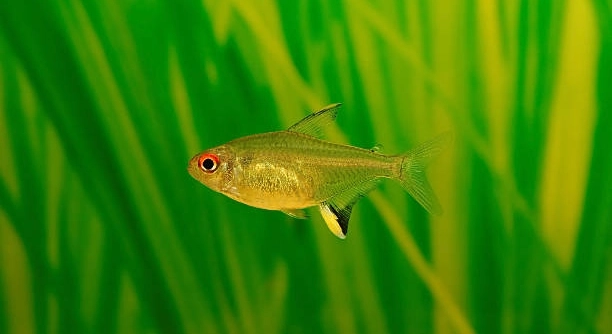
Lemon tetras are small, bright fish that bring life to any freshwater tank. Many new owners enjoy their colors but sometimes struggle with keeping the tank stable and comfortable for these active little fish.
Common issues in lemon tetra tank setups often include improper water temperature, pH imbalances, overcrowding, insufficient filtration, inadequate hiding spots, overfeeding, and poor lighting conditions. Addressing these factors systematically helps maintain healthy fish and a balanced aquatic environment.
Recognizing these common problems early can prevent stress and illness for your fish. Small adjustments often lead to a much happier, healthier tank.
Incorrect Water Temperature
Lemon tetras thrive in water between 72 and 78 degrees Fahrenheit. Too cold or too warm water can stress them, making them prone to disease and reducing their activity. Many beginners underestimate the importance of a reliable heater and thermometer. It’s easy to think tap water is fine, but fluctuations can harm these delicate fish. Consistency is key. Even small changes over time can affect their color, appetite, and overall health. If you notice lethargy or faded color, temperature is often the first thing to check. Maintaining a stable environment requires monitoring daily, especially during seasonal changes. A quality heater with a built-in thermostat simplifies this process and protects your fish from unexpected drops or spikes. Pair it with a thermometer placed at tank level, not just near the heater. This ensures you see the true temperature your tetras experience. Adjust gradually if needed, as sudden changes can be more harmful than mild, sustained deviations.
Keeping water temperature stable prevents stress and supports normal behavior. Consistency in heating is essential for long-term health and vibrant coloration.
Using a heater and thermometer together creates a reliable system. Checking them daily reduces risk of sudden temperature swings. Proper placement is important, and adjusting slowly helps tetras stay comfortable.
Overcrowding
Too many fish in a small tank creates stress and poor water quality. Lemon tetras need space to swim freely, so keeping groups appropriate to tank size is critical.
Overcrowding increases ammonia and nitrate levels, which can harm gill function and immune systems. Fish may hide excessively or compete aggressively for food, making it harder for them to thrive. A 20-gallon tank can support six to eight tetras comfortably, but larger groups need proportionally bigger tanks. Overcrowding also affects filtration efficiency; filters may struggle to keep up, leading to more frequent water changes. Monitoring behavior is important. If tetras appear lethargic or show unusual signs, population density could be a factor. Planning tank size and number of fish ahead of time prevents stress-related health issues. Combining appropriate stocking with regular testing of water parameters ensures a safer, healthier environment. Simple adjustments like reducing the number of fish or upgrading the tank size dramatically improve overall activity, coloration, and longevity for lemon tetras.
Improper pH Levels
Lemon tetras prefer slightly acidic to neutral water, around 6.5 to 7.0 pH. Water that is too alkaline or too acidic can stress them, affecting appetite, color, and overall health. Regular testing helps maintain a stable environment.
Maintaining proper pH requires both testing and adjusting when necessary. Tap water often varies, so using a reliable test kit is essential. If the pH is too high, adding driftwood or peat can naturally lower it. If it is too low, small amounts of baking soda or commercial buffers can help stabilize it. Sudden changes should be avoided, as tetras are sensitive to abrupt shifts. Testing weekly allows you to catch trends early and act before fish are affected.
A stable pH also supports beneficial bacteria that break down waste in the tank. Keeping these bacteria healthy ensures ammonia and nitrite levels stay safe. This balance is critical for overall water quality. Gradual adjustments over several days prevent stress, allowing tetras to stay active, feed normally, and maintain bright colors. Monitoring water hardness alongside pH ensures a more consistent environment, which benefits their immune system and reduces disease risk.
Inadequate Filtration
Weak or insufficient filters fail to remove waste and toxins, harming fish health. Proper filtration keeps water clear, reduces stress, and supports a stable tank environment.
Choosing the right filter depends on tank size and number of fish. A filter rated slightly higher than the tank volume ensures efficient circulation and cleaning. Over-filtering can create strong currents that tire small tetras, so balance is important. Regular maintenance, including rinsing filter media in tank water, prevents clogging and preserves beneficial bacteria. Skipping maintenance leads to buildup of debris, ammonia spikes, and cloudy water, which are harmful. Observation of fish behavior can indicate filtration issues, such as hiding, gasping at the surface, or sluggish swimming.
Filtration supports oxygenation and breaks down harmful substances into less dangerous compounds. Combining mechanical, chemical, and biological filtration gives the best results. Mechanical filtration removes debris, chemical filtration removes impurities, and biological filtration ensures waste is processed efficiently. This system stabilizes the tank environment and reduces stress. Checking filter performance and cleaning at consistent intervals ensures long-term health. A reliable filter minimizes sudden water parameter swings, making it easier to maintain other aspects like temperature and pH. Healthy filtration directly impacts fish activity, color, and resistance to disease, giving lemon tetras the best chance to thrive.
Lack of Hiding Spots
Lemon tetras feel safer with plants and decorations to hide in. A bare tank makes them stressed, shy, and less active. Adding live or artificial plants gives them comfort and encourages natural behavior.
Hiding spots also reduce aggression and territorial disputes. Even a small cluster of plants or rocks can make a noticeable difference in their activity levels and overall health.
Overfeeding
Feeding too much can pollute the tank and harm fish health. Excess food decays, increasing ammonia and nitrate levels, which stresses lemon tetras.
Poor Lighting
Too bright or too dim lighting affects fish activity and plant growth. Balanced lighting helps maintain normal behavior and supports a healthy tank environment.
Neglecting Water Changes
Skipping regular water changes allows waste buildup, leading to poor water quality and unhealthy conditions. Consistent water maintenance keeps tetras active, healthy, and vibrant.
FAQ
How often should I test my tank water for lemon tetras?
Testing water at least once a week is important. Lemon tetras are sensitive to changes in pH, ammonia, and nitrite levels. Keeping a regular schedule ensures the water remains safe and stable. You can use simple test strips or liquid test kits for accuracy.
What is the ideal group size for lemon tetras?
Lemon tetras are schooling fish and do best in groups of six or more. Smaller groups can become stressed and shy, while larger groups need more space and filtration to prevent overcrowding.
How do I adjust pH safely for my tank?
Gradual adjustments are key. Use natural methods like driftwood or peat to lower pH, or commercial buffers to raise it. Avoid sudden changes, as tetras are sensitive and rapid shifts can harm them. Monitor pH daily during adjustments.
Can I mix lemon tetras with other fish?
Yes, they are peaceful and can live with other small, non-aggressive fish. Avoid large or territorial species that may stress or injure them. Good tank mates include small rasboras, guppies, and other peaceful tetras.
How much should I feed lemon tetras?
Feed only what they can eat in two to three minutes, once or twice a day. Overfeeding pollutes the water and can cause health problems. Variety in diet, including flakes, frozen, or live food, keeps them healthy.
Why are my lemon tetras hiding all the time?
Hiding can indicate stress, poor water quality, or insufficient hiding spots. Ensure water parameters are stable and add plants, rocks, or decorations where they can feel secure. Monitoring behavior helps identify underlying issues.
How often should I change the water?
Change 20-30% of the water weekly. This removes excess waste, prevents toxin buildup, and maintains stable water conditions. Always treat tap water to remove chlorine or chloramines before adding it to the tank.
What type of filter is best for lemon tetras?
A filter rated slightly above the tank size works well. It should provide mechanical, chemical, and biological filtration without creating strong currents. Maintenance is important; clean filter media in tank water to preserve beneficial bacteria.
How do I prevent diseases in my tank?
Maintain clean water, stable temperature, and proper pH. Avoid overcrowding and overfeeding. Quarantine new fish before adding them to the main tank to prevent introducing infections. Regular observation helps catch early signs of illness.
Can lemon tetras live in a small tank?
They can survive in tanks as small as 10 gallons, but 20 gallons or larger is ideal for healthy swimming space and stable water conditions. More space reduces stress and supports schooling behavior, which keeps them active and colorful.
Why are my lemon tetras losing color?
Faded color usually indicates stress, poor water quality, or improper diet. Ensure proper temperature, pH, and feeding. Healthy water and a balanced diet rich in nutrients help restore their natural brightness.
Is live food necessary for lemon tetras?
Live food is not necessary but can enhance color and activity. A mix of flakes, frozen, and occasional live food provides variety and ensures nutritional balance. Live food also encourages natural hunting behaviors.
What decorations are safe for lemon tetras?
Smooth rocks, driftwood, and soft-leafed plants are safe. Avoid sharp or rough decorations that could injure them. Providing spaces to hide reduces stress and mimics their natural habitat, encouraging natural behaviors.
How do I acclimate new lemon tetras?
Float the bag in tank water for 15-20 minutes to equalize temperature. Slowly add small amounts of tank water to the bag over 30-45 minutes before releasing the fish. This gradual process reduces stress and prevents shock.
Can lemon tetras tolerate slight changes in water temperature?
Small daily fluctuations are generally tolerated, but sudden or extreme changes can stress them. Maintaining a consistent range of 72-78°F is ideal. Using a reliable heater and thermometer ensures temperature stability.
What signs indicate my tetras are stressed?
Stress signs include hiding, clamped fins, faded color, erratic swimming, or loss of appetite. Identifying the cause, such as water quality or overcrowding, and correcting it quickly helps them recover.
How do I choose the right substrate for the tank?
Fine gravel or sand works best. Smooth surfaces prevent injury to tetras and support plant growth. Avoid sharp or coarse substrates that can damage delicate fins and make cleaning difficult.
Are artificial plants acceptable for hiding spots?
Yes, artificial plants are acceptable and easy to maintain. Ensure they have smooth edges to avoid fin damage. Combining them with live plants can provide both decoration and natural hiding spaces.
How long do lemon tetras typically live?
With proper care, lemon tetras live about 5-8 years. Consistent water quality, proper diet, and a stress-free environment contribute to a longer, healthier life. Regular observation helps detect issues early, extending their lifespan.
Can I keep lemon tetras with a betta?
It is risky. Betta fish can be aggressive and may attack small tetras. If attempted, monitor closely and provide plenty of hiding spots. Many aquarists prefer other peaceful tank mates for lemon tetras.
How do I encourage schooling behavior?
Keep at least six tetras together in the same tank. They feel safer and more active in groups. Open swimming space combined with hiding spots allows natural schooling and reduces stress.
What should I do if a fish dies?
Remove the fish immediately to prevent water contamination. Test water for ammonia or nitrites and consider partial water changes. Monitor remaining fish for signs of illness and adjust tank care as needed.
Can I use tap water without treatment?
No, tap water contains chlorine or chloramines harmful to tetras. Always use a water conditioner to neutralize these chemicals before adding water to the tank. Regular testing ensures safe water parameters.
How do I prevent algae buildup?
Control light duration, avoid overfeeding, and maintain clean water. Algae-eating snails or small shrimp can help manage growth, but balance is key to avoid additional waste. Regular water changes reduce excess nutrients that fuel algae growth.
Are lemon tetras good for beginners?
Yes, they are relatively hardy if basic care is followed. Attention to water quality, temperature, diet, and tank setup ensures they remain healthy and active, making them suitable for those new to freshwater fishkeeping.
What is the best diet for vibrant colors?
A mix of high-quality flakes, frozen foods, and occasional live foods supports color. Foods rich in carotenoids enhance yellow coloration. Feeding small amounts multiple times a day ensures they get proper nutrition without overfeeding.
How can I reduce fish stress during maintenance?
Keep water changes gradual, avoid sudden parameter changes, and minimize handling. Using nets gently and maintaining stable lighting reduces anxiety. Stress-free maintenance supports immune health and overall activity.
Is a lid necessary for a lemon tetra tank?
Yes, a lid prevents accidental jumping and reduces evaporation. It also keeps the environment more stable, protecting fish from sudden drafts or temperature changes.
How often should I clean the substrate?
Vacuum the substrate during partial water changes weekly. This removes uneaten food and waste, preventing ammonia buildup and maintaining water quality. Avoid disturbing plants excessively during cleaning.
Can lemon tetras tolerate low-light tanks?
They prefer moderate lighting. Low-light tanks can reduce activity and color vibrancy. Pair with low-light plants if necessary, but ensure enough light to support normal behavior and plant growth.
Do lemon tetras need a heater in all climates?
In cooler regions, a heater is necessary to maintain 72-78°F. In consistently warm climates, they may survive without one, but temperature stability is always important to prevent stress and disease.
What is the best tank size for 10 lemon tetras?
A minimum 20-gallon tank is recommended. This provides enough swimming space, maintains stable water parameters, and reduces stress from overcrowding. Bigger tanks are easier to maintain and offer more room for decorations and plants.
How can I tell if my filter is working properly?
Water should remain clear, and flow should be steady but not strong. Listen for unusual sounds, check for debris buildup, and observe fish behavior. Healthy fish and stable water parameters indicate the filter is functioning well.
Can I use a sponge filter instead of a hang-on-back filter?
Yes, sponge filters are gentle, effective, and provide biological filtration. They are ideal for small tanks or delicate fish, as they avoid strong currents while maintaining water quality.
How do I introduce new tank mates to lemon tetras?
Quarantine new fish for 1-2 weeks. Slowly acclimate them to water conditions and observe interactions in a shared tank with plenty of hiding spots. This reduces stress and the risk of disease transmission.
Should I cover the tank during water changes?
Yes, partially covering the tank prevents fish from jumping and reduces stress caused by sudden exposure to light, drafts, or movement around the tank.
Can lemon tetras breed in a community tank?
Breeding is possible but difficult in a community tank. Eggs may be eaten by other fish. Dedicated breeding tanks with plants or spawning mops improve success and protect fry.
How do I keep water clear in a planted tank?
Balanced lighting, proper feeding, adequate filtration, and regular partial water changes prevent cloudiness. Avoid overstocking and remove dead plant matter to maintain clarity and a healthy environment.
What temperature fluctuations are acceptable for lemon tetras?
A range of 1-2°F daily is generally tolerated. Larger fluctuations or sudden changes can cause stress. Using a heater with a thermostat minimizes risks and keeps the tank stable.
How do I recognize healthy behavior in lemon tetras?
Active swimming, bright coloration, normal schooling, and regular feeding indicate good health. Healthy tetras explore the tank, interact with others, and react naturally to their environment.
Can I keep lemon tetras in a nano tank?
Yes, but stocking must be very limited, and water quality monitored closely. Nano tanks can support small groups if maintenance is frequent, but larger tanks are preferable for stability and fish activity.
What should I do if water parameters are off?
Make gradual adjustments, perform partial water changes, and monitor closely. Rapid corrections can stress fish. Identify the root cause, whether it’s filtration, overfeeding, or overcrowding, and address it systematically.
Do lemon tetras need supplemental vitamins?
A varied diet usually provides all necessary nutrients. Occasional supplements can be used if deficiencies are observed, but balanced feeding generally prevents the need for extra vitamins.
How do I safely remove algae from decorations?
Gently scrub decorations with a soft brush in tank water. Avoid using soap or chemicals, which can harm fish. Routine cleaning during water changes helps maintain appearance without disturbing the ecosystem.
Can lemon tetras live with shrimp?
Yes, peaceful shrimp species like cherry or ghost shrimp can coexist. Avoid large or aggressive shrimp that may compete for food or stress tetras. Provide hiding spaces for both species to minimize conflict.
What is the best way to acclimate a new tank before adding fish?
Cycle the tank for 4-6 weeks, monitoring ammonia, nitrite, and nitrate levels. This establishes beneficial bacteria and ensures a safe environment for new fish. Only add fish once water parameters are stable and safe.
How do I know if my fish are stressed from overhandling?
Clamped fins, rapid breathing, hiding, or loss of appetite indicate stress. Minimize netting, avoid touching fish, and reduce disturbances during maintenance to allow recovery.
Can I keep lemon tetras in brackish water?
No, they are freshwater fish. Brackish water can cause stress, illness, and reduced lifespan. Stick to freshwater conditions with proper pH and hardness.
How long should lights be on in a lemon tetra tank?
8-10 hours of moderate light daily is ideal. This supports fish activity, plant growth, and prevents algae overgrowth. A consistent schedule with a timer helps maintain balance.
Are floating plants beneficial for lemon tetras?
Yes, floating plants provide shade and additional hiding spots. They reduce stress, mimic natural habitats, and can help regulate light exposure in the tank.
Can lemon tetras tolerate slightly hard water?
They tolerate mild hardness but prefer soft to moderately hard water. Extreme hardness can affect pH stability and overall health. Monitor water hardness alongside other parameters for a balanced environment.
How can I prevent sudden water temperature drops?
Use a reliable heater, maintain a tank lid, and avoid placing the tank near drafts or windows. Gradual seasonal adjustments help maintain stability.
What is the safest way to move fish between tanks?
Use a clean container, minimize air exposure, and maintain similar water conditions. Slowly acclimate fish to new water by adding tank water gradually before releasing them.
Do lemon tetras need a sand or gravel substrate?
Both work, but smooth gravel or fine sand is best. Sharp substrates can injure delicate fins, and smooth surfaces make cleaning easier.
How often should I check filter media?
Check weekly for buildup or clogging. Rinse media in tank water to preserve beneficial bacteria, avoiding tap water that can kill helpful microorganisms.
Can I keep neon tetras and lemon tetras together?
Yes, they are similar in size and temperament. Both prefer schooling, peaceful communities, and similar water conditions, making them compatible tank mates.
How do I remove uneaten food safely?
Use a small net or siphon to remove debris. Uneaten food decays and pollutes water, increasing ammonia and nitrate levels. Regular removal prevents water quality issues and keeps fish healthy.
Should I turn off the filter during water changes?
No, keep the filter running. It maintains water circulation, helps distribute heat, and reduces stress on fish during partial water changes.
How do I reduce stress during tank cleaning?
Clean gradually, avoid sudden water changes, and maintain consistent water temperature. Minimize handling and provide hiding spots for temporary refuge during maintenance.
Can lemon tetras tolerate mild fluctuations in pH?
Slight fluctuations are usually tolerated, but consistent stability is preferred. Large or rapid changes can cause stress, reduce appetite, and make fish more prone to disease.
How do I encourage natural behavior in lemon tetras?
Provide plants, open swimming areas, and hiding spots. Feeding varied food and maintaining stable water conditions helps them swim, school, and interact naturally.
What are signs of ammonia poisoning?
Red or inflamed gills, gasping at the surface, lethargy, and clamped fins indicate ammonia stress. Immediate partial water changes and improved filtration reduce risk.
Can lemon tetras live in tanks without plants?
They can survive but will be more stressed. Plants provide hiding spots, improve water quality, and mimic natural habitats, supporting overall health and behavior.
How long should I float a new fish bag before introducing them?
Float for 15-20 minutes to equalize temperature. Then slowly add tank water over 30-45 minutes to acclimate them to water chemistry before release.
Do lemon tetras need aeration besides filtration?
If the filter provides sufficient water movement, additional aeration is optional. Air stones can help in crowded tanks or high temperatures for extra oxygen.
Can lemon tetras live with guppies?
Yes, guppies are peaceful and similar in size, making them compatible tank mates. Ensure adequate swimming space and avoid overcrowding to reduce stress.
How do I prevent fin damage in lemon tetras?
Avoid sharp decorations, rough substrates, and aggressive tank mates. Smooth plants and careful maintenance minimize risks of torn or damaged fins.
Are lemon tetras sensitive to chlorine?
Yes, untreated tap water with chlorine or chloramines can harm them. Always use a water conditioner before adding water to the tank.
How do I handle a sick tetra?
Quarantine the fish in a separate tank, observe symptoms, and treat with appropriate medication. Maintain clean water and stable conditions to support recovery.
What temperature is too high for lemon tetras?
Temperatures above 78°F for prolonged periods can stress them. Consistently high temperatures reduce oxygen levels and increase susceptibility to disease.
How can I improve water clarity?
Use proper filtration, avoid overfeeding, clean substrate, and perform regular partial water changes. Avoid overcrowding and remove decaying plant material.
Can lemon tetras tolerate low oxygen levels?
They prefer well-oxygenated water. Low oxygen causes gasping at the surface, lethargy, and stress. Proper filtration, aeration, and plant management help maintain oxygen levels.
What is the best way to quarantine new fish?
Use a separate tank with stable water parameters, observe for illness for 1-2 weeks, and gradually acclimate before introducing to the main tank.
Are lemon tetras aggressive toward each other?
They are generally peaceful. Stress from overcrowding, poor water quality, or insufficient hiding spots can trigger mild aggression, but healthy, properly stocked tanks prevent this behavior.
How often should I feed live versus frozen food?
Frozen or live food can be offered a few times per week. Flakes can be the main diet daily, providing balanced nutrition without overfeeding.
Can lemon tetras live in hard water?
Mildly hard water is acceptable, but soft to moderately hard water is ideal. Extreme hardness can affect pH stability and stress fish.
How do I reduce nitrate buildup?
Regular partial water changes, proper filtration, avoiding overfeeding, and maintaining live plants help keep nitrate levels low, supporting overall fish health.
Is it safe to keep lemon tetras alone?
No, they are schooling fish and feel stressed when alone. A minimum group of six is recommended for comfort, activity, and natural behavior.
Can lemon tetras tolerate cooler water during winter?
Temperatures below 72°F can stress them. Use a reliable heater to maintain consistent warmth. Gradual adjustments are safer than sudden temperature drops.
How can I spot a sick fish early?
Watch for faded color, clamped fins, erratic swimming, hiding, or loss of appetite. Early detection allows timely intervention and increases survival chances.
Should I change all the water at once?
No, large water changes can shock fish. Partial changes of 20-30% weekly maintain stability while removing waste and keeping water clean.
Do lemon tetras need a varied diet?
Yes, variety ensures proper nutrition. Flakes, frozen, and occasional live food provide vitamins, proteins, and carotenoids for color and health.
How do I introduce plants safely?
Rinse plants thoroughly to remove pests or chemicals. Ensure they are compatible with water conditions and substrate. Introduce gradually to reduce disturbance to the tank.
Can lemon tetras tolerate high light intensity?
Excessive light
Lemon tetras are small, active fish that can brighten any tank with their yellow coloring and lively behavior. Keeping them healthy is not complicated, but it does require attention to a few key factors. Water quality, including temperature, pH, and cleanliness, is the foundation of a healthy tank. Even minor changes in these factors can stress your fish, leading to faded colors, unusual behavior, or illness. Using a heater, thermometer, and reliable filtration system ensures that water conditions remain stable, reducing stress and supporting overall health. Regular monitoring of water parameters also helps prevent common problems like ammonia or nitrate spikes. By maintaining a consistent environment, you give your lemon tetras the best chance to thrive, swim actively, and display their natural colors.
Tank setup is another important part of caring for lemon tetras. They do best in groups of six or more, as they are schooling fish that feel secure when swimming together. Overcrowding or keeping too few fish can cause stress and lead to behavioral problems. Providing plants, rocks, and other hiding spots gives them areas to feel safe and reduces tension in the tank. A combination of live and artificial plants works well, and smooth substrates help prevent injuries. Thoughtful arrangement of decorations and hiding spaces can also encourage natural behaviors, like schooling and exploring, making your tank more dynamic and visually appealing. Proper stocking, spacing, and hiding places improve fish health and create a more balanced, harmonious environment for all tank inhabitants.
Feeding and maintenance routines are equally important for a successful lemon tetra tank. Overfeeding is a common issue that can pollute water, harm fish, and increase algae growth. Feeding small portions once or twice a day, along with a varied diet of flakes, frozen, or live foods, keeps your tetras healthy and supports bright coloration. Regular water changes, partial substrate cleaning, and filter maintenance prevent waste buildup and maintain clarity. Observing your fish daily allows you to spot early signs of stress or illness and take corrective action promptly. Attention to these details ensures a long, healthy life for your lemon tetras while keeping the tank stable, attractive, and enjoyable to watch. By focusing on water quality, tank setup, and proper care routines, you create an environment where your fish can thrive naturally, live longer, and display their lively, colorful personalities.

Hello,
If you enjoy the content that we create, please consider saying a "Thank You!" by leaving a tip.
Every little bit helps us continue crafting quality advice that supports the health, happiness, and well-being of pets around the world, for pets of all shapes, sizes, and species.
We really appreciate the kindness and support that you show us!