
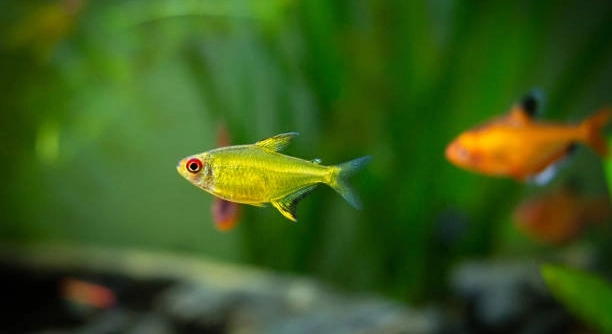
Managing lemon tetra behavior can feel challenging when sudden bursts of aggression disrupt the calm of your aquarium. This gentle guide offers clear support for creating a more peaceful environment for your small schooling fish.
Lemon tetra aggression is most effectively reduced by improving environmental stability, expanding swimming space, adjusting group size, increasing plant cover, enhancing water quality, and offering consistent feeding routines, which collectively minimize stress and promote harmonious behavior within the aquarium environment.
These simple adjustments support calmer interactions among your fish, helping you maintain steady harmony throughout your colorful aquarium community daily.
Increase Tank Space
Creating more space in your aquarium is one of the most reliable ways to ease tension among lemon tetras, giving them room to move with less pressure from dominant fish. When your tank feels tight or overcrowded, these small fish become more reactive, which can lead to fin nipping or sudden chasing. Expanding the tank, removing excess decorations, or gently rearranging the layout can create open swimming zones that help your tetras feel more comfortable. A wider layout also allows shy fish to slip away from bolder ones without feeling trapped. When the aquarium provides enough room for each fish to swim, rest, and explore, aggression naturally declines, making the group easier to manage. Paying attention to visible signs of stress helps you understand when extra space is needed. With a bit of adjustment, you can create a balanced environment that supports peaceful interactions and keeps your lemon tetras calm each day.
More space encourages smoother movement patterns, reducing tension that often causes sudden outbursts. When lemon tetras can swim freely without confrontation, they settle into calmer routines that support stable behavior and healthier interactions across the tank.
Additional room also gives you flexibility when arranging plants and hiding areas, which further reduces conflict among your fish. Lemon tetras feel safer when they can slip behind foliage or drift through shaded sections without obstruction. Spreading these areas throughout the tank keeps dominant fish from controlling a single space and limits competitive behavior. This kind of structure also helps younger or more timid tetras settle in comfortably. By combining open space with well placed plant clusters, you encourage smoother behavior patterns that stay consistent over time, making your aquarium environment far more stable and pleasant for every fish.
Enhance Plant Cover
Adding more plant cover provides natural boundaries that calm lemon tetra behavior, helping each fish find small areas where it can rest without interference. Shaded hiding spots lower stress levels and promote gentle movement, reducing the chance of fin nipping or sudden chasing throughout the tank.
Plant cover plays an important role in shaping how lemon tetras interact with one another. Dense foliage breaks up direct lines of sight, which helps prevent dominant fish from constantly monitoring others. When visual pressure decreases, aggression drops because fish no longer feel exposed or cornered. Using a mix of tall background plants and shorter midground varieties creates natural layers that support steady swimming patterns. Floating plants can also soften the light, giving the fish a calm atmosphere that encourages smooth behavior. When arranged thoughtfully, these plants create pockets of shelter without crowding the tank, allowing each fish space to move with comfort. This balanced structure prevents competition for a single hiding place and spreads activity evenly throughout the aquarium. It also supports young or timid fish that rely on cover to feel secure. A tank filled with healthy, well maintained plants creates a peaceful environment that improves behavior, steadies interactions, and keeps your lemon tetras confident in their daily routines.
Adjust Group Size
Keeping lemon tetras in a proper group size reduces tension and helps them settle into predictable behavior patterns. Smaller groups often create excess stress, while larger balanced groups distribute attention evenly and prevent dominant fish from targeting the same individuals repeatedly.
A well sized group encourages natural schooling behavior that keeps the fish focused on collective movement rather than confrontation. When tetras feel secure within a stable group, they spend less time engaging in sudden chasing or nipping. Maintaining a consistent number also prevents the tank from feeling unpredictable to them. If your group becomes too small due to losses, adding new fish restores balance and reduces nervous behavior. The goal is to create a calm rhythm where each fish feels supported within the school, allowing interactions to stay smooth and steady day after day.
Group size also influences how each fish navigates the aquarium, shaping the overall harmony of the environment. Balanced numbers help redirect energy toward synchronized swimming, which naturally limits aggressive displays. When a tank has too few tetras, individuals become more territorial, which increases conflict. A well managed group keeps the fish occupied with steady movement and filtered social cues. This stability spreads throughout the tank, reducing stress and preventing the development of habits like fin biting. Maintaining the right number of lemon tetras supports long term behavioral consistency and keeps your aquarium peaceful.
Improve Water Quality
Clear, stable water conditions keep lemon tetras relaxed by preventing irritation that often leads to reactive behavior. Regular maintenance supports smooth movement and limits stress triggers that could encourage nipping or chasing in an otherwise calm group.
Consistent water quality provides the foundation for steady behavior and healthier interactions among your fish. Clean water prevents toxins from building up, which reduces irritability and makes the fish more comfortable. Frequent monitoring of parameters like ammonia, nitrite, nitrate, and pH helps you identify small shifts before they affect behavior. Gentle filtration improves clarity and circulation, giving the fish a stable environment that feels predictable. When the water stays clean, the fish can swim freely without discomfort, which leads to calmer patterns throughout the tank. Adding regular partial water changes keeps the environment fresh and prevents lingering debris from causing irritation. Maintaining strong water quality supports harmony, reduces stress related behaviors, and helps your lemon tetras stay confident and peaceful.
Offer Consistent Feeding Routines
Feeding your lemon tetras at steady times keeps them calm and reduces frantic competition that often leads to nipping. Predictable schedules help them feel secure, allowing each fish to approach food without sudden bursts of tension or defensive behavior.
Providing food in small, even portions prevents dominant fish from taking over the feeding area. Spreading food across the tank helps weaker or timid tetras eat without feeling pressured. This simple routine supports smoother interactions and limits unnecessary conflict during mealtimes.
Rearrange Tank Layout
Changing the tank layout breaks up established territories and reduces repeated confrontations among lemon tetras. A refreshed environment encourages exploration and prevents dominant fish from controlling specific spots that create ongoing tension for the rest of the group.
Add Floating Plants
Floating plants soften bright light and create gentle shaded areas that help lemon tetras relax. Reduced brightness lowers stress and keeps the fish from reacting sharply to movement, supporting calmer behavior throughout the upper sections of the aquarium.
FAQ
Why are my lemon tetras chasing each other so often?
Chasing happens when the fish feel stressed or unsettled. It can be caused by overcrowding, poor water quality, bright lighting, or an unbalanced group size. When the environment feels unpredictable, they express their tension through quick bursts of movement and repetitive chasing. Adjusting space, plants, and water conditions usually helps them settle into calmer patterns. Keeping their surroundings stable guides them toward smoother swimming and less reactive behavior throughout the day.
How many lemon tetras should be kept together to reduce aggression?
A balanced group of at least six to eight helps them stay secure and focused on schooling. Small groups create tension because individuals feel exposed, which encourages defensive behavior. Larger groups spread attention more evenly and prevent one fish from becoming a constant target. When the number feels balanced, they swim with more confidence and interact in a steadier way. Maintaining this group size helps minimize conflict and keeps the aquarium peaceful.
Do lemon tetras get aggressive when the tank is too small?
A small tank makes them feel crowded and unable to escape dominant individuals. Limited space increases stress, which often appears as nipping or chasing. Expanding the tank or opening swimming areas allows them to move freely and stay more relaxed. Open space helps them avoid unnecessary confrontations, creating a smoother environment with less tension.
Can feeding routines impact aggression in lemon tetras?
Irregular feeding schedules cause uncertainty and rushed behavior. When food arrives inconsistently, they compete more aggressively. Predictable feeding times help them relax and approach food calmly. Spreading food across the surface or offering small portions in different spots prevents one fish from taking over. A steady routine promotes cooperative patterns and reduces stress.
Why do my lemon tetras nip each other’s fins?
Fin nipping is often a sign of stress, overcrowding, or boredom. If the tank lacks plants or hiding spots, they feel exposed and react more sharply. Rearranging decorations, adding plants, or improving water quality helps reduce this behavior. Providing an engaging, structured environment gives them places to rest, explore, and escape dominance when needed.
Does bright lighting make lemon tetras more aggressive?
Strong lighting can make them feel unsettled and quick to react. They prefer softer light that creates shaded areas for resting. Floating plants help break up harsh brightness and calm their movements. A comfortable lighting level helps them swim smoothly and stay less reactive.
How often should I rearrange the tank to manage aggression?
Rearranging the tank occasionally breaks up established territories and encourages fresh exploration. Doing this gently every few months can help reset social dynamics. It stops dominant fish from controlling specific areas and gives timid tetras new places to feel secure. A refreshed layout promotes balanced movement throughout the tank.
Can water quality alone cause aggression?
Poor water quality is a major stress trigger. Even mild shifts in ammonia, nitrite, nitrate, or pH can irritate the fish and raise their reactivity. Regular water changes, filtration checks, and steady parameters help keep them calm. When the water feels clean and predictable, their behavior becomes smoother and more stable.
Do lemon tetras get aggressive when new fish are added?
Introducing new fish can cause temporary tension. The existing group adjusts its social structure, which sometimes causes chasing or inspecting behavior. Adding fish in small groups and providing extra hiding spots helps ease the transition. As the group stabilizes, the aggression decreases and their schooling behavior becomes more consistent.
Can plants really make a difference in aggression control?
Plants offer shelter, comfort, and gentle boundaries that shape how lemon tetras interact. Dense foliage breaks up sight lines, stopping dominant fish from constantly watching others. When visual pressure decreases, the entire group relaxes. Plants also give timid fish safe spaces, helping everyone feel more at ease.
Final Thoughts
Creating a peaceful environment for lemon tetras depends on steady care, thoughtful adjustments, and an understanding of how small changes influence their behavior. These fish respond strongly to the balance of their surroundings, and even simple improvements can shape how they interact each day. When the tank feels stable, they move with calm confidence instead of reacting sharply to stress. This stability comes from clean water, soft lighting, balanced group sizes, supportive plant cover, and enough room to swim without pressure. Each of these factors works together to reduce tension and help the fish maintain predictable, gentle behavior. Paying attention to their body language and daily patterns helps you understand when something needs improvement. Small observations guide you toward solutions that support long term harmony. When their needs are met in a consistent way, the aquarium becomes a more relaxed and pleasant space. It also becomes easier to manage because the fish settle into a smooth routine, allowing you to enjoy their movement without worrying about repeated conflicts.
Managing aggression in lemon tetras is not about strict control but about removing the conditions that lead to stress. They are sensitive creatures that rely on a stable layout and clear signals from their environment to feel secure. When those signals are disrupted, they use nipping or chasing to express discomfort. By adjusting the tank to suit their natural tendencies, you encourage behavior that feels calmer and more predictable. Plants give them places to retreat when they feel overwhelmed. Soft lighting eases the intensity of their surroundings. Clean water ensures they do not experience irritation that triggers reactive behavior. These changes may seem small, but together they form a supportive environment that keeps the fish grounded. When you focus on creating a gentle rhythm inside the tank, their movements become more fluid and less tense. This approach reduces stress for you as well, since you spend less time correcting problems and more time observing their natural interactions.
With steady care and awareness, lemon tetras become easier to manage because you understand how their environment shapes their behavior. Their well being relies on balance, consistency, and thoughtful structure. A tank that meets these needs encourages peaceful interactions that feel natural for the group. Whether it is adjusting space, adding plants, rearranging decorations, or improving feeding routines, each step helps create a calmer atmosphere. Over time, these choices support a strong, stable aquarium where the fish move together with ease. Taking the time to offer these supportive elements helps your lemon tetras settle into a calm daily rhythm that makes your aquarium feel more welcoming and enjoyable.

Hello,
If you enjoy the content that we create, please consider saying a "Thank You!" by leaving a tip.
Every little bit helps us continue crafting quality advice that supports the health, happiness, and well-being of pets around the world, for pets of all shapes, sizes, and species.
We really appreciate the kindness and support that you show us!