
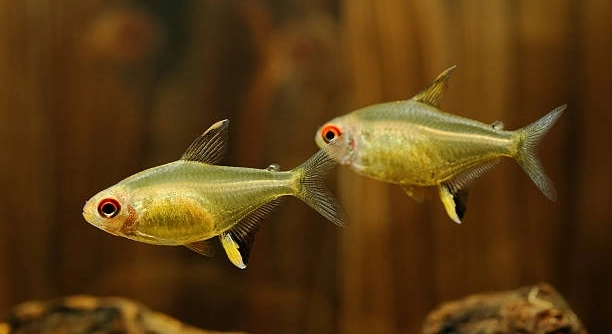
Keeping a Lemon Tetra tank healthy requires attention to their environment and behavior. Overcrowding can lead to stress, illness, and reduced lifespan, making it essential to recognize early warning signs before the situation worsens.
Early signs of Lemon Tetra overcrowding include increased aggression, frequent hiding, rapid breathing, reduced swimming space, constant competition for food, stunted growth, and water quality deterioration. Monitoring these indicators allows timely intervention to maintain a balanced and healthy aquarium environment.
Recognizing these signs early ensures your fish remain active, healthy, and vibrant in their shared aquatic space.
Understanding Overcrowding in Lemon Tetra Tanks
Overcrowding occurs when the number of Lemon Tetras exceeds the tank’s capacity. Fish require space to swim freely and maintain social hierarchies. When the tank becomes too full, competition for food and territory increases. Overcrowding can trigger stress, weakening their immune systems and making them more susceptible to disease. Water quality also suffers as waste builds up faster than filtration can handle. This can lead to ammonia spikes, cloudy water, and poor oxygen levels. Fish may exhibit unusual behavior, like darting or isolating themselves. Observing your tank daily helps catch problems early. Signs such as aggression, hiding, or lethargy are often linked to overcrowding rather than illness alone. Adjusting the number of fish, improving filtration, and maintaining consistent cleaning routines can alleviate these issues. Monitoring these factors ensures your Lemon Tetras remain healthy, active, and comfortable in their habitat.
Overcrowding affects both behavior and water quality, making tank management essential for maintaining a stable, stress-free environment.
Ensuring each Lemon Tetra has enough space improves swimming, feeding, and social interactions. Regular observation and timely adjustments keep their environment balanced. Overcrowding not only impacts fish health but also reduces the enjoyment of watching their natural behaviors. By addressing tank density early, you prevent long-term problems and maintain water clarity, oxygen levels, and overall fish vitality.
Behavioral Signs of Stress
Stress manifests through changes in swimming patterns and social interactions. Fish may hide, nip fins, or compete aggressively for limited resources.
Lemon Tetras under stress may swim rapidly along tank edges or isolate themselves from the group, indicating discomfort or fear.
Noticing these behaviors early allows intervention before illness develops. Overcrowding forces fish to compete for territory and food, creating tension within the group. They may lose color, appear lethargic, or avoid normal schooling behavior. Providing more space, reducing population, or adding hiding spots can help reduce stress. Maintaining stable water conditions is crucial, as sudden changes worsen tension. Healthy fish display smooth, coordinated swimming and interact calmly, so observing deviations from this pattern is key. Behavioral monitoring complements water testing and feeding observations, giving a full picture of tank health. Correcting overcrowding improves social dynamics, promotes even feeding, and encourages natural schooling, allowing Lemon Tetras to thrive while maintaining a visually pleasing and harmonious aquarium.
Physical Signs of Overcrowding
Fins may appear frayed, scales can lose their shine, and some fish may show stunted growth. Overcrowding often leads to visible stress indicators that are easy to spot during daily observation.
Stressed Lemon Tetras in crowded tanks often develop fin damage from constant chasing or nipping by other fish. Reduced space also limits growth, leaving some fish noticeably smaller than others. Their coloration may fade, and their bodies can appear thinner due to inconsistent feeding opportunities. These physical changes indicate that the tank environment is no longer supporting healthy development. Addressing overcrowding and providing adequate hiding spaces can restore normal behavior and appearance over time.
Physical deterioration also includes a weakened immune system. Fish become more prone to infections and parasites, which spread faster in crowded conditions. Monitoring for early signs allows intervention before illness becomes severe, preserving both the health of individual fish and the stability of the tank. Proper tank management, including limiting numbers and maintaining water quality, ensures Lemon Tetras maintain vitality and vibrant coloration.
Water Quality Concerns
Overcrowded tanks accumulate waste faster, affecting ammonia, nitrite, and nitrate levels. This creates a toxic environment for fish and disrupts natural tank balance.
High waste levels reduce oxygen and clarity, making the tank uncomfortable. Regular testing and partial water changes help maintain safe conditions.
Excess fish produce more waste than filtration can handle efficiently. Ammonia spikes can cause gill damage and respiratory stress, while elevated nitrites and nitrates reduce oxygen availability. Cloudy water often signals an imbalance in the biological filtration system. Consistent water testing, proper filtration, and scheduled water changes prevent toxins from building up. Adding plants or increasing surface agitation can improve oxygen exchange, which supports fish health. Maintaining water parameters within safe ranges ensures Lemon Tetras remain active, feed well, and display vibrant colors even in moderately stocked tanks.
Feeding Competition
Overcrowding increases competition for food. Some Lemon Tetras may eat quickly while others miss out, causing uneven nutrition and weight differences.
Unequal feeding can stress weaker fish and lead to stunted growth. Ensuring enough food reaches all fish helps maintain health and reduces aggression during mealtimes.
Aggressive Behavior
Crowded tanks often trigger fin-nipping and chasing. Lemon Tetras may fight over territory, leaving fish injured and stressed. Maintaining adequate space and providing hiding spots reduces conflict.
Lethargy and Hiding
Overcrowded fish may hide more and swim less, showing signs of fatigue or discomfort. Limited space makes normal schooling difficult and disrupts social balance.
Stunted Growth
Fish in dense tanks may stop growing at a normal rate. Limited space and competition for food directly impact development and overall health.
FAQ
How many Lemon Tetras should I keep in one tank?
The ideal number depends on tank size. A general guideline is one inch of fish per gallon of water. For a 20-gallon tank, around 10 to 12 Lemon Tetras is reasonable. This ensures each fish has space to swim and reduces stress caused by overcrowding.
What are the first signs my tank is overcrowded?
Look for increased aggression, frequent hiding, rapid or erratic swimming, and faded colors. Fish may also compete more during feeding, leaving weaker individuals with little to eat. Observing changes in behavior early allows adjustments before physical health is affected.
Can overcrowding affect water quality?
Yes. More fish produce more waste, which leads to higher ammonia, nitrite, and nitrate levels. This can make water toxic, lower oxygen levels, and encourage algae growth. Regular water testing and proper filtration are essential to prevent these problems.
How can I reduce aggression in a crowded tank?
Adding plants, decorations, or hiding spots helps create territories and reduces conflict. Feeding fish evenly and maintaining water quality also reduces stress, making aggression less frequent. If aggression continues, reducing the number of fish may be necessary.
Will overcrowding stunt my fish’s growth?
Yes. Limited space and competition for food can prevent Lemon Tetras from reaching their full size. Smaller fish may also become weaker and more susceptible to disease. Proper tank density and consistent feeding help ensure normal growth and health.
Is lethargy a sign of overcrowding?
It can be. Overcrowded tanks often cause fish to hide more and swim less. Limited space and stress from constant competition may lead to inactivity. Observing fish behavior daily can help identify lethargy linked to tank conditions rather than illness.
What should I do if my tank is already overcrowded?
The best approach is to reduce the number of fish gradually. Rehome extra fish or move them to another properly sized tank. Improving filtration, adding hiding spots, and increasing water changes also help relieve stress and maintain a healthier environment.
How often should I check water quality in a crowded tank?
Daily observation is helpful, but water testing should be done at least once a week. Ammonia, nitrite, and nitrate levels should be monitored closely, especially when adjusting fish numbers. Keeping water stable is critical for Lemon Tetra health.
Can adding decorations help with overcrowding?
Yes. Decorations and plants provide hiding spots and break up open swimming areas. This allows fish to establish small territories, reducing aggression and giving stressed fish safe places to retreat. Proper layout helps maintain social balance even in moderately stocked tanks.
How do I know if my Lemon Tetras are stressed from overcrowding?
Signs include faded coloration, frayed fins, frequent hiding, rapid breathing, aggression, and uneven feeding. Monitoring these behaviors alongside water quality gives a clear picture of tank health and helps determine if overcrowding is the issue.
Can overcrowding cause disease outbreaks?
Yes. Stress from limited space and poor water quality weakens the immune system. Diseases and parasites spread faster in crowded tanks, making early detection and intervention essential. Maintaining proper tank density and hygiene reduces the risk significantly.
Is it better to have fewer fish than too many?
Absolutely. Fewer fish in a properly sized tank are healthier and less stressed. They swim more naturally, display vibrant colors, and have better social interactions. Overcrowding sacrifices fish health for quantity and can lead to long-term problems.
How can I maintain a healthy tank if I have many fish?
Ensure the tank is large enough, provide strong filtration, and perform regular water changes. Add plants or hiding spots to reduce stress. Feed evenly and monitor fish behavior. If problems persist, reduce the population to maintain balance and health.
Are overcrowded tanks more work to maintain?
Yes. More fish produce more waste, requiring frequent cleaning and water testing. Filtration must be strong, and food distribution needs attention. Overcrowding increases stress on both the fish and the caretaker. Proper tank density simplifies maintenance and improves fish welfare.
Can adding aeration help in a crowded tank?
It can. Increased water movement improves oxygen levels, which reduces stress and supports overall health. Aeration alone does not solve overcrowding, but it helps maintain water quality and keeps fish active.
How long can Lemon Tetras survive in overcrowded conditions?
They may survive for months, but chronic stress weakens their immune system and shortens lifespan. Overcrowding leads to disease, aggression, and poor growth. Correcting tank density is essential for long-term health and wellbeing.
Should I quarantine new fish if my tank is crowded?
Yes. New fish introduce stress and potential disease. Quarantining allows monitoring before adding them to an already stressed population. This prevents further health issues and helps maintain stable water quality.
What are some quick fixes if overcrowding symptoms appear?
Immediate steps include partial water changes, adding hiding spots, and spreading food evenly. Long-term solutions involve reducing fish numbers and ensuring proper tank size. Quick fixes help temporarily, but population control is necessary for lasting health.
How can I prevent overcrowding in the future?
Plan tank size and fish numbers carefully. Avoid impulsive purchases, consider adult fish size, and account for tank decorations. Regular monitoring ensures the environment remains suitable as fish grow and social dynamics evolve.
Can overcrowding affect breeding?
Yes. Stress reduces spawning behavior and can lead to lower egg viability. Overcrowded tanks also make it harder for fry to survive due to limited space and competition for food. Providing a separate breeding tank is often necessary.
What long-term effects does overcrowding have on Lemon Tetras?
Chronic stress, poor growth, faded coloration, weakened immunity, and shortened lifespan are common. Overcrowding disrupts natural behavior and social structures, leading to ongoing health challenges even after reducing numbers. Prevention is far more effective than correcting problems later.
Final Thoughts
Maintaining a healthy Lemon Tetra tank requires careful attention to fish numbers and tank conditions. Overcrowding is a common problem that can easily go unnoticed until fish begin showing signs of stress or illness. Fish need space to swim, hide, and interact naturally. When there are too many in one tank, competition for food and territory increases, leading to behavioral changes and physical stress. Observing daily activity and social behavior is the simplest way to monitor whether your tank is becoming too crowded. Early recognition of signs such as aggression, hiding, lethargy, or uneven feeding can prevent more serious health problems. Small adjustments like increasing hiding spots, improving water flow, and regularly testing water quality can help, but the most effective solution is managing the tank population carefully from the start. Overcrowding does more than just affect individual fish; it impacts the overall balance of the tank. Waste builds up faster, oxygen levels drop, and water clarity declines. Proper filtration, frequent water changes, and maintaining a clean environment are essential when the tank is heavily stocked, but even the best filtration cannot fully compensate for limited space. Providing a well-structured environment supports natural schooling behavior and reduces stress, helping your Lemon Tetras remain active and vibrant.
Physical signs of overcrowding are often the most noticeable indicators that adjustments are needed. Frayed fins, faded coloration, and stunted growth are all common in crowded tanks. These issues not only affect appearance but also indicate underlying stress and potential health risks. Fish under stress have weaker immune systems, making them more susceptible to disease and parasites. Monitoring feeding behavior is equally important, as competition can leave some fish undernourished while others overeat. Maintaining a proper feeding schedule and ensuring that food is evenly distributed helps reduce stress and promotes even growth. Adding plants, decorations, and hiding spaces allows fish to establish territories and retreat when needed. These adjustments improve social balance and reduce conflicts, even if the tank remains at the upper limit of its recommended capacity. Observing changes over time and responding promptly ensures the tank environment remains stable, preventing minor issues from escalating into serious problems that affect the entire group of fish.
Ultimately, preventing overcrowding is the most effective way to maintain a healthy Lemon Tetra tank. Careful planning of tank size, fish numbers, and decoration layout ensures each fish has enough space to swim and interact safely. Regular maintenance, including water testing and partial water changes, supports water quality and overall health. Paying attention to behavior, physical condition, and social interactions provides valuable insight into whether adjustments are needed. Overcrowding is not just a minor inconvenience; it has lasting effects on fish growth, immune function, and lifespan. By taking proactive measures, you create a balanced, comfortable environment where Lemon Tetras can thrive. Proper management allows them to display natural behaviors, maintain bright colors, and live longer, healthier lives. A well-maintained tank reflects your care and attention, benefiting both the fish and the enjoyment of observing them. Prioritizing space, water quality, and behavioral health ensures a harmonious and sustainable environment for all your Lemon Tetras.

Hello,
If you enjoy the content that we create, please consider saying a "Thank You!" by leaving a tip.
Every little bit helps us continue crafting quality advice that supports the health, happiness, and well-being of pets around the world, for pets of all shapes, sizes, and species.
We really appreciate the kindness and support that you show us!