
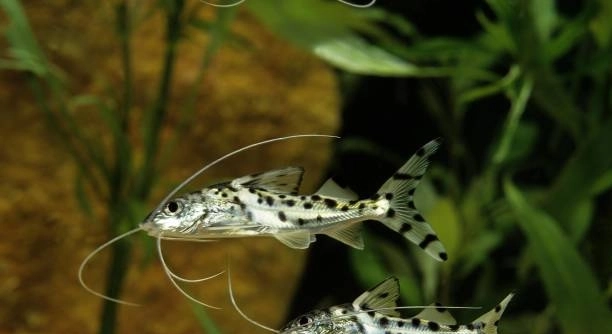
Many fish owners enjoy keeping Pictus cats for their unique look and peaceful nature. These fish can be sensitive to tank mates that cause stress or aggression. Choosing compatible companions helps maintain a calm aquarium environment.
Safe tank mates for Pictus cats include small, non-aggressive species like Corydoras, Otocinclus, and peaceful tetras. These fish share similar water needs and behaviors, reducing the risk of stress and promoting harmony within the tank.
Learning which fish coexist well with Pictus can improve your tank’s balance and keep your aquatic pets healthy and happy. This guide will help you find the right companions.
Corydoras Catfish
Corydoras catfish are excellent tank mates for Pictus due to their peaceful nature and bottom-dwelling habits. They help keep the tank clean by scavenging leftover food without disturbing other fish. Corydoras are social fish that prefer to be kept in groups of at least six. Their small size and calm behavior make them unlikely to compete for territory or food with Pictus cats. Additionally, they thrive in similar water conditions, which reduces stress for both species. Maintaining good water quality is essential to keep both species healthy, as Corydoras are sensitive to poor conditions. Providing plenty of hiding spots and soft substrate helps Corydoras feel secure, contributing to a stress-free environment for all fish. Their gentle temperament and peaceful swimming patterns make them a stable presence in a community tank.
Corydoras catfish are active yet peaceful, making them a reliable companion that won’t cause stress to Pictus cats.
By adding Corydoras, you can promote a balanced tank dynamic where cleaning and peaceful coexistence are priorities. Their presence reduces leftover food, helping maintain water quality and health. They won’t bother Pictus or compete aggressively, which keeps tensions low. Watching them interact calmly adds a soothing element to the aquarium. Ensuring they have enough space and hiding areas will help maintain harmony. Corydoras’ bottom-dwelling habits complement Pictus’s mid-level swimming, minimizing territorial overlap. This makes Corydoras an excellent choice for anyone seeking a peaceful community tank. Their care needs align closely with Pictus, simplifying maintenance and reducing risks of disease or stress caused by incompatible species. Overall, Corydoras bring value to the tank without disrupting the balance.
Otocinclus Catfish
Otocinclus catfish are small, peaceful algae eaters ideal for tanks with Pictus cats. They spend most of their time grazing on algae, which helps keep the tank clean naturally.
These fish have gentle temperaments and prefer to live in groups, which makes them safe companions. They avoid conflict and stay out of the way of more active fish like Pictus cats. Otocinclus require stable water parameters and good oxygenation, so regular water changes are important. They do best in tanks with plenty of plants and smooth surfaces where algae grow. Providing such an environment ensures they thrive without disturbing other fish. Their small size and non-aggressive behavior reduce the chance of stress or injury. Including Otocinclus in your tank adds natural algae control and promotes a peaceful atmosphere. With compatible water conditions and proper care, Otocinclus make a low-maintenance and beneficial addition to a Pictus community tank.
Peaceful Tetras
Peaceful tetras are small, active fish that share similar water preferences with Pictus cats. Their calm nature prevents aggression, making them a suitable choice for a community tank. They thrive best when kept in schools of six or more.
Tetras add color and movement to the aquarium without causing stress. Their schooling behavior keeps them safe and relaxed, which reduces any potential disturbance to Pictus cats. They swim mostly in the middle and upper water layers, avoiding direct competition for space. Peaceful tetras prefer slightly acidic to neutral water, aligning well with Pictus needs. Feeding them a varied diet helps maintain their vibrant colors and energy. Their small size and non-aggressive temperament make them a harmonious addition that enhances the tank’s visual appeal while keeping a balanced social environment.
Maintaining stable water parameters is key to keeping tetras healthy alongside Pictus cats. Overcrowding should be avoided to reduce stress for all fish. Tetras’ peaceful schooling behavior creates a lively yet calm aquarium atmosphere, supporting the well-being of all tank inhabitants. Their presence adds natural diversity without increasing risk of conflict.
Snails as Tank Mates
Snails are excellent tank mates that do not stress Pictus cats. They help clean algae and leftover food while staying out of the way.
Snails contribute to the tank’s cleanliness by consuming excess algae and detritus, helping maintain better water quality. They are slow-moving and pose no threat or competition to Pictus cats, which prefer faster movements. Popular choices include Nerite and Mystery snails, both known for their peaceful nature. Their shells offer protection, reducing any chance of harassment from other fish. Snails also add a unique element to the aquarium’s ecosystem by recycling waste materials. Proper calcium levels in the water are necessary to keep their shells healthy. Including snails supports a cleaner, calmer tank environment, benefitting both the Pictus and other fish species.
Ensuring snails have enough food and clean water will keep them active and healthy. Their slow pace and peaceful habits make them ideal companions in a Pictus tank. The combination of algae control and calm behavior enhances the aquarium’s balance. Snails provide natural tank maintenance without adding stress or conflict, creating a more harmonious setting. Their presence can be both functional and interesting, making them a practical choice for many aquarists.
Guppies
Guppies are small, colorful fish that get along well with Pictus cats. Their peaceful nature and quick movements help avoid any conflict in the tank. They adapt easily to similar water conditions.
Their social and calm behavior makes them a good choice as tank mates. Guppies thrive in community settings without causing stress or aggression, complementing Pictus cats well.
Danios
Danios are hardy, active fish that add energy to the tank without disturbing Pictus cats. They prefer to swim in groups and stay mostly in the upper water levels. Their peaceful temperament helps maintain a calm environment.
Cherry Shrimp
Cherry shrimp are tiny, peaceful cleaners that coexist nicely with Pictus cats. They help control algae and detritus while avoiding conflict. Their small size and shy behavior make them unlikely to stress larger fish.
What tank conditions do Pictus cats prefer?
Pictus cats thrive in tanks with temperatures between 72°F and 79°F (22°C–26°C). They prefer slightly acidic to neutral pH levels, around 6.5 to 7.5. Clean, well-oxygenated water with gentle currents suits them best. Keeping the tank well-filtered and stable helps reduce stress and illness. Adding hiding spots like caves or plants makes them feel secure.
Can Pictus cats live with aggressive fish?
No, Pictus cats do not do well with aggressive tank mates. Their peaceful and shy nature makes them vulnerable to bullying. Aggressive fish may stress them out, leading to illness or injury. Choosing calm, non-territorial companions is important to maintain harmony and ensure the well-being of your Pictus cats.
How many tank mates can I keep with my Pictus cat?
The number of tank mates depends on your tank size. Generally, a 30-gallon or larger tank can comfortably house a small group of Pictus cats and several peaceful companions. Avoid overcrowding, as this can increase stress and water quality problems. Make sure there is enough space for all fish to swim and hide.
Are there any fish to avoid with Pictus cats?
Yes, avoid large or aggressive fish like cichlids, bettas, or any territorial species. Also, avoid very small fish that could be seen as prey. Pictus cats have a peaceful temperament and need similarly calm species to prevent conflicts and stress.
How often should I feed tank mates with Pictus cats?
Feed your tank mates twice daily with small portions to avoid leftover food buildup. Use sinking pellets for bottom dwellers like Corydoras and flakes or frozen food for mid-water swimmers. Uneaten food should be removed to keep the tank clean and reduce ammonia spikes.
Do Pictus cats eat snails or shrimp?
Pictus cats generally do not prey on adult snails or larger shrimp like Cherry shrimp. However, very small shrimp or baby snails might be at risk. Providing plenty of hiding spaces and a varied diet helps reduce any hunting behavior.
How do I introduce new tank mates to my Pictus cat?
Introduce new fish slowly by quarantining them for at least two weeks before adding to the main tank. Acclimate the new fish gradually to the water temperature and chemistry. Adding new tank mates in the evening can reduce stress. Monitor interactions closely during the first days.
What signs show my Pictus cat is stressed by tank mates?
Signs of stress include hiding excessively, loss of appetite, erratic swimming, or physical injuries. Watch for bullying or chasing from other fish. If you notice any of these signs, consider separating aggressive tank mates or providing more hiding places.
Can Pictus cats live in a planted tank?
Yes, Pictus cats do well in planted tanks. Plants provide hiding spots and improve water quality. Choose sturdy plants, as Pictus cats may occasionally disturb soft leaves. A planted tank also mimics their natural environment, helping them feel more comfortable.
What is the best diet for Pictus cats and their tank mates?
Pictus cats eat sinking pellets, live or frozen foods like bloodworms and brine shrimp. Tank mates such as tetras and guppies benefit from flakes and small live foods. Providing a varied diet keeps all fish healthy and vibrant. Avoid overfeeding to maintain water quality.
How do I maintain water quality with multiple tank mates?
Regular water changes, proper filtration, and not overcrowding the tank are key. Test water parameters weekly to keep ammonia, nitrites, and nitrates in safe ranges. Removing uneaten food and waste reduces toxins. Good maintenance prevents stress and disease among all fish.
Are Pictus cats schooling fish?
Pictus cats are social and prefer to live in small groups of three to six. Keeping them in groups reduces stress and encourages natural behavior. They rely on companions for security but do not form tight schools like some other species.
What size tank is ideal for Pictus cats and their tank mates?
A tank of at least 30 gallons is recommended for a small group of Pictus cats and their companions. Larger tanks provide more space to reduce territorial disputes and allow for varied swimming levels. Adequate space promotes healthier, less stressed fish.
How do I prevent aggression among tank mates?
Choose peaceful species with similar sizes and temperaments. Provide hiding places and plants to break lines of sight. Avoid overcrowding to reduce competition for resources. Introducing new fish gradually and monitoring behavior helps keep aggression low.
Can Pictus cats live with goldfish?
Pictus cats and goldfish have different temperature and water quality needs. Goldfish prefer cooler water and produce more waste, which can stress Pictus cats. It’s best to avoid mixing these species to prevent health problems.
What lighting is best for a tank with Pictus cats?
Moderate lighting works well. Bright lights can stress Pictus cats, so providing shaded areas or floating plants helps them feel safe. A natural day-night cycle supports healthy behavior and reduces stress.
Choosing the right tank mates for your Pictus cat is important for creating a peaceful and healthy aquarium. These fish are calm and prefer to live with species that won’t cause stress or aggression. Picking peaceful companions that share similar water requirements helps keep the tank environment stable. When the tank community is balanced, all the fish can live comfortably and display natural behaviors. This leads to a more enjoyable experience for both the fish and the owner.
It is also important to pay attention to tank size and water quality when housing Pictus cats with other fish. Overcrowding or poor water conditions can quickly cause stress and illness. Providing enough space for each fish to swim and hide helps reduce territorial conflicts. Regular water changes and proper filtration maintain a clean environment, which supports good health. Additionally, choosing tank mates that occupy different areas of the tank, such as bottom dwellers and mid-level swimmers, prevents competition and helps everyone coexist peacefully.
Lastly, patience and observation are key when introducing new tank mates. Even peaceful species can sometimes react unexpectedly. Watching how your Pictus cats interact with other fish allows you to adjust the tank setup or separate any aggressive individuals early on. Maintaining a calm, clean tank and choosing compatible species will help your Pictus cats thrive. A thoughtful approach to tank mates ensures your aquarium remains a stress-free home where all your fish can live happily together.

Hello,
If you enjoy the content that we create, please consider saying a "Thank You!" by leaving a tip.
Every little bit helps us continue crafting quality advice that supports the health, happiness, and well-being of pets around the world, for pets of all shapes, sizes, and species.
We really appreciate the kindness and support that you show us!