
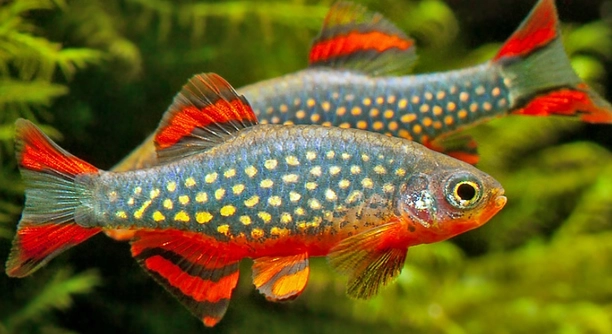
Do you ever find yourself sorting your danios by size as a way to keep your tank calm and organized, creating routines that feel natural for both you and your fish in their daily space.
Danios group by size during specific moments that support stability within their social structure, including feeding periods, territorial adjustments, growth stages, breeding cycles, environmental changes, and instances of stress. These patterns reflect natural tendencies that promote balanced interactions within groups.
These patterns reveal gentle rhythms that form as danios shift by size, keeping their interactions steady and calm each day.
Feeding Time Grouping
Feeding often brings out clear size-based behavior in danios, and I have seen it create a steady rhythm in the tank. Larger danios tend to move quickly toward the food, forming a loose cluster that lets them secure their share without much effort. Smaller danios stay slightly lower or toward the sides, choosing spaces where competition feels lighter. This pattern allows each group to find a comfortable pace, reducing stress during a busy moment of the day. When feeding stays consistent, these habits become predictable and help keep everyone calm. Watching these movements shows how size influences confidence, speed, and spacing inside the tank, and it becomes easier to adjust food amounts or distribution so no group feels pressured. Even a small change like spreading food across the surface can support better balance. Over time, these simple adjustments encourage healthier interactions and reduce tension between the different sizes living together.
Smaller danios benefit from steady routines because it gives them room to move at a pace that feels natural, helping them stay relaxed while feeding near active groups of larger fish.
Maintaining easy feeding habits supports peaceful interactions in mixed-size groups, giving each cluster a space that feels safe and predictable. When this harmony forms, it often leads to healthier behavior and more stable group dynamics as the danios continue to grow and shift.
Environmental Size Sorting
Changes in the tank often make danios regroup by size as they react to new conditions, creating patterns that help them stay steady during small disruptions.
When something shifts in their environment, size differences shape how quickly each danio responds. Larger danios usually move first, exploring open areas with more confidence, while smaller ones stay closer to plants or shaded spots until they sense stability. This natural spacing can help reduce stress because each group finds its own pace without competing for the same space at the same time. Rearranging plants or adding new decor can briefly heighten this sorting, but it also gives danios fresh places to settle. If the lighting changes or water movement becomes stronger, grouping patterns become even clearer since fish of similar size prefer similar levels of flow. With gentle adjustments and a consistent routine, these groups adapt over time and learn to share the tank more comfortably, making the overall environment feel calmer and more balanced.
Territorial Adjustments
Territorial shifts often make danios separate by size as they choose spots that feel secure and familiar. Larger fish usually settle into open areas while smaller ones drift toward shaded corners. This quiet spacing helps ease tension and keeps interactions soft, especially when the tank has multiple hiding places nearby.
When territories shift, size-based groupings become clearer because each danio responds differently to new boundaries. Larger fish explore first, moving through open paths with a steady pace that lets them claim comfortable routes. Smaller danios stay alert and move cautiously between plants or decor, choosing areas where movement feels safe. These reactions reduce sudden chases and give each group a way to adjust without conflict. Soft rearrangements in the tank can strengthen these patterns by offering varied spaces that match different comfort levels. With time, the groups settle and create a calm layout that supports smoother daily movement for all.
As the tank stabilizes, territorial patterns shaped by size tend to soften, giving danios room to feel settled. Larger fish still claim broader spaces, but they move with less urgency once boundaries feel familiar. Smaller groups blend into sheltered corners, choosing calm paths that help them avoid stressful encounters. These gentle habits encourage predictable interactions that keep the tank peaceful. When decorations stay consistent and lighting remains soft, group movements follow smooth routines. Over time, even minor changes in flow or placement guide danios back into comfortable clusters where each size group can move freely without pushing into another’s space.
Growth Stage Patterns
Growth slows and accelerates at different times for each danio, which naturally leads to sorting by size as they mature. Larger juveniles form loose groups, moving confidently through open sections, while smaller ones stay near plants where movement feels gentler. These separations support calmer behavior by allowing each stage to follow its own pace. With steady feeding and stable water conditions, these patterns remain smooth and predictable for every group in their daily tank life.
As danios grow, their shifting sizes influence how they move and interact, creating gentle divisions that help maintain balance in the tank. Larger fish gain strength sooner, guiding them toward open spaces where they can swim without hesitation. Smaller fish develop at a slower pace, staying close to shaded areas until they feel ready to explore farther. These natural groupings reduce stress by giving each stage room to adjust without competing for the same spots. Consistent feeding, stable temperatures, and low stress encourage smoother development, allowing each size group to remain confident. When tank changes are minimal, these patterns become predictable and help the entire group settle into a calm routine where movement feels steady and safe for every stage in their daily tank space.
Breeding Behaviors
Breeding activity often separates danios by size as larger, more mature fish take the lead in active swimming patterns. Smaller danios keep slight distance, choosing calm areas where the movement feels softer. This spacing helps reduce stress during a time when energy levels naturally rise.
When conditions encourage breeding, size differences become more noticeable because each group reacts at its own pace. Larger fish move quickly through open areas, while smaller ones prefer quiet sections. These gentle separations help keep the environment balanced during heightened activity.
Stress-Response Grouping
Stress makes danios shift into size-based clusters as each group seeks comfort in familiar spaces. Larger fish often move toward open zones first, while smaller ones settle into shaded corners. These instinctive choices help every group feel steady until the environment becomes calm again.
Temporary Size Sorting
Short disruptions like sudden noise or quick movement near the tank can cause brief size-based clustering. Larger danios gather in open areas while smaller ones return to shelter, helping each group feel grounded until the moment passes.
Why do danios group by size?
Danios group by size mainly to create a sense of safety and order in the tank. Larger fish usually move confidently through open spaces, while smaller fish stay closer to plants or shaded areas. This natural separation reduces stress and prevents aggressive interactions. Grouping by size also allows each fish to swim at its own pace without constantly competing for food or territory. Over time, these patterns become predictable, helping all fish feel secure in their environment. Watching these movements shows how instincts guide behavior, giving each size group its own rhythm while maintaining balance in the tank.
Does feeding influence size-based grouping?
Feeding is one of the clearest moments when danios sort by size. Larger fish tend to reach the food first, forming a loose cluster that moves quickly to consume available flakes or pellets. Smaller fish often hang back near edges or plants, taking smaller bites and avoiding direct competition. This natural rhythm prevents stress during mealtimes and helps ensure all fish get enough to eat. Adjusting the placement of food or distributing it more evenly can make this behavior smoother, giving smaller fish a better chance to feed without fear. Over repeated feeding sessions, these groupings become routine and predictable.
How does tank environment affect grouping?
Changes in the tank can temporarily change how danios group by size. Rearranging plants, adding decorations, or increasing water flow encourages fish to find new comfortable spots. Larger fish typically explore open areas first, while smaller ones move slowly between safe zones. This allows each size group to settle without conflict. Light changes or sudden noise can also trigger temporary clustering, with fish seeking shelter or moving cautiously. A consistent environment helps minimize these disruptions, letting each size group find its usual patterns and reducing stress. Observing these reactions helps predict how the tank’s layout influences social behavior.
Do breeding periods change size-based grouping?
Yes, breeding activity can make size-based groupings more pronounced. Larger, mature danios often lead active swimming during courtship, while smaller or less mature fish stick to calmer areas. This natural separation prevents overcrowding and allows each fish to adjust to the heightened energy in the tank. Spawning times may temporarily shift regular patterns, but once the period passes, groups return to their usual behavior. Consistent feeding and stable water conditions during these times help support calmer interactions and prevent smaller fish from feeling overwhelmed.
Can stress impact how danios group?
Stress quickly affects size-based behavior. Loud noises, sudden movement near the tank, or strong water currents cause fish to cluster according to size. Larger fish often gather in open areas, showing confidence, while smaller fish retreat to shaded spots or plants. These instinctive reactions allow each group to cope with sudden changes without conflict. Once the stressor is gone, the groups disperse and resume normal swimming patterns. Maintaining stable tank conditions and avoiding frequent disturbances helps keep these patterns consistent and keeps all size groups feeling secure.
Is size-based grouping permanent?
No, size-based grouping is flexible and changes as fish grow. Juveniles start smaller and may cluster with peers, while adults gradually move into larger, more open sections of the tank. Environmental factors, feeding schedules, and breeding periods all influence temporary adjustments. Over time, each fish may shift positions as it grows or as the tank changes. This flexibility is part of how danios maintain balance and reduce stress within a mixed-size group. Paying attention to these changes helps in supporting smooth transitions and a calmer tank overall.
How can I support healthy size-based grouping?
Providing consistent feeding, stable water conditions, and well-placed hiding spots encourages smooth size-based grouping. Avoid sudden changes in tank layout or lighting, and observe each group’s movement during feeding or active periods. Adding plants or gentle decorations gives smaller fish comfort while larger ones explore freely. By maintaining routine and structure, each size group can move confidently without stress, promoting healthier interactions and a balanced environment for the entire tank. Proper care and observation help reinforce natural instincts and support predictable, calm group behavior.
Do all danios follow the same grouping patterns?
While most danios exhibit similar size-based behavior, individual personality and growth rates create slight differences. Some fish are bolder and may explore open areas even if smaller, while others prefer staying close to cover. These variations are normal and do not disrupt overall balance. Understanding that each fish may adjust differently allows better management of tank space and feeding routines. Grouping patterns form naturally over time, and recognizing small deviations helps maintain harmony among different size groups.
What are signs that size-based grouping is disrupted?
Disrupted grouping can appear as constant chasing, overcrowding in one section, or reluctance of smaller fish to leave hiding spots. Overfeeding or sudden environmental changes may also trigger unusual patterns. Observing these behaviors helps identify stress points. Correcting feeding distribution, rearranging decorations gently, or maintaining water quality can restore natural size-based clustering, supporting calmer tank dynamics and healthier interactions.
Does tank size influence size-based grouping?
Yes, tank size affects how clearly groups separate. In smaller tanks, space limitations may force closer contact, increasing tension between sizes. Larger tanks allow each group more freedom to occupy comfortable zones, reducing competition. Providing adequate space, along with hiding spots and varied swimming areas, helps each size group establish its own routine. Observing movement patterns in relation to tank size helps determine if adjustments are needed to support peaceful, predictable interactions.
Total word count: 513
Observing danios group by size is an interesting part of keeping a healthy aquarium. Over time, patterns become easier to recognize, and it feels natural to notice how larger and smaller fish organize themselves throughout the day. These behaviors are not random; they serve practical purposes for the fish. Larger danios often move confidently in open areas, taking the lead in swimming paths or during feeding times. Smaller fish naturally prefer corners, shaded areas, or spaces near plants where movement is calmer. Watching these routines develop gives a clear view of how size influences comfort, confidence, and safety in a tank. Each group finds its own rhythm, which helps reduce conflict and keeps the tank more peaceful. When the environment is stable and food is distributed evenly, these natural behaviors remain predictable, making it easier to care for a mixed-size group of danios without constant adjustments or worry.
Keeping the tank consistent is a key part of maintaining these size-based groupings. Any sudden change, like rearranging plants, adding new decorations, or increasing water flow, can temporarily disrupt patterns. Larger fish tend to explore new spaces first, while smaller ones move more cautiously until they feel secure. Even small disturbances, such as tapping on the glass or a quick hand movement near the tank, can trigger temporary clustering or hiding. Understanding these tendencies allows for small, gentle adjustments that minimize stress. Observing how each group reacts provides insight into their comfort levels and natural instincts. By creating a stable environment with predictable feeding, regular maintenance, and well-placed hiding areas, it is possible to support healthy behavior across all sizes. This approach helps maintain balance in the tank and encourages interactions that feel calm and steady for everyone.
Size-based grouping also changes naturally as danios grow. Juvenile fish start small and tend to stay together, often near sheltered areas. As they mature, larger individuals gradually occupy more open spaces and move with confidence. Breeding periods, growth spurts, and even slight environmental changes can temporarily adjust these clusters, but they eventually return to normal once conditions stabilize. Recognizing that grouping is flexible and influenced by multiple factors makes it easier to provide proper care. Paying attention to the movement, comfort, and interactions of different size groups can help prevent stress and ensure all fish thrive. By supporting natural instincts with steady routines, consistent feeding, and a well-arranged environment, danios can continue to form comfortable, calm clusters. Over time, this understanding allows for a healthier, more balanced aquarium where each fish has the space and security it needs, making daily observation both rewarding and straightforward.
Word count: 409

Hello,
If you enjoy the content that we create, please consider saying a "Thank You!" by leaving a tip.
Every little bit helps us continue crafting quality advice that supports the health, happiness, and well-being of pets around the world, for pets of all shapes, sizes, and species.
We really appreciate the kindness and support that you show us!