
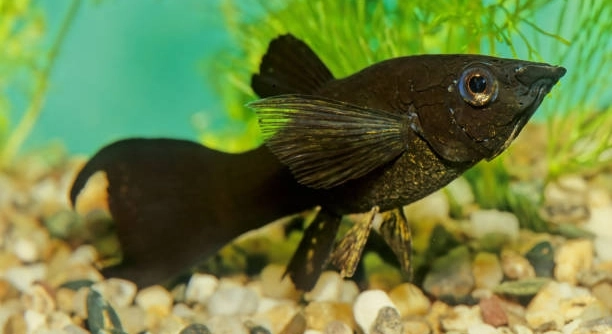
Are your black mollies showing signs of injury in your aquarium? Observing these small fish swim awkwardly or hide more often can be worrying. Understanding the common causes of their injuries can help you care for them better.
Black molly injuries often result from poor water quality, overcrowding, aggressive tank mates, improper diet, sharp decorations, sudden temperature changes, and physical trauma during handling. Addressing these factors is essential to maintain the fish’s health and prevent further harm.
Recognizing these issues early ensures your black mollies remain healthy and active, allowing you to create a safer and more comfortable environment for them.
Poor Water Quality
Black mollies are very sensitive to their tank environment. When ammonia, nitrite, or nitrate levels rise, it can damage their fins and skin. Dirty water also weakens their immune system, making them more prone to infections and stress. Regular water changes and testing help maintain safe levels. Avoid overfeeding, as leftover food decomposes and pollutes the water. Using a good filtration system is essential, especially in crowded tanks. Even small changes in water chemistry can cause visible injuries like torn fins or red streaks. Maintaining stable pH and temperature helps the fish recover faster. Introducing new fish without proper quarantine can also introduce harmful bacteria or parasites. Monitoring water parameters weekly gives you control over the environment. Consistency is key for healthy black mollies. Clean gravel and decorations prevent bacterial buildup. Observing fish behavior daily can reveal early signs of stress before injuries develop. Proper care prevents long-term health issues and keeps the fish active.
Maintaining clean water reduces injuries and supports strong, healthy black mollies. Consistency in care is critical for their well-being.
Routine water checks, regular cleaning, and monitoring fish behavior create a safe habitat. Small adjustments prevent serious injuries and promote longer life.
Aggressive Tank Mates
Aggressive fish can harass black mollies, leading to fin nipping, bruises, or other injuries. Even minor fights can leave lasting marks or create stress that slows healing. Choosing compatible species is crucial. Avoid housing them with large, territorial, or fast-moving fish that may dominate the tank. Mollies thrive with peaceful community fish like tetras or guppies. Providing plenty of hiding spots, plants, and decorations reduces confrontations. Territorial boundaries help black mollies feel secure and lower injury risk. Observe interactions after introducing new fish to spot early aggression. Splitting aggressive individuals into separate tanks prevents repeated injuries. Overcrowding increases conflict, so keep the tank population moderate. Feed fish separately if needed to avoid food-related fights. Injuries from aggression often worsen without intervention, leading to infections. Proper tank planning ensures all species coexist safely. Consistent observation allows timely action to protect vulnerable fish.
Ensuring compatible tank mates creates a calmer, safer environment for black mollies. Proper planning reduces risk and stress.
Careful selection, monitoring, and tank adjustments prevent injuries. Peaceful cohabitation keeps fish healthy and active, preserving their natural behavior.
Improper Diet
A poor diet can weaken black mollies, making them prone to injuries and infections. Lack of essential nutrients slows healing, affects coloration, and reduces energy levels. Feeding a balanced mix of flakes, pellets, and occasional live or frozen foods is important for their overall health.
Black mollies need a diet rich in protein, vitamins, and minerals to stay strong. Feeding only one type of food can cause deficiencies, weakening their fins and scales. Overfeeding leads to poor water quality, which can indirectly harm them. Providing variety ensures they receive all necessary nutrients for growth and injury recovery. Vegetables like spinach or zucchini can supplement their diet. Small, frequent meals prevent digestive stress and help maintain stable water conditions. Monitoring their eating habits can indicate health issues early. Nutrient-rich food supports immune function, helping black mollies resist infections after minor injuries.
Consistency in feeding schedules is important. Balanced nutrition strengthens black mollies, improves healing, and keeps them active and vibrant in the aquarium.
Sharp Decorations
Sharp or rough decorations can tear fins and skin, causing painful injuries. Avoid jagged rocks, broken ornaments, or edges that fish can get caught on. Smooth surfaces prevent unnecessary cuts and reduce infection risk.
Black mollies are curious and often swim through plants and decorations. Objects with sharp edges can easily scratch or cut them, leading to fin rot or bacterial infections. Choosing smooth stones, rounded ornaments, and soft plants helps create a safer environment. Plastic or silk plants are safer alternatives to stiff or spiky ones. Arranging decorations to provide hiding spots without narrow gaps reduces injury risk. Regularly inspecting the tank for damaged decorations or sharp surfaces is important. Minor injuries can worsen in contaminated water, so prompt attention is necessary. Safe decor supports natural swimming behavior and reduces stress.
Regular inspection and careful decoration choices maintain a secure habitat. Proper setup protects black mollies and prevents avoidable injuries while encouraging natural activity.
Sudden Temperature Changes
Sudden shifts in water temperature can shock black mollies, leading to stress and injuries. Maintaining a stable temperature is crucial. Use a reliable heater and thermometer to monitor the tank consistently. Avoid placing the aquarium near drafts or direct sunlight.
Stress from temperature fluctuations weakens their immune system, making minor scratches and fin tears more serious. Gradually adjust water temperature when needed to prevent shock. Consistent temperature supports proper metabolism, swimming activity, and recovery from injuries.
Overcrowding
Overcrowding increases stress, aggression, and competition for food. Too many fish in one tank leads to more frequent injuries and slower healing.
Black mollies need space to swim and establish territories. Overcrowded conditions lead to chasing, nipping, and collisions, which can cause torn fins and bruises. Proper stocking levels reduce conflict and create a healthier environment for all tank inhabitants.
Physical Trauma
Accidental bumps or rough handling can injure black mollies. Handle with care and avoid netting stress unnecessarily.
Poor Filtration
Inadequate filtration allows waste buildup, causing infections and skin irritation in black mollies. Clean and maintain filters regularly to ensure a healthy environment.
FAQ
How can I tell if my black molly is injured?
Injuries often appear as torn or frayed fins, red streaks, bruises, or unusual swimming patterns. You may also notice the fish hiding more or being less active. Monitoring behavior daily helps spot issues early before they worsen.
What should I do immediately if I notice an injury?
First, isolate the injured fish in a clean, separate tank if possible to prevent further stress or aggression from tank mates. Perform a partial water change and ensure the water parameters are optimal. Avoid unnecessary handling, and observe for signs of infection.
Can diet help injured black mollies recover faster?
Yes, a nutrient-rich diet supports healing. Provide high-quality flakes or pellets along with occasional live or frozen foods. Supplementing with vegetables like zucchini or spinach helps maintain overall health. Small, frequent meals prevent digestive stress and aid recovery.
Are certain decorations safer for black mollies?
Smooth, rounded decorations are best. Avoid sharp or jagged rocks, broken ornaments, and rough plastic pieces that can tear fins or skin. Silk or soft plastic plants are safer than stiff or spiky varieties. Always inspect decorations regularly.
How often should I check water parameters to prevent injuries?
Weekly testing of ammonia, nitrite, nitrate, pH, and temperature is ideal. Sudden changes can stress black mollies, weakening their fins and immune system. Regular maintenance, including partial water changes and filter cleaning, helps maintain a safe environment.
Can tank mates cause injuries even if they seem peaceful?
Yes, even calm fish can occasionally nip or stress black mollies if the tank is overcrowded or poorly arranged. Provide enough space, hiding spots, and separate feeding areas to reduce accidental injuries. Observe interactions carefully, especially after adding new fish.
Is it normal for black mollies to get minor injuries occasionally?
Minor scratches can happen from swimming around decorations or brief encounters with other fish. While small injuries often heal on their own, repeated or severe injuries indicate a larger environmental or care problem. Prompt action prevents infections.
How can I prevent injuries from temperature changes?
Maintain stable water temperature using a reliable heater and thermometer. Avoid placing the aquarium near windows, air vents, or areas with sudden drafts. Gradually adjust temperature when necessary to reduce stress and prevent shock.
When should I consult a veterinarian?
If injuries worsen, fins are severely damaged, or signs of infection appear, consult a veterinarian experienced with fish. Persistent lethargy, loss of appetite, or unusual swimming behavior also indicates professional attention may be needed.
Can black mollies recover from fin rot or skin infections?
Yes, with proper care, clean water, and sometimes medication, most black mollies recover from fin rot or skin infections. Early detection and intervention are key. Maintaining stable tank conditions and a balanced diet helps prevent recurring problems.
How does overcrowding contribute to injuries?
Too many fish increase stress, territorial disputes, and accidental collisions. Crowded tanks lead to chasing, nipping, and reduced access to food, all of which can cause physical harm. Keeping a moderate population supports healthier interactions and reduces injuries.
Are injuries more common in newly introduced black mollies?
Yes, new fish may be stressed, less agile, or unfamiliar with their environment. Stress can make them more prone to accidents or aggression from established tank mates. Quarantine new fish and acclimate them gradually to the main tank.
Can I treat minor injuries at home?
Minor scratches or fin tears often heal in clean water with stable conditions. Avoid medicating unless necessary, but ensure good water quality, proper nutrition, and minimal stress. Monitoring recovery closely ensures small injuries do not escalate into infections.
What role does water filtration play in preventing injuries?
A good filter removes harmful chemicals, waste, and debris that can irritate fins and skin. Clean, well-maintained filtration reduces stress and infection risk, helping black mollies recover quickly and preventing new injuries from forming.
How long does it take for black mollies to heal from injuries?
Healing time varies depending on injury severity, water quality, and overall health. Minor fin tears may recover in a week or two, while more serious wounds or infections can take several weeks with proper care. Monitoring and maintaining optimal conditions speeds recovery.
Can stress alone cause physical injuries?
Stress weakens the immune system and makes fins and skin more fragile. Overcrowding, aggressive tank mates, poor water quality, or sudden environmental changes can all contribute. Reducing stress through proper tank setup and care minimizes both direct and indirect injuries.
Are there long-term effects from repeated injuries?
Yes, repeated injuries can lead to chronic fin damage, stunted growth, or recurring infections. Consistently addressing environmental issues, providing proper nutrition, and monitoring interactions help reduce long-term health problems and maintain active, healthy black mollies.
How can I make the tank safer overall?
Use smooth decorations, maintain clean water, feed a balanced diet, choose compatible tank mates, and provide adequate space. Regular observation and prompt intervention for minor injuries prevent escalation and support the fish’s overall well-being.
Black mollies are delicate fish that rely heavily on their environment and care for their overall health. Injuries, while sometimes minor, can indicate underlying issues in the tank. Paying attention to water quality, diet, and interactions with other fish can prevent most common problems. Regular water testing, consistent cleaning routines, and monitoring fish behavior help maintain a safe habitat. Even small changes in temperature or pH levels can stress black mollies and make them more prone to injury. By staying attentive to these factors, it is possible to reduce the risk of harm and create an environment where these fish can thrive.
Physical injuries are often the result of multiple factors combined. Aggressive tank mates, sharp decorations, and overcrowding can all contribute to torn fins, bruises, or skin damage. Minor injuries may heal on their own with proper care, but repeated damage or untreated wounds can lead to infections or long-term health problems. A balanced diet rich in protein and vitamins supports recovery and strengthens the immune system, helping black mollies resist disease. Additionally, providing hiding spots, smooth decorations, and sufficient space reduces stress and limits the chances of accidents or aggression. Attention to both environmental and dietary factors ensures that injuries are minimized and recovery is more effective.
Preventing injury is just as important as treating it. Consistent observation allows early identification of problems, whether caused by water conditions, diet, or tank dynamics. Proper quarantine for new fish, careful handling, and maintaining optimal filtration and temperature are key steps in keeping black mollies safe. Even small adjustments in tank setup or feeding routines can make a significant difference in their overall health. By combining careful monitoring, preventive care, and prompt attention to injuries, owners can ensure their black mollies remain active, vibrant, and healthy. A well-maintained tank promotes natural behavior, reduces stress, and supports long-term well-being, allowing these fish to flourish in a safe and comfortable environment.

Hello,
If you enjoy the content that we create, please consider saying a "Thank You!" by leaving a tip.
Every little bit helps us continue crafting quality advice that supports the health, happiness, and well-being of pets around the world, for pets of all shapes, sizes, and species.
We really appreciate the kindness and support that you show us!