
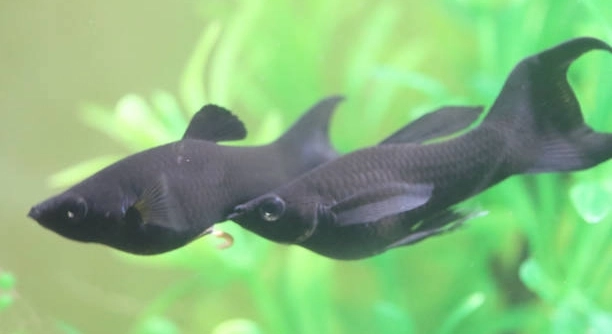
Black mollies are sensitive fish that notice every change in their environment. After major tank adjustments, their behavior may shift as they adjust to new surroundings, water conditions, or tank mates. Observing these changes helps ensure their comfort.
Following significant tank modifications, black mollies typically exhibit cautious swimming patterns, altered feeding habits, and heightened hiding tendencies. These behavioral adjustments are natural responses to environmental stressors, allowing the fish to acclimate safely while maintaining overall health and stability.
Monitoring their reactions during this period is important for long-term tank harmony and the mollies’ well-being. Understanding these behaviors can improve care and prevent stress-related problems.
Immediate Reactions After a Major Tank Change
When I first moved my black mollies to a larger tank, I noticed they became very cautious. They swam slowly, often pausing near plants or decorations. Some hid under rocks or behind ornaments for hours. Feeding time became unpredictable, with only a few fish coming out at first. It was clear they were processing the new layout, the water temperature, and the slightly different current. Observing them closely helped me understand which areas felt safest. Over the next few days, they gradually explored more open spaces but still kept close to familiar hiding spots. Lighting changes also seemed to affect their comfort, and I adjusted the intensity gradually. Monitoring water parameters was crucial because even minor shifts could increase stress. By keeping everything stable, I could encourage normal swimming and feeding without forcing them to acclimate too quickly. Patience was key to letting them settle in naturally.
Initial signs of stress include hiding, slowed movement, and reduced appetite, which are temporary and expected.
Slow acclimation ensures mollies adjust safely, reducing stress and promoting long-term health. Observing their behavior daily gives insight into comfort levels and readiness to interact.
Adjusting Feeding and Social Behavior
After tank changes, mollies often become selective about food. They may ignore flakes or pellets they normally eat.
Feeding patterns gradually normalize once the fish feel secure. Initially, I offered smaller portions multiple times a day to avoid competition or aggression. Some mollies stayed near the surface while others lingered near decorations, making it tricky to reach every fish. Over time, they learned to share feeding areas without chasing each other excessively. Monitoring social interactions is important because new tank layouts can disrupt established hierarchies. Mollies may test boundaries by displaying minor aggression or asserting territory near hiding spots. Ensuring multiple hiding areas and even food distribution reduces conflict. I also noticed that some fish preferred certain tank levels, like the middle or top, while others stuck to the bottom. This behavior shifted as they became comfortable. Gradual observation and adjustment of feeding routines helped restore balance. Eventually, the group returned to regular swimming, feeding, and socializing patterns, showing that mollies can adapt well when changes are managed thoughtfully.
Recognizing Signs of Stress
Black mollies show stress through erratic swimming, clamped fins, or hiding more than usual. These signs indicate they are adjusting to the new environment and may need more time to settle.
During the first few days after a major tank change, I noticed my mollies spent a lot of time near decorations or at the tank edges. Some swam quickly then darted back to hiding spots, while others stayed completely still for long periods. Water quality, temperature, and the presence of new tank mates can all contribute to stress. Keeping parameters stable and avoiding sudden changes helps mollies regain confidence. Gentle observation ensures that any prolonged stress or illness can be addressed early, preventing serious health issues. Over time, as they feel safer, normal activity gradually returns, and social interactions resume.
Stress can also affect feeding. I observed that some mollies ignored their usual food, preferring to nibble only when confident. Offering small, consistent meals and reducing disturbances encouraged them to eat again. Establishing routine feeding and maintaining stable conditions helped my mollies regain normal behavior faster, while keeping an eye on interactions prevented minor territorial disputes from escalating. Providing plenty of hiding spots and gentle lighting adjustments also contributed to a calmer environment.
Reintroducing Decorations and Tank Features
Adding or rearranging decorations should be done gradually to minimize stress for black mollies. Small changes are less overwhelming and help them adjust.
I found that reintroducing plants, rocks, or ornaments in stages helped mollies explore safely. They tended to inspect new objects slowly, swimming around cautiously before venturing closer. By spacing decorations evenly and leaving open swimming areas, I ensured they could maintain personal space while still exploring. Over several days, they became more confident, swimming among decorations freely without excessive hiding. This gradual approach also reduced aggressive interactions, as each fish had its own territory. Adjusting lighting and observing how each molly responded to changes allowed me to tweak placement and ensure comfort. The tank eventually felt familiar again, and normal behaviors returned without forcing them to adapt too quickly.
Water Quality Checks
Maintaining stable water quality is critical after major tank changes. Black mollies are sensitive to sudden shifts in pH, temperature, or ammonia levels, which can increase stress and impact their health.
Regular testing of ammonia, nitrite, nitrate, and pH helps identify potential issues early. I noticed small fluctuations after rearranging the tank, which caused my mollies to hide more. Partial water changes and careful monitoring stabilized conditions, allowing the fish to resume normal behavior quickly. Consistency in temperature and filtration is also essential. Over time, the mollies became more confident, exploring freely while the tank maintained a healthy balance.
Observing Swimming Patterns
Black mollies often alter their swimming routes after tank changes. They may circle edges, hover near hiding spots, or explore slowly before venturing into open areas.
I watched as my mollies gradually adjusted their swimming routes. Initially, they avoided open spaces, sticking close to decorations and plants. With time and stable conditions, they explored mid and upper levels of the tank. Observing these patterns allowed me to confirm they were acclimating without stress.
Long-Term Acclimation
Patience is necessary for black mollies to fully adjust after major tank modifications. Daily observation and consistent care ensure healthy adaptation.
Keeping an eye on behavior, feeding, and social interactions allows for small adjustments to tank features or routines. I noticed that consistent conditions helped my mollies regain normal swimming, feeding, and social behavior. Over weeks, they returned to their usual energetic selves, confidently exploring all areas of the tank. By providing plenty of hiding spots, even food distribution, and gentle lighting, the mollies felt secure and stable. Gradual changes prevent unnecessary stress and support long-term health, creating an environment where mollies thrive naturally.
Monitoring Health Signs
Pay attention to fin condition, appetite, and coloration after tank changes. Early detection prevents minor issues from becoming serious.
FAQ
How long does it take for black mollies to adjust after major tank changes?
Adjustment periods vary, but most black mollies start showing normal behavior within a week. Some may take two weeks or more, depending on the size of the change, water stability, and presence of other fish. Observing swimming, feeding, and social interactions helps gauge progress.
What are the most common signs of stress after tank modifications?
Hiding, clamped fins, reduced appetite, erratic swimming, and staying close to decorations are common stress indicators. Some mollies may dart around suddenly or refuse to eat at first. Monitoring these behaviors daily helps ensure issues are addressed early.
Should I change feeding routines after a major tank change?
Yes, smaller and more frequent feedings are helpful. This encourages timid fish to eat while preventing aggression at feeding spots. I usually offer portions multiple times a day until mollies regain confidence and return to normal feeding patterns.
How do I know if water parameters are affecting my mollies?
Test ammonia, nitrite, nitrate, and pH regularly. Sudden changes in these parameters can cause hiding or sluggish behavior. Maintaining consistent temperature and stable filtration prevents stress and supports normal activity.
Can rearranging decorations affect behavior?
Yes, black mollies are territorial and rely on familiar landmarks. Rearranging plants or rocks can cause temporary hiding or cautious swimming. Gradual changes, spacing out decorations, and leaving open areas allow fish to adjust safely.
Do black mollies ever fight after major tank changes?
Minor displays of aggression can occur as fish establish territories. Providing multiple hiding spots and even food distribution reduces conflicts. Most aggression is temporary and decreases as the fish become comfortable with the new layout.
How often should I monitor my mollies during this period?
Daily observation is best. Watching swimming, feeding, and interactions helps detect stress or illness early. I check the tank multiple times a day initially, then gradually reduce monitoring as normal behavior returns.
Is lighting important after a major change?
Yes, sudden bright lights can increase stress. Gradually adjusting lighting intensity and timing allows mollies to explore safely. Dim or indirect light at first helps them feel secure while acclimating to the new environment.
When should I worry about health issues?
If hiding, loss of appetite, clamped fins, or erratic swimming persists beyond two weeks, further investigation is needed. Check water quality, review feeding, and watch for signs of illness. Early intervention prevents minor issues from escalating.
Can black mollies fully adapt to a major tank change?
Yes, with patience and consistent care. Providing stable water conditions, hiding spots, gentle lighting, and gradual adjustments helps mollies regain normal behavior. Most fish fully adapt within a few weeks and continue thriving in their new environment.
How can I make the transition easier for my mollies?
Keep water stable, rearrange decorations slowly, monitor interactions, and maintain feeding routines. Observing daily and adjusting only when necessary supports comfort and reduces stress. I found that consistent care and patience allowed my mollies to settle naturally without issues.
Are there any signs that indicate they feel safe again?
Exploring open areas, regular feeding, normal swimming patterns, and socializing with tank mates indicate comfort. I noticed my mollies returning to upper and middle tank levels, confidently swimming around plants and rocks after a few days of stable conditions.
What if some fish adapt faster than others?
Individual differences are normal. Some mollies are bolder and explore sooner, while shy fish take longer. Offering multiple hiding spots and observing interactions ensures all fish adjust safely at their own pace.
Does tank size affect adjustment time?
Yes, larger tanks may take longer for mollies to fully explore and feel secure. Extra hiding spots and gradual acclimation help mollies in bigger spaces adapt without stress.
Can I change the tank setup too often?
Frequent changes increase stress and slow adjustment. Keeping decorations, water conditions, and feeding routines consistent allows mollies to feel safe and regain normal behavior quickly. Gradual updates are safer than frequent modifications.
How do I know if my mollies are back to normal?
Normal behavior includes swimming confidently throughout the tank, regular feeding, social interactions, and minimal hiding. Watching patterns over several days confirms that the fish have fully adjusted and stress has subsided.
Should I isolate any fish during the adjustment period?
Isolation is rarely needed unless a fish shows signs of illness or severe stress. Most black mollies adapt together when provided with hiding spots, space, and stable conditions. Only intervene if aggression or health issues persist.
Is it normal for black mollies to revisit hiding spots after adjusting?
Yes, they often use decorations or plants for comfort, even after full acclimation. Hiding spots remain important for security, and occasional use is normal behavior rather than a sign of stress.
How important is patience during the adjustment period?
Patience is essential. Forcing interaction, feeding, or swimming can increase stress. Observing, making small changes when needed, and allowing mollies to explore at their own pace ensures a smooth transition and long-term well-being.
Can minor tank changes after the major one affect behavior again?
Small adjustments may trigger temporary caution or hiding. However, gradual and minimal changes are less stressful than major modifications. Maintaining consistent care helps mollies adapt quickly without long-term issues.
Black mollies are sensitive fish that notice changes in their environment quickly. After major tank adjustments, it is normal to see shifts in their behavior. They may hide more often, swim cautiously, or show reduced appetite. These responses are part of their natural adaptation process. Observing how each fish reacts provides valuable information about their comfort and health. Paying attention to water conditions, tank layout, and lighting can reduce stress and encourage the mollies to explore the new space more confidently. Simple steps, such as keeping water parameters stable and offering multiple hiding spots, make a significant difference in how quickly they adjust. Every fish is unique, so their responses can vary, and patience is important to ensure they feel secure. Gradual observation helps prevent minor issues from becoming serious health concerns.
Maintaining consistent feeding routines during this period is helpful. Smaller, more frequent meals allow timid mollies to eat without competition or fear. Watching their swimming and feeding patterns lets you track which fish are adjusting faster and which need more time. Rearranging decorations and adding plants or rocks should be done slowly, allowing them to familiarize themselves with new objects without feeling overwhelmed. Lighting changes should also be gradual to prevent unnecessary stress. By monitoring their social interactions, it is possible to reduce aggression and ensure all fish have space to establish comfort zones. Even minor adjustments, like spacing hiding spots evenly, can improve their confidence. With careful attention, mollies can return to normal activity within days or weeks, depending on their temperament and the size of the tank changes. Observing them regularly helps identify when they have fully adapted and regained stable routines.
Long-term care involves maintaining stable water quality, balanced feeding, and safe tank arrangements. Black mollies thrive in environments where temperature, pH, and filtration are kept consistent. Ensuring enough space for swimming, along with plants and hiding spots, supports both physical activity and stress relief. Patience during this process is essential, as forcing interactions or rapid changes can worsen stress. Monitoring their overall health, including fin condition, coloration, and appetite, helps detect potential issues early. By following these steps, the tank becomes a secure and comfortable home for the mollies. Over time, they explore freely, interact normally, and display confident behavior throughout the tank. Consistent care and gradual adjustments create a balanced environment where mollies can thrive naturally. Regular observation and thoughtful management ensure that minor stress responses after major tank changes do not become long-term problems, allowing the fish to maintain health and vitality.

Hello,
If you enjoy the content that we create, please consider saying a "Thank You!" by leaving a tip.
Every little bit helps us continue crafting quality advice that supports the health, happiness, and well-being of pets around the world, for pets of all shapes, sizes, and species.
We really appreciate the kindness and support that you show us!