
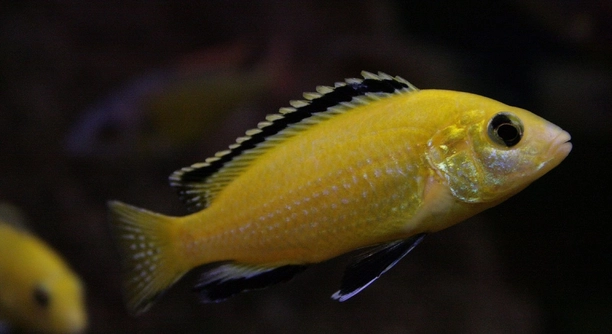
Many aquarium owners enjoy keeping cichlids but often hear about their aggressive behavior. These fish have a reputation that can make caring for them seem difficult. However, not all beliefs about their aggression are accurate or helpful.
Cichlid aggression is often misunderstood, with many myths exaggerating their behavior. Aggression levels vary widely depending on species, environment, and social structure. Proper care and tank management can reduce conflicts and support a balanced community.
Understanding these myths will help improve how you care for cichlids and create a healthier environment for your fish. This article clears up common misunderstandings about their behavior.
Myth 1: All Cichlids Are Extremely Aggressive
Not all cichlids show the same level of aggression. Some species are known for being very territorial and protective, especially during breeding. Others can be quite peaceful and get along well with different tank mates. Aggression often depends on the size of the tank, how many fish are kept together, and the hiding spots available. When tanks are overcrowded or lack proper structure, even peaceful species can become stressed and act aggressively. Understanding the natural behavior of each cichlid species helps in setting up the right environment and choosing compatible companions. Observing your fish regularly will help you notice changes in behavior early and address them before conflicts start.
Many times, aggression is a reaction to stress or poor tank conditions rather than an inherent trait of the fish.
Providing enough space and hiding places is key to reducing tension in the tank.
Myth 2: Aggression Means You Should Keep Cichlids Alone
It’s a common belief that aggressive cichlids must live alone to avoid fights. While some cichlids do better solo, many species thrive in groups if the tank is set up correctly. Group dynamics can help reduce aggression by spreading out dominance and giving weaker fish places to hide. Social structure matters; certain cichlids feel more secure when they are part of a stable group. Proper tank size and decorations that create territories also limit confrontations. Simply isolating a fish can increase stress and make behavior worse. Learning to manage aggression with careful planning often leads to a happier, more balanced aquarium. This requires patience and observation to adjust tank conditions as needed to maintain harmony.
Myth 3: Aggressive Behavior Is Always About Dominance
Aggression in cichlids is not just about dominance. It can also be linked to protecting territory or stress from environmental factors.
Many times, cichlids act aggressively to defend their space, especially when breeding. This behavior is natural and helps protect their eggs and young. Aggression can also increase when fish feel crowded or if water conditions are poor. Changes in lighting, temperature, or water quality can cause stress that makes fish more irritable. Noticing these triggers early can help prevent aggressive incidents. Creating enough hiding spots and separating aggressive fish temporarily are common ways to manage this behavior.
Dominance fights often look like chasing or nipping, but these can be signs of other issues too. Understanding the root cause helps in applying the right solution. Sometimes it’s not about power but about comfort and safety in the tank environment.
Myth 4: Aggression Cannot Be Controlled
Aggression can be managed through tank setup and care practices. Proper space and decorations help reduce conflicts.
Adjusting the tank environment to suit the species’ needs is crucial. Adding rocks, plants, and caves creates boundaries and hiding places that lower stress and aggression. Keeping fish in groups appropriate for their species helps distribute dominance and reduces fighting. Monitoring water quality and feeding schedules keeps fish healthy and less aggressive. Sometimes rearranging the tank can reset territories and calm fish down. Temporary isolation of overly aggressive individuals may be needed until they calm.
Consistency in care and observation makes a big difference. Aggression rarely goes away completely, but with effort, it can be kept under control to maintain a peaceful aquarium. This approach improves the health and well-being of all fish involved.
Myth 5: Larger Tanks Eliminate All Aggression
While larger tanks give fish more space, they do not completely stop aggression.
Tank size helps reduce stress, but territory and social hierarchy still cause conflicts. Fish need proper hiding spots regardless of tank size.
Myth 6: Feeding More Reduces Aggression
Feeding can influence behavior, but overfeeding does not fix aggression.
Aggressive behavior often stems from territorial or breeding instincts, not hunger. Regular, balanced feeding supports health but won’t prevent fights over space or mates.
Myth 7: Only Male Cichlids Are Aggressive
Both male and female cichlids can show aggression.
Females may be protective during breeding and defend territory just like males. Recognizing this helps in planning tank groups better.
FAQ
How can I tell if my cichlid aggression is normal or a problem?
Normal aggression usually involves brief chasing or displays, especially during breeding or territory defense. Problematic aggression is constant, causes injuries, or stress signs like hiding or loss of appetite. Watch your fish carefully and note if fights escalate or fish are harmed. Adjusting tank conditions or separating aggressive individuals may be necessary.
What are the best ways to reduce aggression in a cichlid tank?
Providing enough space, hiding spots, and visual barriers helps lower aggression. Keeping the right number of fish and similar-sized individuals reduces bullying. Feeding balanced diets on a schedule and maintaining good water quality also keep stress low, which can reduce aggressive behavior. Rearranging decorations occasionally can break established territories and calm fish.
Is it okay to mix different cichlid species in one tank?
Mixing species can work if their temperaments, size, and tank needs are compatible. Avoid pairing highly aggressive species with peaceful ones. Research each species’ behavior before mixing and ensure your tank is large enough with plenty of hiding places to reduce conflicts. Observing interactions is important to prevent harm.
Can tank decorations really help with aggression?
Yes. Rocks, caves, and plants create territories and hiding spots. These features break lines of sight and allow fish to escape or avoid constant confrontation. This reduces stress and aggression by letting fish feel secure in their own space. A well-decorated tank helps maintain balance in social interactions.
Should aggressive cichlids be removed or isolated?
If aggression causes injuries or stress, temporarily isolating the aggressive fish is a good option. This gives others a break and lets the aggressive fish calm down. Long-term removal might be necessary if behavior does not improve. Sometimes rearranging the tank or adjusting group sizes reduces aggression without needing isolation.
Does water quality affect aggression in cichlids?
Poor water quality increases stress, which can lead to more aggression. Keeping water clean, stable in temperature, and within proper pH ranges helps fish stay healthy and calm. Regular water changes and monitoring parameters are essential parts of managing aggression.
How does breeding affect cichlid aggression?
Breeding cichlids become highly territorial and protective. They may chase or attack other fish to guard eggs or fry. This is a natural behavior but can increase stress in the tank. Providing separate breeding tanks or extra hiding spots helps manage aggression during this time.
Can diet changes impact aggression?
Balanced nutrition supports fish health and reduces irritability. Lack of proper nutrients might increase stress and aggressive behavior. Feeding varied diets that meet species needs helps keep cichlids calmer, but diet alone won’t stop aggression caused by territorial instincts.
Is it better to keep cichlids in pairs or groups?
Many cichlids do better in groups, which can spread out aggression and reduce constant targeting of one fish. However, this depends on species and tank size. Pairs might work for some species but can lead to strong territorial fights if space is limited. Careful observation and tank setup are important.
What signs show a cichlid is too stressed from aggression?
Signs include hiding constantly, loss of appetite, faded colors, torn fins, and unusual swimming patterns. Stress weakens the immune system, making fish prone to illness. Acting early to reduce aggression improves fish welfare and prevents long-term damage.
Caring for cichlids means understanding their behavior, especially their aggression. While many people think all cichlids are extremely aggressive, this is not always true. Aggression varies by species, environment, and how the tank is set up. Knowing these differences helps you create a better home for your fish. Giving them enough space, hiding spots, and compatible tank mates can reduce fights and stress. Paying attention to their behavior also allows you to notice problems early and make changes before things get worse.
Managing aggression is an ongoing process. It takes patience and careful observation. Sometimes changing decorations, adjusting the number of fish, or improving water quality can calm aggressive behavior. It is also important to understand that aggression is often natural, especially during breeding or when protecting territory. Instead of trying to eliminate aggression completely, focus on creating an environment where your cichlids can live comfortably and peacefully. When you handle aggression correctly, it benefits the health and happiness of your fish.
In the end, the key to keeping cichlids successfully is learning and adapting. Every tank is different, and what works for one may not work for another. Taking time to research your specific cichlid species and their needs will guide you in making the best choices. With proper care and attention, you can enjoy a vibrant aquarium where your cichlids thrive. Understanding myths about their aggression helps you avoid mistakes and build a better relationship with your fish.

Hello,
If you enjoy the content that we create, please consider saying a "Thank You!" by leaving a tip.
Every little bit helps us continue crafting quality advice that supports the health, happiness, and well-being of pets around the world, for pets of all shapes, sizes, and species.
We really appreciate the kindness and support that you show us!